Neoplasene for Dogs with Cancer
Jun 18, 2026
If you've researched alternative cancer treatments for dogs, you may have come across Neoplasene, a bloodroot-derived product marketed for shrinking or destroying tumors. It's a genuinely polarizing treatment: some integrative veterinarians and pet owners describe it as a valuable tool, while mainstream veterinary oncology, the broader medical literature, and regulators raise serious concerns. This article lays out what Neoplasene is, the reasoning behind it, what the evidence does and doesn't show, what the treatment actually involves, the safety questions, and where the disagreements lie — so you can have an informed conversation with your veterinarian.
What Neoplasene Is
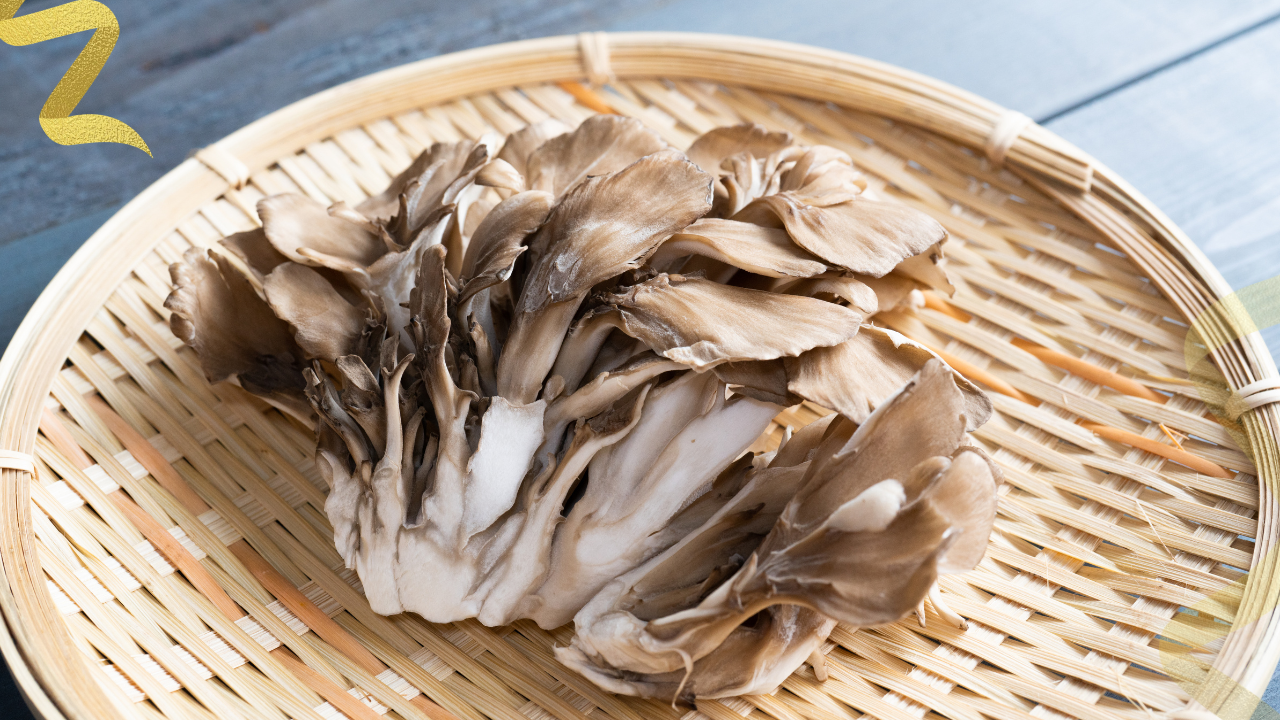
Neoplasene is a product made by Buck Mountain Botanicals (founded by Terrence S. Fox, PhD, in Miles City, Montana) and marketed for treating tumors in dogs, cats, and horses. It is derived from bloodroot (Sanguinaria canadensis), a flowering plant native to North America whose root contains a group of isoquinoline alkaloids — chiefly sanguinarine, along with others such as chelerythrine and berberine. It comes in three forms: a topical paste, an injectable (intralesional) liquid, and an oral preparation, and it is used primarily on skin masses such as sarcomas, carcinomas, mast cell tumors, and equine sarcoids.
Notably, Neoplasene is distributed to veterinarians rather than sold directly to the public, which the manufacturer presents as a safeguard ensuring professional oversight. (This distinguishes it from the broader category of bloodroot and "black salve" products, many of which are sold freely to consumers online and self-applied.)
That broader category is where one of the central disputes begins. Traditional black salves combine bloodroot with zinc chloride, a corrosive chemical that burns tissue indiscriminately. The manufacturer of Neoplasene argues that its product is fundamentally different: zinc chloride is used as a solvent to extract and chemically modify bloodroot's alkaloids but is said not to remain in the final product, and the company maintains that the modified alkaloids preferentially destroy diseased tissue rather than acting as a simple caustic. Independent reviewers and the veterinary case literature, however, generally classify bloodroot-derived preparations, including Neoplasene, as escharotics — agents that work by destroying tissue. Keeping this dispute in view is important, because it sits underneath nearly every other claim about the product.
The Proposed Rationale: Why Proponents Use It
The case for Neoplasene rests on the biology of sanguinarine, and it isn't baseless. In laboratory (in vitro) studies, sanguinarine is one of the more cytotoxic compounds isolated from bloodroot, and researchers have observed it slowing cancer-cell proliferation, migration, and invasion, triggering programmed cell death (apoptosis), affecting tumor blood-vessel formation (angiogenesis), and disrupting the immunosuppressive environment that tumors create — across a range of cancer cell lines including liver, colon, breast, ovarian, lung, and skin (Croaker et al., 2016).
Proponents — including the manufacturer and a number of integrative practitioners — argue that these modified alkaloids preferentially attack neoplastic tissue while sparing healthy cells, and they point to clinical case collections, practitioner experience, and owner reports of tumors regressing or sloughing away. For some, the appeal is also philosophical: a plant-derived option positioned as an alternative or complement to conventional chemotherapy, radiation, and surgery.
One important nuance is easy to miss. Most of the encouraging sanguinarine research studies the purified compound given systemically at controlled doses, acting through molecular pathways — a fundamentally different thing from how Neoplasene is actually used in practice, where it destroys tissue on contact. The molecular cancer-biology of sanguinarine and the tissue-destroying clinical use of Neoplasene are not the same mechanism, so promising findings about one don't automatically validate the other.
What the Evidence Actually Shows
Here is the crux, stated plainly. The in vitro findings are real, but laboratory cytotoxicity is not the same as proven, safe, effective treatment in a living animal.
The animal evidence illustrates both the promise and its limits. In one Lewis lung cancer mouse model, high-dose sanguinarine, given by injection, significantly slowed tumor growth — comparably to the standard chemotherapy drug cisplatin — and also reduced tumor blood-vessel formation by modulating immune cells (tumor-associated macrophages). In that particular study, the cisplatin group lost significant weight while the sanguinarine group did not, which the authors interpreted as a comparable antitumor effect with fewer side effects in that model (Cui et al., 2022). It's an interesting result, but it involved purified sanguinarine injected at measured doses in mice with a specific cancer — a long way from establishing that the commercial product is safe or effective against naturally occurring tumors in dogs.
And that is the central problem: for Neoplasene specifically, there are no controlled clinical trials in dogs or humans establishing safe dosing or efficacy. The supporting evidence consists largely of manufacturer-published case reports, practitioner testimonials, and owner accounts. This matters because a long list of promising preclinical results is the norm in drug development, not the exception — fewer than 5% of drugs that enter human clinical trials ultimately reach the clinic as proven, safe, effective therapies. As things stand, there is no clinical evidence of safety or efficacy in any cancer for Neoplasene or for sanguinarine.
The selectivity claim — that the product destroys cancer while sparing healthy tissue — is the part least supported by independent evidence. In the dermatology literature, any apparent selectivity of sanguinarine appears only at low concentrations in the dish, not at the higher concentrations present in actual salves, where it damages normal and abnormal tissue alike (Croaker et al., 2016). What is clear is that Neoplasene causes tissue necrosis (death), and it does not reliably discriminate healthy tissue from diseased tissue.
What the Treatment Actually Involves
Because this is the part owners are often least prepared for, it's worth describing plainly. When applied topically or by injection, Neoplasene causes substantial tissue death at the treatment site, typically accompanied by inflammation, itching, soreness, and an open wound, followed by scarring. The usual approach is to let that wound stay open: the treated tissue — normal or cancerous — dies, turns grey, and sloughs away over roughly two to ten days, after which the site is managed as an open wound until it heals.
This pattern of action is not unique to bloodroot products. The FDA-approved intratumoral injection tigilanol tiglate (Stelfonta), itself plant-derived, is used for certain canine mast cell tumors and likewise produces a wound that must heal in. The key difference is that Stelfonta went through formal clinical testing and regulatory approval, which Neoplasene has not — a useful illustration that the underlying concept can be studied rigorously, and that the issue with Neoplasene is the absence of that evidence, not the idea itself.
Safety Concerns
Because Neoplasene works by destroying tissue, its risks are inseparable from its mechanism, and they are well documented.
The most direct veterinary evidence comes from a peer-reviewed report of two dogs that received intratumoral injections of a bloodroot-containing preparation. In one case, a young golden retriever's small, benign mass — the kind that could have been removed surgically with a cure, or often safely left alone — instead became bruised and markedly enlarged, with tissue death and complications; both dogs required additional medical intervention, and one needed surgery and multiple follow-up treatments (Childress et al., 2011). The authors recommended discouraging the use of escharotics in animals until proper indications, dosing, and adverse-effect profiles are established through well-designed clinical trials.
That report also articulated the core veterinary-oncology objections, which are worth understanding regardless of where one lands on the product:
- No diagnosis first. Applying a destructive agent without a prior biopsy means the tumor type is never confirmed. Some masses are benign and need no aggressive treatment at all; others require specific therapy.
- No way to assess margins. Escharotic treatment destroys the very tissue a pathologist would examine to confirm whether a cancer was fully removed. For invasive tumors such as mast cell tumors and soft tissue sarcomas, incomplete removal can lead to recurrence, sometimes with more aggressive behavior.
- Inconsistent manufacturing. Botanical escharotics are not made to pharmaceutical standards, so the amount of active compound — and the possibility of contaminants — can vary, and unregulated products carry no guarantee of safety, ingredients, or efficacy.
- Pain and disfigurement. Tissue destruction is painful and can leave large open wounds and scarring.
The human medical literature reinforces these concerns. Case series describe patients who appeared to have a good response to bloodroot salves but were found on biopsy to have residual cancer hidden beneath the wound, along with severe scarring, destruction of facial structures, and instances where reliance on the salve delayed effective conventional treatment, in some cases with fatal outcomes (Jellinek & Maloney, 2005; McDaniel & Goldman, 2002).
The Regulatory Position
Regulators have taken a clear stance on bloodroot cancer products. The U.S. Food and Drug Administration includes black salve and bloodroot-based preparations on its list of fake cancer "cures" that consumers should avoid, and salves intended to treat cancer cannot be legally marketed in the United States (U.S. Food and Drug Administration, n.d.). The FDA has issued consumer warnings and enforcement actions against products containing sanguinarine, Sanguinaria canadensis, or bloodroot — with or without zinc chloride — citing risks of permanent disfigurement, tissue death, and infection. Australia banned black salve in 2012 following case reports of harm. These positions are framed around human use and around products marketed directly to consumers; they nonetheless reflect the prevailing scientific assessment of the underlying ingredients.
How It Is Used, and Combined With Other Treatments
If a veterinarian recommends Neoplasene, the specifics depend on the case, and practice varies. Some use it alongside surgery for skin cancers and other lesions (for example, debulking a mass first); others use it without surgery; and some use oral formulations as follow-up care after surgery, or as a primary approach. Anti-nausea medication is sometimes given alongside treatment. The manufacturer does not list specific drug interactions but advises against using anti-inflammatory drugs at the same time, on the theory that inflammation is part of how the product works.
Because the product causes tissue death on contact, it is handled with gloves and kept away from children and other pets. There is no published information on its absorption (bioavailability), and dosing schedules vary, which is itself a reflection of the lack of standardized clinical data. This article deliberately does not provide application or dosing instructions: given that this is a tissue-destroying agent with no established dosing, any use should be directed hands-on by a veterinarian experienced with it, and questions such as a missed dose should go to that prescribing veterinarian rather than be managed from online protocols.
Where Proponents and Critics Disagree
An honest summary requires holding two things at once.
The proponent view is that Neoplasene is a refined, modified extract distinct from crude black salve; that sanguinarine has genuine, documented anticancer activity in the laboratory and in animal models; that it is dispensed through veterinarians who supervise its use; that experienced integrative practitioners report success, particularly on small, superficial masses; and that it offers an option for owners seeking alternatives to conventional care.
The mainstream and regulatory view is that in vitro and mouse activity has never been shown to translate into safe, effective treatment of naturally occurring cancer in dogs; that the selectivity claim isn't supported in living patients; that the product carries documented risks of severe tissue damage, incomplete tumor removal, and recurrence; that destroying a mass without a biopsy forfeits crucial diagnostic information; and that effective, better-studied treatments usually exist.
The disagreement is not really about whether sanguinarine can kill cells — it can. It's about whether that property can be harnessed safely and selectively in a real dog, and whether the anecdotal track record outweighs the documented harms and the absence of controlled evidence. On that question, the weight of rigorous evidence and professional opinion currently sits firmly on the cautious side.
The Practical Bottom Line for Owners
If you are considering Neoplasene, a few evidence-based principles matter more than any single opinion:
- Get a diagnosis first. Insist on a biopsy or aspirate so you know exactly what the mass is. Some masses are harmless; some are curable with simple surgery; some need specific, proven treatment. Destroying a mass before identifying it removes that knowledge permanently.
- Only ever use it under direct veterinary supervision. This is a tissue-destroying agent. It should be considered only with the hands-on involvement of a veterinarian experienced with it, never self-administered at home based on online protocols, and never with a broader consumer "black salve" product.
- Weigh the proven alternatives. For most tumors, surgery — and where appropriate chemotherapy or radiation — has far stronger evidence behind it. Ask your veterinarian or a veterinary oncologist how those compare for your dog's specific diagnosis.
- Be clear-eyed about the evidence. Compelling before-and-after stories are not the same as controlled data, and a tumor that appears to resolve on the surface can still persist underneath.
The Bottom Line
Neoplasene occupies a genuinely contested space. Its active ingredient has real activity against cancer cells in the lab and in some animal models, and some practitioners and owners report benefit — but it has not been shown in controlled studies to safely and effectively treat cancer in dogs, its claimed ability to spare healthy tissue is not supported by independent evidence in living patients, and it carries documented risks of serious tissue damage, incomplete tumor removal, and lost diagnostic opportunity. Regulators classify bloodroot cancer products as unproven and unsafe. None of this means every reported success is imaginary, but it does mean the responsible path is a cautious one: get a firm diagnosis, involve a knowledgeable veterinarian or oncologist, understand the proven options, and never treat a tumor blind or at home.
This article is for educational purposes and reflects the current state of veterinary and medical evidence; it isn't a substitute for individualized veterinary advice. Always consult your veterinarian or a veterinary oncologist before pursuing any cancer treatment for your dog.
References
Buck Mountain Botanicals. (n.d.). Neoplasene. Retrieved June 26, 2026, from https://www.buckmountainbotanicals.net/treatments/neoplasene.html
Childress, M. O., Burgess, R. C., Holland, C. H., & Gelb, H. R. (2011). Consequences of intratumoral injection of a herbal preparation containing bloodroot (Sanguinaria canadensis) extract in two dogs. Journal of the American Veterinary Medical Association, 239(3), 374–379. https://doi.org/10.2460/javma.239.3.374
Croaker, A., King, G. J., Pyne, J. H., Anoopkumar-Dukie, S., & Liu, L. (2016). Sanguinaria canadensis: Traditional medicine, phytochemical composition, biological activities and current uses. International Journal of Molecular Sciences, 17(9), 1414. https://doi.org/10.3390/ijms17091414
Cui, Y., Luo, Y., Qian, Q., Tian, J., Fang, Z., Wang, X., Zeng, Y., Wu, J., & Li, Y. (2022). Sanguinarine regulates tumor-associated macrophages to prevent lung cancer angiogenesis through the WNT/β-catenin pathway. Frontiers in Oncology, 12, 732860. https://doi.org/10.3389/fonc.2022.732860
Jellinek, N., & Maloney, M. E. (2005). Escharotic and other botanical agents for the treatment of skin cancer: A review. Journal of the American Academy of Dermatology, 53(3), 487–495.
McDaniel, S., & Goldman, G. D. (2002). Consequences of using escharotic agents as primary treatment for nonmelanoma skin cancer. Archives of Dermatology, 138(12), 1593–1596.
U.S. Food and Drug Administration. (n.d.). 187 fake cancer "cures" consumers should avoid. Retrieved June 26, 2026, from https://www.fda.gov/consumers/health-fraud-scams/187-fake-cancer-cures-consumers-should-avoid
Reviewed by: Amber L. Drake, PhD
Dr. Amber L. Drake is a board-certified holistic health practitioner, canine clinical herbalist, educator, and founder of the Drake Dog Cancer Foundation and Drake Dog Academy. She is dedicated to helping pet parents better understand canine cancer, treatment options, nutrition, quality of life, and supportive care through compassionate, evidence-informed education. Her work combines professional training, practical resources, and firsthand insight from supporting thousands of dog families through the challenges of a cancer diagnosis.
Stay connected with news and updates!
Join our mailing list to receive the latest news and updates from our team.
Don't worry, your information will not be shared.
We hate SPAM. We will never sell your information, for any reason.