Brain Tumors in Dogs: A Calm Guide Through a Frightening Diagnosis
Jun 12, 2026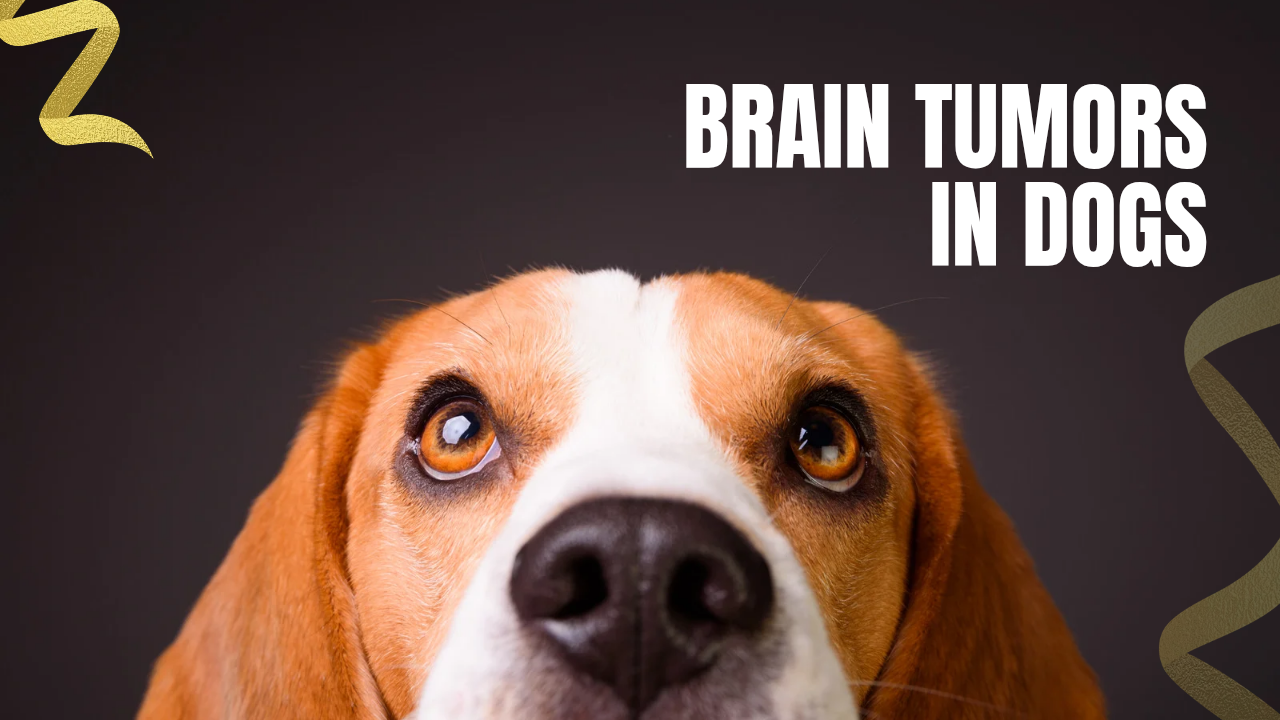
For most families, the worry doesn't arrive as the word "tumor." It arrives as a seizure on the living room floor. Or a dog who gets wedged behind the couch and can't work out how to back up. Or one who stands and stares at the wall in a room he has known his whole life.
That kind of change frightens people because it feels so sudden and so personal. One minute your dog is himself. The next, something neurological is in the room with you, and every ordinary decision turns heavy. Do you drive to the emergency clinic tonight? Is this poison, a stroke, inflammation, epilepsy, or cancer? How much testing is enough, and how are you supposed to choose anything at all when you don't have the full picture yet?
A brain tumor diagnosis is one of the hardest conversations in veterinary medicine. It is also not a single diagnosis. Different tumors behave in different ways. Some are easier to treat than others. Some respond mainly with temporary relief. A few families pursue MRI, radiation, or surgery. Others decide, thoughtfully and out of love, to focus on comfort from the very start.
This is written for the uncertain middle of that experience. Not to bury you in terminology, but to help you think clearly, ask sharper questions, and protect your dog's quality of life while you figure out what comes next.
When Something Neurological Comes Out of Nowhere
It usually happens in the quietest part of the day. A seizure while you are making dinner. A dog who suddenly seems lost in his own hallway. An hour later he is up, walking, looking mostly like himself again, and you exhale.
That rebound is reassuring. It can also be a trap, because it tempts people to wait when careful observation matters most.
Brain tumors are far from the only explanation for seizures, circling, or confusion. So the first job is not to name the disease from a single episode. It is to handle anything urgent, write down what you saw, and figure out which next step would actually change your dog's care.
A new neurologic event in an older dog deserves attention that same day, even if the episode was brief and your dog seemed fine by morning. Many serious brain conditions come and go early on. Owners tell me all the time, "He seemed normal again, so we waited." I understand the instinct completely. I also know the pattern before and after an event often tells us things we simply cannot recreate later in an exam room.
What to do in the first day
Start with safety and with clear eyes. Good information from home can be worth as much as any blood test in that first conversation.
- Get it on video. If it is safe, film what you can. Footage of pacing, head pressing, circling, twitching, collapse, or strange eye movements helps your veterinarian tell a seizure apart from weakness, pain, or a balance problem.
- Write down the timeline. When it started, how long it lasted, whether your dog responded to your voice, and what the next few hours looked like.
- Prevent injury. Keep him away from stairs, pools, sharp furniture, and other pets while he is confused or unsteady.
- Call your vet promptly. A first neurologic event usually warrants same-day guidance. Some dogs need the emergency clinic. Others can be seen urgently but safely.
Here is the rule I wish more owners heard early: do not judge how serious an event was by how normal your dog looks afterward.
A short note on your phone is plenty. Time of day, appetite, urination, medications, any chance of a toxin, any recent bump to the head. All of it can matter.
A steadier way to decide
In the first 24 hours, people want certainty more than anything. What actually helps is a framework. Three questions carry most of the weight:
Is my dog stable right now? What is most likely going on, given his age, his exam, and the pattern of what you are seeing? And which test or treatment would genuinely change what we do next?
That last question is the one that saves families money, time, and heartbreak. Some of you will head straight for advanced imaging and specialty care. Some will be weighing cost, travel, anesthesia risk, and how your dog feels today. Some will choose comfort care early, especially if there is other serious illness or a fast decline. None of these paths is careless when it fits the medical reality and the dog in front of you.
That is the whole point of what follows. It will help you understand what different tumor types can mean, where comfort care belongs even at the beginning, and how to track everyday function so your decisions rest on patterns rather than panic. That kind of structure is also at the heart of the Drake Dog Cancer Foundation's mission: helping families make informed, compassionate choices in the middle of a frightening diagnosis.
What a Brain Tumor Diagnosis Really Means
A brain tumor diagnosis changes the questions you need to ask.
At first, most families hear one terrifying phrase and assume it points to one disease with one predictable ending. In practice, "brain tumor" covers several different problems. Some begin in the tissues around the brain. Some grow from the brain itself. Some stay fairly contained. Others spread through nearby tissue in ways that rule out surgery and shift the focus toward radiation, medication, or comfort.
That distinction is not trivia. It shapes what your dog is likely to experience, which tests are worth doing, and whether treatment aims at control, symptom relief, or simply preserving good days at home.
The names you are most likely to hear
A widely cited review of canine intracranial tumors found that the great majority of primary brain tumors in dogs fall into three groups: meningiomas, gliomas, and choroid plexus tumors (Miller et al., 2019). Together those three make up roughly nine in ten primary brain tumors, and they tend to behave differently from one another.
A meningioma usually grows from the membranes covering the brain. For some dogs that makes local treatment more realistic, especially when the mass sits somewhere a surgeon or radiation oncologist can reach safely.
A glioma grows from within the brain tissue itself. These tend to infiltrate rather than stay in one clean lump, which can make complete removal difficult and leans the plan toward radiation and medical management.
A choroid plexus tumor develops in the tissue that produces cerebrospinal fluid. Because of where it sits, it can bring its own complications from fluid buildup and rising pressure inside the skull.
I usually tell owners the name of the tumor matters less than whether the name changes the plan. A presumed meningioma in an otherwise stable dog leads to a very different conversation than a suspected glioma in a dog who is already slipping neurologically.
Why breed, age, and location still matter
Signalment, the basic profile of your dog, helps estimate probability. Older dogs develop primary brain tumors more often than young ones, and some breeds show up more than their share for particular subtypes. Brachycephalic breeds, the flat-faced ones like bulldogs and Boxers, raise more suspicion for glioma than many long-nosed breeds do (Miller et al., 2019).
That does not make the diagnosis. It just helps your veterinarian decide which explanations belong near the top of the list, and which questions to ask next.
Location matters every bit as much. A small mass in one region can trigger dramatic seizures, while a tumor somewhere else shows up first as pacing, vision changes, altered sleep, or a subtle shift in personality. If you want a clearer sense of how those patterns look at home, this guide to common signs of a brain tumor in dogs pairs well with the diagnostic side of things.
What this means when you are deciding
A lot of owners assume a diagnosis only counts if it ends with a biopsy result. In veterinary neurology and oncology, that is often not true. MRI frequently gives a strong presumptive diagnosis, and sometimes that is enough to make a sound decision, particularly when a biopsy would add cost, travel, anesthesia, and recovery without changing what you would actually choose.
There is the tension in one sentence. More information can clarify the road ahead, but not every test improves your dog's outcome or comfort.
So ask your veterinary team questions that lead to decisions rather than to more vocabulary. What diagnoses are most likely, based on the exam and imaging? How confident are you without a biopsy? Does the tumor's location make surgery reasonable, risky, or off the table? Would a tissue diagnosis change treatment, prognosis, or cost in a way that matters? And if we choose comfort care now, what signs would tell us to revisit that?
That approach gives families something more useful than certainty. It gives you a way to choose what fits the dog you actually have.
Recognizing the Signs
The signs of a brain tumor depend less on the word "tumor" and more on where the lesion is pressing or growing. A mass in the forebrain looks different from one near the brainstem or the structures that handle balance and coordination.
Seizures are one of the most common reasons owners first call for help. But plenty of dogs show quieter changes first. I have seen dogs referred for "just acting odd" when the real pattern was neurological all along: staring into corners, getting trapped behind doors, sleeping through the day, turning suddenly prickly in a familiar house.
One dog I still think about kept pressing his head into the corner of the room and just standing there. His owner was sure it was anxiety. Put next to the pacing and the first seizure, that head pressing pointed much more strongly toward forebrain pressure or dysfunction.
What location can tell you
The nervous system is organized, so when symptoms cluster a certain way, your veterinarian uses that cluster to localize the likely problem.
| Symptom | Likely region | What you might see |
|---|---|---|
| Seizures | Forebrain | Sudden collapse, paddling, jaw chomping, loss of awareness, or brief focal twitching |
| Behavior change | Forebrain | Confusion, staring, getting stuck in corners, acting different with the family |
| Circling | Forebrain | Walking in one direction over and over, trouble navigating familiar rooms |
| Vision trouble with normal-looking eyes | Forebrain pathways | Bumping into things, missing treats, not seeming to see one side |
| Head tilt | Brainstem or vestibular area | One ear lower, leaning, drifting, a queasy unsteadiness |
| Loss of balance | Cerebellum or brainstem | Stumbling, wide stance, falling, trouble turning |
| Weakness or dullness | Brainstem | Less responsive, trouble standing, more general decline |
What to watch for at home
A single symptom rarely tells the whole story. The pattern over several days usually says more.
Watch how it moves. Is the problem coming and going, steadily worsening, or clustered around seizures? Notice the recovery too. Does your dog return all the way to normal between events, or does a little confusion linger each time? Keep an eye on the quiet losses, the missed stair, the drift while walking, the sense that he is somewhere else. Those can matter as much as a dramatic seizure.
And bring specifics to your vet. "He seems off" is understandable, but "he circles left after waking and got stuck behind the sofa twice this week" is far more useful. The most helpful owners are not the ones who guess the diagnosis. They are the ones who notice the pattern and describe it plainly. If it helps to organize what you are seeing before the appointment, this guide to warning signs of a brain tumor in dogs is a good companion.
When to seek urgent care
Call urgently if your dog has repeated seizures, cannot stand safely, goes suddenly unresponsive, or declines over hours rather than days. Brain disease can cause secondary swelling and pressure, so a worsening picture is not something to sit on over a weekend. Even when the signs are subtle, a new neurologic change in a middle-aged or older dog earns a timely exam.
Navigating the Diagnostic Journey
A typical visit starts with a dog who is clearly different but not yet clearly diagnosed. One owner describes a first seizure. Another reports a week of pacing and corner-staring. Another noticed balance changes that are hard to explain and impossible to ignore.
At this stage the goal is to define the problem well enough to make smart decisions. A brain tumor is one possibility. Inflammation, stroke, toxins, and metabolic disease can all look similar early on. Good diagnostics sort those possibilities by likelihood, urgency, cost, and how much each answer would actually change the plan.
Your primary veterinarian usually begins with history, a physical exam, and a neurologic exam. Those findings help localize the trouble. Seizures and behavior change suggest a different pattern than head tilt, falling, or abnormal eye movements, and that shapes which tests come first and how fast referral should happen.
The early tests, and why they matter
Blood work rarely diagnoses a brain tumor. It still matters. Baseline labs can catch important mimics like low blood sugar, liver-related encephalopathy, or electrolyte problems, and they help confirm your dog can safely handle anesthesia for imaging.
Chest imaging or an abdominal ultrasound sometimes comes up too, especially if your vet is worried about cancer that started elsewhere and spread. That is not testing for its own sake. It answers a practical question: are we looking at a tumor that began in the brain, or at one piece of a bigger cancer picture?
The biggest fork in the road is usually advanced imaging. Ordinary X-rays do not show the brain in any useful way. The real choice is CT or MRI, and MRI generally gives the clearest read on brain tissue, tumor location, swelling, and pressure. CT can still be reasonable when speed, availability, cost, or anesthetic time are the limiting factors.
That trade-off is worth naming out loud. If MRI is not available locally, it is fair to ask whether a CT will answer enough of the question to guide treatment, or whether traveling for an MRI is likely to change what you would do. For owners weighing next steps, this overview of dog cancer treatment decisions can help frame the conversation.
What MRI can tell you, and what it can't
MRI often produces a strong presumptive diagnosis. It can show whether a mass is present, where it sits, how much swelling surrounds it, whether its edges are sharp, and whether nearby brain structures have shifted. Those details matter because different tumor types tend to look different on imaging, and location drives both symptoms and treatment. Some masses look surgically approachable. Others are deep or poorly accessible and are more likely managed with radiation or medication alone.
It helps to understand what MRI can and can't settle here. In the study most often quoted, MRI recognized that a lesion was a tumor at all in roughly nine out of ten dogs. Naming the exact tumor type was a different story, correct closer to seven out of ten times for tumors that started in the brain (Ródenas et al., 2011). So imaging is very good at confirming something is there and much less certain about exactly what it is. Meningiomas do tend to have recognizable imaging features, as discussed in this MRI-focused review of canine meningioma features, but even those have limits.
This uncertainty frustrates people, and I get it. It is also a normal part of neuro-oncology. A probable diagnosis is often enough to choose a reasonable path. It is not the same as proof, and your veterinarian should be honest about that difference.
Questions worth bringing with you
A short written list keeps the visit focused when your emotions are running high. I encourage owners to tie every question to a real decision.
Which diagnoses are most likely, and why? How will this test change the plan, if at all? Would MRI plus biopsy actually lead to different treatment, or mainly to more certainty? If we stop after imaging, what are our options, both the tumor-directed ones and the comfort-focused ones? What is the anesthetic risk for my dog specifically, given his age and health? And if this looks like a meningioma or a glioma, how does that shift the prognosis and the recommendation?
One question matters more than owners often realize. Ask, "What would you do if this were your dog, given our budget, his temperament, and what we most want for his quality of life?" A good clinician will not make the decision for you, but they will help you see the trade-offs clearly. And if a test result will not change what you are willing or able to do next, say that out loud before you schedule it.
The diagnostic process is not really about naming the disease. It is about building enough clarity to make a decision you can live with. For some families that means referral, MRI, and treatment aimed at the tumor. For others it means a likely diagnosis, good control of seizures and swelling, and an early focus on comfort. Both can be loving, clear-eyed choices.
Understanding Your Treatment Options
A familiar moment in the exam room goes like this. The MRI suggests a brain tumor, the dog has finally settled on seizure medication and steroids, and the family asks, "So what do we do now?" The honest answer depends on what you are reaching for: more time, better daily comfort, a tissue diagnosis, or the least possible disruption for the dog in front of you.
In practice, treatment tends to follow three paths. Medical management controls symptoms. Surgery or radiation controls the tumor locally. A smaller group of dogs may qualify for newer or investigational approaches, though those are not realistic for every family.
Medical management
This is often the first thing started, even when referral for radiation or surgery is on the table. The goal is straightforward: bring down brain swelling, prevent more seizures, and help your dog feel steady enough to eat, rest, walk, and be himself at home.
The plan usually leans on steroids to reduce inflammation and pressure, anti-seizure medication for dogs with seizures or real seizure risk, and comfort medications chosen around whatever is bothering your dog most, whether that is nausea, poor appetite, restlessness, or headache-like discomfort.
For some dogs this is a short bridge while the family decides about referral. For others it is the whole plan, because of age, tumor location, cost, travel, or other illness. That can still be thoughtful medicine. The catch is that symptom control does not remove the mass, and the response can fade as the tumor grows.
Radiation and surgery
Radiation and surgery offer the best shot at longer tumor control in selected dogs, but they are not interchangeable. Subtype matters. Location matters. So do your dog's neurologic status, his anesthetic risk, and whether he can handle repeated hospital visits.
Meningiomas and gliomas often lead to different recommendations. A surface tumor that looks reachable is a different conversation than a deep, infiltrating lesion in a risky part of the brain. Radiation tends to be favored when surgery is not feasible or when its expected benefit is limited. Surgery helps most when the mass can be reached with acceptable risk and removing or reducing it is likely to ease pressure or restore function. It can also provide tissue for a more certain diagnosis.
Push for the practical answers, not just the survival statistics. How many rounds of anesthesia does this involve? How fast should symptoms improve? What side effects are common in the first week? What does daily life usually look like for a dog this treatment works for? That last one often matters as much as the technical plan. Some dogs benefit from both approaches, with surgery reducing the tumor and radiation improving longer-term control. If you want a plain-language primer before a referral, this guide on breaking down dog cancer treatments is a good place to start.
Newer options, and honest limits
Subtype sets the ceiling on what treatment can achieve. Gliomas are especially tough because they weave into normal brain tissue instead of staying in one clean margin, so even with treatment the goal may be control rather than cure.
Newer technologies are being studied. In a first-in-dog clinical trial, histotripsy, a non-thermal ultrasound method that breaks up tissue, was used to ablate meningiomas in three dogs and was generally well tolerated (Vezza et al., 2024). It is worth knowing the details behind that hopeful headline: the tumors were treated through a surgical opening in the skull and then removed, so this was partial ablation in a controlled research setting rather than a noninvasive outpatient treatment. Results were mixed, with two dogs showing no remaining tumor and one with progressive disease. It is encouraging early work, but it remains limited in availability and is not a standard recommendation for most dogs today.
The best plan is the one whose burden, likely benefit, and daily impact fit your dog and your family. Ask your team to lay out the trade-offs plainly. What will my dog go through during treatment? What signs would tell us it is helping? What would tell us to stop? Families make better decisions when those answers come before treatment starts, not after.
Comfort Care and Quality of Life
Many families will not pursue surgery or radiation, and that is not a lesser choice. Sometimes the tumor's location makes it unrealistic. Sometimes cost, travel, age, or other health problems shape the decision. Sometimes a family simply decides that protecting comfort at home is the most loving plan available.
Comfort-focused care is active care. It takes observation, medication adjustments, safety changes around the house, and honest quality-of-life assessment. For a lot of dogs, this is the path that best protects dignity and keeps fear to a minimum.
What it actually looks like
For a lot of families, a tissue biopsy is never really on the table. A steroid trial becomes the practical next step instead, and if your dog perks up, that response supports the presumptive diagnosis and buys you time to think. Many owners are making real decisions from a strong presumptive diagnosis rather than biopsy proof, and that is a reasonable place to stand (MSPCA-Angell, n.d.).
One caution here. If your dog improves on steroids, do not read that as the tumor disappearing. Read it as swelling and pressure being better controlled, for now.
A comfort plan often includes steroids and seizure control as its backbone, plus practical changes at home: non-slip rugs, blocked stairs, a night light, and easy access to food, water, and a bathroom spot. Dogs with brain disease usually do better with a predictable rhythm to feeding, sleep, and medication. And it asks something harder of you, which is to hold two truths at once. The improvement can be real and meaningful, and it can also be temporary. If you are building a comfort-first plan, this resource on palliative care for dogs with cancer works alongside your veterinary team's instructions.
Tracking quality of life without guessing
"I'll know when it's time." Owners tell me this constantly, and sometimes they do know. More often, the decline is gradual and more emotionally confusing than people expect.
A simple journal beats memory every time. Each day, jot down appetite, interest in the family, walking, seizures, sleep, bathroom habits, and one note about joy. Did he greet you at the door? Ask for his favorite snack? Enjoy a slow sniff in the yard? Those small things carry real weight. Start the log before you think you need it, because the record becomes most valuable exactly when your emotions get loud.
Later on, a structured tool can help make the abstract concrete. Some families use a quality-of-life worksheet or the Joys of Life Scale. The point is not to reduce your dog to a checklist. It is to keep you from deciding based only on the best hour or the worst one.
<!-- Quality-of-life video embed goes here -->
The decision families struggle with most
The hardest question is almost always the timing of euthanasia. People wait too long partly because a dog still has moments of real connection, and those moments are powerful. But a peaceful decision usually comes from recognizing a trend, not from waiting for total collapse.
Signs that should prompt a serious talk with your veterinarian include seizures you cannot control, ongoing distress, an inability to eat or drink comfortably, repeated falls, prolonged disorientation, or the loss of the everyday things that made your dog feel like himself. There is deep kindness in preventing a crisis death, and comfort care done well is what makes that kindness possible.
Your Practical Toolkit
When you walk into your next appointment, bring a short written list. It keeps the visit focused when emotions run high. A few questions worth printing:
Based on his signs and imaging, what tumor type is most likely? Which single test would meaningfully change our treatment options? What should I monitor daily at home, and which changes mean I should call the same day? What improvement should I expect from steroids or anti-seizure medication, and what would count as the treatment failing? What decline markers tell you comfort is slipping? And when does a seizure pattern cross from something to discuss at the next visit into an emergency?
Support outside the exam room
Caregivers need structure for themselves too. If you are exhausted, scattered, or carrying most of this alone, these practical steps for caregivers can help you protect your own stamina through a demanding stretch. Nutrition questions tend to surface fast, especially when appetite shifts or steroids change how your dog eats, and this guide on feeding your dog with cancer can help you think through meals and realistic goals.
Some families also lean on the Drake Dog Cancer Foundation and Academy, which offers education and practical tools including a quality-of-life guide, the Joys of Life Scale, a Dog Cancer Journal, and caregiver resources. When everything feels chaotic, a little structure can make hard decisions feel more grounded.
Keep your notes simple. Bring medication names, any seizure videos, and your quality-of-life log. Good decisions rarely come from remembering everything in the room. They come from showing the pattern clearly.
If you need practical education, quality-of-life tools, and support while navigating difficult cancer decisions, the Drake Dog Cancer Foundation and Academy offers resources for pet parents, caregivers, and professionals focused on informed, compassionate care.
This article is for educational purposes only and is not a substitute for professional veterinary advice, diagnosis, or treatment. Every dog is different, and neurologic disease can change quickly. Always consult your veterinarian or a veterinary neurologist about your dog's specific situation, and seek urgent care for repeated seizures, sudden unresponsiveness, or rapid decline.
References
Focused Ultrasound Foundation. (2025, February 26). Canine brain tumors: First histotripsy clinical trial results published. https://www.fusfoundation.org/posts/canine-brain-tumors-first-histotripsy-clinical-trial-results-published/
Miller, A. D., Miller, C. R., & Rossmeisl, J. H. (2019). Canine primary intracranial cancer: A clinicopathologic and comparative review of glioma, meningioma, and choroid plexus tumors. Frontiers in Oncology, 9, 1151. https://doi.org/10.3389/fonc.2019.01151
MSPCA-Angell. (n.d.). It's not (always) a tumor: When to suspect a brain tumor in dogs and what we can do about it. Retrieved July 13, 2026, from https://www.mspca.org/clinical/when-to-suspect-a-brain-tumor-in-dogs-and-what-we-can-do-about-it/
Ródenas, S., Pumarola, M., Gaitero, L., Zamora, À., & Añor, S. (2011). Magnetic resonance imaging findings in 40 dogs with histologically confirmed intracranial tumours. The Veterinary Journal, 187(1), 85–91. https://doi.org/10.1016/j.tvjl.2009.10.011
Vezza, C., Ruger, L., Langman, M., Vickers, E., Prada, F., Sukovich, J., Hall, T., Xu, Z., Parker, R. L., Vlaisavljevich, E., & Rossmeisl, J. H. (2024). First-in-dog histotripsy for intracranial tumors trial: The FIDOHIST study. Technology in Cancer Research & Treatment, 23. https://doi.org/10.1177/15330338241285158
Reviewed by: Amber L. Drake, PhD
Dr. Amber L. Drake is a board-certified holistic health practitioner, canine clinical herbalist, educator, and founder of the Drake Dog Cancer Foundation and Drake Dog Academy. She is dedicated to helping pet parents better understand canine cancer, treatment options, nutrition, quality of life, and supportive care through compassionate, evidence-informed education. Her work combines professional training, practical resources, and firsthand insight from supporting thousands of dog families through the challenges of a cancer diagnosis.
Stay connected with news and updates!
Join our mailing list to receive the latest news and updates from our team.
Don't worry, your information will not be shared.
We hate SPAM. We will never sell your information, for any reason.