





The moment the vet speaks the word "cancer," the world suddenly goes quiet. It’s as if the air in the room has been replaced by a heavy, thick fog. You’re holding a leash, but that piece of paper in the vet's hand: the one with the diagnosis: feels like it weighs a thousand pounds.
We know that feeling. We’ve been in that exam room, feeling the floor drop out from under us. At the Drake Dog Cancer Foundation, we believe that while a diagnosis is a chapter, it isn’t the whole story. You are not just a "pet owner" anymore; you are a navigator, a guardian, and a source of light for your best friend.
This is your roadmap. It’s designed to help you clear the fog and find your footing so you can make decisions fueled by love, not just fear.
The First 48 Hours: Your Post-Diagnosis Roadmap
The hours following a diagnosis are often the hardest. Your brain is likely spinning with "whys" and "what ifs." Here is how we recommend you navigate the immediate aftermath.
1. Take a Deep Breath (Seriously)
Your dog is a master of energy. They don’t know what the word "cancer" means, but they know what your stress feels like. Before you dive into Google, take five minutes to sit on the floor with them. Feel their fur, listen to their breathing, and remember that right now, in this exact second, they are still here.
2. Assemble Your Medical Team
Your primary vet is your first responder, but for the long haul, you might need a specialist. A veterinary oncologist is like the lead detective on a case: they have specialized training and access to the latest research. Think of them as the experts who help you map out the terrain.
3. Seek Clarity, Not Just Answers
Ask for the records. You’ll want the pathology reports, blood work results, and any imaging. If you're feeling overwhelmed by terms like "B-cell" or "T-cell," think of them this way: B-cells are the intelligence officers who identify the enemy, and T-cells are the soldiers on the front lines. Understanding the "who" and "what" of the cancer helps you choose the right "how" for treatment. You can dive deeper into these distinctions right here.

Mapping the Journey: Stage-Based Support
Cancer isn't a single event; it’s a journey with different seasons. Each season requires a different kind of support from you.
Stage 1: The Early/Discovery Phase
This is the "information gathering" stage. You might be looking at at-home cancer testing or waiting for biopsy results.
- Your Focus: Diagnostic accuracy and staging.
- What to look for: Lumps, bumps, or subtle shifts in behavior.
- Support Tip: This is the best time to look at nutrition. What we put in the bowl matters. A cancer-fighting diet helps support the body's natural defenses while you decide on medical intervention. Check out our guide on feeding a dog with cancer to start fueling their fight.
Stage 2: The Active Treatment Phase
Whether you choose the CHOP protocol, surgery, or radiation, this phase is about action.
- Your Focus: Managing side effects and maintaining routine.
- The Reality: Unlike human chemotherapy, dog chemo is designed for quality of life. We want them to feel good, not just get through it.
- Support Tip: Keep a "joy journal." Note the days they wag their tail, eat their favorite treat, or bark at the mailman. These small wins are your compass.
Stage 3: The Palliative & Comfort Phase
Sometimes, the goal shifts from "fighting" to "cherishing." This is palliative care: focusing on comfort, dignity, and peace.
- Your Focus: Pain management and emotional connection.
- What to look for: Signs of discomfort or a "flicker" in their eyes that says they are tired.
- Support Tip: Learn about dog hospice care at home. It’s about making their world small, soft, and safe.

The Decision-Making Framework: Heart vs. Science
One of the heaviest burdens of being a pet parent is making the "big calls." We often feel like we’re playing God, and that weight can be paralyzing. To help, we use a simple framework to guide these high-stakes decisions.
The Golden Rule of Quality of Life
We ask ourselves: Is the treatment for them, or is it for us?
There is no wrong answer, but there is a truthful one. If a treatment provides more "good days" than "bad days," it’s often the right path. If the treatment itself causes more suffering than the disease, we pause and pivot.
The "Five Pillars" Assessment
To take the emotion out of a clinical moment, rate these on a scale of 1-10:
- Mobility: Can they get up and move comfortably?
- Appetite: Do they still find joy in food?
- Hygiene: Are they able to stay clean and go outside?
- Happiness: Are they still engaging with the family?
- Pain: Is their pain effectively managed?
If the numbers are consistently low, it may be time to discuss the hardest decision of all. We’ve shared some honest thoughts on when to consider euthanasia to help you navigate those waters with grace.

Building Your Village
You cannot do this alone. The emotional toll of dog cancer is real, and "caregiver burnout" is a common hurdle.
- Join the Community: Surround yourself with people who get it. Those who won't say "it's just a dog." Join our Dog Cancer Community to connect with others walking this exact path.
- Educate Yourself: Knowledge is the antidote to fear. Whether you are curious about holistic treatments or need to understand why this happened in the first place, we have the resources to help you feel empowered.
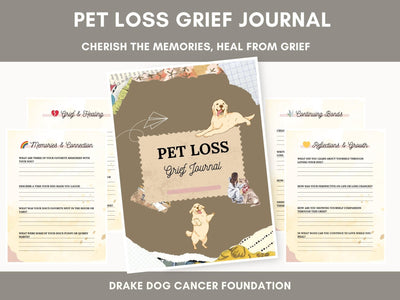
- Prepare for the Future: We know it’s hard to think about, but having a plan for the end of the journey allows you to focus on the middle. Our free grief journal is a beautiful way to start processing the love and the loss simultaneously.
A Note from Our Hearts to Yours
If you are reading this today because you just got bad news, take a second to look at your dog. They don't see a "cancer patient" when they look in the mirror. They see their hero. They see the person who provides the treats, the belly rubs, and the "good boys."
Your job isn't to be a scientist or a miracle worker. Your job is to be their advocate and their best friend.
It is okay to be scared.
It is okay to cry.
It is okay to ask for help.
We are here to walk beside you, providing the roadmaps and the hand-holding you need. This journey is tough, but your bond is tougher.
You’ve got this. And we’ve got you.
Want to stay updated on the latest research and support? Sign up for our newsletter and join a family of pet parents dedicated to making every day count.


