





The moment the vet says the word "cancer," the world suddenly goes quiet. You might see their lips moving, but the sound is muffled, as if you’ve been plunged underwater. That single piece of paper, the lab report, suddenly weighs a thousand pounds.
We know that feeling. At the Drake Dog Cancer Foundation, we’ve stood in those same sterile rooms, feeling that same heart-shattering vibration in our chests. It is a moment of profound vulnerability, but it is also the moment you become your dog’s most powerful advocate.
When you’re in shock, it’s hard to think straight, let alone remember what to ask. You might find yourself nodding along just to get through the appointment, only to get home and realize you have a hundred questions and no answers. That’s why we’ve put together this guide. These ten questions are designed to move you from a state of "why is this happening?" to "what are we doing next?"
You don’t have to have all the answers today. You just need to know which questions to ask.
1. How certain are we of this specific diagnosis?
Not all diagnoses are created equal. Sometimes a vet can tell from a simple Fine Needle Aspirate (FNA), but other times, the results are "inconclusive" or "suspicious for malignancy."
Ask your vet if this is a definitive diagnosis or a working hypothesis. If it's the latter, ask: “Does my pet need a biopsy to be sure?” A biopsy is the gold standard; it’s like moving from a blurry photo to a high-definition video. It tells us exactly what kind of "bad actor" we’re dealing with. If you're looking for more options before invasive procedures, you might even look into at-home cancer testing to gather more data.
2. What stage is the cancer, and what does that mean for us?
"Staging" is simply the process of finding out if the cancer is localized (in one spot) or if it has decided to travel to other parts of the body, like the lungs or lymph nodes.
Understanding the stage helps you manage your expectations. For example, Stage 5 Lymphoma sounds terrifying, and it is serious, but knowing the stage allows you to tailor your treatment specifically to your dog's current reality rather than fighting a ghost.
3. What is the primary goal of the recommended treatment?
This is perhaps the most important question for your heart. Is the goal curative (getting rid of the cancer entirely) or palliative (managing pain and maintaining quality of life for as long as possible)?
There is no wrong answer here, only the answer that is right for you and your dog. Some parents choose aggressive protocols, like the CHOP protocol for dogs, while others focus on comfort and dignity. Knowing the goal helps you align your decisions with your dog’s best interest.

4. What are the potential side effects vs. the benefits?
In human oncology, we often think of "fighting" as a grueling process of sickness. In veterinary oncology, the philosophy is different: we prioritize quality of life.
Ask your vet: “How will this treatment make my dog feel on a Tuesday afternoon?” If a treatment offers a 10% increase in survival time but a 50% chance of severe GI distress, you may decide the trade-off isn't worth it. We want more "good days," not just more days.
5. What are our options if we choose not to do "standard" treatment?
Sometimes, chemotherapy or radiation isn't the right path, whether due to cost, the dog’s age, or personal belief. Ask your vet about "metronomic" therapy (low-dose oral meds) or purely palliative care.
It is okay to ask: “What happens if we do nothing but manage pain?” Your vet should be able to walk you through the natural progression of the disease so you aren’t caught off guard by new symptoms later on.
6. How will this affect my dog’s diet and nutrition?
Cancer is a metabolic thief; it steals nutrients from your dog’s body to fuel its own growth. Standard kibble is often high in carbohydrates, which can unintentionally "feed" the tumor.
Ask your vet for specific nutritional guidance. Many of our community members find that shifting to a specialized diet makes a massive difference in energy levels. You can dive deeper into this with our guide on feeding a dog with cancer.

7. What is the "Median Survival Time", and can we beat it?
Vets often use statistics. They might say, "The median survival time for this cancer is six months."
Please remember: Your dog is not a statistic. A "median" means half the dogs lived less, but the other half lived longer. Ask your vet what factors could help your dog be an "outlier." Focus on the life in the days, not just the days in the life.
8. Who should be on our "Care Team"?
Your primary vet is your quarterback, but you might need specialists. Should you see a board-certified oncologist? A holistic vet for acupuncture? A nutritionist?
Building a "Support Squad" early on takes the pressure off you to be the expert. If you're feeling overwhelmed, joining a dog cancer community can provide the emotional scaffolding you need to keep standing.
9. What does "End of Life" look like for this specific cancer?
This is the hardest question to ask, and the one we often avoid. But knowing the signs of "the end" for your dog's specific type of cancer (e.g., breathing changes in lung cancer vs. mobility issues in bone cancer) allows you to make the final act of love: letting go: with clarity instead of crisis.
Understanding dog hospice care at home can help you create a peaceful environment when the time eventually comes. It allows you to focus on love, not logistics, in those final moments.
10. What is the very next step we need to take?
When you leave the office, you shouldn't feel like you're wandering in a fog. Ask for a literal checklist.
- Do I need to call the oncologist today?
- When is the next blood work?
- What symptoms should trigger an emergency call?
You Are Not Alone in This
Receiving this diagnosis feels like a door has slammed shut, but we are here to show you that there are other windows to open. You are doing an incredible job just by being here, searching for answers, and showing up for your best friend.
Take a deep breath. Write these questions down. Take a friend with you to the appointment to take notes so you can just focus on holding your dog’s paw.
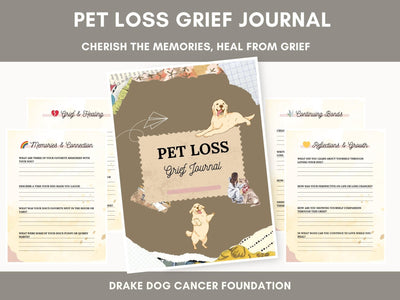
If the emotions feel like too much to carry, we’ve created a free grief journal for dogs to help you process the heavy stuff. It’s a safe place for your thoughts when the world feels too loud.
You’ve got this. And we’ve got you.

Want to stay informed and empowered? Sign up for our newsletter to get actionable advice, latest research, and stories of hope delivered straight to your inbox. We’re in this together.


