





The call ends, or maybe you're still sitting in the parking lot outside your veterinarian's office. You heard the word cancer, and everything after that felt blurry. You may be wondering whether you should move fast, whether treatment will make your dog miserable, or whether choosing less treatment means you're failing them.
You aren't failing your dog. You're being asked to make careful decisions in a hard moment.
A cancer diagnosis doesn't create just one path. It creates a set of choices. Some families pursue surgery or chemotherapy. Some choose radiation. Some combine treatments. Some focus on comfort from the beginning. Good care starts by getting clear on one question: What will give this individual dog the most good days?
If you need a simple place to steady yourself before the next appointment, the Dog Cancer Academy FAQ is a useful first stop. Then take a breath, gather your notes, and focus on the next decision, not every decision all at once.
Your Dog Has Cancer Now What
A common first scene looks like this. A family brings in a dog for a lump, a limp, coughing, or weight loss. They expect antibiotics, rest, maybe a minor procedure. Instead, they leave with pathology results, unfamiliar terms, and a list of referrals.
That shock is normal. So is the urge to ask, "What would you do if this were your dog?"
The most helpful answer usually isn't a single treatment recommendation. It's a framework. Before choosing among dog cancer treatment options, slow the conversation down and answer four basic questions:
- What exactly is it. The tumor type matters more than the word cancer by itself.
- Where is it and has it spread. A skin mass and a cancer already affecting multiple sites are different problems.
- What is the goal. Cure, remission, control, or comfort.
- How is your dog doing today. Appetite, mobility, sleep, anxiety, and joy matter as much as scan results.
Many families think they need to decide immediately. Most of the time, the better move is to understand the diagnosis well enough to choose on purpose.
A practical example helps. If a dog has a small skin tumor in a spot where a surgeon can remove it cleanly, the plan may be straightforward. If another dog has lymphoma, the discussion shifts toward treatment that works throughout the body, because surgery won't solve a disease that isn't confined to one place.
Your first job isn't to become an oncologist overnight. It's to become a clear observer of your own dog. Start noticing what still feels normal and what has changed. Can your dog settle comfortably, enjoy meals, greet you at the door, and do a favorite activity? Those details will guide every good decision that follows.
The Foundation of Canine Cancer Care
Most treatment plans still rest on three main tools. Think of them as remove, reduce, radiate. Each does a different job, and many dogs do best when these tools are combined.

Remove with surgery
Surgery is the most direct option. If the tumor is resectable, meaning it can be removed with adequate margins, surgery often gives the fastest local control. This is why surgery is frequently recommended for accessible solid tumors.
What owners should expect depends on location. A small skin mass may be an outpatient procedure. A tumor involving the mouth, limb, abdomen, or chest can mean more planning, more imaging, and a longer recovery. The question isn't only whether the surgeon can remove the mass. It's whether they can remove enough surrounding tissue to reduce the chance of leaving cancer cells behind.
A real-world example is a contained skin tumor that can be removed before it causes pain, ulceration, or interference with movement. In that setting, surgery may be the main treatment. In other cases, surgery is only the first step.
Reduce with chemotherapy
Chemotherapy treats cancer cells that may be circulating or present in multiple locations. It is systemic treatment. That makes it especially useful when the disease isn't just one lump in one place.
Lymphoma is the clearest example. If a dog has enlarged lymph nodes throughout the body, surgery won't address the overall problem. Chemotherapy can.
Many families worry that chemotherapy in dogs will look like chemotherapy in people. In veterinary medicine, the usual approach is different. The aim is to control cancer while preserving daily comfort. Some dogs have stomach upset, low energy, or other side effects, but the plan is generally built around quality of life, not maximum intensity at any cost.
For a plain-language overview of how these options fit together, this guide on breaking down dog cancer treatments is helpful to review before or after your oncology visit.
Radiate with focused local therapy
Radiation therapy is local treatment, but it solves a different problem than surgery. It can shrink tumors that can't be cleanly removed, and it can help eliminate microscopic disease left behind after surgery. The Merck Veterinary Manual overview of cancer treatment in animals notes that treatment choice is driven by tumor biology and location, that surgery is most effective for resectable tumors, and that radiation helps eradicate microscopic residual disease. It also notes that these therapies are often combined to improve remission probability while preserving quality of life.
Radiation usually involves repeated visits. Dogs commonly need anesthesia so they can stay perfectly still for accurate treatment. That detail matters. Good targeting helps protect normal tissues.
Practical rule: Ask your oncologist what each treatment is trying to accomplish. Is it removing all visible disease, controlling spread, shrinking a painful mass, or cleaning up what surgery may have left behind?
What works and what usually doesn't
A useful shortcut is this:
| Situation | Often works well | Usually doesn't work well alone |
|---|---|---|
| Single removable tumor | Surgery | Waiting too long if the mass is growing or ulcerating |
| Cancer affecting multiple sites | Chemotherapy | Surgery as the only treatment |
| Tumor in a hard-to-operate location or residual disease after surgery | Radiation therapy | Assuming medication alone can achieve the same local control |
The mistake I see most often is not choosing the "wrong" treatment. It's choosing a treatment without being clear on the target. A plan makes sense only when the treatment matches the biology of the cancer and the life your dog is still able to enjoy.
Emerging and Targeted Cancer Therapies
The most important shift in oncology isn't just that there are more dog cancer treatment options. It's that some of them are becoming more precise. Instead of treating every cancer the same way, oncologists increasingly ask whether a tumor has features that make it responsive to a targeted drug, a local injectable therapy, or an immune-based approach.
Why newer options matter
Traditional treatments are still essential, but they have limits. Some tumors resist standard protocols. Some dogs can't tolerate a more intensive plan because of age, concurrent disease, or where the cancer is located. That's where targeted and immunologic strategies start to matter.
One practical example is Tanovea® (rabacfosadine) for canine lymphoma. Clinical studies cited in this overview of surgery, chemotherapy, radiation, and targeted therapy reported positive responses in 73–87% of dogs with lymphoma, including treatment-naive and refractory cases. The same source reports that Stelfonta for non-metastatic canine mast cell tumors produced complete responses in 75% of dogs after a single dose, with most treated sites healing within 6 weeks.
Those numbers don't mean every dog is a candidate. They do show that "newer therapy" is not just marketing language. In some cancers, it means a real tool with a clear use case.
Immunotherapy is moving from idea to access
Immunotherapy is the next chapter many families ask about, and for good reason. Instead of directly attacking tumor cells in the old way, these approaches try to help the immune system recognize and respond to cancer.
The clearest milestone is commercial and regulatory progress. A Grand View Research report on the U.S. veterinary oncology market states that the market was valued at USD 722.86 million in 2024 and is projected to grow at a 12.58% CAGR from 2025 to 2030. The same report notes that in March 2025, the USDA approved ELIAS Animal Health's ECI, described as the first adoptive cell therapy approved for canine osteosarcoma, and that it became available at more than 100 authorized treatment centers in the U.S.
That matters because it tells families something practical. Some advanced therapies are no longer confined to theory or a tiny research niche. They are entering real clinical pathways.
If immunotherapy is part of your discussion, this article on immunotherapy for cancer in dogs can help you prepare smarter questions for your veterinarian.
The right question to ask
Don't ask only, "What's the newest treatment?" Ask:
- Is it approved or still investigational
- What cancer types is it used for
- Is my dog eligible now, or only after another step such as surgery
- What outcome are we aiming for, local control, remission, or added time with good function
Newer isn't automatically better. But when a tumor fits the treatment, newer options can widen the path forward.
The Role of Integrative and Nutritional Support
Cancer care isn't only about shrinking tumors. It's also about helping a dog eat, rest, move, and feel like themselves during treatment. Supportive care does real work here. It can make conventional treatment more tolerable, and in comfort-focused plans it can become the backbone of day-to-day care.

Support the patient, not just the diagnosis
A dog on chemotherapy may struggle most with nausea, poor appetite, changes in stool, or fatigue. A dog with bone pain may need help getting up, walking safely, and sleeping comfortably. If those symptoms are ignored, even a technically effective cancer plan can feel like the wrong plan.
Nutrition, acupuncture, massage, physical support, and carefully selected supplements can help. Not as replacements for indicated medical treatment, but as ways to preserve function and comfort.
A practical example is the dog whose appetite falls off after treatment days. Instead of waiting until weight loss becomes obvious, build a support plan early. Ask about meal timing, highly palatable foods, anti-nausea support, and whether acupuncture might help with appetite and comfort.
What tends to help in real life
Supportive care works best when it's specific.
- Nutrition with a purpose: Feed what your dog will consistently eat, then refine from there. If you want ideas for improving food quality without making things complicated, these healthy dog diet tips offer practical food-based options to discuss with your veterinary team.
- Acupuncture for symptom relief: Some dogs appear more comfortable, less anxious, or more willing to eat when acupuncture is added to the plan.
- Supplement review: Don't add products casually. Ask your veterinarian to review every supplement, mushroom blend, oil, powder, or herb you're considering so it fits safely with medications and treatment goals.
- Mobility adjustments at home: Rugs for traction, ramps, raised bowls, and a quieter rest space can make an immediate difference.
Supportive care often changes the day more than the scan.
For owners who want a structured approach to food during cancer care, feeding your dog with cancer is a useful educational resource. If you're tracking appetite, stools, energy, and willingness to interact, you'll have much better data for your next veterinary visit.
What doesn't help
The most common misstep is chasing every "anti-cancer" supplement online while the dog is eating poorly, losing strength, and feeling miserable. A smaller number of well-chosen supports, tied to actual symptoms, usually helps more than a crowded cabinet of products.
When the Goal is Comfort Palliative and Hospice Care
Some of the kindest medicine in oncology has nothing to do with cure. It has to do with relief.

Palliative care is active care
Families sometimes hear "palliative" and think it means no treatment. That's not what it means. Palliative care means the treatment goal is comfort. That can include pain medication, anti-nausea drugs, appetite support, mobility aids, nursing care at home, and sometimes even procedures or radiation if they reduce suffering.
The important shift is this. You stop asking, "How much treatment can we do?" and start asking, "What care gives this dog the best days possible?"
The Pet Health Network discussion of treatment options during a dog's cancer fight makes an important point that many cancer discussions miss. When cure is unlikely, the decision depends on balancing treatment goals, and palliative radiation may be used for pain relief rather than cure. More treatment isn't always better. A lower-intensity plan focused on quality of life is often the right choice.
What this can look like at home
A comfort-focused plan may include:
- Pain control: Medications adjusted often enough that your dog can rest, stand, and walk without obvious distress.
- Nausea and appetite support: Helping a dog want food matters. Eating is comfort.
- Environmental changes: Soft bedding, easy access to water, help on stairs, and a routine that avoids exhausting them.
- Joy protection: Short sniff walks, car rides, favorite visitors, sunshine on the porch, or lying near the family.
Hospice is narrower. It usually means end-of-life comfort care when the disease is progressing and the focus is no longer on trying to slow it. The work is still active and loving. You monitor breathing, pain, sleep, disorientation, and whether your dog is still having enough meaningful moments.
Later in the journey, many families also need support for themselves. This El Paso guidance for dog bereavement can be a gentle resource when grief starts before the goodbye.
A short educational video can also help when these conversations feel hard to start.
Choosing comfort is not the absence of care. It's a decision about what kind of care matters most now.
Making the Best Decision for Your Dog
A family often arrives at this point after a long week of tests, phone calls, and hard choices. They want to know the right answer. In many cases, there is more than one reasonable plan, and the best decision is the one that gives your dog the most good time at a cost your dog and your family can carry.

The Morris Animal Foundation article on cancer treatment options for pets explains why these choices can feel so complicated. Cancer is common in older dogs, and veterinary oncology now offers more ways to treat it than many families expect. That is good news. It also means decision-making needs structure, not panic.
I encourage families to weigh four factors together.
The four pillars
The cancer
Start with the disease itself. What type of cancer is it? Has it stayed in one area, or is it affecting the whole body? Is surgery realistic? Is there a treatment that usually matches this cancer well?
Those answers matter because "doing everything" is not always the same as choosing wisely. A small, removable mast cell tumor and osteosarcoma may both carry the word cancer, but they call for very different conversations about benefit, burden, and likely outcome.
The dog
Your dog provides the full context. Age matters, but so do mobility, appetite, kidney function, heart disease, anxiety in the car, and how a dog handles repeated hospital visits.
Some dogs tolerate treatment very well and keep enjoying their usual routine. Others show you early that frequent appointments, restraint, nausea, or soreness are too much. That response should shape the plan.
The family
A treatment plan has to work in ordinary life, not just in a consult room. Cost, transportation, work schedules, comfort with medications at home, and emotional stamina all affect whether a plan is sustainable.
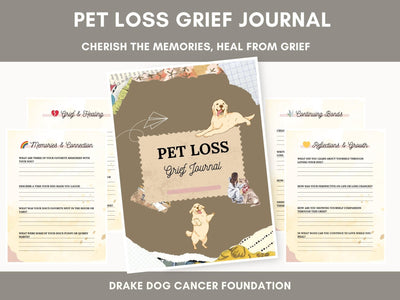
Recordkeeping can make this part more manageable. The publisher, Drake Dog Cancer Foundation & Academy, offers educational resources including a Quality of Life Guide and a Dog Cancer Journal. A journal helps families track symptoms, medications, appetite, mobility, and questions between appointments so decisions are based on patterns, not memory.
Quality of life
This is the anchor for all the other pillars. Extra time only helps if that time still feels like your dog.
I tell families to look for the things that make their dog recognizable to them. Interest in food. Resting comfortably. Greeting family members. Wanting a short walk, a toy, a spot in the sun. If a plan adds days but steadily takes those things away, it is time to reassess.
Questions that make decisions clearer
Bring these to your next visit:
- Best-case, worst-case, and most likely outcome: Ask for all three.
- Goal of treatment: Is this plan aimed at cure, remission, control, or comfort?
- Burden of treatment: How often are visits, what happens on treatment days, and what side effects should trigger a call?
- Plan B: If this does not work or is not tolerated, what comes next?
- No-treatment option: What would supportive care alone look like right now?
Decision shortcut: If two plans offer similar medical benefit, choose the one your dog is more likely to tolerate and your family can carry through steadily.
A simple weekly check-in
A short review at home often brings more clarity than families expect.
| Question | Your notes |
|---|---|
| Did my dog eat willingly most days? | |
| Could my dog rest comfortably? | |
| Did my dog enjoy at least one normal favorite activity? | |
| Did the treatment week feel manageable for my dog and my family? | |
| Were there more good days than hard days? |
That last question often brings the answer into focus.
Your Next Steps and Finding a Support Team
When families feel overwhelmed, I suggest they stop trying to solve the whole month and focus on the next few actions.
Start with these steps
- Get the records together. Ask for pathology, cytology, imaging reports, bloodwork, and the visit summary. Keep everything in one folder.
- Book an oncology consultation. A board-certified veterinary oncologist can help separate urgent decisions from decisions that can wait.
- Write down your goals before the appointment. For some families it's survival time. For others it's comfort, staying at home, or avoiding intensive hospitalization.
- Track your dog's daily pattern. Appetite, bathroom habits, sleep, pain signs, mobility, and joy are easy to forget if they aren't written down.
- Bring a second person if you can. One person listens. The other takes notes.
- Ask for the plain-language version. If a recommendation is full of medical terms, ask what it means for your dog's normal day.
- Get a second opinion when you're unsure. That's not disloyal. It's responsible.
Build a team, not just a treatment plan
Good cancer care often includes your primary veterinarian, an oncologist, family members, and sometimes a rehab practitioner, palliative care veterinarian, or grief counselor. The strongest plans are medically sound and emotionally realistic.
If you need support outside the exam room, look for communities and tools that help you track symptoms, prepare for appointments, and stay grounded when decisions get heavy. You don't need to carry every question alone, and you don't need to pretend every day is fine when it isn't.
The right next step is usually small. Make the call. Gather the records. Write down today's changes. Then make the next decision from a steadier place.
If you want practical education and support while you go through this journey, Drake Dog Cancer Foundation & Academy offers resources for pet parents, including guidance on quality of life, nutrition, journaling, FAQs, and community support so you can make informed, loving decisions one step at a time.

