




The moment the vet delivers a cancer diagnosis, the world goes quiet. It’s as if the air in the room has suddenly turned to lead, making every breath feel heavy and every thought feel like it’s moving through molasses. You look down at your best friend, who is likely wagging their tail, oblivious to the storm, and you feel a fierce, protective love that is both a gift and a burden.
Suddenly, you are thrust into a world of "protocols," "staging," and "prognoses." You’re told about chemotherapy, radiation, and surgery. But then, you go home, you open your laptop, and you see a different world: medicinal mushrooms, cannabis oil, and raw diets.
You find yourself standing at a crossroads. One path feels clinical, cold, and "standard." The other feels hopeful, natural, but perhaps a bit like the "Wild West."
Here is the truth we’ve learned through our own journeys at the Drake Dog Cancer Foundation: You don’t have to choose a side.
Integrative oncology is the bridge between these two worlds. It is the practice of combining the best of conventional medicine with the most effective holistic dog cancer treatment strategies. It’s about fighting the cancer with everything we’ve got, while simultaneously nourishing the soul and the body of the dog we love.
The "Bridge" Philosophy: What is Integrative Oncology?
In the medical world, "conventional" treatments like chemotherapy are the heavy artillery. They are designed to hunt down and destroy rapidly dividing cells. They are powerful, proven, and often necessary. However, they can also be taxing on the body.
"Holistic" care, on the other hand, focuses on the "whole" dog. It looks at the immune system, the gut microbiome, the inflammatory response, and the emotional well-being of the patient.
Integrative oncology is where these two philosophies meet. It isn’t "alternative" medicine, which seeks to replace conventional care. Instead, it is "complementary" care. We use the conventional tools to shrink the tumor, and we use holistic dog cancer treatment tools to support the liver, boost the immune system, and keep that tail wagging.
Think of it like this: If your dog’s body is a fortress under attack, conventional medicine provides the soldiers to fight the invaders at the gates. Holistic care provides the food, the rest, and the reinforcements that keep the fortress standing and the soldiers strong.

The Conventional Foundation: Surgery, Chemo, and Radiation
We always advocate for a diagnosis from a board-certified veterinary oncologist when possible. Knowing exactly what we are fighting, whether it’s B-Cell or T-Cell Lymphoma or a soft tissue sarcoma, is the first step in creating a roadmap.
Conventional treatments are excellent at "de-bulking" or reducing the immediate threat.
- Surgery: The most direct way to remove a primary tumor.
- Chemotherapy: The "intelligence officers" and "soldiers" that travel through the blood to find hidden cancer cells.
- Radiation: Targeted strikes for localized areas where surgery isn't possible.
While these terms can sound terrifying, modern veterinary oncology is vastly different from human oncology. The goal is rarely "cure at any cost." Instead, the goal is "remission with high quality of life." Dogs don't lose their hair and spend months in bed the way humans often do. They are resilient.
The Holistic Support: Strengthening the Host
While the oncologist focuses on the cancer, our job, as pet parents and holistic advocates, is to focus on the dog. This is where holistic dog cancer treatment shines. We want to make the body a place where cancer finds it very difficult to thrive.
1. Medicinal Mushrooms (The Immune Modulators)
Turkey Tail, Reishi, and Maitake mushrooms are some of the most researched supplements in integrative oncology. Turkey Tail, specifically, contains Polysaccharide-K (PSK), which has been shown in studies to significantly extend survival times in dogs with hemangiosarcoma. They act as "training camps" for the immune system, helping it recognize and attack abnormal cells.
2. Cannabis and Rick Simpson Oil (RSO)
Cannabis (CBD and targeted amounts of THC) is a cornerstone of many holistic protocols. It isn't just about "getting the dog high", in fact, that's exactly what we avoid. It’s about utilizing the endocannabinoid system to manage pain, reduce inflammation, and stimulate appetite. For many, it provides the "dignity" in the treatment process, allowing a dog to feel like themselves even while undergoing tough protocols.
3. Nutrition: Feeding the Dog, Not the Cancer
Cancer cells love sugar. They thrive on simple carbohydrates. One of the most powerful things you can do at home is change what goes into the bowl. We often recommend a high-protein, high-fat, low-carb diet. By starving the cancer of its favorite fuel source, we give the body a fighting chance. You can learn more about our specific approach to feeding a dog with cancer here.

The Importance of Safety: The "No-Conflict" Zone
This is the most critical part of integrative care: Communication.
Not all supplements play well with conventional drugs. For example, some high-dose antioxidants can actually interfere with radiation or certain types of chemotherapy. Radiation works by creating oxidative stress to kill cancer cells; if you flood the body with powerful antioxidants at the exact same time, you might accidentally "protect" the cancer cells from the treatment.
Always tell your oncologist about every supplement you are using. A "we-centered" approach means your vet, your holistic practitioner, and you are all on the same team. If your vet is dismissive of holistic options, it’s okay to seek a second opinion or find an integrative vet who understands the value of both worlds.
Quality of Life: The North Star
In the world of integrative oncology, "Quality of Life" (QoL) is our North Star. It is the metric that matters more than any blood test or X-ray.
We often talk about the HHHHMM Scale (Hurt, Hunger, Hydration, Hygiene, Happiness, Mobility, and More Good Days than Bad). This helps us stay grounded. If a treatment, whether conventional or holistic, is causing more suffering than the disease itself, we have to be brave enough to pivot.
Is the tail wagging? Is he still excited about breakfast? Does she still want to bark at the mailman?
These small moments are the currency of a life well-lived. Whether you are managing stage 5 lymphoma or a slow-growing tumor, the goal is to keep those "good days" coming for as long as possible.

Handling the Emotional Weight
Being a "cancer parent" is exhausting. It is a journey of anticipatory grief, where every cough or limp feels like a catastrophe. You are likely experiencing a level of stress that feels like a physical weight on your chest.
Please remember: You are doing enough.
Whether you choose a full CHOP protocol or a purely holistic path, your decisions are rooted in love. There is no "perfect" way to navigate this. There is only the way that honors your dog and your bond.
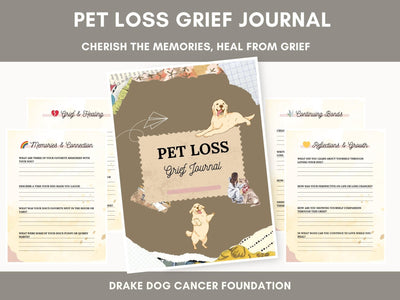
If you find yourself struggling with the weight of these decisions, we have resources to help you process the emotional side of this journey, including a free grief journal to help you navigate the complex feelings that come with a diagnosis.
A Realistic but Hopeful Outlook
We see "outliers" every single day. We see dogs who were given "two months" who are still chasing squirrels two years later. We see the power of a combined approach: where the precision of Western medicine meets the wisdom of nature.
Integrative oncology isn't about a "miracle cure." It’s about a comprehensive strategy. It’s about taking control of what we can: the food, the supplements, the environment: and trusting the experts with the rest.
If you are just starting this journey, breathe. Your dog is right here, right now. They aren't worried about next month; they are worried about whether they’re going to get a piece of that sandwich you’re eating. Take a cue from them. Be in the moment.
Your Next Steps
- Find your team: Look for an integrative vet or an oncologist willing to work with supplements.
- Audit the bowl: Transition to a cancer-supportive diet.
- Join the community: You don’t have to do this alone. Join our Dog Cancer Community to connect with others who truly "get it."
- Trust your gut: You know your dog better than any doctor ever will. If something feels wrong, speak up. If something feels right, pursue it.
This path is steep, but you are not climbing it alone. We are here to provide the map, the tools, and the hand to hold when the trail gets rocky.
You’ve got this. And we’ve got you.
For more information on specific protocols and holistic options, visit our full blog or explore our at-home testing options for early detection.


