





The world has suddenly gone quiet. You’re sitting on the floor, your hand resting on your dog’s flank, and for a split second, the air in the room feels heavy, like you’re trying to breathe underwater. You felt something. A small bump? A slight change in texture? Suddenly, a piece of paper, the one you were going to use to jot down grocery notes, weighs a thousand pounds.
We know that feeling. At the Drake Dog Cancer Foundation, we aren't just experts in white coats; we are fellow travelers on this dusty, sometimes heartbreaking, but always love-filled road. We’ve felt that same lump. We’ve stayed up until 3:00 AM staring at a sleeping dog, wondering if their breathing is just a little too shallow.
Checking for cancer isn't just a medical chore; it’s an act of deep, protective love. But because we love them so much, our brains often try to protect us by making us overlook the small things. Today, let’s walk through the most common mistakes pet parents make when looking for signs of cancer, and how we can turn "worry" into "proactive care."
Mistake 1: The "Old Age" Assumption
Perhaps the most common mistake we see is attributing a change in behavior to "just getting older." We see our seniors move a little slower, sleep a little longer, or hesitate at the stairs, and we tell ourselves, “Well, he is ten now. I’d be slow, too.”
But age is not a disease. While a natural slowing down happens, sudden or progressive lethargy is often the body’s way of rerouting energy to fight an internal battle. When cancer cells begin to multiply, they act like tiny energy thieves, stealing the fuel your dog needs for their morning walk or their favorite game of tug-of-war.
If your dog is choosing to skip meals or isn't greeting you at the door with the same "wiggle-butt" energy, don't just chalk it up to the calendar. It might be time to look deeper.
Mistake 2: Only Checking for "Lumps and Bumps"
We’ve been conditioned to think that cancer always looks like a visible tumor. While skin masses are common, many of the most aggressive cancers are "invisible" from the outside.

For example, lymphoma often starts in the lymph nodes. Think of your dog’s immune system like a high-stakes security operation. In this world, B-cells are the intelligence officers, they identify the intruders and mark them. T-cells are the soldiers, they move in to neutralize the threat. When these "officers" or "soldiers" become the problem themselves, it’s often felt as a swelling in areas you might not normally pet.
Commonly missed lymph node locations include:
- Under the jaw (where the jaw meets the neck).
- In front of the shoulder blades.
- The "armpit" area.
- The back of the knees.
Is that a muscle, or is it a node? If it feels like a firm pea or a grape and it’s on both sides, it’s worth a professional look.
Mistake 3: Ignoring the "Subtle" Digestive Shifts
We often wait for "big" signs like vomiting or dramatic weight loss. But cancer is frequently a master of subtlety. A slight shift in appetite, perhaps they are just "picky" all of a sudden, can be a red flag.
If you find yourself constantly adding toppers, broth, or "human food" just to get them to eat their regular kibble, your dog might be telling you that their stomach feels off. Inflammation caused by internal tumors can lead to a general sense of nausea.

When it comes to feeding a dog with cancer, nutrition becomes our primary tool for maintaining quality of life. But before we can fix the diet, we have to acknowledge that the "pickiness" might actually be a symptom.
Mistake 4: The "Wait and See" Approach
We get it. The vet is expensive, and the fear of bad news is paralyzing. It is so easy to see a small sore on a paw and think, “I’ll give it a week. Maybe he just scraped it.”
In the world of oncology, time is our most precious resource. Unlike a standard scrape, cancerous sores often don't heal, or they heal and then immediately reappear. These "non-healing wounds" are often ignored because they don't seem to cause the dog pain.
The Golden Rule: If a lump is the size of a pea and has been there for a month, or if any skin abnormality is growing or changing color, get it aspirated. A simple needle biopsy is a small price to pay for the peace of mind that comes with early detection.
Mistake 5: Dismissing the "Smell" or the "Cough"
Our dogs' breath isn't always "minty fresh," but a sudden, foul odor that makes you wrinkle your nose can be a sign of oral tumors. Similarly, a persistent, dry cough is often dismissed as "kennel cough" or "allergies."
However, since dogs don't get the common cold the way we do, a chronic cough can sometimes indicate that something is pressing against the airway or that a process is happening within the lungs. If your dog huffs or coughs after a big drink of water or a short run, and it doesn't clear up in a few days, it’s a sign that warrants an X-ray.
How to Perform a "Love Check" (The Monthly Body Scan)
We want to move away from "checking for sickness" and move toward "checking for health." We call this the Love Check. Once a month, sit down with your dog in a quiet space. Use your flat palms to slowly stroke their entire body.
- Start at the nose: Check the gums (they should be bubblegum pink).
- Move to the ears and neck: Feel for those "intelligence officer" nodes under the jaw.
- Run down the legs: Feel for any heat, swelling, or firm spots behind the knees.
- The Belly: Gently press the abdomen. It should feel soft, like dough. If your dog tenses up or "splints" their stomach, they might be in discomfort.
- The Tail and Toes: Don't forget the spaces between the pads!

This isn't just a medical exam; it’s a moment of connection. It’s you telling your dog, “I’ve got you. I’m looking out for you.”
Facing the "What If" with Dignity
If you do find something, your mind will immediately race to the finish line. You might start thinking about "The End" before you've even had a beginning. Stop. Breathe.
Even if the news is difficult, whether it’s a Stage 5 diagnosis or a more manageable growth, knowledge is power. Being an "outlier" isn't just about luck; it’s about taking proactive steps to support your dog’s quality of life through nutrition, supplementation, and most importantly, joy.
We are firm believers that a diagnosis is not a death sentence; it is a change in the weather. You might need an umbrella, and the path might get a little muddy, but the walk continues.
You Are Not Walking This Path Alone
The weight of responsibility can feel crushing. You are the advocate, the nurse, and the best friend all wrapped into one. If you find yourself overwhelmed by the "what-ifs," or if you are navigating the heavy fog of a recent diagnosis, please know there is a place for you.
Our Dog Cancer Community is filled with people who "get it." They know the specific sound of a dog sighing in their sleep and the specific ache of a vet office waiting room.
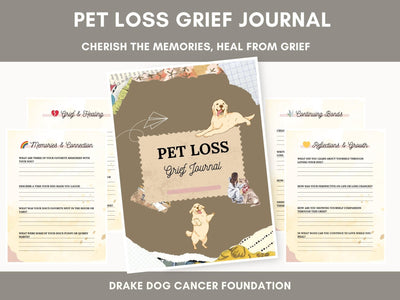
And for those of you who are currently in the thick of the emotional battle, we offer resources like our Free Grief Journal to help you process the complex emotions that come with caregiving.
Final Thoughts for the Heart-Led Pet Parent
Mistakes happen. We are human. We get busy, we get tired, and we get scared. If you realized while reading this that you’ve been ignoring a "slow" dog or a "picky" eater, do not wrap yourself in guilt. Guilt is a heavy coat that prevents you from moving forward.
Instead, take that hand that was resting on their flank and use it to book an appointment. Use it to feed them a high-quality meal. Use it to give them a scratch in that perfect spot behind the ears.
You’ve got this. And we’ve got you.
Everything we do is fueled by the bond you share with your dog. For more guides on navigating the complexities of pet health: from understanding CBD as an antioxidant to identifying hidden toxins in treats: we are here to be your gentle guide through the science and the soul of dog cancer care.


