





We know that heavy feeling in your chest. The one that tighterns when you look into your dog’s eyes and realize just how much of your heart they hold. It’s a love that is pure, unconditional, and, if we’re honest, a little bit scary. Because when we love something this much, we want to protect it with everything we have.
At the Drake Dog Cancer Foundation, we’ve walked this path. We’ve felt the fear of the "what-ifs." But we’ve also discovered something powerful: hope isn’t just a feeling. Hope is an action.
When it comes to canine cancer, we often feel like we’re waiting for a lightning strike we can't control. But the emerging science of functional wellness tells a different story. While we can’t control genetics or every stray cell, we can influence the environment in which those cells live.
This is about proactive prevention. It’s about building a fortress around your dog’s health using a "whole dog" approach. We’re in this together, and we’re here to provide the tools you need to help your best friend thrive.
The Foundation: A Gut-First Approach to Wellness
Health begins in the gut. We’ve heard it for humans, and it’s arguably even more vital for our dogs. The gut microbiome is home to about 70% to 80% of your dog’s immune system. It’s not just where they digest their kibble; it’s the training ground for the cells that hunt down and destroy "bad" cells.
A diverse, balanced microbiome produces anti-inflammatory compounds that act as a natural defense system. When the gut is out of balance, a state called dysbiosis, it can lead to chronic inflammation. We know now that chronic inflammation is a primary driver of many canine cancers, including lymphoma and mast cell tumors.
How to Support the Microbiome:
- Embrace Whole Foods: If you can, move away from highly processed "burnt" brown pellets. High-heat processing (extrusion) can create heterocyclic amines, which are known carcinogens. Even adding a small amount of fresh, lightly cooked greens or lean proteins to their bowl can make a massive difference.
- Watch the Omega Ratio: Aim for a diet rich in Omega-3 fatty acids. Most commercial foods are too high in Omega-6, which can promote inflammation. A ratio of around 5:1 or 6:1 is the "sweet spot" for reducing risk.
- Fiber is Life: Prebiotic fibers from steamed broccoli, dandelion greens, or mushrooms feed the good bacteria that keep the gut wall strong.

Creating a Sanctuary: Reducing Environmental Toxins
We think of our homes as safe havens, but for a dog, the world is much "closer" than it is for us. They breathe closer to the floor, they lick their paws after walking outside, and they don't wear shoes to protect them from chemicals.
Environmental stressors are a significant contributor to the rising rates of cancer in our pets. But don't let that overwhelm you, think of it as an opportunity to create a cleaner, safer sanctuary for your whole family.
The "Big Three" Toxins to Tackle:
- Lawn Chemicals: Pesticides and herbicides (like those containing glyphosate) have been strongly linked to canine lymphoma. If you treat your lawn, switch to organic alternatives. If you walk in public parks, be sure to wash your dog’s paws the moment you get home. It’s a simple ritual that can save lives.
- Household Cleaners: Traditional floor cleaners and laundry detergents often contain endocrine disruptors and "forever chemicals" (PFAS). Consider switching to vinegar, baking soda, or vet-approved non-toxic cleaners. If you wouldn't feel safe with your dog licking the floor right after you cleaned it, it might be time for a change.
- Secondhand Smoke & Microplastics: Dogs are incredibly sensitive to air quality. Avoid smoking around them, and try to swap out plastic water bowls for stainless steel or ceramic to reduce their exposure to microplastics and BPA.
You can find more guidance on building a safe environment in our Puppy Parents collection, which focuses on starting these healthy habits from day one.
The Shield: Boosting the Immune System Functionally
We don't just want to avoid the bad stuff; we want to invite the good stuff in. Functional wellness is about giving the body the "intelligence" it needs to stay healthy. This is where evidence-based herbal support and "superfoods" come into play.
One of the most researched tools in our kit is the use of functional mushrooms. Varieties like Turkey Tail and Reishi contain beta-glucans, which are essentially "gym equipment" for the immune system. They help the body recognize abnormal cells more efficiently.

We are passionate about herbal products for dogs because they represent a bridge between nature and science. When we use these tools, we aren't just crossing our fingers; we are providing molecular support for our dogs' cellular health.
Weight, Movement, and the Inflammation Connection
It’s a hard truth to hear, but keeping our dogs lean is one of the most effective ways to prevent cancer. Fat tissue isn't just "extra luggage", it’s metabolically active. It produces inflammatory cytokines that keep the body in a constant state of low-grade stress.
By maintaining an ideal body weight, we significantly reduce the "fuel" that many cancers need to grow.
- Gentle Movement: Regular exercise helps regulate hormones and improves lymphatic drainage, which is the body’s "trash removal" system.
- The "Rib Check": You should be able to feel your dog’s ribs easily without a thick layer of fat over them. If you're struggling with weight management, our dog health and wellness resources offer tips on portion control and functional movement.
Mindful Choices: Stress and Hormones
We often forget that our dogs are emotional sponges. Chronic stress increases cortisol, which suppresses the immune system. A happy dog is, quite literally, a healthier dog. Ensuring they get quality sleep, where their bodies produce melatonin, a natural antioxidant, is a vital part of the prevention puzzle.
There is also an ongoing conversation about the timing of spaying and neutering. While these are important for population control, hormones like estrogen and testosterone play a role in protecting against certain aggressive cancers (like osteosarcoma or hemangiosarcoma) in specific breeds. We always recommend a heartfelt conversation with your vet to weigh the risks and benefits based on your dog's specific breed and lifestyle.

The Power of the "Watchful Eye"
Prevention is the goal, but early detection is our strongest backup plan. We encourage every pet parent to perform a "Monthly Wellness Touch."
Sit down with your dog when they are relaxed. Run your hands over their entire body. Feel for new lumps, notice any changes in skin color, and check their mouth. You know your dog better than anyone else in the world. If something feels "off", trust that intuition.
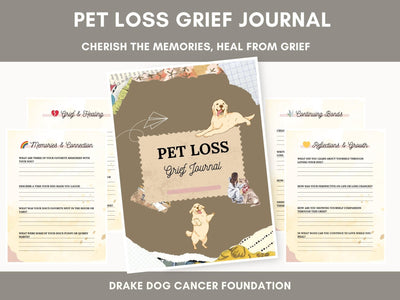
Keeping a record of these checks can be incredibly helpful for your vet. We’ve found that using specialized dog cancer journals helps parents move from a state of panic to a state of organized advocacy.
A Shared Journey
We know this is a lot to take in. It can feel daunting to realize how many factors affect our dogs' health. But please, take a deep breath. You don't have to change everything today.
Start with one thing. Maybe it’s adding a scoop of steamed greens to their dinner. Maybe it’s switching to a non-toxic floor cleaner. Every small step is a "lifeline" you are throwing to your best friend.
At the Drake Dog Cancer Foundation, we believe in a world where we spend more time celebrating our dogs' lives and less time fighting their illnesses. We are more than a foundation; we are a community of people who believe that our dogs deserve the very best of us.
Whether you are looking for functional wellness advice or just a bit of comfort during a stressful time, we’re here for you. Because they’re family. And family looks out for each other.
Stay hopeful. Stay proactive. We’ve got your back.


