





That word. It’s the one no pet parent ever wants to hear.
When the vet says "cancer," the world seems to tilt on its axis. We know that feeling of the floor falling out from under you. We’ve been there, and we understand the frantic urge to search for answers, to find a "cure," and to do anything to save your best friend.
If you are looking for a dog cancer survival guide, you are likely in a state of high-stress research. You want a lifeline. You want a plan. At the Drake Dog Cancer Foundation, we believe that while a diagnosis is heavy, you don’t have to carry it alone. We are your partners in this journey, blending heartfelt compassion with evidence-based, research-driven guidance.
Before you dive into the deep end of treatment protocols and clinical trials, here are 10 foundational things you should know first. We’re here for you.
1. Take a Breath Before You Take Action
The moment you hear the diagnosis, your "fight or flight" response kicks in. You might feel like you need to make every decision within the next hour.
Please, take a breath.
While some cancers are aggressive, most give you a window of time, a few days or even a week, to process your emotions and gather information. Rushing into a major surgery or chemotherapy treatment while in a state of panic can lead to regret later. We advocate for a "pause and pivot" approach. Give yourself permission to cry, to sit on the floor with your dog, and to just be before you become a medical researcher. We’re here to help you find that calm center.
2. Evidence-Based Hope is Your Best Tool
There is a lot of "snake oil" on the internet. In your desperation, you might find websites promising 100% cure rates with unverified supplements.
We believe in evidence-based strategies. This means we look at what science actually says, vetted, PhD-led research that shows what helps and what doesn't. Hope is a powerful medicine, but it’s most effective when it’s rooted in reality. We focus on treatments that optimize your dog’s quality of life and longevity based on data, not just anecdotes.
3. The "Full Spectrum" Approach is Key
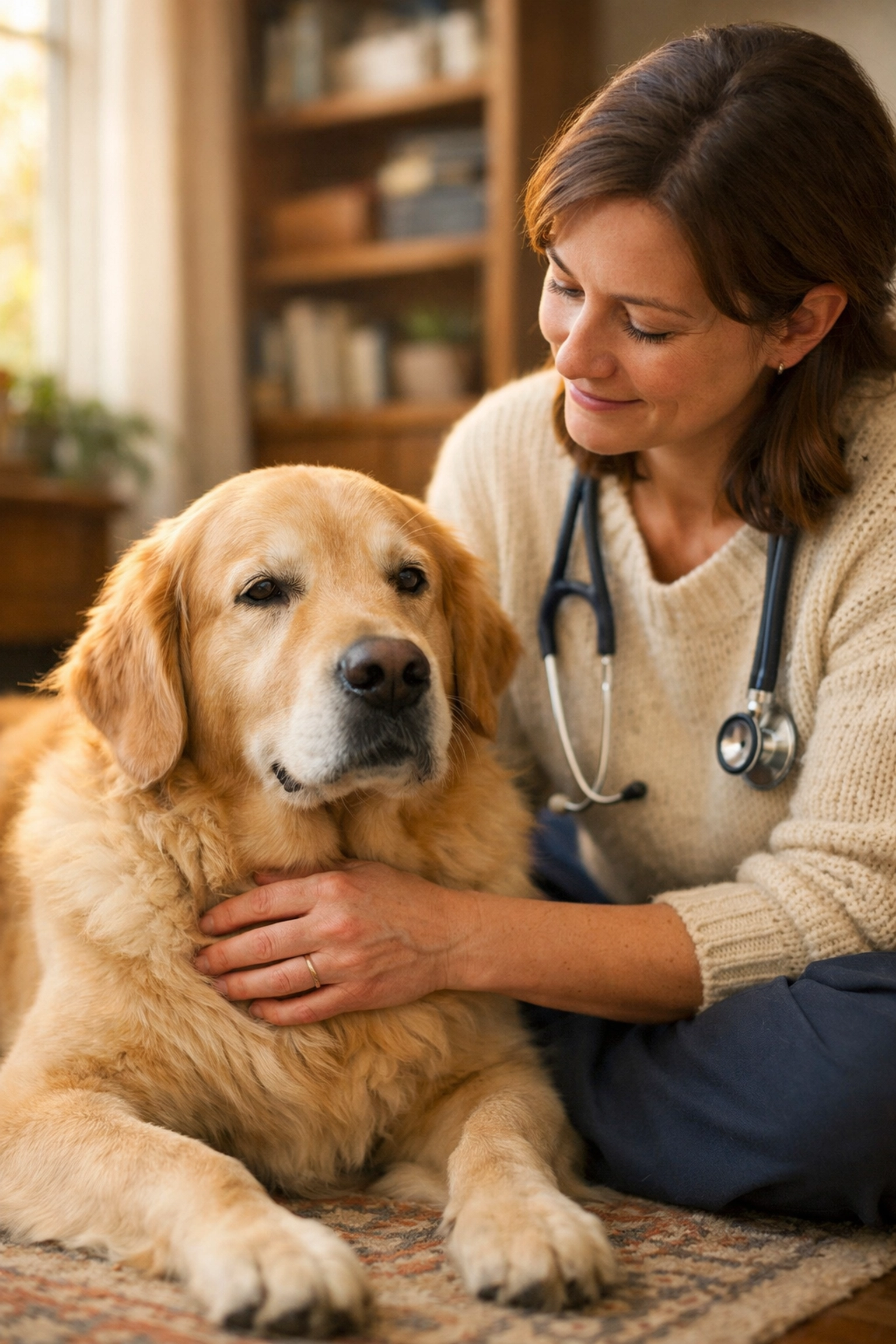
Treating canine cancer isn't just about one thing; it’s about everything. We often talk about "Full Spectrum" care. This means we don’t have to choose between Western medicine and holistic wellness. We can use both.
- Conventional Treatments: Surgery, chemotherapy, and radiation can be vital for reducing tumor load.
- Complementary Care: Botanical nutraceuticals, targeted supplements, and mind-body wellness support the immune system and help the body handle the stress of conventional treatment.
By combining the two, we create a robust defense for your dog. You can explore our Dog Health and Wellness collection to see how we bridge these two worlds.
4. Nutrition is a Clinical Intervention
In the world of dog cancer, food isn't just fuel; it’s a tool. A significant part of any survival guide should focus on what goes into the bowl. Cancer cells thrive on certain nutrients (like simple sugars) and struggle with others (like healthy fats).
A "cancer diet" focuses on:
- High-quality proteins to maintain muscle mass.
- Healthy Omega-3 fatty acids to fight inflammation.
- Low-glycemic carbohydrates.
- Digestive enzymes to help with nutrient absorption.
We call this "Beyond the Bowl" thinking. When you change how you feed, you change the internal environment of the body. If you’re looking for specific guidance on wellness-based nutrition, our Dog Food resources are a great place to start.
5. Quality of Life is the True North
In our journey together, we will always prioritize the "Joys of Life." A survival guide isn't just about adding days to a life; it's about adding life to the days.
Ask yourself: Is my dog still enjoying their favorite things? Are they wagging their tail? Are they eating? We never want the treatment to be worse than the disease. Honoring the bond you share means making decisions that keep them comfortable, happy, and loved.
To help you focus on the good stuff, we’ve created a FREE Bucket List for Your Dog. It’s a gentle way to shift your focus from the "cancer" to the "dog."
6. Every Plan Must Be Personalized
There is no "standard" dog cancer. A 12-year-old Lab with a Mast Cell Tumor needs a different plan than a 3-year-old Golden Retriever with Lymphoma.
Your survival guide should help you develop a plan tailored to:
- Your Dog's Age and Vitality: What can their body handle?
- The Cancer Type: Is it slow-moving or aggressive?
- Your Budget and Time: It is okay to be honest about your financial and scheduling constraints. We provide tools for every level of care.
We’re here to help you navigate these choices without guilt. Your best is enough.
7. You Are Your Dog's Chief Advocate
You know your dog better than anyone, better than the vet, better than the oncologist, and certainly better than any internet forum. If your gut tells you a treatment is too much, listen to it.
Learning how to talk to veterinary professionals is a skill. Don't be afraid to ask for lab results, seek second opinions, or ask "Why?" and "What are the alternatives?" We empower you to be the voice your dog needs. If you're dealing with specific issues like Mast Cell Tumors, having specialized knowledge can make those vet conversations much easier.
8. Managing Side Effects is Possible
Many pet parents fear chemotherapy because they think of the human experience, extreme nausea, and hair loss. In dogs, we use lower doses because our primary goal is quality of life, not just total eradication.
However, side effects can still happen. A true survival guide provides strategies to mitigate them. Whether it’s using specific herbs to support the liver or adjusting the diet to settle the stomach, we have tools to help. Keeping your dog feeling "normal" for as long as possible is a major part of our mission.
9. Creating a Legacy of Love
One of the hardest parts of this journey is the realization that our time is limited. But that realization is also a gift; it reminds us to cherish every second.
We encourage you to document this time, not the medical stuff, but the soul stuff. Write down the way their ears smell, the way they "woof" in their sleep, and the way they look at you. We’ve designed The Ultimate Dog Memory Journal with 100 prompts to help you capture these moments. It’s a resource for your heart, ensuring that their legacy lives on forever.

10. Planning for the End is an Act of Kindness
It feels counterintuitive to look for a "survival guide" and talk about the end, but it is the most compassionate thing you can do. Knowing when to say goodbye: and having a plan for how to do it: removes the frantic "emergency" feeling from the final moments.
We provide lifelines for this stage too. Our Saying Goodbye to Your Dog Letter Template is a gentle way to process your feelings and honor your best friend as they prepare to cross the rainbow bridge.
We’re In This Together
A dog cancer diagnosis is a marathon, not a sprint. There will be good days where you forget they’re even sick, and hard days where the weight feels unbearable. Through it all, remember: We’re here for you.
You don't need to be a scientist to give your dog an amazing life after a diagnosis. You just need to be their person. With a balance of research-driven strategy and a whole lot of love, you can navigate this path with grace.
If you’re looking for more ways to support your dog’s wellness or want to browse our keepsakes, visit our Main Collection. Whether you need a clinical resource or just a way to remember the good times, the Drake Dog Cancer Foundation is honored to be part of your pack.
Stay hopeful. Stay informed. We’ve got you.