





We know that heavy feeling in your chest. The moment the vet says the word "lymphoma," the world seems to tilt on its axis. We’ve been there, and we understand the whirlwind of fear, confusion, and the desperate need for a plan. If you are feeling overwhelmed right now, please take a deep breath. We’re here for you.
When we talk about lymphoma in dogs, the conversation usually goes straight to chemotherapy, survival rates, and staging. While those are vital, there is a "secret weapon" in your dog’s body that often gets overlooked: the gut.
Recent research is proving that the gut microbiome isn’t just about digestion. It is the engine room of the immune system.
For a dog fighting a cancer of the immune system, which is exactly what lymphoma is, supporting the gut isn’t just "extra credit." It is a fundamental shift in how we approach treatment. It’s about quality of life, better response to medicine, and honoring the bond you share.
The Command Center of the Immune System
It might surprise you to learn that about 70% to 80% of a dog’s immune cells live in the digestive tract. This area is known as the Gut-Associated Lymphoid Tissue (GALT). Since lymphoma is a cancer that affects lymphocytes (a type of white blood cell), the gut is essentially the primary battlefield.
When the microbiome, the trillions of bacteria living in the gut, is out of balance, the immune system becomes "distracted" or overactive. In a dog with lymphoma, we need that immune system to be as focused and supported as possible. We aren't just feeding a dog; we are nourishing a biological defense system.

Chemotherapy and the "Dysbiosis" Hurdle
If you choose to pursue chemotherapy, you are likely worried about the side effects. We see it all the time: the loss of appetite, the vomiting, and the dreaded diarrhea.
Research shows that these aren't just random symptoms. They are often caused by chemotherapy-driven dysbiosis.
Chemotherapy is designed to kill fast-growing cells. While it targets cancer cells, it also takes a toll on the fast-growing cells that line the gastrointestinal tract.
Recent studies have found:
- Approximately 40% of dogs with lymphoma already have an abnormal baseline microbiome before treatment even starts.
- During chemotherapy, nearly 40% of dogs experience anorexia, and over 20% deal with vomiting or diarrhea.
- This "gut collapse" can actually lead to treatment delays, which is the last thing we want when fighting an aggressive cancer.
By focusing on gut-friendly nutrition from day one, we can help mitigate these side effects. We want to keep your dog feeling like your dog for as long as possible. We’re here to help you find that balance.
Can Gut Health Help Your Dog Live Longer?
This is the question that gives us the most hope. Emerging research has identified that canine cancer patients with specific bacterial species in their gut actually lived longer after treatment than those who didn't have them.
Think about that for a second. By simply supporting the microscopic "good guys" in your dog's belly, we might be able to influence the overall prognosis. This isn't about "curing" cancer with a bowl of food: we would never give you false hope, but it is about providing "real help" through evidence-based, PhD-led insights.
When the gut is healthy, the body absorbs nutrients better, inflammation is lowered, and the toxic burden of chemotherapy is processed more efficiently. It’s a holistic cycle of wellness.
A Bridge Between Science and Herbalism
At the Drake Dog Cancer Foundation, we believe in a "both/and" approach. You don't have to choose between modern medicine and natural support. Our founder, Dr. Amber Drake, brings a unique level of expertise to this journey. With her deep background in post-doctoral research and her specialized knowledge in herbalism, she views the gut as a living ecosystem that requires gentle, heartfelt care.
Herbalism isn't just about "plants"; it’s about using vetted, research-driven botanical tools to support the liver, soothe the gut lining, and reduce the systemic inflammation that often accompanies lymphoma.
Whether it's through specific adaptogens or targeted fiber sources, integrating these elements can make a world of difference in how your dog handles their "bad days."
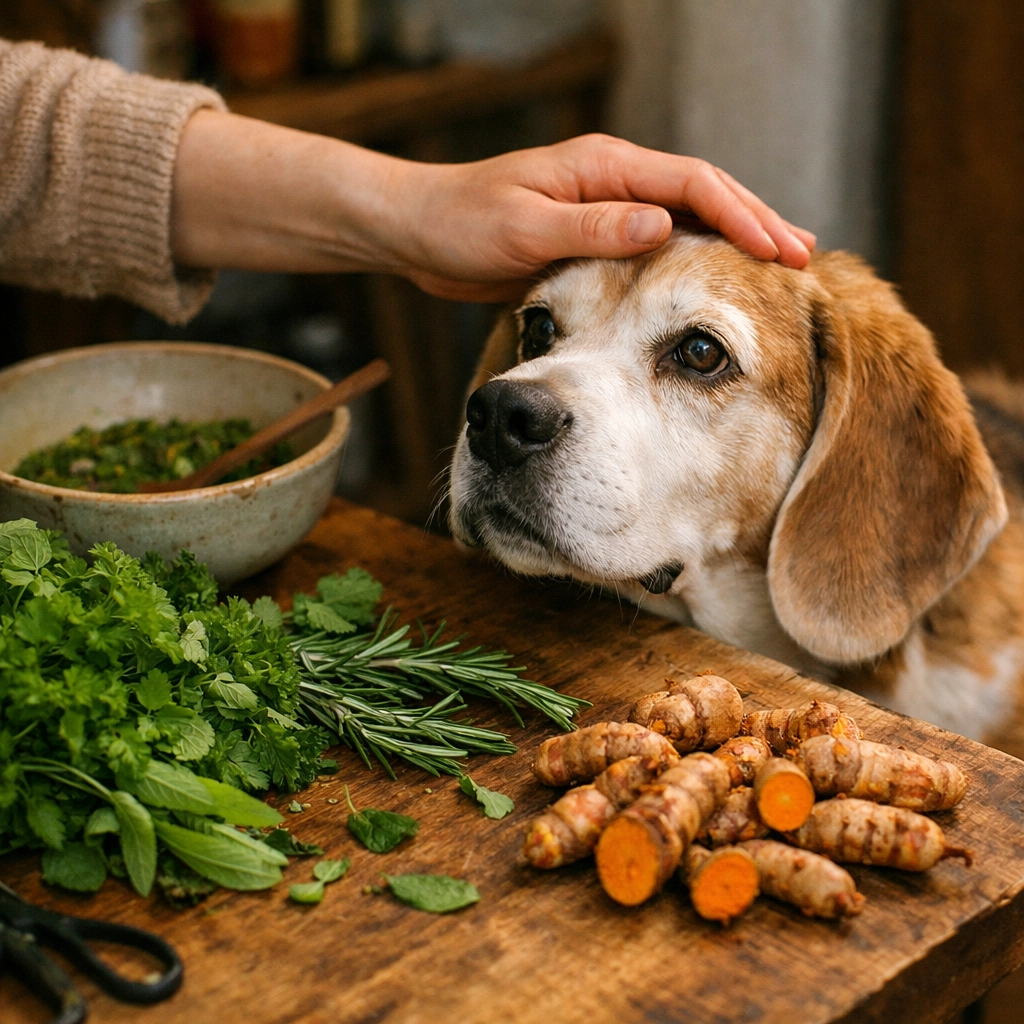
Beyond the Bowl: The Challenges of Feeding
We know the struggle of the "picky eater" phase. It’s heartbreaking to prepare a beautiful, healthy meal only to have your dog turn their nose up at it.
The truth is, there is no universal diet for dogs with cancer. What works for a Golden Retriever in Stage 2 might not work for a Boxer in Stage 4. However, we can follow gut-health principles to make food more enticing and bioavailable:
- Moisture is Key: Dry kibble can be hard on a compromised gut. Adding bone broth or warm water can help.
- Probiotics Matter: Clinical evidence suggests that dogs receiving probiotics during chemotherapy have fewer instances of severe diarrhea.
- The Kibble vs. Raw Debate: Every dog is different, and we explore these nuances deeply in our community discussions. You can read more about the debate on kibble vs raw food here.
To help you navigate these murky waters, we’ve created a lifeling for you. Our FREE Course: Learn How to Feed Your Dog with Cancer is designed to take the guesswork out of the kitchen. You don't have to do this alone.
FREE Course: Learn How to Feed Your Dog with Cancer
Why Tracking Matters
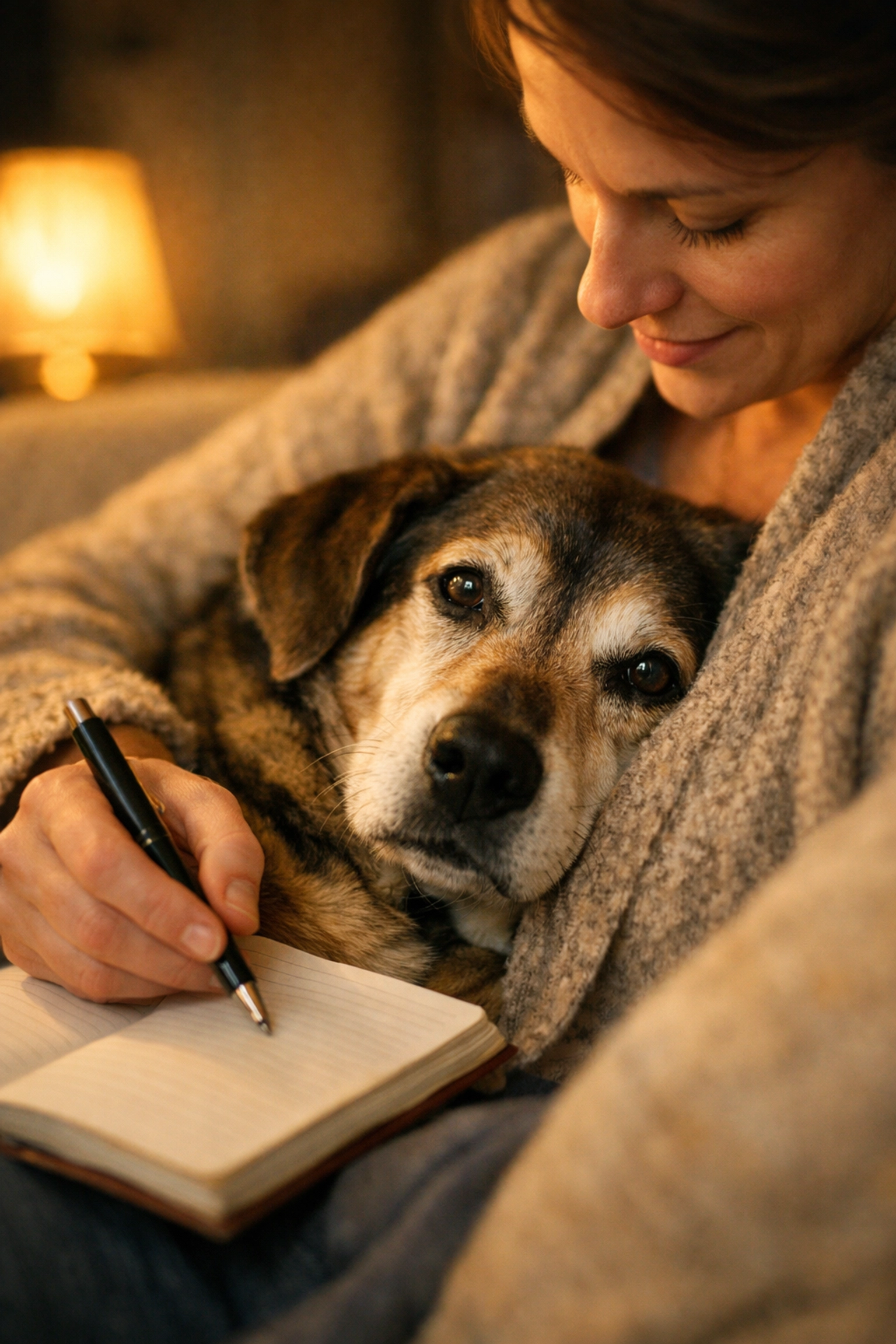
Because lymphoma can move quickly, being an "active observer" is your greatest superpower. When you track your dog's gut health—their stool consistency, their appetite levels, and their energy: you are giving your veterinary team the data they need to adjust treatments in real-time.
Vets love it when caregivers are proactive. In fact, we’ve written about why vets love the dog cancer journal and how it helps in making informed decisions. It moves the conversation from "I think he’s okay" to "Here is exactly what happened this week."
We Are Your Empathetic Partners
The road ahead is rarely a straight line. There will be mountain peaks of hope and valleys of exhaustion. Our mission is to walk beside you, providing the tools and resources you need to honor the bond you have with your dog.
Whether you are looking for advice on talking to your vet about cancer or trying to understand the role of genetics, we have built a library of support for you.
If you are feeling lost and need a structured place to start, we invite you to fill out our Intake Form. This helps us understand your dog's specific situation so we can point you toward the most helpful resources.
Focus on the Love
Lymphoma is a heavy word, but it doesn't have to be the only word in your dog's story. By focusing on gut health, you are choosing to support their vitality, their comfort, and their strength. You are taking control of a situation that often feels uncontrollable.
Keep watching those tails. Keep celebrating the small wins: the empty food bowl, the short walk in the sun, the quiet moments of connection. Those are the things that matter most.
We’re here for you. Every step of the way.
Want to learn more? Explore our recent guides: