

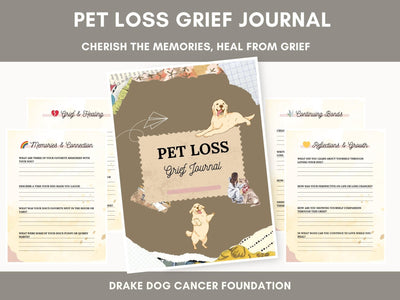




The sound of a kibble bag opening used to be the highlight of their day. You remember it: the frantic tail wags, the "happy dance" in the kitchen, and the speed at which that bowl would be licked clean. But now, the bowl sits untouched. You’ve tried the rotisserie chicken, the expensive toppers, and even hand-feeding on the floor.
When your dog stops eating, it feels like a heavy, silent alarm going off in your home. It’s one of the most frightening parts of a cancer diagnosis because, for us, food is love. When they refuse it, we feel a unique kind of grief and a desperate need to fix it.
We want you to know: You aren't doing anything wrong. Inappetence (the medical term for loss of appetite) in a dog with cancer isn't just about them being "picky." It’s a complex biological process happening deep inside their body. Today, we’re going to peel back the layers and look at the "root causes": from systemic inflammation to the gut-brain axis: so we can move past the frustration and find real, evidence-based ways to support them.
We’re in this with you. Let’s talk about why this is happening and how we can help them feel like themselves again.
The Invisible Battle: The Cytokine Storm
When a dog has cancer, their immune system is working overtime. This constant state of alert creates what we call systemic inflammation. Think of it like a low-grade fever that never quite breaks.
The primary culprits here are tiny signaling proteins called cytokines (specifically TNF-alpha, IL-1, and IL-6). In a healthy dog, these proteins help fight off short-term threats. But in a dog with cancer, these cytokines are released in high volumes, and they act as a biological "off switch" for hunger.
These cytokines travel directly to the brain: specifically the hypothalamus, which is the body’s "appetite thermostat." They tell the brain that the body is too busy fighting a war to worry about digestion. This is why your dog might look at their favorite treat and simply turn away. Their brain is receiving a signal that says, "We aren't hungry; we're busy."
Using a canine functional medicine approach, we look at ways to "quiet the noise" of these cytokines. By addressing the root cause: the inflammation: we can often see a gentle return of interest in food. Supporting the body with evidence-based anti-inflammatories, like high-quality Curcumin or Omega-3 fatty acids, can be a lifeline in managing this systemic burden.

The Second Brain: The Dog Gut Health Connection
We often think of the gut as just a place where food is broken down, but it’s actually home to the "second brain." The gut-brain axis is a two-way communication highway between the digestive system and the central nervous system, primarily connected by the vagus nerve.
When a dog is fighting cancer or undergoing treatments like chemotherapy, their dog gut health is often the first thing to suffer. This can lead to dysbiosis: an imbalance of the "good" and "bad" bacteria in the microbiome.
- Vagus Nerve Signaling: Inflammation or irritation in the gut sends "nausea" signals up the vagus nerve to the brain. Even if your dog isn't physically vomiting, they may feel a constant sense of unease or "early satiety" (feeling full after just one bite).
- The Leaky Gut Cycle: Systemic inflammation can make the gut lining more permeable. This allows toxins to enter the bloodstream, which triggers more cytokine release, further suppressing the appetite. It’s a cycle we need to break.
- Treatment Side Effects: We know that medications like Gabapentin or certain chemotherapy drugs can alter the gut environment.
To support the gut-brain axis, we often recommend focusing on "gut-healing" protocols. This might include high-quality probiotics designed specifically for the canine microbiome or soothing herbs like marshmallow root. When the gut feels better, the brain gets the signal that it’s safe to eat again.
Understanding Cancer Cachexia
Sometimes, you might notice your dog is losing weight even if they are eating a little. This is a condition called cancer cachexia. It’s a metabolic state where the tumor is essentially "stealing" energy from the body, leading to muscle wasting.
Cachexia is driven by the same systemic inflammation we mentioned earlier. It shifts the body into a catabolic state (breaking down tissue) rather than an anabolic state (building tissue). This metabolic stress makes your dog feel weak and lethargic, which further dampens their desire to eat.
In these moments, quality of life becomes our North Star. We aren't just looking for calories; we’re looking for nutrient-dense, highly palatable fuel that honors their body’s current needs.
Real Help: How We Can Support Them
Knowing the "why" is the first step toward finding a "how." While we never offer false hope, we do offer real, science-driven help. Here are the tools we use in our "empathetic partnership" with you and your dog:
1. Quiet the Inflammation
If inflammation is the "off switch," we need to turn it back on. We highly recommend exploring supplements that have been vetted for their anti-inflammatory properties.
- Mushroom Support: Products like Mushroom Immune Gold use beta-glucans to support the immune system without overstimulating it.
- Herbal Relief: If your dog is in pain, they won't eat. Using resources like Comfort Gold can help manage the discomfort that often accompanies systemic inflammation.
2. Prioritize Gut Healing
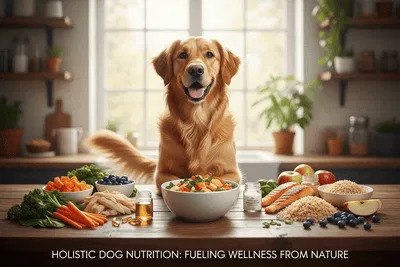
Focus on "dog gut health" by introducing gentle, moisture-rich foods. Bone broth (without onions or garlic) is a wonderful way to provide hydration and amino acids like glutamine that support the gut lining. We also suggest looking into personalized recommendations through our intake forms to see which probiotics might be right for your dog's specific journey.
3. Change the Environment
Sometimes, a dog develops a "food aversion" to their bowl because they associate it with feeling nauseous.
- New Location: Try feeding in a different room or on a flat plate instead of a deep bowl.
- The "No-Pressure" Zone: Our dogs are incredibly intuitive. If they feel our stress and desperation for them to eat, it can actually make them more anxious. Try to keep mealtime calm and low-pressure. We’re here for you in those quiet, difficult moments.
4. Track the Trends
When you’re in the middle of a health crisis, it’s hard to remember if yesterday was better than today. We created the Joys of Life Scale to help you track appetite, energy levels, and joy objectively. It’s a tool designed to take the guesswork out of your care and provide clarity when things feel foggy.

Driven by Hope, Guided by Science
We know how much you love them. We know that every missed meal feels like a missed opportunity to help. But by understanding the root causes: the cytokines, the gut-brain axis, and the systemic inflammation: you are already doing so much more than "just feeding" them. You are advocating for their internal balance.
Whether you are looking for herbal supplements, digital journals to track their progress, or just a community that understands the "full bowl" heartbreak, we are here.
We don't just provide resources; we provide a shared journey. Your dog’s quality of life and the bond you share are the most important things in the world. Let’s protect them together.

Need more guidance?
- Explore our Free Course on Feeding Dogs with Cancer.
- Download our Dog Cancer Care Planner to stay organized during vet visits.
- Remember: Always consult with your veterinary oncologist before starting new supplements or making major dietary changes.


