





You may be here because a friend texted, “We had to say goodbye today,” and your mind went blank. You want to do something kind. You also don't want to send the wrong thing, or make a painful day harder.
That hesitation is normal. Pet loss leaves people feeling exposed, tired, and often misunderstood. A thoughtful gift can help, but only when it fits the moment. The right gesture says, “I see how much this bond mattered,” without asking the grieving person to perform gratitude or healing on a schedule.
Understanding the Weight of Pet Loss
When someone loses a dog or cat, people around them often minimize it without meaning to. They say things like “you can always get another pet” or “at least they had a good life.” Those phrases usually land badly because they skip over the relationship itself. What hurts is not only the absence of an animal. It's the loss of a daily companion, a caregiving role, a rhythm, and a source of attachment.
The depth of that grief is well documented. In an RSPCA pet bereavement survey, 67% of people who lost a pet said they were shocked by the intensity of their grief, 93% said they felt heartbroken, and 60% viewed their pet as a family member.
That matters because it changes how we should think about bereavement gifts for pets. These aren't novelty items. At their best, they're small acts of witness.
What support often looks like in real life
A common situation looks like this. Someone has just come home from the veterinary clinic with an empty leash, an unused medication chart, or a bed that still holds fur. They may be answering messages, canceling subscriptions, caring for another pet, or replaying the final decision over and over. In that moment, a gift isn't about fixing grief. It's about reducing isolation.
Practical rule: If you're unsure what to send, start by acknowledging the pet by name. Specificity comforts people more than general sympathy.
A short card can do a lot of work:
- Name the pet by name, not “your dog.”
- Name one memory if you have one. “I'll always remember how Molly carried that tennis ball everywhere.”
- Name your support in a concrete way. “I can bring dinner on Thursday,” is easier to receive than “let me know if you need anything.”
If the loss followed cancer or a long decline, the family may also be carrying caregiving exhaustion. In that case, emotional support and practical help often need to go together. If you need language for that stage of grief, coping with the loss of a dog can be a useful starting point.
Memorials for Owners and Comfort for Pets
Most gift guides mix everything together. That's where people get stuck. A framed photo, a memory box, a calming bed, and an offer to walk the surviving dog are not serving the same need.

Gifts for the grieving owner
These gifts help the person maintain a continuing bond with the pet. That bond matters because grief usually softens through remembrance, not through pretending the relationship didn't exist.
Memorial gifts for owners often include:
- Personalized keepsakes such as a paw-print frame, engraved necklace, portrait, or custom blanket
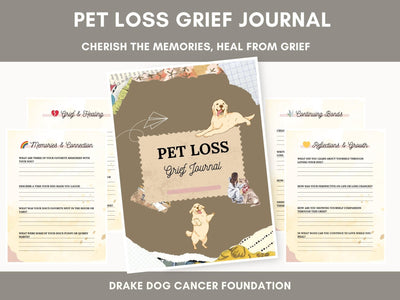
- Memory-making tools such as a photo book, memory box, or journal
- Acts of witness such as a donation in the pet's name or a card filled with shared stories
A good example is a small necklace with the pet's name or a framed photo placed somewhere private. It doesn't demand attention, but it gives the owner a place to return to the relationship.
Gifts for a surviving pet
A surviving dog or cat isn't grieving in the same symbolic way humans do, but they do react to absence, routine disruption, and changes in the home. Their needs are practical and sensory. They benefit from stability, comfort, enrichment, and extra connection.
That means comfort gifts are different:
- Familiar comforts like a fresh bed, soft blanket, or favorite chew
- Routine support like extra walks, feeding help, or a dog sitter for an overwhelmed owner
- Engagement tools like a puzzle feeder, snuffle mat, or gentle toy rotation
Here's the simplest distinction. A memorial gift says, “your bond matters.” A comfort gift says, “your home has changed, and I want to ease that change.”
A custom paw-print necklace may comfort the owner. A food puzzle and an extra evening walk may help the dog left behind.
If you want examples of highly personalized remembrance items, ideas for cherishing a dog's memory with Cuddle Clones show the memorial side of this category clearly.
Choosing a Gift With Sensitivity and Care
The best bereavement gifts for pets are not the most expensive ones. They're the ones that match the person's current capacity.
That's the trade-off many gift guides miss. Some people want a memorial object right away. Others can't bear to look at one yet. Some families have just finished months of appointments, medications, disrupted sleep, and hard decisions. In those homes, support may need to start with relief.
Grief guidance recognizes that practical help can matter more than a sentimental item, especially after a long caregiving period. This discussion of pet sympathy gifts and practical support captures that gap well. Sometimes the kindest gift is dinner, errands, or help caring for surviving animals.

A simple decision check
Before you buy anything, ask yourself these questions:
-
Was the loss sudden or prolonged?
After a sudden loss, a memorial item may feel grounding. After a long illness, immediate practical support may land better. -
Is this person private or expressive?
A private mourner may prefer a small engraved keychain or candle. Someone expressive may welcome a portrait, scrapbook, or shared tribute album. -
Are there children or other pets in the home?
A family may benefit from a memory box everyone can add to. A surviving pet may need routine support before the humans can focus on memorializing.
What tends to work and what often misses
| Better fit | Often misses |
|---|---|
| A gift tied to the pet's name, photo, or habits | A generic “rainbow bridge” item with no personal detail |
| A meal drop-off after a long caregiving season | A large decorative memorial arriving the day after euthanasia |
| A small keepsake plus a handwritten note | A flashy gift that centers the giver's taste |
| An offer with a clear action and date | “Let me know if you need anything” |
Card language that helps
Keep the message direct and gentle.
- Say this: “I loved hearing about Jasper's walks with you. I'm so sorry.”
- Or this: “You took such good care of her. I'm thinking of you today.”
- Avoid this: “At least she's no longer suffering,” if that's all you say. It may be true, but it can feel emotionally thin on its own.
A useful test: If the gift creates pressure, delay, or clutter, it's probably the wrong gift for this week.
Thoughtful Ideas for Memorializing a Beloved Pet
Some memorial gifts help because they create a place for grief to go. They give memory a physical form. That can be a photo on a shelf, a stone in the garden, or a necklace that rests against the chest where the pet once leaned in.
Personalization matters here. The reason isn't just aesthetic. Personalized pet sympathy items highlighted by 1-800-Flowers point toward a real grief mechanism: when a gift includes the pet's name, image, or paw print, it increases cue salience, making it more likely to evoke a specific autobiographical memory that feels comforting rather than abstract.
Personalized keepsakes that usually land well
A paw-print photo frame is one of the safest choices. It's familiar, easy to display or store, and it lets the owner decide when to engage with it. It works well for close friends, coworkers, neighbors, and extended family because it's personal without being intrusive.
A memory box is especially helpful for families. Collar, tags, a sympathy card from the veterinary team, and favorite photos can all live in one place. If children are grieving too, this becomes a shared ritual instead of one adult's private item.
A memorial blanket can be a strong option for someone who wants comfort in a tactile form. If you want examples of how these gifts can be personalized thoughtfully, That Blanket Co pet memorial gifts show the range from subtle remembrance to more visible tribute pieces.
Living memorials and legacy gifts
Not every memorial has to be an object kept indoors. Sometimes a living marker feels gentler.
Consider these:
- A memorial plant or tree for someone who likes tending something over time
- A garden stone placed near a favorite walking path or yard spot
- A donation in the pet's name to a rescue, shelter, or cancer-support effort meaningful to the family
These work best when they match the person's style. Someone who doesn't want more items in the house may appreciate a rose bush far more than a shelf display.
A low-cost but meaningful option is a shared digital photo album. Invite friends and family to add their favorite pictures and a sentence about the pet. This is often one of the most treasured gifts because it returns stories the owner may never have heard.
If you want to build something more narrative, a dog memory book for dog lovers can help shape photos, stories, and milestones into one place.
For a visual overview of remembrance ideas, this video is a helpful companion:
A real-life example of good timing
If a family has just said goodbye after months of canine cancer treatment, don't rush a custom urn necklace to their doorstep unless you know they want one. Send food first. A week or two later, offer a personalized keepsake or ask, “Would a memory book or framed photo feel comforting, or would you rather wait?”
That question alone can be a gift. It gives the grieving person choice, and choice is often in short supply after a long illness.
Supporting a Surviving Pet Through Grief
A surviving dog or cat can look “off” after a companion dies. They may sleep more, shadow their person more closely, wander through the house, seem less interested in food, or become clingy at odd times. The most helpful response is usually not replacing the lost pet quickly. It's creating steadiness.

Gifts that support regulation and routine
For a surviving pet, good bereavement gifts are often simple:
- A calming bed or soft blanket placed in a familiar resting area
- A puzzle toy or snuffle mat to add gentle mental work during a quieter household period
- Extra walks or short outings if the pet seems restless or unsettled
- Pet sitting or dog walking help if the owner is emotionally depleted
One of the most useful gifts is not an object at all. It's showing up three times this week to walk the dog at the same hour. Routine communicates safety.
What to avoid
Don't flood the pet with stimulation because the house feels sad. A pile of new toys, noisy outings, or abrupt schedule changes can backfire. The goal is comfort, not distraction at all costs.
Watch the pet's behavior for a few days. If the household notices ongoing appetite changes, unusual withdrawal, or distress, it's time for veterinary guidance.
If the family is interested in gentle supportive options, calming herbs for dogs can help them think through questions to discuss with their veterinarian.
A practical example: when one dog in a bonded pair dies, a friend might send a small care package with high-value chews, a lick mat, and a handwritten note for the owner, then offer two evening walks over the next week. That combination helps both the human and the animal without confusing either need.
Where to Find Further Grief Support
A gift can open the door to healing, but it usually isn't the whole support plan. Grief moves in waves. People often need one kind of help in the first days, another around the quiet of the second week, and another when anniversaries or routines start to sting.
Bereavement psychology offers a helpful frame here. Best Friends Animal Society's pet memorial guidance reflects how durable keepsakes can act as transition objects. They anchor remembrance rituals, externalize memory, and help people engage grief in a structured way instead of only avoiding it.
Support options that tend to help
- Pet loss support groups where people don't have to defend the depth of their grief
- Professional grief counseling when guilt, traumatic memories, or prolonged caregiving strain are complicating the loss
- Digital memorial spaces where friends and family can contribute stories, photos, and messages
- Education for helpers and practitioners who want to support grieving families more skillfully
For people who want community after the initial shock, this guide to finding comfort after pet loss can be a practical place to begin.
For those who want more formal training or structured support tools, the Drake Dog Cancer Foundation & Academy offers grief-related education alongside canine cancer resources, including a Pet Grief Counselor certificate and practical guidance for families navigating illness, loss, and quality-of-life decisions.
The important thing is not to treat support as a one-time gesture. A message on the adoption anniversary. A photo shared months later. A quiet check-in on the date of euthanasia. Those often mean more than people expect.
If you're walking alongside someone facing pet loss, or trying to make sense of your own, Drake Dog Cancer Foundation & Academy offers education, grief resources, and practical support for families and professionals caring for dogs through illness, end-of-life decisions, and remembrance.


