

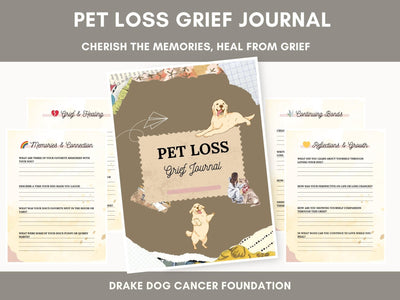




You may be here because you've sat with a friend after they lost a dog and noticed something important. Other people said, “You can always get another pet,” but you knew that wasn't the point. A bonded animal isn't interchangeable. The grief is real, the silence in the house is real, and the guilt around hard medical choices can be overwhelming.
That instinct to take pet loss seriously matters. It's often the beginning of a calling.
People searching for how to become a grief counselor for pets usually have two motivations at once. They want meaningful work, and they want a realistic map. They need to know what knowledge comes first, what training is credible, and whether they need to become a licensed therapist or can serve grieving pet parents through a narrower support role.
Pet grief work asks for more than compassion. You need a working understanding of the human animal bond, common grief responses, anticipatory grief, and the difference between emotional support and clinical treatment. If you're drawn to families facing terminal diagnoses, this often starts before the loss itself, during the long stretch of scans, declining appetite, hard conversations, and questions about quality of life. Resources on how to say goodbye to your dog can help you see the emotional terrain families are already navigating before bereavement begins.
Your Introduction to Pet Grief Support
Pet grief support is a specific kind of helping work. You're not only responding to sadness. You're often sitting with love, guilt, relief, confusion, anger, loneliness, and identity loss all at once.
A grieving pet parent may say, “I don't know if I waited too long,” or “People at work think I'm overreacting.” If you want to help well, you need to understand why those statements carry so much weight. The bond between a person and an animal can hold routine, companionship, caregiving, purpose, and safety. When that bond breaks, grief can feel invisible to others but enormous to the person living it.
The knowledge that comes before any program
Before comparing schools or certifications, start with three pillars:
-
The human animal bond
Learn how pets shape daily structure, emotional regulation, and family identity. A dog may be a walking partner, trauma companion, caregiving focus, or the being someone talks to every night. -
Grief patterns
Grief isn't neat. Some people cry openly. Others become highly organized, numb, irritable, or preoccupied with medical details. Your job is to recognize many forms of grief without forcing a script onto them. -
Anticipatory grief
This is central in pet loss, especially with chronic illness. Families often start grieving while the pet is still alive. They may be mourning future routines, preparing children, and carrying dread about euthanasia.
Practical rule: If you want to work in pet grief, study the period before the death as carefully as the period after it.
A simple exercise can help you test your fit for this field. Write down three moments when someone trusted you during a painful animal-related situation. Then ask yourself what you offered. Was it listening, education, calm presence, practical guidance, or clinical insight? Your answer often points toward the kind of training you need.
Building Your Foundation of Knowledge
Many aspiring helpers rush into a certification because they feel urgency. Slow down enough to build judgment. Pet grief support becomes safer and more effective when you understand what kind of grief you're looking at, what kind of help you can ethically provide, and where your boundaries are.
What pet grief often includes
Pet loss has features that general grief training may only touch lightly.
A client may feel embarrassed by the depth of their mourning. Another may be stuck on the euthanasia decision and replay the final appointment. Someone caring for a dog with cancer may be grieving in stages while still administering medication, cleaning up accidents, and trying to preserve quality of life. In those cases, caregiver support matters almost as much as bereavement support. Reading about self-care for dog cancer caregivers gives a useful window into the emotional strain families carry before loss.
You'll also meet grief that others minimize. A person may hear, “It was just a cat,” and then stop sharing candidly. That kind of invalidation can intensify suffering because the mourner loses both the relationship and the social permission to grieve.
A side by side view of the two main routes
The biggest confusion in this field is thinking every grief role is clinical. It isn't. Some people become licensed mental health professionals and then specialize in grief. Others train for a non-licensed support role, such as coaching, education, peer support, group facilitation, or end-of-life guidance.
| Attribute | Licensed clinical path | Certified pet grief support path |
|---|---|---|
| Primary goal | Diagnose and treat mental health concerns within legal scope | Support, educate, hold space, guide rituals and coping |
| Typical training base | Graduate mental health education plus licensure track | Specialized certificate or focused training in pet grief |
| Scope | Clinical assessment and therapy, if licensed in your jurisdiction | Non-clinical support, coaching, advocacy, and referrals |
| Best fit for | People who want hospital, therapy practice, or regulated clinical roles | People who want a focused pet loss role without becoming therapists |
| Common client need | Complicated grief mixed with trauma, depression, anxiety, or other mental health concerns | Emotional processing, validation, memorial support, anticipatory grief education |
That distinction changes everything. If your dream is to help pet parents process guilt, prepare for goodbye, lead support circles, and create compassionate rituals, you may not need to become a therapist. If you want to assess clinical risk, diagnose, and treat mental health conditions, you do.
Start learning before you enroll
You can begin now without pretending you're already qualified.
-
Read actively
Keep notes on common pet loss themes such as guilt, family disagreement, relief after suffering ends, and fear of bonding with another animal. -
Observe language
Notice how grieving people talk. Some need permission to cry. Others need help naming ambivalence. Your ears are one of your first tools. -
Practice resource sharing
Collect grounded materials you'd feel comfortable offering later, including pieces on grief and loss coping strategies. Don't share everything at once. Learn to match support to the moment.
A good beginner question isn't “How fast can I certify?” It's “What suffering am I preparing myself to hold responsibly?”
Choosing Your Professional Pathway
A veterinary receptionist comforts a client after euthanasia, then goes home wondering, “I want to do more of this work. Do I need to become a therapist, or is there another path?” That question sits at the center of pet grief support.
The answer depends on the kind of help you want to provide.
Some professionals want to treat grief that is tangled up with trauma, depression, anxiety, or safety concerns. Others want to stay focused on pet loss itself: anticipatory grief, guilt, family conflict, memorial support, caregiver exhaustion, and the ache of an empty home after goodbye. Both roles matter. They are built on different training models.

The licensed counselor route
The clinical route is the longer road. It usually begins with a bachelor's degree, then a master's degree in counseling, social work, or psychology, followed by state licensure and supervised clinical training. BestColleges' guide to becoming a grief counselor notes that this process often takes years beyond graduate school before a person can practice independently.
That path fits people who want to assess mental health risk, diagnose when their license allows it, create treatment plans, and provide therapy within a regulated setting. Hospitals, private practices, community mental health clinics, and many formal healthcare environments often expect that level of preparation.
A simple way to understand it is this: clinical grief counseling is built for treatment responsibility. If a client's pet loss opens the door to panic attacks, suicidal thinking, severe depression, or unresolved trauma, a licensed clinician is trained for that level of care.
The certified pet grief counselor route
The non-clinical route is more focused and often far more accessible. It serves people who want to support grieving pet parents without becoming licensed therapists. That includes veterinary team members, pet hospice workers, death doulas, chaplains, educators, support group facilitators, and animal professionals who already work closely with families.
This role centers on presence, communication, education, and boundaries. You might hold space during anticipatory grief, help a family prepare for goodbye, facilitate a memorial conversation, explain common grief responses, or support a client who feels ashamed that they are grieving “just a pet.” You stay within scope and refer out when grief includes clinical mental health needs.
For some students, adjacent training can strengthen this path. A program such as a dog cancer support coach certification can build skill in caregiver support, serious illness conversations, and end-of-life decision support, all of which often overlap with pet grief work.
Comparing the two routes
| Attribute | Licensed Counselor (Grief Specialty) | Certified Pet Grief Counselor |
|---|---|---|
| Primary purpose | Clinical assessment and therapy | Non-clinical grief support, education, and guidance |
| Education level | Bachelor's plus graduate mental health degree | Certificate or specialized training program |
| Timeline | Often several years of higher education plus supervised experience | Usually much shorter, depending on the program |
| Supervision needs | Required for licensure | Varies by provider, sometimes mentorship-based |
| Scope of practice | Therapy within legal license | Support within defined non-clinical boundaries |
| Best fit for client needs | Grief with mental health complexity or clinical risk | Pet loss, anticipatory grief, memorial support, caregiver strain |
| Main responsibility | Treatment | Support and referral when needed |
How to choose the right path for you
Start with the work itself, not the title. A title can sound impressive and still be the wrong fit.
Ask yourself:
-
Do I want to provide therapy, or do I want to provide grief support?
Therapy requires the clinical route. Support work does not. -
Do I feel called to pet loss specifically?
If your heart is in the human-animal bond, a specialized pet grief certification may serve your goal better than a broad general counseling path. -
Am I prepared for graduate school, licensing rules, and supervised clinical practice?
If yes, the licensed route may fit. If no, that does not end your options. It simply points you toward a non-clinical role. -
What setting do I want to work in?
A mental health clinic and a pet hospice practice ask for different preparation. -
What kinds of suffering am I ready to hold responsibly?
Grief support asks for compassion. Clinical treatment asks for compassion plus legal and diagnostic responsibility.
Choosing between these paths works a bit like choosing between becoming a veterinarian and becoming a skilled veterinary hospice educator. Both help animals and families. The training, scope, and legal responsibilities are different from the ground up.
A strong choice is not the longest path or the fastest one. It is the path that matches the help you want to give, the training you are willing to complete, and the boundaries you can uphold with care.
Finding a Credible Training Program
A caring heart doesn't protect you from poor training. This market can be hard to judge because grief education appears under many labels, and the standards aren't always easy to compare.

One of the most useful realities to understand is that grief support training is modular and cross-disciplinary, and the field doesn't always clearly explain what preparation is enough for peer support versus clinical intervention. Certificate models also vary in their renewal expectations, ranging from 1-year renewals with 6 to 18 continuing education hours to 3-year recertification cycles, which is one reason comparing programs can feel so murky, as noted by the American Academy of Grief Counseling overview.
What to look for before you enroll
Instead of asking, “Is this program popular?” ask better questions.
-
Who designed the curriculum
Look for instructors with relevant grief, counseling, veterinary, hospice, or end-of-life backgrounds. You want teachers who understand both grief and pet-specific realities. -
How clearly does the program define scope
Credible training should repeatedly explain what falls inside non-clinical support and when referral is necessary. -
Does it include practice, feedback, or mentorship
Information alone isn't enough. The strongest learning happens when someone reviews how you listen, respond, and hold boundaries. -
What happens after completion
A certificate is only the start. Check whether there's community, office-hours support, continuing education, or ethical guidance after graduation. -
How specific is the curriculum
“Grief support” is too broad. Look for modules on anticipatory grief, euthanasia guilt, family conflict, memorialization, veterinary communication, and referrals.
A simple screening checklist
Use this when comparing any pet grief certification:
- Read every lesson title and ask whether it teaches actual client-facing skills.
- Review the faculty bios and see whether their experience matches the work you want to do.
- Look for boundaries language such as referral criteria, crisis limitations, and non-clinical scope.
- Ask how students practice before they work with real people.
- Check the completion requirements so you're not buying a badge with no meaningful preparation.
One practical option in this space is the set of professional certificate programs at Drake Dog Cancer Foundation & Academy, which includes pet-focused training areas. Whether you study there or elsewhere, the same standard applies. You want training that is specific, ethically framed, and realistic about what certificate holders can and can't do.
Screening question: If a program makes you feel instantly qualified for every grief situation, that confidence may be the warning sign.
Launching Your Pet Grief Counseling Practice
Training matters. So does the way you begin.
Many new practitioners get stuck because they think launching means having a perfect website, a polished brand, and a full suite of services on day one. It doesn't. Early success usually comes from a narrower offer, clear ethics, and strong referral relationships.

Start with a role you can describe clearly
If you're not licensed, say so plainly. Your language should reflect support, education, coaching, facilitation, and compassionate guidance. Avoid words that imply psychotherapy if that isn't your qualification.
A simple practice statement might sound like this: “I support pet parents facing anticipatory grief, recent loss, and the emotional aftermath of euthanasia decisions. I offer non-clinical grief support, reflection tools, memorial guidance, and referrals when therapy is needed.”
That kind of clarity protects both you and your clients.
Build a small menu of services
Don't try to serve everyone in every format. Start with two or three offers that match your training.
-
Anticipatory grief sessions
These can support families with a seriously ill pet who need space to process fear, guilt, and end-of-life decisions. -
Post-loss support calls
A single-session format can help clients debrief the final days, talk through the goodbye, and identify immediate supports. -
Memorial and meaning-making guidance
Some clients need help creating rituals, letters, keepsakes, family remembrance practices, or anniversary plans. -
Support groups
Small groups can be especially helpful for normalized, shared grief. They also reduce the pressure on clients who don't want one-to-one support right away.
Create your referral network early
One of the smartest first moves is relationship-building. Reach out to veterinary clinics, pet hospice providers, trainers, rescue organizations, cremation providers, and community groups. Offer a short educational workshop on pet loss language, caregiver strain, or how to support families before euthanasia.
You're not asking for business right away. You're becoming known as someone who handles this topic with maturity.
A practical example: a new pet grief counselor might host a free local session called “How to Support Families Before and After the Loss of a Dog.” That event can naturally lead to referrals from veterinary teams who see the need but don't have time to provide ongoing emotional support themselves.
Put systems in place before your first client
You need basic structure.
- Intake forms that explain your scope and consent process
- A referral list for licensed therapists, crisis resources, and veterinary support
- Session notes that track concerns without sounding clinical if you're non-licensed
- Policies for cancellations, emergency limitations, and communication boundaries
This is also where you should think about legal and business basics in your location, including business registration, contracts, and professional liability coverage where appropriate.
A broader look at digital grief therapy in Italy is also useful because it shows how grief support is increasingly meeting people online. Even if you never call your work therapy, online delivery raises the same practical questions about privacy, communication, fit, and access.
Here's a short video that may help you think about compassionate communication in this work:
Some of your most valuable work won't look dramatic. It may be helping a client say, “I made the best decision I could with the love and information I had.”
Frequently Asked Questions About Pet Grief Counseling

Do I need a psychology degree to become a certified pet grief counselor
Not always. For a certified non-clinical support role, some programs are open to people from helping professions or animal-centered backgrounds. What matters is that the program clearly teaches scope, grief literacy, communication skills, and referral judgment.
If you want to become a licensed clinical professional, that's different. The standard route typically includes graduate education in counseling, social work, psychology, or a related field, plus supervised training and licensure. If your goal is pet grief coaching or support rather than therapy, you may not need to pursue that longer route.
Can I help grieving pet parents if I'm not a licensed therapist
Yes, if you stay in your lane. Many people provide meaningful non-clinical support. That can include listening sessions, grief education, anticipatory grief support, memorial planning, group facilitation, and practical coping guidance.
The key is to avoid acting like a therapist when you aren't one. If someone shows signs that their needs go beyond your scope, refer them to a licensed mental health professional. Ethical restraint is part of being trustworthy.
What kinds of clients usually seek pet grief support
Some clients come before the death, especially when a pet has cancer or a serious chronic condition. They may need help preparing for euthanasia conversations, talking with children, or handling caregiver exhaustion.
Others come right after the loss because they feel overwhelmed, isolated, or ashamed of how intensely they're grieving. You may also work with clients whose pain has been dismissed by others, which makes validation a major part of your role.
How do I manage my own emotions in this work
You don't need to become cold. You do need practices that help you stay grounded.
Try a simple after-session routine. Write a few private notes about what you're carrying, take a short walk, drink water, and mark the transition before seeing another client or returning home. Keep your own support system active too. That might include supervision, consultation, peer community, therapy, spiritual care, or grief-informed mentorship.
The strongest pet grief counselors aren't the ones who feel nothing. They're the ones who can feel intensely without making the client care for them.
If you want a structured next step, Drake Dog Cancer Foundation & Academy offers pet-focused education for people supporting families through canine illness, caregiving, and loss. It's a practical place to explore whether your compassion belongs in a professional role, and to build skills that honor both grieving pet parents and the animals they love.


