





You're probably here because you've already seen the moment that changes a household. A dog's cancer has stopped responding to treatment. A cat who held a family together through divorce and grief is suddenly gone. The client in front of you isn't “overreacting.” They're disoriented, ashamed of how hard this hurts, and often unsupported by the people around them.
That's where pet grief counseling training matters. Not as a soft add-on. As a specific professional skill set for one of the most misunderstood losses people experience.
Pet bereavement work asks more of you than warmth. It asks for language that doesn't minimize. It asks for boundaries when distress escalates. It asks for the judgment to know when someone needs supportive guidance, and when they need licensed mental health care. If you want to build a career here, the path is real. It's also more demanding than many newcomers expect.
Why This Work Matters Now More Than Ever
A common scene looks like this. A client says, “I know he was just a dog, but I can't stop crying.” They've heard some version of “you can always get another one,” and now they're grieving the pet and managing the sting of not being understood.

Pet grief counseling gives that person a place where the bond is taken seriously. It is specialized support around the human-animal bond, bereavement, euthanasia decisions, anticipatory grief, and the practical aftermath of loss. It can include one-to-one support, education, coping tools, ritual planning, and guided reflection after a death or during a terminal illness.
It is not a license to practice outside your scope. It is not general psychotherapy with a pet-themed website. And it is not being “good with sad people.”
The field has matured because the need is real and recurring. The Association for Pet Loss and Bereavement offers a structured certificate of completion as a Pet Loss Grief Specialist through an 8-week course that requires roughly 10 hours per week plus participation in at least 2 different chat rooms, showing that the work now has a defined training pathway rather than informal volunteerism alone (APLB training and education courses).
What grieving families actually need
They need someone who can hold several truths at once:
- The loss is profound: For many clients, grief after a pet's death feels similar to grief after losing a family member or close friend.
- The social response is often poor: People minimize pet loss quickly, which leaves clients isolated.
- The story of the illness matters: Death after a long decline, a sudden emergency, or euthanasia creates different counseling needs.
- Aftercare is practical as well as emotional: Families often need help thinking through memorials, home routines, surviving pets, and what to do in the first days after death.
If you support pet owners, it helps to understand the immediate practical side too. Drake's guide on caring for a pet after death is the kind of resource many counselors keep on hand because grief support often begins with concrete next steps.
Pet grief support works best when the client doesn't have to defend the importance of the relationship before they can begin grieving.
Why professionals are paying attention
Veterinary teams see this every week. Coaches and doulas see it during end-of-life care. Therapists see clients whose pet loss triggered older grief, caregiver exhaustion, or unresolved guilt.
That's why this work isn't niche anymore. Families need support before death, during decision-making, and long after everyone else expects them to be “back to normal.”
Building Your Foundational Knowledge and Competencies
Before you compare certificates, test your readiness against the work itself. Strong pet grief counselors don't start with scripts. They start with listening, regulation, and clinical humility.
The core skills you can't skip
Empathy matters, but it isn't enough on its own. You need several competencies working together:
- Active listening: Hear the meaning beneath the facts. “We chose euthanasia” may mean “I'm afraid I betrayed him.”
- Non-judgmental communication: Clients often carry shame about intensity, anger, relief, or financial limits.
- Comfort with silence: Some of the best work happens after a client finishes the polished version of the story.
- Boundary awareness: You must know when support becomes crisis, trauma, or complicated grief that needs referral.
- Human-animal bond literacy: This loss often includes attachment, caregiving identity, routine, touch, companionship, and family role all at once.
Training across major programs tends to concentrate on the pressure points you'll encounter in practice: anticipatory grief, euthanasia regret, age-specific support, rituals, spirituality, and group facilitation. PESI's training teaches clinicians to help clients grieve openly without fear of judgment and work through anticipatory grief for terminal diagnoses, while AIHCP includes modules on death, dying, mourning, and pet loss grief support (PESI pet-loss grief counseling training).
Grief theory still matters
Good pet grief counseling training gives you models, but not rigid scripts. Two frameworks are especially useful in practice:
- Worden's Tasks of Mourning: Helpful when a client needs support accepting the reality of the loss, processing pain, adapting to life changes, and maintaining a healthy ongoing bond.
- Dual Process Model: Useful when a client shifts between loss-focused distress and restoration-focused tasks like returning to work, caring for other pets, or handling household reminders.
The key is application. You're not teaching theory in session. You're using it to decide what the client needs now.
Practical rule: If your response sounds like a reassurance shortcut, slow down. “You did the right thing” can shut down a client who needs room to say, “I still feel guilty.”
A real session example
A client says, “I promised her I wouldn't let her suffer, but I keep replaying the appointment.” An untrained helper may rush to comfort. A trained counselor does something different.
They might say: “You're carrying love, responsibility, and doubt at the same time. Let's stay with what feels unfinished about that day.”
That response does three things. It validates the bond, names emotional complexity, and invites detail instead of closure. If the client then describes regret, the counselor can explore the meaning of the decision, the medical context, and the difference between guilt and responsibility.
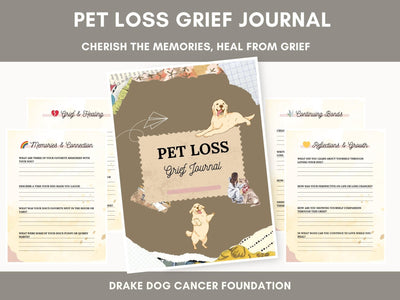
For homework, I often suggest something concrete rather than abstract journaling. A guided prompt can help clients organize the story before they try to interpret it. Tools like this free grief journal for dogs can be useful when a client is flooded and doesn't know where to start.
What does not work
A lot of well-meaning support fails for predictable reasons:
| Approach | Why it falls flat |
|---|---|
| “At least she lived a long life” | It skips the present pain |
| “You can always adopt again” | It treats attachment as replaceable |
| Overexplaining grief stages | It makes the session about theory, not the person |
| Premature ritual suggestions | It can feel performative if the client hasn't been heard |
| Acting as a therapist when you're not one | It creates ethical and legal risk |
The foundation of this field is simple to describe and hard to do well. Stay accurate. Stay regulated. Let the client's bond lead the work.
Choosing Your Pet Grief Counseling Training Pathway
Not all training pathways prepare you for the same job. Some are built for volunteers. Some are built for licensed clinicians. Some are broad introductions. Others address a narrower, harder problem, such as helping families through a cancer diagnosis before the loss has occurred.

The three main routes
A simple way to compare pet grief counseling training is to sort programs into three buckets.
| Pathway | Best for | Watch for |
|---|---|---|
| University-led certificates | Professionals who want structured academic framing | May emphasize theory more than niche end-of-life scenarios |
| Independent online specialist programs | Working professionals who need flexibility and applied tools | Quality varies widely |
| Continuing education workshops | Licensed clinicians adding a pet-loss specialty | Often narrow in scope and not enough by themselves |
If you're reviewing online delivery options, it helps to think beyond curriculum and consider the learning experience itself. A practical benchmark is how clearly a provider organizes lessons, community features, and student support. Resources like this GroupOS online course comparison can help you evaluate how a training business is built, especially if you value discussion, accountability, or live interaction.
What to look for in a curriculum
A credible program should answer basic questions quickly.
Does it teach the human-animal bond in a serious way? Does it include grief models, special populations, rituals, spirituality, and communication skills? Does it define what kind of role the training prepares you for?
The APLB pathway is useful here as a benchmark because it shows how a formal specialist track can be structured. Their certificate program covers foundational topics including the human-animal bond, models of grief, types of grief and loss, helping others through pet loss, special populations, spirituality, and entering the field, with a clear weekly workload and completion expectations, as noted earlier in this article.
The gap most programs still leave open
Here's the issue I'd push every prospective counselor to examine closely. Many programs teach grief after death reasonably well. Fewer prepare you for the months before death, when a family is living with scans, treatment decisions, relapses, declining appetite, and repeated quality-of-life questions.
That gap matters. Available resources for pet owners often focus on coping and decision-making, but many training tracks still give only brief attention to guiding families through euthanasia and anticipatory grief in medically complex cases like cancer, leaving a real practice gap for counselors who want to support clients before the loss occurs (Best Friends grieving the loss of a pet resources).
The hardest conversations usually don't happen after the pet dies. They happen while the family is still deciding what “enough suffering” means.
Why anticipatory grief training deserves extra weight
Anticipatory grief changes the job. You're not only helping someone remember. You're helping them function while they love a pet whose condition is changing.
A counselor trained in this area can help clients:
- Track decision pressure: “Are we extending life, or extending distress?”
- Name layered stressors: prognosis uncertainty, financial strain, caregiver fatigue, family disagreement
- Use quality-of-life language carefully: not as a verdict, but as a structured reflection tool
- Prepare for euthanasia conversations: without turning every session into a countdown to death
Specialized education can offer significant benefits in these situations. For instance, the Holistic Dog Cancer Support Coach program reflects the kind of adjacent training that becomes relevant when your clients are navigating chronic illness rather than sudden loss. If your intended niche involves canine cancer families, you'll want pet grief counseling training that addresses illness trajectory, not only bereavement aftermath.
A practical way to compare programs
When I advise colleagues, I tell them to score programs against the work they want to do, not the certificate title.
Use criteria like these:
-
Role fit
If you're a veterinary professional, you may need communication and referral skills more than psychotherapy language. If you're a licensed therapist, you may need pet-specific grief adaptation rather than a broad introduction. -
Anticipatory grief depth
Look for actual coverage of prognosis conversations, euthanasia regret, and support during decline. A single lesson mention isn't the same as practice-ready training. -
Interaction and feedback
Self-paced content can work, but some learners need live discussion, supervision cues, or case review. -
Faculty and scope clarity
Does the provider clearly state whether the training is for peer support, counseling support, or licensed clinical practice? - Usability in practice Can you leave with intake questions, session structure ideas, referral policies, and scripts for common conversations?
A final caution. Don't confuse brand polish with training depth. A sleek site can still deliver thin content. Read the curriculum line by line.
The Crucial Role of Practicum and Supervision
Coursework can teach concepts. Supervision teaches judgment.

That difference matters fast when a grieving client goes quiet after describing euthanasia, or when a support conversation starts drifting into trauma disclosure, self-blame, or marital conflict. Reading about those moments is not the same as handling them live.
What practicum actually gives you
A good practicum closes the gap between “I understand grief” and “I can respond safely under pressure.”
That might include:
- Observed mock sessions: You practice openings, reflections, and session pacing with feedback.
- Shadowing: You watch how an experienced professional asks about guilt, anger, surviving pets, and family conflict.
- Case review: You bring difficult moments to supervision and unpack what you missed.
- Co-facilitation experience: If your scope allows group support, you learn how to manage multiple stories in one room.
The value isn't perfection. It's calibration. You learn when to slow down, when to normalize, when to redirect, and when to refer.
How to vet a supervisor
Don't choose a supervisor only because they're kind or available. Ask direct questions.
- Experience with pet bereavement: Have they supported clients through euthanasia, sudden loss, and anticipatory grief?
- Approach to feedback: Do they review actual language choices, or only talk in broad encouragement?
- Boundary management: How do they help supervisees recognize scope-of-practice issues?
- Self-protection: What do they teach about secondary trauma, compassion fatigue, and ritualized decompression after hard sessions?
One question I always recommend is this: How do you help a new counselor manage their own emotional reactions without becoming detached?
Supervisor test: If a mentor can't explain how they handle vicarious grief, they probably can't teach you to handle yours.
Later in your training, it helps to watch another practitioner explain these dynamics in action. This short discussion is a useful example of the tone and steadiness grief work requires:
The ethical reason supervision isn't optional
The American Veterinary Medical Association draws a clear line between volunteer support and clinical leadership. Its guidance states that formal volunteer training is appropriate for helpline work, but because support groups can trigger intense interactions and require management of complex dynamics, only a licensed, clinically trained mental health professional with experience in group dynamics and grief counseling should facilitate a pet loss support group (AVMA pet loss support guidance).
That policy should shape how you train. If you are not a licensed mental health professional, supervision helps you build a safe, useful service without drifting into roles you are not qualified to hold.
Launching Your Practice and Finding Clients
Once you're trained and supervised, the fundamental question is simpler than it sounds. Who will trust you first?
In this niche, clients usually arrive through relationships, not broad advertising. Veterinary clinics, oncology teams, hospice providers, shelters, pet memorial services, and referral networks matter more than generic brand awareness.
Choose a practice model that fits your scope
You don't need a private practice on day one. Several launch paths are viable:
- Embedded support role: Partner with a veterinary clinic, hospice practice, or shelter to offer grief consults and referral follow-up.
- Adjunct service: Add pet bereavement support to existing work as a coach, doula, chaplain, or licensed therapist.
- Independent niche practice: Build a focused service around one-to-one grief support, anticipatory grief, or end-of-life planning for chronic illness.
A practical starting offer is often educational rather than therapeutic. For example, a local clinic may be open to a short workshop on coping with a difficult diagnosis, especially if their team regularly fields distressed calls from families facing cancer or decline.
What marketing actually works here
Generic advice like “post more on social” is too blunt for this field. Better moves are small, specific, and trust-based.
Try these:
-
Create referral-ready materials
Make a one-page overview for clinics that explains your audience, scope, referral process, and when you refer out. -
Offer one concrete presentation
Topics like “how to talk with children after a pet's death” or “supporting anticipatory grief during canine cancer” are easier for partners to say yes to than a vague intro talk. -
Write practical content
Checklists, grief prompts, memorial ideas, and end-of-life conversation guides are more useful than inspirational posts. -
Make contact easy
A simple intake form, clear boundaries, and transparent service descriptions reduce hesitation.
If you want a broader look at converting expertise into paying work without sounding pushy, this guide on coaching sales for creators is useful because it focuses on offers, messaging, and audience fit rather than empty visibility advice.
A sample first-year roadmap
You asked for practical planning, so here's a simple model. Costs vary widely by location, credentials, software, and business structure, so treat this as a planning framework rather than a universal price sheet.
| Phase | Timeline | Key Activities | Estimated Cost |
|---|---|---|---|
| Foundation | Months 1 to 3 | Complete training, define scope, draft referral policy, choose service format | Varies by program and business setup |
| Supervised launch | Months 4 to 6 | Run mock sessions, secure supervision, build intake forms, create clinic handout | Varies by supervisor, software, and insurance choices |
| Soft market entry | Months 7 to 9 | Meet local veterinary contacts, offer one workshop, publish practical articles or resources | Varies by printing, event, and website needs |
| Practice refinement | Months 10 to 12 | Review referrals, adjust offers, improve scheduling flow, strengthen partnerships | Varies based on tools and marketing choices |
Budget categories to plan for
Instead of pretending there's one standard startup number, budget by category:
- Training and continuing education
- Professional supervision or consultation
- Liability insurance and business registration
- Website, scheduling, and consent forms
- Printed materials for veterinary partners
- Basic marketing assets and email tools
For pet professionals building visibility, practical resources like these marketing tools for pet professionals can help you choose simple systems without overbuilding too early.
Start with one clear offer, one referral pathway, and one audience. A scattered launch usually creates confusion, not momentum.
Ethical Practice and Future-Proofing Your Career
A sustainable career in this field depends less on charisma than on clarity. Clients trust you when your role is understandable, your boundaries are steady, and your referrals are timely.
Scope of practice is your backbone
Pet grief support sits near counseling, veterinary communication, end-of-life care, and coaching. That proximity creates confusion unless you define your role carefully.
If you are not a licensed mental health professional, don't present yourself as one. Say what you do plainly. You provide grief support, education, emotional processing tools, and referrals when a client needs psychotherapy, crisis intervention, or more intensive care.
That distinction protects clients and protects your career.
Build your ethics into daily operations
Ethics isn't only a statement on a website. It shows up in ordinary systems.
- Confidentiality: Use informed consent and be clear about limits.
- Documentation: Keep concise records that match your scope.
- Referral pathways: Know where to send clients for licensed mental health care, veterinary questions, or emergency support.
- Consultation habits: Bring difficult cases to supervision or peer consultation before you drift into improvising beyond competence.
Keep learning in the areas the field still under-serves
Some of the most important future-facing topics are the least developed in public training content. That includes disenfranchised grief, caregiver burnout, professional boundaries, culturally responsive care, and support for families in low-resource settings.
The field's next refinement is likely to address specialized needs. Broad grief theory will always matter, but many professionals now need narrower protocols for stigmatized grief, complicated caregiving situations, and hybrid support models. If you keep studying only the basics, your work will eventually flatten into generic empathy.
A durable professional habit is to review your caseload and ask, “Whose grief am I less prepared for?” Multiple-pet households. Rural clients with limited veterinary access. Families split over treatment decisions. Clients whose communities minimize the loss. Those are training questions, not just personality challenges.
Stay teachable and specific
The professionals who last in this work tend to do three things well:
| Practice habit | Career effect |
|---|---|
| They keep their role clear | Fewer ethical problems and cleaner referrals |
| They seek supervision early | Better judgment under pressure |
| They pursue focused continuing education | More useful support for complex cases |
Your career won't be future-proof because pet grief disappears. It will be future-proof because your skills stay relevant as client needs become more nuanced.
If you want training that connects grief support with the realities of canine illness and end-of-life decision-making, explore the programs and professional resources at Drake Dog Cancer Foundation & Academy. It's a practical place to continue your education if your work sits at the intersection of pet loss, anticipatory grief, and support for families facing dog cancer.


