





The house is too quiet. No clicking of nails on the hardwood, no rhythmic jingle of a collar, and no heavy sigh from the corner of the rug. That silence isn't just empty; it’s heavy. It’s a piece of lead that sits in your chest, making every breath feel like a deliberate choice.
If you’ve found your way to this page, chances are you know exactly what that weight feels like. You’ve sat in the vet’s office when the air felt like it was made of glass. You’ve looked into eyes that loved you unconditionally and realized you had to say the hardest goodbye.
What if that pain wasn't the end of the story?
Many of us in the Drake Dog Cancer Foundation community reach a point where we want to turn our "mess" into a message. We want to take the lessons we learned in the trenches of hospice care and end-of-life decisions and use them to light the way for someone else. That is the heart of a Pet Grief Coach. It is about becoming a "gentle guide" for people navigating the loneliest landscape on earth.
If you feel called to this work, this guide will show you how to transition from a grieving pet parent to a certified professional who helps others find their way back to the light.
What is a Pet Grief Coach?
Before we dive into the "how," let’s talk about the "what." A Pet Grief Coach isn't necessarily a clinical psychologist: though some are. Instead, a coach is a companion. While a therapist might look back at past traumas, a coach walks beside a client in the now.
You are there to validate their feelings when the rest of the world says, "It was just a dog." You are there to help them navigate the crushing guilt that often follows euthanasia. You are the one who understands that a dog isn't "just" a pet; they are a witness to our lives.
At the Drake Dog Cancer Foundation & Academy, we believe that coping with the loss of a dog is a journey that requires both clinical understanding and soul-level empathy.

Is This Calling Right for You?
Becoming a coach is about more than just having a big heart. It requires the ability to hold space for others without drowning in their sorrow. Ask yourself:
- Can I listen to heartbreaking stories without trying to "fix" the person immediately?
- Am I comfortable talking about death and the dying process?
- Do I have the emotional resilience to manage my own "compassion fatigue"?
- Am I ready to turn my personal experience into a professional tool?
If you’re nodding your head, then you’re ready to look at the practical steps to getting certified.
Choosing the Right Certification Program
The "wild west" of the internet means anyone can call themselves a coach, but if you want to be effective and respected, certification is key. It gives you the framework to handle complex emotions safely. Based on our research and industry standards, here are the paths you can take:
1. For Professionals (The AIHCP Path)
The American Academy of Grief Counseling (AIHCP) offers a Pet Loss Grief Counseling Certification. This is a "high-bar" program. It’s perfect if you already have a background in human services.
- Prerequisites: You usually need to be a licensed nurse, vet, social worker, minister, or have a degree in psychology.
- The Work: Six self-paced courses covering the physiological and psychological aspects of mourning.
- The Cost: Roughly $925 for courses plus a $220 certification fee.
2. For the Passionate Advocate (The Love2Coach Path)
If you don't have a medical or counseling degree but have a deep well of lived experience, programs like Love2Coach are incredible.
- Prerequisites: None. They value your empathy and life experience above all else.
- The Focus: They bridge the gap between "I’ve been there" and "I know how to help you move forward."
- Benefit: They often provide tools to help you actually launch your online business, which is a huge hurdle for many new coaches.
3. Specialized Training (Spirit Paw or PetLoss Partners)
For those who want a more niche focus, the Spirit Paw Academy or PetLoss Partners offer levels of certification that focus heavily on the spiritual and energetic bond between humans and animals.

What You’ll Learn: The Core Curriculum
Regardless of which program you choose, a solid certification will teach you:
- The Stages of Grief (Pet Edition): Grief for a pet is often "disenfranchised grief," meaning society doesn't always recognize it. You’ll learn how to help clients navigate this lack of external support.
- Communication Skills: How to ask open-ended questions that help a client process their guilt.
- The Ethics of Coaching: Knowing when a client’s needs exceed your training and when to refer them to a mental health professional.
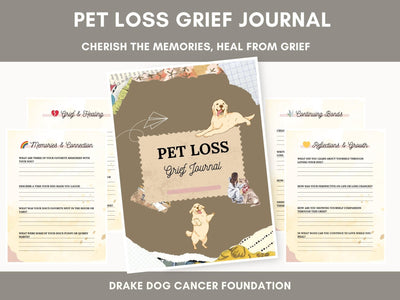
- Children and Pet Loss: Helping parents explain death to children is a massive part of this role. You can even point families toward resources like our Free Grief Journal for Dogs to help them process together.
The Steps to Getting Started
If you’re ready to take the leap, here is your roadmap:
Step 1: Verify Your Eligibility
Check the prerequisites. If you don't have a college degree in a related field, look for programs that value "life experience." Don't let a lack of a degree stop you: some of the best coaches I know are those who have walked the fire themselves.
Step 2: Enroll and Dive In
Most of these programs are 100% online. This means you can study while your current pup snoozes at your feet. Take your time with the modules. This isn't just about passing a test; it's about absorbing the capacity to help a soul in pain.
Step 3: Practice "Companioning"
Many programs require "practice hours." This might feel intimidating, but remember: you aren't performing surgery. You are listening. You are validating. You are being the person you wish you had when you were at your lowest.
Step 4: Apply for Your Credentials
Once you’ve passed your exams and finished your hours, you’ll receive your title. Whether it’s "Certified Pet Loss & Grief Specialist" or "Certified Pet-Loss Grief Support Specialist (PGSS-C)," wear it with pride.

Building Your Online Coaching Presence
Once you’re certified, the "online" part of "online pet grief coach" comes into play. You don't need a fancy office; you just need a heart and a high-speed internet connection.
- Create a Safe Space: Your website or social media should feel like a warm hug. Use soft colors and compassionate language.
- Offer Value First: Share blog posts about making decisions when a dog has osteosarcoma or how to find a holistic vet.
- Join a Community: You don't have to do this alone. Joining the Dog Cancer Community can help you connect with pet parents who are currently in the "anticipatory grief" phase and need your support.
The Financial Reality
Is this a lucrative career? It can be. Most pet grief coaches charge between $50 and $150 per session. However, most people enter this field for the "heart income." They do it because they know that by helping one person through the loss of their dog, they are honoring their own dog’s legacy.
It’s a way to keep the love alive.

Final Thoughts: Your Purpose Awaits
If you are reading this through tears, or if you are reading this months after your loss and finally feeling a spark of purpose: listen to that feeling. The world needs more people who aren't afraid of the "dark" parts of pet ownership.
We need people who can talk about B-cell and T-cell lymphoma one minute and offer a shoulder to cry on the next.
You have the capacity to take your deepest sorrow and turn it into a lifeline for someone else. You’ve already done the hard part: you’ve survived the loss. Now, you’re just learning how to help others do the same.
You’ve got this. And we’ve got you.
If you’re ready to start your journey of healing and helping, check out our Dog Cancer Academy for more resources on how to support pet parents through the toughest times of their lives. 🐾✨

