





The moment the vet stops talking and the room goes silent, the world shifts. It feels as if a piece of paper, the one with the test results, suddenly weighs a thousand pounds. We’ve been there. We know that heavy, ringing silence. When the goal shifts from "curing" to "comforting," it isn’t a failure. It’s a transition. It is the beginning of a final, sacred mission: the journey of hospice and end-of-life care.
As a dog cancer coach, I don't just see medical charts; I see the bond you share. This guide is here to walk beside you as we navigate the fog of terminal illness, ensuring your best friend’s final chapters are written with dignity, peace, and an abundance of love.
Redefining the Mission: From Cure to Comfort
In the early stages of a cancer diagnosis, we are often in "warrior mode." We are looking at T-cells (our "soldiers") and B-cells (the "intelligence officers") and trying to find ways to bolster the frontline. But there comes a point where the most courageous thing we can do is put down the sword and pick up the pillow.
Hospice, or palliative care, isn't about giving up. It is about giving back. It is about honoring the years of loyalty your dog has given you by ensuring their remaining time is free from fear and pain.
In this stage, our "North Star" changes. We no longer measure success by tumor size or blood counts. We measure it by tail wags, the enjoyment of a favorite treat, and the peacefulness of a nap in the sun.

Managing the "Invisible": Pain and Discomfort
One of the greatest fears pet parents have is that their dog is suffering in silence. Dogs are masters at hiding pain, it’s an evolutionary survival instinct. As your coach, my first priority is helping you become a "pain detective."
Pain management in end-of-life care is often multimodal. This means we use a combination of tools to attack pain from different angles:
- Pharmaceuticals: Medications like NSAIDs, Gabapentin, or even stronger opioids are the heavy hitters. They keep the baseline of pain low.
- Holistic Support: Many of our community members find that high-quality CBD or gentle massage can significantly reduce the "noise" of chronic discomfort.
- Physical Comfort: Simple things like orthopedic beds, ramps for the car, and keeping the floor non-slip can prevent the "micro-pains" that happen during daily movement.
Is he hurting? Is she just tired? If you find yourself asking these questions, it’s usually time to adjust the comfort plan. Remember, we want to stay ahead of the pain, not chase it.
The Quality of Life Scale: Tracking the "Good Days"
Grief has a way of blurring our memory. On a bad day, it feels like it has always been bad. On a good day, we might trick ourselves into thinking the cancer is gone. To make objective decisions, we need a map.
We recommend keeping a daily journal. It doesn’t have to be long. Just a simple mark: a sun for a good day, a cloud for a neutral day, and a raincloud for a bad day.
Look for these key indicators:
- Mobility: Can they get up and move comfortably?
- Appetite: Are they still finding joy in food? (Check out our guide on feeding a dog with cancer for tips on coaxing a fading appetite).
- Hydration: Are they drinking enough?
- Interaction: Do they still seek out your company, or are they "checking out" and hiding in a corner?
You can download our free grief journal for dogs to help track these shifts. When the "rainy days" begin to outnumber the "sunny" ones, your map is telling you that the destination is near.

Creating a Sanctuary: The Home Environment
Your home is your dog's entire world. During hospice, we want to make that world as small and cozy as possible.
- The "Safe Zone": Create a resting area in a central part of the home so they don’t feel isolated, but away from high-traffic chaos.
- Scent and Sound: Dogs rely heavily on scent. Keep their favorite "stinky" blankets nearby. Soft, classical music or white noise can help drown out startling sounds that might cause anxiety.
- Dignity in Hygiene: If your dog is struggling with incontinence, it can be distressing for them (and you). Using "doggy diapers" or waterproof pads allows them to stay clean without the shame of an "accident."
It’s okay to pamper them. This is the time for the "Forbidden Foods" (within reason) and the extra-long ear scratches.
Making the Hardest Choice: Better a Week Too Early...
The question every pet parent asks a dog cancer coach is: How will I know when it’s time?
There is a saying in the hospice community: "Better a week too early than a minute too late." This sounds harsh, but it is rooted in deep compassion. We want your dog's final memory to be one of peace and your loving touch, not a midnight emergency room crisis.
Euthanasia is the final gift we give our pets. It is the act of taking their physical pain and folding it into our own hearts so they don't have to carry it anymore.
If you are struggling with a specific diagnosis, like bone cancer, reading about making decisions when your dog has osteosarcoma can help clarify what the "end" might look like for that specific disease.
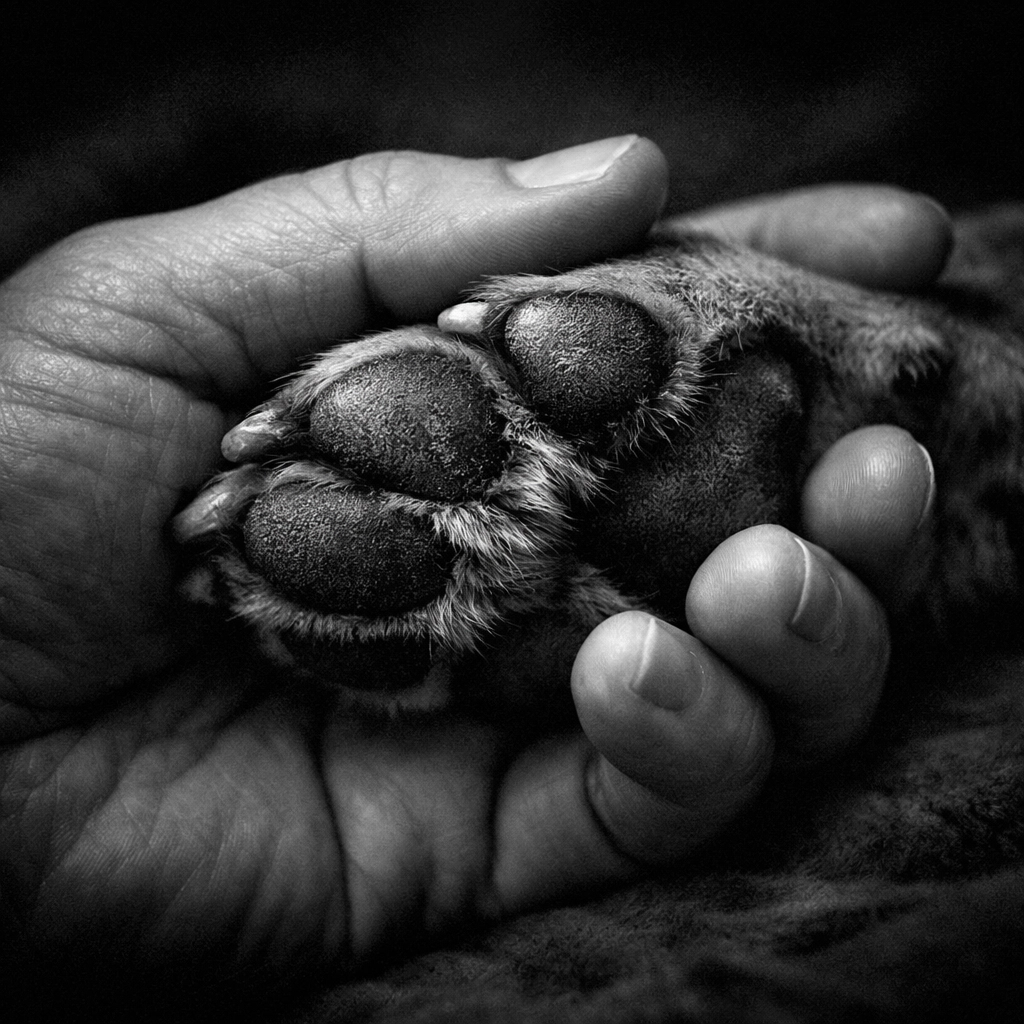
Emotional Support: Caring for the Caregiver
You cannot pour from an empty cup. Anticipatory grief, the grief we feel while our pet is still alive, is exhausting. It’s a physical weight.
- Validate your feelings: It is okay to cry. It is okay to feel angry. It is okay to feel relieved when the struggle is finally over.
- Find your tribe: Don't do this alone. Join our dog cancer community to talk with people who truly understand that this isn't "just a dog."
- Legacy planning: Start thinking about how you want to honor them. A photo book, a garden stone, or a donation to help other dogs can provide a sense of purpose during the heartbreak.
The Bridge Between Here and There
As a dog cancer coach, I often tell my clients that love is a circular journey. It starts with the joy of a new puppy and ends with the quiet dignity of a senior's final breath. Neither part is less important than the other.
By focusing on hospice care and end-of-life planning, you are ensuring that the bond you've built isn't overshadowed by the disease. You are making sure that the final word in your dog's story isn't "cancer", it's "love."
If you are currently walking this path, please know that your strength is seen. You are doing an incredible job in the hardest of circumstances. For more resources on navigating this transition, visit our blog on coping with loss.
You’ve got this. And we’ve got you.

At Drake Dog Cancer Foundation, we are dedicated to providing the education and emotional support you need to navigate a cancer diagnosis. From clinical insights to heart-centered coaching, we are here for every step of the journey. If you found this guide helpful, consider signing up for our newsletter to stay connected with our community.