





The vet’s office always smells the same: stale antiseptic and heavy silence. But today, the air feels different. It feels thick, like you’re trying to breathe through a wet blanket. When the word “cancer” finally hangs in the air, the world goes quiet. Suddenly, that diagnostic report in your hand becomes a piece of paper that weighs a thousand pounds.
We know that weight. We’ve felt it, too.
In those first few days after a diagnosis, your brain becomes a storm of statistics, medication schedules, and “what-ifs.” It’s a state of high-alert survival where you're trying to process terms like "metastasized" or "mitotic index" while simultaneously trying not to cry in the grocery store aisle. It’s a lot for one heart to carry.
That is why we talk about journaling. Not as a chore, and certainly not as another "to-do" on an already exhausting list. We look at a dog cancer journal as a lighthouse. When the fog of illness rolls in and you can’t see the shore, the journal is the steady light that shows you exactly where you are: and more importantly, where your dog is.
The Cognitive Load: Why Your Brain Needs a Backup Drive
When your dog is diagnosed with cancer, your role changes overnight. You are no longer just a pet parent; you are now a nurse, a researcher, a nutritionist, and a medical advocate. The amount of data you have to track is staggering.
- Did he eat all of his breakfast?
- Was that limp slightly worse this morning, or am I just imagining it?
- When was the last time we gave the anti-nausea medication?
Our brains aren't built to store this kind of high-stakes data under extreme stress. Stress creates "brain fog," making it nearly impossible to remember if a symptom started on Tuesday or Thursday. By putting pen to paper (or finger to screen), you are offloading that stress. You’re moving the data from your overworked mind onto the page. This frees up your mental energy for what actually matters: being present with your dog.

Tracking the Physical: More Than Just Symptoms
A dog cancer journal acts as a clinical record that is far more detailed than anything your vet can capture in a fifteen-minute exam. You are the expert on your dog. You know the exact "vibe" of their tail wag and the specific way they sigh when they’re truly comfortable.
When you track daily, you start to see patterns. We like to think of your dog’s immune system like a defense force. The B-cells are the "intelligence officers," identifying the intruders, while the T-cells are the "soldiers" on the front lines. By journaling, you are essentially acting as the Command Center, keeping track of how the battle is going.
In your journal, try to note:
- Appetite and Hydration: Are they excited for meals? Feeding a dog with cancer requires careful monitoring of caloric intake and nutritional density.
- Energy Levels: Is it a "park day" or a "nap-on-the-porch day"?
- Mobility: Note any stiffness or changes in gait.
- Elimination: It’s not glamorous, but tracking "poop and pee" is one of the best ways to monitor internal health.
- Supplements and Meds: Note any reactions to new additions from the apothecary.
The Power of the "Quality of Life" Scale
One of the hardest parts of this journey is the fear of the end. We often ask ourselves, “How will I know when it’s time?” This question can haunt your sleep and steal your joy.
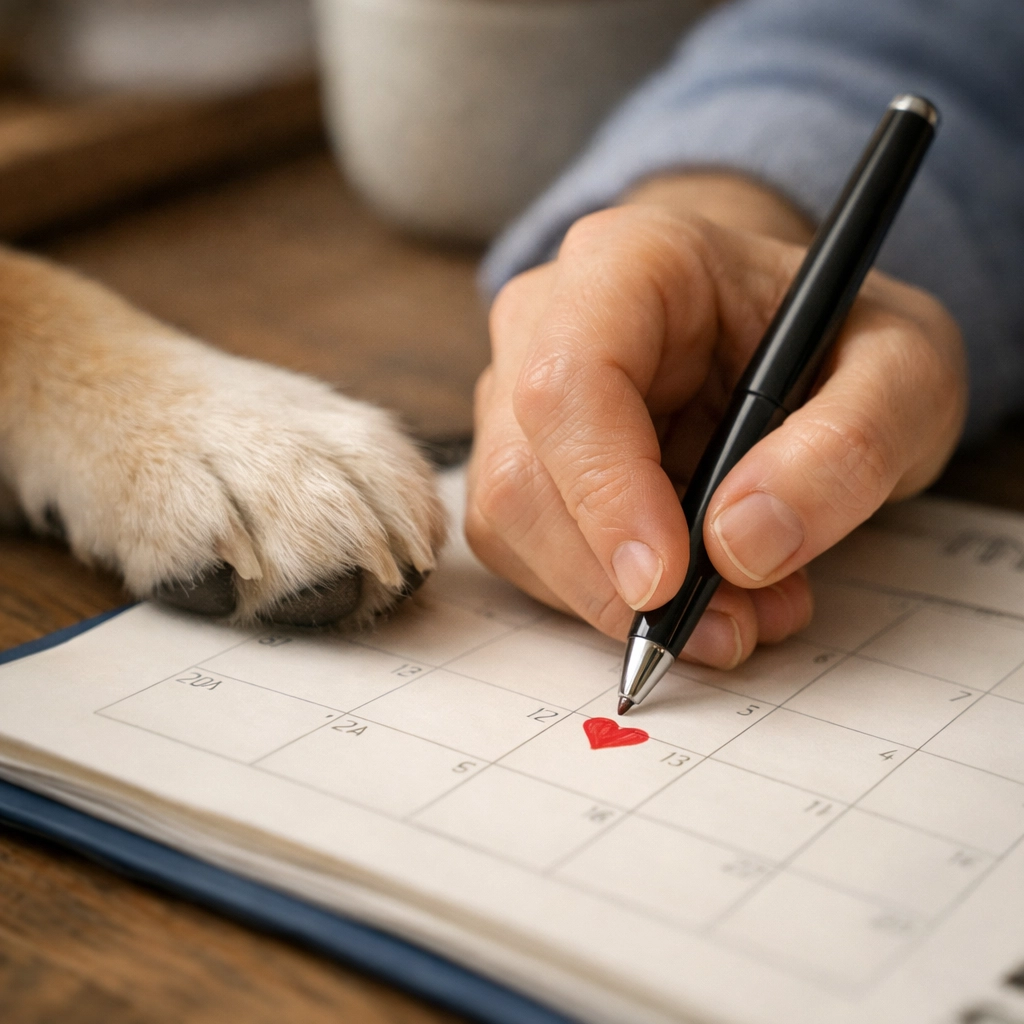
A journal provides an objective answer to a very emotional question. Many of our community members use a simple "Good Day / Bad Day" calendar.
- A Good Day is when the tail is wagging, the bowl is empty, and the spark is in their eyes.
- A Bad Day is when pain outweighs comfort, or when they no longer seem like "themselves."
When you look back over a month of entries, you might see that while today was hard, the previous twenty days were beautiful. Or, you might see a gradual trend that helps you make a decision rooted in love and dignity rather than panic. This is the heart of making difficult decisions during a cancer journey. It’s about honoring the bond by being honest about the burden.
Easing the Mind: The Psychological Relief of Documentation
There is a profound psychological shift that happens when you start journaling. You move from being a passive victim of a disease to an active participant in your dog’s care. It gives you back a sense of agency.
Cancer is a thief; it steals your sense of control. But it cannot steal your ability to observe, to comfort, and to record.
It’s okay to write down the hard stuff. Write about your anger. Write about the vet bill that made your stomach sink. Write about the way the house feels too quiet when they’re at the clinic for treatment. Expressing these feelings on paper prevents them from bottling up inside you.
We also encourage you to record the "Golden Moments." In the middle of a cancer fight, it’s easy to focus only on the tumors and the toxins. But don't forget to write about the way the sun hit their fur during their afternoon nap, or the way they still "woo-woo" when the treat bag rustles. These notes will become your most precious possessions later on.
Communicating with Your Veterinary Team
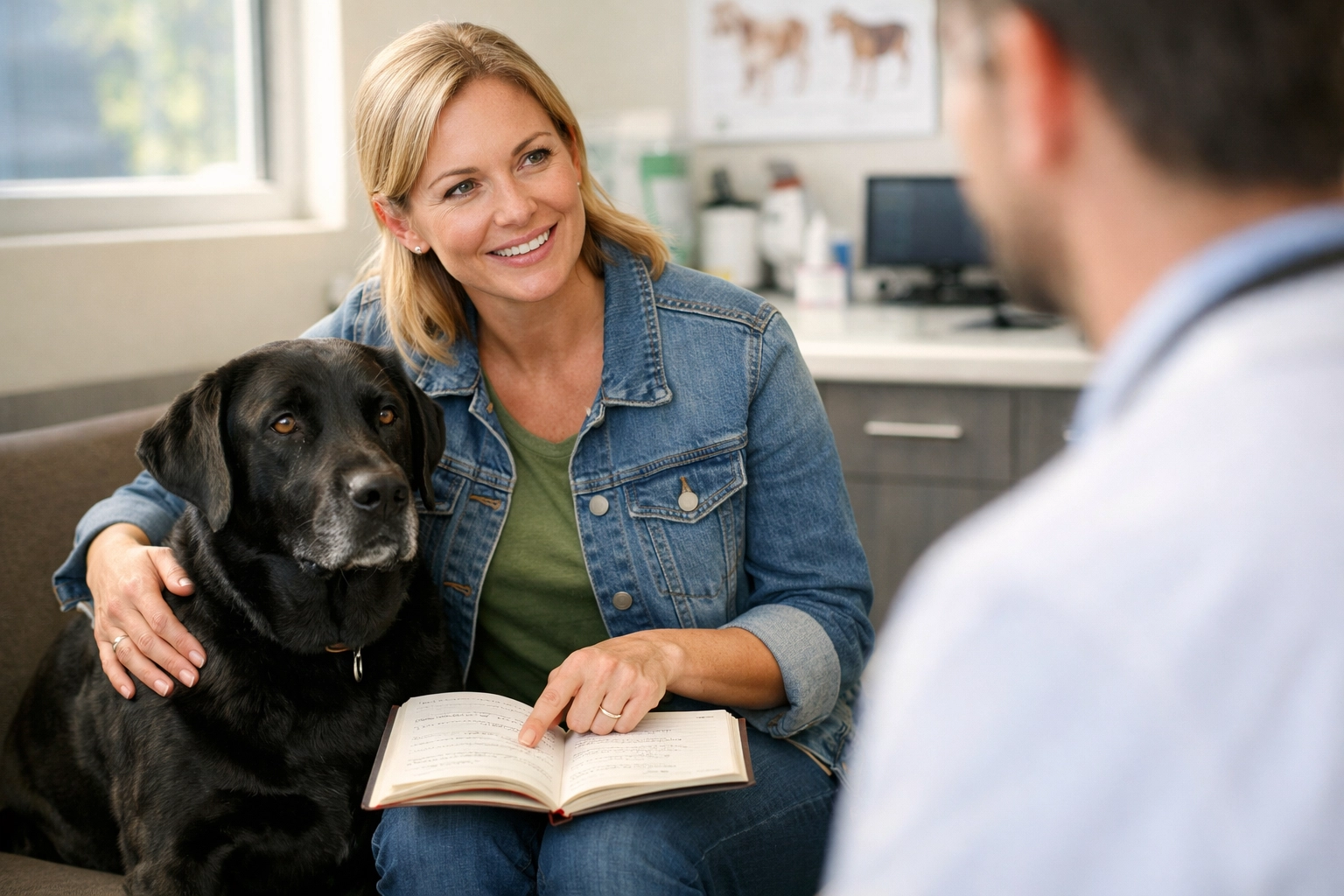
Vets love data. When you walk into a follow-up appointment and say, "He's been doing okay," it doesn't give the oncologist much to work with. But when you open your journal and say, "He had a decrease in appetite on Wednesday and Friday, his respiratory rate was 24 breaths per minute while sleeping, and he's had three 'Bad Days' this week," you are giving them the tools they need to help your dog.
This level of detail can lead to better medication adjustments and more accurate prognoses. It ensures that your dog gets the most personalized care possible. If you are part of our Dog Cancer Community, you know that we advocate for being a "vocal partner" in your pet's healthcare. Your journal is your script.
Getting Started: Simple Steps for the Overwhelmed
You don’t need a fancy leather-bound book (though if that makes you feel better, go for it!). You just need a place to be honest.
- Keep it accessible: Put your journal where you spend the most time with your dog: maybe on the coffee table or the nightstand.
- Use a template: If a blank page feels intimidating, use a structured format. We offer a free grief and health journal specifically designed to help pet parents navigate this emotional terrain.
- Set a "Five-Minute Rule": Don't feel like you have to write a novel. Five minutes before bed is enough to capture the day's vitals and one "love note" to your pup.
- Be kind to yourself: If you miss a day, don't sweat it. This isn't about perfection; it’s about connection.
A Legacy of Love
One day: hopefully a long, long time from now: this journey will come to an end. When that day comes, the journal transforms. It stops being a medical log and starts being a testament to the love you shared. It becomes a map of the mountains you climbed together.
In the depths of coping with loss, many people find that reading back through their journal helps them realize just how much they did for their dog. It silences the "guilt monster" that whispers you didn't do enough. The proof of your devotion is right there, in your own handwriting.

You Are Not Alone in This
The journey of dog cancer is a marathon, not a sprint. It requires endurance, patience, and a whole lot of heart. By tracking the journey, you aren't just managing a disease; you are documenting a life. You are ensuring that every "good day" is celebrated and every "bad day" is handled with the utmost grace.
If you’re feeling lost, reach out. Join our community, download the journal, and take a deep breath.
The world might have gone quiet for a moment, but you are still here. Your dog is still here. And we are right here with you.
You’ve got this. And we’ve got you.