





When your dog has just been diagnosed with lymphoma, the first question often comes out in a rush. How long do we have?
That question is usually carrying several others inside it. Will my dog feel okay? Am I making the wrong choice if I can't pursue everything? If I start prednisone now, am I helping, or only delaying the inevitable?
Those are loving questions. They come from the same place as every late-night check of your dog's breathing, every extra-soft blanket, every attempt to read lymph node swelling with your fingertips. When seeking the life expectancy for a dog with lymphoma on prednisone, you probably don't want a cold number by itself. You want a way to decide what to do next.
Navigating Your Dog's Lymphoma Diagnosis
A common scene in oncology visits goes like this. A family notices enlarged lymph nodes under the jaw or behind the knees, their dog still wants breakfast, and everyone hopes it's an infection. Then the diagnosis lands, and the room changes. Suddenly people are weighing chemotherapy, steroids, finances, scheduling, side effects, and quality of life all at once.
That overload is normal. Lymphoma moves fast enough that decisions feel urgent, but panic doesn't improve decision-making. Clear priorities do.
For many dogs, prednisone enters the conversation quickly because it can reduce lymph node swelling and help a dog feel better. That can sound reassuring, and sometimes it is. But it can also create confusion. Families may hear that their dog "responded" and assume the disease is under control in a durable way, when what they're often seeing is a temporary palliative effect.
What worried owners usually need first
Before choosing a treatment path, focus on three questions:
- How is my dog feeling today: Appetite, energy, breathing, comfort, interest in family, and ability to rest matter more than any single statistic.
- What is our actual goal: Some families want the longest remission possible. Others want low-stress, home-based care. Both are valid goals.
- What decisions are time-sensitive: If you're still confirming diagnosis details, it's helpful to understand early signs and patterns of lymphoma in dogs so you're grounding choices in the whole clinical picture, not just one bad day.
The best decision usually isn't the most aggressive one. It's the one that fits the dog in front of you and the family caring for that dog.
If you're frightened, that doesn't mean you're unprepared. It means you love your dog and you understand the stakes. The next step isn't to chase certainty. It's to understand what prednisone can realistically do, what it can't do, and how to use that information in a way that protects your dog's comfort.
How Prednisone Works and What to Expect
Prednisone is a corticosteroid. In dogs with lymphoma, it can shrink enlarged lymph nodes, improve appetite, and ease some of the inflammation and immune-driven effects that make a dog look and feel unwell.
A simple way to think about it is this. Prednisone acts more like an off switch for inflammation and some lymphoma cell activity. Chemotherapy acts more like a multi-tool attack against cancer cells throughout the body. Prednisone can calm the storm. It doesn't remove the weather system causing it.

What prednisone may improve quickly
Some dogs look better very fast. According to The Pet Oncologist's lymphoma FAQ, prednisone can sometimes improve appetite, comfort, and energy within 1 to 2 days, but the benefit is usually short-lived, with remission often lasting only about 8 to 12 weeks or around 1 to 2 months when used alone.
That quick improvement is one reason families sometimes feel hopeful after the first doses. Hope is appropriate. So is realism.
You may notice:
- A brighter attitude: Your dog gets up more easily, greets you at the door, or seems more interested in normal routines.
- Better appetite: Food suddenly matters again, sometimes with a marked increase in hunger.
- Smaller lymph nodes: Swollen nodes may soften or shrink enough that owners can feel the difference.
For a broader overview of treatment options, this guide to breaking down dog cancer treatments can help place prednisone in context.
What prednisone does not do well
Prednisone alone doesn't usually provide durable disease control in canine lymphoma. That's the key distinction.
Practical rule: If prednisone is helping, use that improvement to assess comfort and make thoughtful decisions. Don't assume the cancer has been defeated.
It can be very appropriate when a dog isn't a good chemotherapy candidate, when a family chooses comfort-focused care, or when immediate symptom relief is needed while next steps are being decided. It is less effective as a long-term strategy for controlling systemic lymphoma by itself.
That doesn't make prednisone a "wrong" choice. It means its role is usually palliation, not cure.
Understanding the Survival Time on Prednisone
This is the number frequently searched for, and it deserves a direct answer.
The American Kennel Club Canine Health Foundation notes that untreated dogs with lymphoma generally die within 3 to 4 weeks, while prednisone alone typically produces short-lived remissions of less than 8 to 12 weeks. It also notes that most dogs do not achieve durable remission on steroid-only therapy in its overview of canine lymphoma history and outcomes.

What that time often looks like in real life
A steroid response doesn't usually look like a straight line. It often comes in phases.
A dog may start prednisone and look noticeably better within days. The family gets a stretch of easier meals, calmer evenings, maybe a return to short walks or favorite routines. Lymph nodes may shrink enough that touching the neck no longer brings a jolt of fear.
Then the response fades.
The nodes begin enlarging again. Appetite may stay strong for a while because prednisone can increase hunger, even as the lymphoma regains ground. Energy drops. Breathing may seem more effortful in some dogs. Families can feel blindsided because the dog looked "almost normal" not long before.
A practical example
Take a typical home scenario. A middle-aged Labrador starts prednisone because the family wants comfort-focused care and can't commit to frequent oncology visits. By the second day, he's eating again and follows his people into the kitchen. For several weeks, the household feels steadier. They schedule favorite visits, take photos, and keep routines simple.
Later, the family notices two things at once. He still wants treats, but he tires more easily and the swelling has returned. That combination matters. It tells you prednisone may still be changing symptoms, but it's no longer controlling the disease enough to preserve meaningful comfort.
A useful next step during that phase is to review current approaches to managing lymphoma in dogs with your veterinarian or oncology team, especially if you're reconsidering whether prednisone alone still matches your goals.
When owners ask whether prednisone "stopped working," what they usually mean is this: my dog looked better for a while, and now the cancer is overtaking that benefit.
That is the central truth behind the life expectancy for a dog with lymphoma on prednisone. Prednisone often buys time. It usually does not buy long-term remission.
Prednisone Alone vs Combination Chemotherapy
Prednisone only makes sense when you compare it with the main alternative. In canine lymphoma, that alternative is usually multi-agent chemotherapy, often a CHOP-based protocol.
A comparison helps because families aren't only deciding between short life and long life. They're deciding between different treatment burdens, different goals, and different ways of spending time with their dog.
Treatment paths for canine lymphoma at a glance
| Factor | Prednisone Alone | CHOP Chemotherapy Protocol |
|---|---|---|
| Primary goal | Comfort and short-term symptom relief | Longer remission with active cancer treatment |
| Survival or remission expectation | Short-lived remission, generally less than 8 to 12 weeks | Remissions commonly about 12 to 18 months, with some dogs living 2 years or longer |
| How treatment is given | Usually oral medication at home | Repeated veterinary visits with multiple drugs over time |
| Daily life impact | Lower treatment intensity, simpler home routine | More appointments, more monitoring, more logistics |
| Best fit for | Families prioritizing palliative care or unable to pursue definitive therapy | Families seeking the longest typical remission and able to commit to oncology care |
According to Canine Lymphoma's life expectancy overview, conventional multi-agent chemotherapy protocols such as CHOP commonly produce remissions lasting about 12 to 18 months, with some dogs living 2 years or longer, while prednisone alone generally leads to short-lived remissions of less than 8 to 12 weeks.
How to weigh the trade-offs
If you're comparing options, ask practical questions rather than abstract ones.
- Can my dog handle travel and appointments: Some dogs stay relaxed in clinics. Others find repeated visits exhausting.
- Can our household support the schedule: Chemotherapy isn't just a medical decision. It's also a calendar decision.
- What matters most to us right now: For some families, more time is the goal. For others, fewer interventions are the priority.
If you want a plain-language overview of the standard protocol, this guide to the CHOP protocol for dogs is useful before your oncology appointment.
Prednisone is often the gentler path in terms of logistics. CHOP is usually the stronger path in terms of remission length.
Neither choice is automatically more loving. The right fit depends on what your dog can tolerate and what your family can sustain.
Caring for Your Dog on Prednisone
The day prednisone starts, many families notice changes fast. A dog who seemed tired may eat more, drink constantly, pace at night, or ask to go outside far more often. That does not mean something is going wrong. It means home care now matters just as much as the prescription.

Managing the side effects you will likely notice
Prednisone commonly increases thirst, urination, appetite, panting, and restlessness. Over time, some dogs also lose muscle strength. These effects are often manageable, but they are easier on everyone if you plan for them early.
- For thirst and urination: Keep fresh water available at all times. Plan extra potty breaks, especially late at night and early in the morning. If your dog starts having accidents after years of reliable house training, this is likely a medication effect rather than a behavioral issue.
- For hunger: Measure meals instead of feeding by request. Many dogs act intensely hungry on prednisone even when calorie intake is appropriate. If your veterinarian approves, use low-calorie treats such as small pieces of dog-safe vegetables.
- For panting and restlessness: Keep the sleeping area cool, quiet, and easy to reach. Some dogs do better with a calm evening routine, dim lights, and less stimulation before bed.
- For weakness: Add rugs or yoga mats on slick floors, consider raised bowls, and keep favorite resting spots close to family activity. Shorter walks are often better than long ones, especially if your dog still wants to participate but tires more easily.
Small adjustments can make a big difference.
Here is a helpful visual review of those daily care basics:
Use a quality-of-life checklist, not memory alone
Steroid-only care can change week by week, and sometimes day by day. Owners usually remember the best afternoon and the hardest night. The pattern in between is what helps guide decisions.
A simple daily log is one of the most useful tools I recommend. Track:
- Eating: normal, reduced, or refusing
- Drinking and urination: manageable or disruptive
- Breathing and comfort: relaxed, labored, restless, painful
- Mobility: steady, slipping, struggling to rise
- Joy: greeting family, seeking affection, enjoying familiar routines
Look at the whole dog, not just appetite. A dog who still eats eagerly but pants through the night, seems disconnected, and cannot settle may be telling you more than the food bowl does.
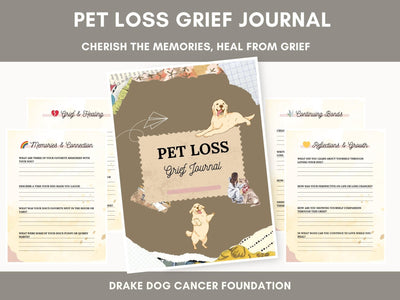
For owners who want a structured way to monitor changes, a quality-of-life guide and a simple daily journal can help families record trends and bring clearer questions to their veterinarian.
A written quality-of-life record often shows decline earlier than memory does.
Bring that record to recheck visits or send updates if your veterinarian offers phone or email follow-up. It helps the medical team adjust supportive care, and it helps families make loving decisions based on what their dog is experiencing at home.
Making Your Decision and What Comes Next
The hardest part of lymphoma care isn't learning that prednisone has limits. It's deciding what those limits mean for your dog, your home, and your heart.
Prednisone has an important role, but it needs to be used with open eyes. According to ImpriMed's survival time discussion for canine lymphoma, prednisone is best viewed as a bridge or quality-of-life intervention when definitive chemotherapy is not feasible, not as a disease-controlling benchmark. It can select for steroid-resistant tumor clones, which may reduce later chemotherapy responsiveness.

A simple framework for the next decision
Ask yourself which of these goals fits your situation right now:
- Pursue active remission-focused treatment: This usually means oncology referral and discussion of combination chemotherapy.
- Choose prednisone for palliative support: This fits families who want symptom relief with less treatment intensity.
- Focus on comfort only: This path centers entirely on symptom management, home support, and a peaceful goodbye when suffering outweighs joy.
None of those choices is a moral test. They are medical and personal decisions made under pressure, with limited time, by people trying to protect a dog they love.
If you're unsure, use the next day or two to gather specifics. Ask your veterinarian what changes would mean the current plan is working, what changes would mean it isn't, and what emergency signs should prompt an urgent call. Then write those answers down.
The life expectancy for a dog with lymphoma on prednisone matters. But the more useful question is often this one. Given the time we likely have, how do we make that time feel safe, comfortable, and connected for our dog?
If you need practical guidance, tracking tools, and education while you make these decisions, explore the resources at Drake Dog Cancer Foundation & Academy. Their community, journal tools, and quality-of-life materials can help you organize questions, monitor daily changes, and feel less alone as you manage what comes next.


