





The world has a way of suddenly going quiet when your hand brushes against something new while you're scratching your dog’s favorite spot behind their ears. One moment, you’re watching TV, sharing a quiet evening with your best friend, and the next, your fingertips find it: a small, firm bump that wasn’t there yesterday.
In that heartbeat, the air in the room feels a little thinner. Your mind starts racing through a thousand questions, and that tiny lump can feel like a piece of paper that weighs a thousand pounds. We know that feeling. We’ve been in that quiet room, too. At the Drake Dog Cancer Foundation, we believe that while fear is a natural response, knowledge is the antidote.
If you’ve found a suspicious bump, you’re likely looking for answers about Mast Cell Tumors (MCTs). Often called the "Great Imitator," these are the most common skin cancers in our canine companions. Understanding the signs of cancer in dogs: specifically how these tumors behave: is the first step in protecting your pup’s health and your peace of mind.
The "Great Imitator": Why Mast Cell Tumors Are So Tricky
Mast cells are actually a normal part of your dog's immune system. Think of them as the body’s "intelligence officers." They live in the tissues that interface with the outside world: like the skin, lungs, and digestive tract: waiting to alert the "soldiers" (T-cells) if an allergen or parasite tries to invade. When they work correctly, they help protect your dog. But when these cells become cancerous and divide uncontrollably, they form a Mast Cell Tumor.
The reason veterinarians call MCT the "Great Imitator" is that these tumors don't have one specific "look." They don't always look like a scary, angry growth. In fact, they are masters of disguise.

A Mast Cell Tumor can look like:
- A simple skin tag
- A common fatty lump (lipoma)
- An insect bite or a hive
- A small wart
- A red, inflamed patch of skin
Because they can look like almost anything, it is impossible to know what a lump is just by feeling it or looking at it. If it's on the skin, it needs a grin: and a vet's opinion. Early detection is everything, and catching these "imitators" before they have a chance to spread is our primary goal. If you're wondering how this could have happened, you might find some comfort in our post on why dogs get cancer.
The Most Important Signs of Cancer in Dogs You Need to Know
When it comes to skin cancer, your eyes and hands are the most powerful diagnostic tools in existence. You know your dog better than anyone else. While we always advocate for a professional's touch, there are specific signs of cancer in dogs that should move a vet visit to the top of your "to-do" list.
1. The Lump That Changes Size
This is perhaps the most hallmark sign of a Mast Cell Tumor. Have you ever noticed a bump that seems large and angry in the morning, but looks smaller or flatter by the evening? Or perhaps it flares up after your dog has been playing or if the area was accidentally bumped?
This isn't your imagination. Because mast cells contain histamine (the stuff that makes your eyes itch during allergy season), any irritation to the tumor can cause those cells to "degranulate." This releases a flood of chemicals into the surrounding tissue, causing it to swell, turn red, or even become itchy.
2. Changes in Color
A benign fatty lump usually stays the same color as the surrounding skin. Mast Cell Tumors, however, often show a personality. They might appear:
- Red or angry-looking
- Bruised or purple
- Darker than the surrounding skin
3. Texture and Persistence
While some MCTs feel soft like a grape, others are firm and "fixed" to the tissue underneath. If a lump feels like it is attached to the muscle or bone and you can't "wiggle" it under the skin, that is a red flag. Additionally, any sore that refuses to heal after two weeks: even if it looks like a simple scratch: deserves a closer look.

The Mystery of the Changing Bump: Darier’s Sign
There is a clinical phenomenon we often discuss with pet parents called "Darier’s Sign." It sounds fancy, but it’s a very practical way to identify potential mast cell activity.
When a Mast Cell Tumor is rubbed or scratched, it may react by becoming hives-like. You might see the skin around the lump turn red or even see small welts appear. This is the "Great Imitator" revealing its true nature. If you notice your dog constantly licking or biting at a specific bump, they might be reacting to the itchiness caused by that histamine release.
Internal thought: Is he licking it because it hurts, or because it’s a tumor?
If you see this "yo-yo" effect where the size and color fluctuate, don't wait. This is your dog's body giving you a clear signal. For those who want to be even more proactive at home, you can explore options like at-home dog cancer testing to get a head start on the conversation with your vet.
Performing a Monthly "Body Scan"
We like to suggest turning a routine grooming session into a "Love Scan." It’s a chance to bond with your dog while performing a vital health check.
- Start at the Nose: Work your way back, using your fingertips to feel deep into the fur.
- Check the "Hidden" Spots: Don't forget the armpits, the groin, between the toes, and under the tail. Mast Cell Tumors love these tucked-away places.
- Document Everything: If you find something, take a photo of it next to a ruler or a coin for scale. Note the date, the color, and how it feels (soft, hard, movable).
- The "Two-Week Rule": If a bump appears, watch it closely. If it hasn't disappeared or if it changes in any way over 14 days, it's time to call the vet.

Regularly checking your dog is one of the greatest acts of love you can provide. It shifts you from a place of passive worry to active protection. If you're feeling overwhelmed by the possibilities, joining a dog cancer community can provide the emotional support you need from people who are walking the same path.
What Happens Next? (The Fine Needle Aspiration)
If you find a lump that exhibits these signs of cancer in dogs, your vet will likely suggest a Fine Needle Aspiration (FNA).
This is a quick, relatively painless procedure: much like a vaccination. The vet inserts a small needle into the lump to collect a few cells, which are then placed on a slide and examined under a microscope. Because mast cell tumors have very distinct-looking granules, a vet can often give you an answer during the appointment or within a day or two.
If the diagnosis is a Mast Cell Tumor, try to take a deep breath. Diagnosis is not a destination; it is a starting point. MCTs are graded (usually Grade 1, 2, or 3) to determine how aggressive they are. Many MCTs are low-grade and can be completely cured with surgical removal.
For those looking for a more integrative approach, our guide to holistic dog cancer treatment offers insights into how you can support your dog’s body through nutrition and supplements alongside traditional care.
Hope is a Strategy, Not Just a Feeling
Finding skin cancer early is a massive win. By paying attention to the lumps and bumps that change size or color, you are giving your dog the best possible chance at a long, happy life.
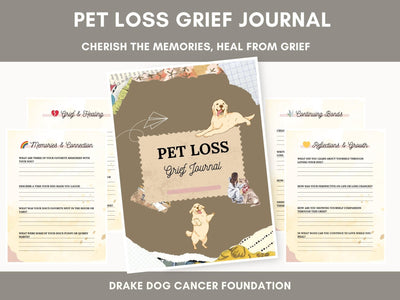
We know the road ahead might feel daunting. You might be worried about surgery, or perhaps you're already thinking about the future. If you are in a place where you need to support a pup in their later stages or are dealing with the weight of a diagnosis, we have resources like a free grief journal to help you process the emotional journey.

Remember, you are your dog’s best advocate. You are the one who notices the small changes, the "yo-yoing" bumps, and the scratches that won't heal. That's not just "being observant": that’s a profound act of devotion.
If you want to dive deeper into how to support your dog through their journey, consider signing up for our newsletter for weekly tips on wellness, nutrition, and proactive care. We also have specialized advice on feeding a dog with cancer to keep their immune system strong and resilient.
You’ve got this. And we’ve got you. Keep checking, keep loving, and keep being the hero your dog thinks you are.
You’re doing a great job, and your dog is lucky to have you in their corner.


