





When we hear the word "lymphoma," the world seems to tilt. It’s a diagnosis that carries a lot of weight, a lot of fear, and a lot of questions. If your veterinarian or oncologist has mentioned Tanovea (the brand name for rabacfosadine), you might be feeling a mix of hope and hesitation. We understand that feeling. We’ve been there, standing in that clinic room, trying to process medical terms while our hearts are solely focused on the dog at our feet.
At the Drake Dog Cancer Foundation, we believe that true healing happens when we combine the best of modern science with the gentlest of holistic care. Tanovea is a relatively new player in the fight against canine lymphoma, and while it offers incredible potential, it also requires us to be vigilant and informed partners in our dogs' care.
In this guide, we’re going to walk through the "Science + Soul" of Tanovea. We’ll look at how it works, the risks you need to know about, and most importantly, how we can support our dogs’ bodies and spirits during this journey.
The Science: What exactly is Tanovea?
Tanovea is what we call a "novel" treatment. In the world of medicine, that’s just a fancy way of saying it’s a first-of-its-kind innovation. Approved by the FDA specifically for canine lymphoma, Tanovea works differently than traditional chemotherapies like doxorubicin.
Technically known as rabacfosadine, it is designed to target and kill rapidly dividing cancer cells by mimicking a building block of DNA. When the cancer cells try to use this "fake" building block to replicate, it stops them in their tracks.
Why is it a popular choice today?
For many families, Tanovea is a lifeline because of its efficiency. Unlike some chemotherapy protocols that require weekly visits for months, Tanovea is typically given as an intravenous infusion once every three weeks. This schedule can be a huge relief for dogs (and humans!) who find frequent clinic visits stressful.
It’s often used in two ways:
- As a first-line treatment: Sometimes used alone or in combination with other drugs to get a dog into remission quickly.
- For "rescue" therapy: If a dog has gone through other treatments and the lymphoma has returned, Tanovea can often step in to provide more high-quality time.
The Soul: Acknowledging the Risks
We don’t believe in false hope; we believe in real help. And real help means talking about the side effects honestly. While many dogs tolerate Tanovea beautifully, there is a specific risk that every pet parent needs to understand: pulmonary fibrosis.
Pulmonary fibrosis is a condition where the lung tissue becomes scarred and stiff, making it difficult for the lungs to work properly. In clinical trials, about 4% of dogs treated with Tanovea developed this condition. While that number is small, it is serious.
Why the lungs?
The science isn't entirely clear yet on why this happens, but it’s considered "idiosyncratic", meaning it’s an unpredictable reaction. Because of this, we have to be the "eyes and ears" for our dogs at home.

Monitoring at Home: Your Most Important Tool
One of the best ways we can support our dogs on Tanovea is through close observation. You don’t need a medical degree to do this; you just need to know your dog.
We always recommend tracking your dog's Resting Respiratory Rate (RRR). This is simply the number of breaths they take in one minute while they are sound asleep or very deeply relaxed.
- What’s normal? Most dogs have an RRR of less than 30 breaths per minute.
- What to watch for: If you notice that your dog’s resting breaths are consistently climbing, maybe they’re hitting 35 or 40 breaths per minute, that’s a sign to call your oncologist immediately.
Early detection of lung changes is the best way to manage risks. If we catch it early, the medication can be stopped or adjusted before the scarring becomes severe. We offer digital trackers and journals specifically designed to help you log these numbers alongside their appetite and energy levels. It’s about taking the guesswork out of "how are they doing?"
Supporting the Lungs Holistically
While the medical team handles the chemo, we can handle the "soul" side of things, supporting the body’s natural defenses and keeping their environment as clean as possible. Here is how we can provide a holistic "shield" for our dogs on Tanovea:
1. Pure Air, Pure Life
Since Tanovea can impact the lungs, we want to make sure the air they breathe is as pristine as possible.
- No smoke: This includes cigarettes, vapes, and even wood-burning fireplaces.
- Natural cleaning: Swap out heavy chemical cleaners and strong perfumes for natural, pet-safe alternatives.
- Air filtration: Using a high-quality HEPA air purifier in the room where your dog sleeps can reduce the burden on their respiratory system.
2. Evidence-Based Nutritional Support
Nutrition is our foundation. When a dog is fighting cancer, their body is in a high-metabolic state. They need "clean fuel."
- Omega-3 Fatty Acids: High-quality fish oils (rich in EPA and DHA) are widely recognized for their anti-inflammatory properties. They may help support systemic health while the body processes chemotherapy.
- Antioxidants (with caution): We often talk about antioxidants like Vitamin E or certain mushroom extracts for immune support. However, it’s vital to coordinate this with your oncologist, as some high-dose antioxidants can interfere with how chemo works.

For more specific guidance on what to feed, you can explore our Lymphoma Collection, where we vet the products that meet our "Science + Soul" standards.
Is Tanovea Right for Your Dog?
Making the decision to start a new drug is never easy. There are a few things to consider:
- Breed matters: There is a specific warning for West Highland White Terriers. Because this breed is already predisposed to lung issues, Tanovea is generally not recommended for them. Other terrier breeds should also be approached with extra caution.
- Pre-existing conditions: If your dog has a history of chronic bronchitis or other lung issues, your oncologist might suggest a different path.
- Quality of Life: Above all, we look at the Joys of Life Scale. If the treatment allows your dog to keep doing the things they love, chasing the ball, enjoying their meals, and snuggling on the couch, then it’s a tool worth considering.

We’re Here for You
The journey through a lymphoma diagnosis is a marathon, not a sprint. Whether you choose Tanovea, a different chemotherapy, or a strictly holistic approach, please know that you don’t have to walk this path alone.
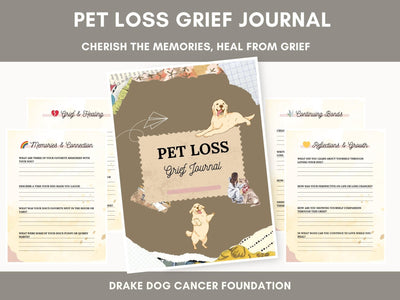
We are dedicated to providing you with the resources, the science, and the heartfelt support you need to make the best decisions for your family. If you're looking for a structured way to manage this new "normal," our cancer journals are a great place to start. They provide a calm, structured space to record medications, track side effects, and: most importantly: record the happy moments that happen every single day.
Because they aren't just patients. They're family. And we're here for you.


