





When you first hear the words "your dog has cancer," the world seems to tilt on its axis. We know that feeling of sheer helplessness, the desperate need to do something to help your best friend fight back. After the initial shock fades, one of the most common questions we hear at the Drake Dog Cancer Foundation is: "What should I be putting in their bowl?"
Food is more than just calories; it is information. It is the fuel for your dog's immune system and the foundation of functional nutrition for dogs. While we can't control the diagnosis, we can control the environment we create inside their bodies. We’ve walked this path with thousands of families, and we’re here to help you navigate the confusing world of canine oncology nutrition with heart and science.
Why Diet Matters: The Functional Nutrition Approach
In the world of root-cause medicine, we look at dog gut health as the command center for the immune system. Roughly 70% of a dog's immune cells live in the gut. When we focus on functional nutrition, we aren't just "feeding" the dog; we are attempting to shift the metabolic landscape to make it as inhospitable to cancer as possible while nourishing the healthy cells.
Cancer cells are metabolic opportunists. They generally prefer glucose (sugar from carbohydrates) to fuel their rapid growth. By adjusting macronutrients, we can support your dog’s strength and vitality without giving the "bad guys" an easy meal.
Your Frequently Asked Questions Answered
1. Should I go grain-free or grain-inclusive?
This is perhaps the most debated topic in pet health today. For a dog fighting cancer, we generally lean toward a low-carbohydrate approach. Since most grains break down into simple sugars, many integrative vets recommend minimizing them to keep insulin levels stable.
However, we must be mindful of the heart. Some boutique grain-free diets have been linked to DCM (dilated cardiomyopathy). The "sweet spot" is usually a diet that prioritizes high-quality animal proteins and healthy fats while using low-glycemic vegetables instead of heavy starches like corn, wheat, or white rice. If you do use grains, think "ancient" and "minimal", like a small amount of quinoa or steel-cut oats, rather than processed fillers.
2. Is a home-cooked diet better than kibble?
Kibble is convenient, but it is often processed at very high temperatures, which can create carcinogenic byproducts like heterocyclic amines. Home-cooked meals allow you to control every single ingredient, ensuring no hidden sugars, preservatives, or low-quality fillers.
If you choose to cook at home, balance is non-negotiable. A dog with cancer needs specific ratios of vitamins and minerals to prevent muscle wasting (cachexia). We always recommend working with a veterinary nutritionist or following a vetted recipe to ensure you aren't inadvertently creating a deficiency.
3. Can I feed my dog raw food during treatment?
This is a nuanced topic. While raw feeding is popular in the holistic community, many oncologists advise against it if your dog is currently undergoing chemotherapy or radiation. These treatments can suppress the immune system, making your dog more vulnerable to bacteria like Salmonella or E. coli that might be present in raw meat.
If your dog is immunocompromised, "gentle cooking" is a fantastic middle ground. Searing or lightly steaming the meat kills surface bacteria while preserving the delicate enzymes and nutrients your dog needs.

4. What are the "must-have" ingredients for a cancer-fighting bowl?
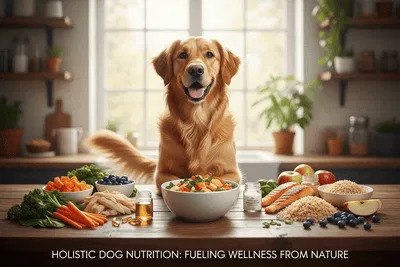
We like to think of the bowl as a colorful pharmacy. Here are the heavy hitters:
- High-Quality Proteins: Lean beef, turkey, chicken, or fish. Protein is vital to prevent the body from breaking down its own muscle tissue.
- Cruciferous Vegetables: Broccoli, cauliflower, and Brussels sprouts contain sulforaphane, a potent compound studied for its anti-cancer properties. (Pro tip: Lightly steam and puree them for better absorption!)
- Antioxidant-Rich Berries: Blueberries and blackberries are low in sugar and high in polyphenols that help fight oxidative stress.
- Healthy Fats: Omega-3 fatty acids (like those found in high-quality fish oil) are essential. They help reduce inflammation, which is the "fuel" for many chronic illnesses.
5. What about supplements and "Superfoods"?
Supplements can be a powerful bridge in your dog's care. We often look at medicinal mushrooms, like Turkey Tail or Reishi, which contain beta-glucans that support the immune system's natural killer cells.
You can explore our curated list of vetted holistic products here to see what might be a good fit for your dog's specific journey. Always remember to introduce new additions slowly to protect that precious dog gut health.
The Power of the "Joys of Life"
While we focus heavily on the science of the "what," we must never lose sight of the "who." Your dog isn't just a patient; they are your family. Nutrition is a tool to give them more "good days", days where they can still chase a ball, sunbathe on the porch, or enjoy a long ear scratch.
We encourage all our families to use the "Joys of Life" scale. It’s a gentle way to track not just their physical symptoms, but their happiness. If a strict diet is making your dog miserable, it isn't the right diet. The goal is vitality, not just longevity.

Avoiding "Analysis Paralysis"
We know you are overwhelmed. You’re reading labels, scrolling through forums, and trying to be a PhD-level nutritionist overnight. Take a deep breath. You don't have to be perfect; you just have to be present.
Start with small, manageable changes:
- Cut the sugar: Swap starchy biscuits for a piece of plain, cooked chicken or a blueberry.
- Add moisture: If you feed kibble, add a little bone broth (onion-free!) to support hydration and gut lining.
- Watch the weight: Keep an eye on their body condition. If they are losing weight rapidly, prioritize calories over "perfect" macronutrient ratios.
We Are Here to Guide You
You don’t have to do this alone. At the Drake Dog Cancer Foundation, we believe that education is the best antidote to fear. We have put together a free course on feeding dogs with cancer specifically designed to take the guesswork out of the kitchen. It’s our gift to you, because we believe every pet parent deserves access to evidence-based, compassionate guidance.
You can find this resource and other lifelines on our sales and resources page. We also invite you to join our newsletter community for weekly tips on functional health and stories of hope from families just like yours.

Driven by Hope
Nutrition is a journey, not a destination. Some days, your dog will eat every vegetable in the bowl. Other days, they might only want a little bit of plain rice. That’s okay. Be gentle with yourself and even gentler with them.
Every healthy meal you provide is a testament to the bond you share. It’s an act of love, a declaration of hope, and a vital part of their care. We’re here for you, every step, and every meal, of the way.
If you have more questions or need a helping hand, please reach out to us. Our mission is to ensure that no pet parent feels lost in the dark after a diagnosis. Together, we can focus on what matters most: honoring the beautiful life of your dog.


