





When you first hear the words "it’s cancer," time seems to stop and accelerate all at once. Suddenly, every wag of the tail feels heavier, and every nap looks like a reason for worry. We’ve been there. We know that pit in your stomach, the one that asks, How will I know when it’s time?
For years, the gold standard for "knowing" was the simple "Good Days vs. Bad Days" calendar. But in 2026, we’ve moved toward something much more powerful: longitudinal data.
It sounds clinical, we know. But at the Drake Dog Cancer Foundation, we believe that combining heartfelt compassion with evidence-based tracking is the ultimate act of love. By shifting from a single snapshot of a "bad day" to a data-driven journey, we can find clarity in the chaos. We can stop guessing and start knowing.
We’re here for you. Let’s walk through how to use the modern QoL journal to honor your dog’s journey.
Why Data Matters When the Heart is Heavy
When we are in the middle of a crisis, our brains aren't great at being objective. Fear has a way of magnifying a single bad afternoon until it feels like the end of the world. Conversely, a single "rally" (that sudden burst of energy dogs sometimes get) can give us false hope that the cancer is miraculously gone.
This is where the 2026 trend of longitudinal tracking comes in. Instead of looking at a single point in time, we look at the trend line.
The Difference Between "The Dip" and "The Slope"
In our Dog Quality of Life Assessment Tracker, we help families distinguish between two very different patterns:
- The Dip (The Temporary Setback): This is a short-lived decline, usually lasting 1–3 days. Dips are often predictable. They happen after a chemotherapy session, a long day at the vet, or a change in weather. If your dog is lethargic on Tuesday but back to their "new normal" by Friday, that was a dip. It’s part of the process, not necessarily a sign of the end.
- The Slope (The Persistent Decline): This is the gradual, consistent downward trend where your dog’s "baseline" keeps dropping. They aren't bouncing back to where they were two weeks ago. When the data shows a slope that doesn't level off, it’s a gentle, clear signal that we need to adjust our care or start the difficult conversation about saying goodbye.

The Joys of Life Scale: Our Heart-Centered Tool
Our founder, Dr. Amber L. Drake, developed the Joys of Life Scale to give pet parents a structured way to measure what truly matters. We aren't just looking at clinical markers; we’re looking at joy.
When you use our Canine Wellness Planner, you aren't just checking boxes. You’re evaluating the pillars of a life well-lived:
- Happiness: Do they still seek out your company? Do they perk up when the "walk" word is mentioned?
- Comfort: Is their pain managed? Are they resting peacefully, or are they restless and pacing? (If pain is a concern, check out our Comfort Gold guide).
- Appetite: Are they eating with interest? We don't just mean "eating because you hand-fed them," but showing that internal drive for nourishment.
- Mobility: Can they get up to go outside? Are they able to navigate the house without significant distress?
- Engagement: Are they still "themselves"? This is the most subjective but often the most important metric.
By scoring these daily, you create a visual map. Over weeks, this map tells a story that your heart might be too overwhelmed to see.
Tracking in 2026: Tech and Tools
We live in an era where data-driven wellness is more accessible than ever. Whether you prefer a digital app or a physical journal, the goal is the same: consistency.

Many of our families use a mix of "High-Tech and High-Touch":
- Smart Collars: Tools like PetPace help track heart rate and activity levels, providing the "hard data" while you sleep.
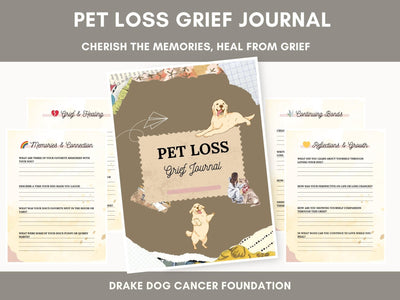
- Digital Templates: Our Dog Cancer Care Planner is designed to be kept on your tablet or printed out. It gives you a dedicated space to note medication reactions, appetite shifts, and those precious "good moments."
How to Spot "The Slope" Before It Becomes a Crisis
One of the hardest parts of this journey is the "creeping normal." We get used to a dog who doesn't play as much, then a dog who sleeps all day, then a dog who barely moves. Because it happens slowly, we don't always realize how far we’ve traveled from the baseline of health.
This is why we look at 2-week windows.
Every Sunday, take a moment to look back at the last 14 days.
- Are the bad days starting to outnumber the good ones?
- Are the "joys" on the Joys of Life Scale becoming harder to find?
- Is the dose of pain medication having to increase just to maintain the same level of comfort?
When the data shows a downward trend that doesn't recover, it’s a lifeline. It’s the data telling you: "You’ve done everything. You’ve given them so much love. It’s okay to focus entirely on comfort now."
We’re Walking This Path With You
At the Drake Dog Cancer Foundation, we promise never to give you false hope. We won't tell you that a journal will cure cancer. But we will tell you that a journal will give you peace of mind.
It removes the "What if I'm wrong?" guilt. When you have the data, you can look your vet: and yourself: in the eye and know that your decisions are rooted in your dog’s actual experience, not just your fears.

If you’re feeling overwhelmed, start small. Download our free Bucket List for Your Dog and pick one joyful thing to do today. Then, tonight, just write down one thing that made your dog happy.
That’s day one. You can do this. We’re here for you.
Summary Checklist for QoL Tracking
- Establish a Baseline: Score your dog on a "typical" day now so you have something to compare to later.
- Use a Structured Tool: Don't rely on memory. Use the Joys of Life Scale.
- Note the "Dips": Mark days when treatment (like chemo) happens so you don't confuse side effects with progression.
- Look for Trends: Review your data every two weeks to see the "big picture."
- Honesty over Hope: Be honest in your scoring. It’s the highest form of advocacy for your dog.
Other Articles in Our Quality of Life Series:
- The Silent Language of Comfort: How to read micro-signals of pain in senior dogs.
- When to Pivot: Shifting from "Fighting Cancer" to "Honoring Life" with compassion.
- The Caregiver’s Compass: Managing your own mental health while tracking your dog’s decline.
- Beyond the HHHHHMM Scale: Why 2026 oncology favors personalized joy-metrics.


