





There is a specific kind of silence that settles over a home when a dog is nearing the end of their journey. It’s not a peaceful silence, at least not at first. It’s heavy. It’s the sound of a heartbeat you’re trying to memorize and a thousand unspoken questions swirling in the air.
When you receive a cancer diagnosis, or when your senior dog starts to slow down significantly, that diagnosis can feel like a piece of paper that weighs a thousand pounds. You carry it with you into every room. You look at your best friend, the one who has seen you through every breakup, every move, and every bad day, and you wonder: How will I know? How do I make sure I’m not waiting too long, but also not giving up too soon?
We’ve been exactly where you are. We know the gut-wrenching "what-ifs" and the 3:00 AM Google searches. We know that in the heat of the moment, your heart and your head are often at war. That is why we use Quality of Life (QoL) scales. They aren't meant to replace your intuition; they are meant to support it. They take the overwhelming, swirling emotions and give them a place to land, turning subjective heartache into clear, actionable data.
What Does "Quality of Life" Actually Mean?
In the clinical world, quality of life is often defined by physiological markers. But for us, for the people who share our beds and our lives with these souls, it’s about dignity, joy, and the essence of "dog-ness."
Is your dog still "them"? Do they still lift their head when the refrigerator opens? Do they still offer that soft tail thump when you walk into the room?
Cancer is a thief. It tries to steal these moments by sending in its "soldiers" (the aggressive T-cells and tumor markers) to disrupt the peace. While we often focus on fighting the disease, especially in cases like osteosarcoma, there comes a point where the focus must shift from the quantity of days to the quality of the moments within them.

The Power of Objective Data: The HHHHHMM Scale
The most widely recognized tool in veterinary hospice is the HHHHHMM Scale, developed by Dr. Alice Villalobos. This scale helps you look at your dog’s life through seven different lenses. Each category is scored from 0 to 10 (10 being perfect).
A total score above 35 generally suggests that the quality of life is still acceptable, but the true value lies in seeing where the "dips" are happening.
1. Hurt
Pain management is our primary goal. Is your dog’s pain well-controlled? Can they breathe easily? Breathing is the most basic form of comfort. If your dog is struggling for air, their "Hurt" score is low. We look for panting, pacing, or an inability to get comfortable.
2. Hunger
Is your dog eating enough to maintain their weight? Are they interested in food? Sometimes we have to get creative with feeding a dog with cancer, but if they have lost all interest in even their favorite high-value treats, it’s a significant signal.
3. Hydration
Dehydration can make a dog feel lethargic and confused. Is your dog drinking? Do they need subcutaneous fluids to feel human, or rather, to feel like a dog again?
4. Hygiene
Can your dog be kept clean? Are they able to go outside to eliminate, or are they laying in their own waste? Dignity is a huge part of quality of life. If a once-fastidious dog can no longer stay clean, it impacts their emotional well-being more than we often realize.
5. Happiness
This is the "spark." Does your dog still enjoy the things they love? Maybe they can’t go for a three-mile hike anymore, but do they still enjoy a car ride or a sunbeam?
6. Mobility
Can your dog get up and move around? Can they navigate the house to be near you? Mobility doesn't have to be perfect, many dogs do great with ramps or harnesses, but if they are stuck in one place and feeling isolated, their world becomes very small.
7. More Good Days Than Bad
When the "bad" days start to outnumber the "good" ones, the scale is tipping. This is often the most telling metric of all.

Other Tools for Your Toolkit
While the HHHHHMM scale is the gold standard, there are other ways to track the journey.
- The Lap of Love Scale: This is a simpler, more visual scale that focuses on social functions and natural functions. It’s excellent for families with children who want to help monitor their pet’s well-being.
- The "Good Day/Bad Day" Calendar: Sometimes, the simplest method is the best. Get a physical calendar. Mark a "smiley face" for a good day and a "frowning face" for a bad day. When you look back at a week and see five frowning faces, it’s hard for the heart to argue with the data.
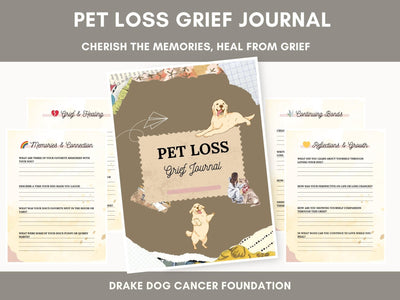
- A Dedicated Journal: Writing things down helps unload the mental burden. We offer a free grief journal that can help you process these emotions as they happen.
Why We Use Scales (And Why It’s Not "Giving Up")
There is a common misconception that using a QoL scale means you are looking for an excuse to say goodbye. It is actually the opposite.
Using a scale is an act of profound love. It is a promise you make to your dog that you will not let your own desire to keep them near outweigh their need for peace. By tracking these markers, you are acting as their "intelligence officer," gathering the facts so you can make the best tactical decisions for their comfort.
It also helps remove the "guilt" that often follows euthanasia. When you can look back at your records and see that your dog’s "Hurt" and "Hygiene" scores were consistently dropping despite all interventions, you can find peace knowing you made the right choice at the right time.

The Sensory Signs: What to Look For
Beyond the numbers, listen to your senses.
- The Look: Many owners describe a "look" in their dog’s eyes, a dullness or a sense of being "done."
- The Retreat: Dogs often naturally begin to distance themselves or seek out quiet, isolated spots when they are ready to transition.
- The Breath: Changes in respiratory rate or effort are often the clearest physical indicators that the body is tired.
If you find yourself struggling to interpret these signs, you don't have to do it alone. Our Dog Cancer Community is filled with people walking this exact path. Sometimes, just saying your observations out loud to someone who understands can bring the clarity you need.
Practical Tracking Tips
To get the most out of these scales, try to be as consistent as possible:
- Time of Day: Most dogs feel better in the morning and worse at night (similar to "sundowning" in humans). Try to assess them at the same time each day, or do a morning and evening check.
- Involve the Family: Have everyone in the house fill out a scale independently once a week. Compare notes. Often, the person who is the primary caregiver is "too close" to see the subtle declines that a teenager or spouse might notice.
- Photos and Videos: We see our dogs every day, so we often miss the gradual change. Take a 30-second video of your dog walking once a week. Compare a video from today to one from a month ago. The difference can be eye-opening.
Making the Decision: The Golden Rule
At the Drake Dog Cancer Foundation, we often tell our community to follow a version of the Golden Rule: Better a week too early than a minute too late.
It sounds harsh, but it is the kindest thing we can offer. A "minute too late" often involves a crisis, an emergency trip to the vet, gasping for air, or a traumatic event. A "week too early" allows for a peaceful, dignified goodbye at home, surrounded by favorite toys and the scent of the people they love most.
Choosing euthanasia is not "killing" your dog; it is stepping in to take the pain away and taking it upon yourself. You are trading their physical suffering for your emotional grief. That is the ultimate sacrifice of a pet parent.

You’ve Got This. And We’ve Got You.
If you are reading this because you are currently staring at a scale and crying, please take a deep breath. You are doing a wonderful job. The very fact that you are researching how to make this transition better for them proves how much you love them.
Deciding when it’s time is the hardest part of the journey, but it’s also the most sacred. You are the guardian of their soul and the protector of their peace. Trust the data, trust your heart, and trust that your dog knows exactly how much you love them.
If you need more support as you navigate this, we are here. Whether you’re looking for coping strategies for loss or just need a place to land, you are part of our family.
You are strong enough to do the hard thing.
You are brave enough to put them first.
You are the best person for this job.
If you found this guide helpful, please consider joining our community or signing up for our newsletter for more compassionate support on your dog cancer journey. Sign up here.


