





If you’re reading this, your heart is likely heavy. We know that feeling. It’s the weight of the leash when your best friend’s steps have slowed. It’s the silence in the kitchen when the diagnosis first lands on the table. Most of all, it’s the quiet, persistent voice in your head asking, “Am I making the right choice?”
Facing a canine cancer diagnosis is one of the hardest journeys a family can take. Suddenly, you aren’t just a pet parent anymore; you’re a caregiver, a medical advocate, and a decision-maker at a crossroads you never wanted to find. The path ahead feels blurry, filled with technical terms, conflicting advice, and a deep, aching fear of future regret.
At the Drake Dog Cancer Foundation, we’ve walked this path too. We understand that "real help" isn't about giving you a magic wand or false hope, it's about providing the evidence-based tools and heartfelt support you need to make love-led decisions. We are here to help you navigate these emotional crossroads with clarity and compassion, ensuring that every step you take honors the beautiful bond you share with your dog.
The Three Pillars: Defining Your Goal of Care
When cancer enters the picture, the first step to avoiding regret is getting clear on your "Goal of Care." In veterinary medicine, we generally look at three different paths. None are "wrong," but one will likely feel more right for your specific situation.
- The Path to Cure: This is for cancers caught early where surgery or aggressive treatment could lead to a complete recovery. This is about fighting for years.
- The Path to Quality of Life: This is often the most common path. The goal isn't necessarily a "cure," but rather managing the cancer as a chronic illness. We aim to extend your dog’s time while prioritizing their daily joy.
- The Path to Comfort (Palliative/Hospice Care): This path focuses entirely on the "now." It’s for when aggressive treatments might cause more stress than they are worth. It’s a brave choice that prioritizes a peaceful, pain-free environment over everything else.
By identifying which path feels most aligned with your dog’s personality and your family's values, you can filter out the noise. If your goal is comfort, you don’t need to feel guilty about declining a complex surgery that requires weeks of stressful recovery. You are choosing your dog’s peace, and that is an act of profound love.
The Joys of Life Scale: Putting Science Behind Your Heart
One of the biggest hurdles in decision-making is our own subjectivity. On a "good day," we feel like we have forever. On a "bad day," the weight feels unbearable. To find balance, we need a way to track the trends, not just the moments.

This is why we offer our free Joys of Life Scale. It’s more than just a checklist; it’s a structured way to look at your dog’s world through their eyes. By assessing factors like pain levels, appetite, mobility, and, most importantly, their "spark," you can move from a place of "guessing" to a place of "knowing."
We encourage you to use our digital templates and quality of life trackers to keep a daily log. When you see the data on paper, it often provides the clarity that your heart, clouded by grief, might be struggling to find. We’re here to help you see the truth of their experience, rooted in evidence and tenderness.
Questions for the Exam Room: Finding Your Voice
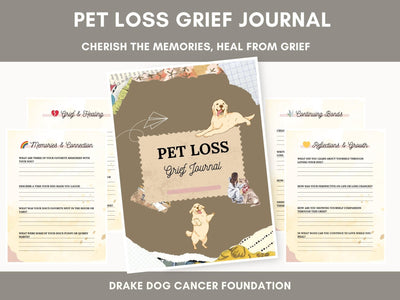
Regret often stems from the things we didn't ask. When you are in the vet's office, the adrenaline can make it hard to think. We recommend bringing a notebook, or one of our canine cancer journals, filled with these clarifying questions:
- What is the realistic goal of this treatment? Is it to cure, to buy time, or to manage pain?
- What does a "bad reaction" look like? We need to know what to watch for at 2 AM.
- How will this affect their daily routine? Will they still be able to enjoy their favorite sunspot or the evening walk?
- What happens if we choose to do nothing? This is a valid question. Understanding the natural progression of the disease helps you prepare for what’s next.
- Is there a less invasive option? Sometimes, holistic or natural medicine can complement clinical care to improve comfort.
Remember, you are your dog’s voice. It is okay to ask for more time to think. It is okay to ask for a second opinion. A veterinarian who respects the bond you share will welcome your questions and your partnership.
Navigating the "Treatment Guilt"
One of the heaviest burdens we see pet parents carry is "treatment guilt." This is the fear that you aren't doing "enough" if you don't choose every possible medical intervention.

We want to tell you something clearly: Doing "enough" is defined by your dog’s comfort, not the length of their medical bill.
Canine oncology is different from human oncology. In the vet world, we prioritize quality of life above all else. Most dogs tolerate treatments like chemotherapy much better than humans do because the doses are managed differently, but that doesn't mean every treatment is right for every dog. If your dog is highly anxious at the vet, or if their cancer is very advanced, choosing hospice care isn't "giving up." It is "giving over" to a higher form of care that focuses on the heart.
We’re here for you as you navigate these complex feelings. You are making decisions with the information you have and the love you feel. That is all anyone can do.
The Five Favorite Things Rule
If you are struggling with the decision of "when it’s time," we often suggest the Five Favorite Things Rule. Think of five things your dog absolutely loves to do. Maybe it’s:
- Greeting you at the door with a toy.
- Eating their favorite treats with gusto.
- Going for a "sniffari" around the block.
- Snuggling on the sofa during your favorite show.
- Barking at the mail carrier.
When your dog can no longer do, or no longer enjoys, three out of those five things, the scales are tipping. This isn't a medical diagnosis; it's a quality-of-heart assessment. It helps us remember who our dog is at their core and ensures we are protecting that essence.

Creating a Legacy of Love
As you navigate these crossroads, remember that your dog’s life is defined by the years of joy you shared, not just the final chapter. Whether you are exploring holistic supplements to support their vitality or looking for memories and keepsakes to honor their journey, every action you take is a testament to your bond.
We provide these resources not to tell you what to do, but to give you the strength to decide for yourself. Our educational eBooks and free courses are designed to turn fear into empowered action. We believe that when you are informed, you can be present. And when you are present, you can truly cherish the time you have left.
You Are Not Alone
The emotional toll of dog cancer is immense. It is a lonely, exhausting path. But you don't have to walk it in the dark. At the Drake Dog Cancer Foundation, we are more than just a resource; we are your companions.
We’re here for you in the middle of the night when the worry keeps you awake. We’re here for you in the vet’s waiting room. We’re here for you when the hardest decisions must be made.
Every choice made in love is a right choice. Trust your heart, lean on the science, and know that you are doing a beautiful job for a dog who loves you unconditionally.
Reach Out for Support
If you need guidance today, please explore our lifelines:
- [Free Joys of Life Scale]: Track your dog’s quality of life with clarity.
- [Dog Cancer Journals]: Organize your medical notes and emotional journey.
- [Personalized Intake Forms]: Get vetted recommendations from our expert team.
We’re here for you.


