

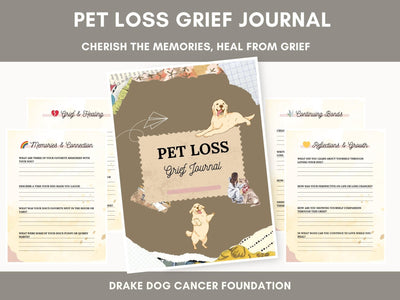




The day your dog’s routine starts changing, small details suddenly matter. Appetite drops a little. Sleep shifts. A limp comes and goes. After a cancer diagnosis, or even during the early stage of worrying that something is wrong, memory is not enough. A dog cancer tracker gives you a clear way to record what is happening so you can spot patterns, communicate better with your veterinary team, and make care decisions with more confidence.
This is not about turning your dog into a spreadsheet. It is about reducing guesswork when emotions are high. When you are scared, exhausted, and trying to do right by a dog you love, having a simple record can protect both medical accuracy and peace of mind.
Why a dog cancer tracker matters
Cancer care often unfolds over weeks or months, not one appointment. Symptoms can change slowly, then suddenly. A dog may have a good morning and a hard evening. Medications may help one problem while creating another. Without a tracking system, it is easy to forget when vomiting started, how often the limp appears, or whether appetite has been off for three days or ten.
A dog cancer tracker helps in three practical ways. First, it creates a more accurate picture of your dog’s day-to-day condition than memory alone. Second, it gives your veterinarian useful information that can improve treatment adjustments. Third, it helps you notice trends that matter for quality of life, not just disease progression.
That last point matters deeply. Sometimes the biggest question is not whether treatment is working on paper, but whether your dog is still comfortable, engaged, and able to enjoy life. Tracking helps you answer that with more honesty.
What to include in a dog cancer tracker
The best tracker is the one you will actually use. It does not need to be elaborate. In most cases, a simple daily format works better than something overly detailed that becomes stressful to maintain.
Symptoms and physical changes
Start with the basics you can observe consistently. Record appetite, water intake, energy level, mobility, breathing changes, vomiting, diarrhea, coughing, urination, bowel movements, and sleep. If your dog has a visible tumor, wound, or swelling, note changes in size, color, discharge, odor, or tenderness.
Keep the language simple and specific. Instead of writing “seems worse,” write “ate half breakfast,” “needed help getting up,” or “panting at rest for 20 minutes.” Specific observations are more useful than general impressions, especially when you are speaking with a vet who was not there to see the episode.
Medications, supplements, and treatments
Track what your dog received, when, and at what dose. That includes prescription medications, pain medicine, anti-nausea drugs, steroids, chemotherapy appointments, supplements, and supportive therapies. If you are using an integrative plan that includes food changes, herbal products, or mushroom extracts, document those too.
This matters because side effects and benefits can overlap. If appetite improves two days after a medication change, that is worth noticing. If diarrhea starts after introducing something new, your record may help identify the cause faster.
Appetite, weight, and hydration
Nutrition is a major concern for many families dealing with canine cancer. A tracker can help you move beyond the vague question of “Is he eating okay?” Instead, note how much was offered, how much was eaten, and whether your dog seemed eager, reluctant, nauseated, or unable to chew.
If possible, track weight regularly, especially if your dog is in active treatment or dealing with muscle loss. Hydration also matters. Increased thirst, reduced drinking, or signs of dehydration can all be clinically relevant depending on the cancer type and treatment plan.
Pain and comfort
Dogs often hide pain. That does not mean it is not there. Your tracker should include signs such as restlessness, whining, shaking, hunched posture, pacing, sensitivity to touch, reluctance to move, or changes in facial expression.
Pain tracking can be especially important because discomfort is not always dramatic. A dog who still wags their tail may still be hurting. Daily notes can reveal whether pain relief is lasting long enough or whether comfort is declining over time.
Quality of life
This is one of the most important sections in any dog cancer tracker. Include a simple daily score or note for things like enjoyment of food, interest in family, ability to rest, comfort with movement, toileting, and moments of pleasure.
Some families use a 1 to 5 scale. Others write one sentence each day: “Still wanted his evening walk,” or “Had no interest in favorite toy.” Either approach can work. The goal is not perfection. The goal is a truthful record of whether your dog still has enough comfort and joy in the day.
How tracking helps at vet appointments
Veterinary oncology visits can feel rushed, especially when you are processing scary information. A written record helps you show up with facts instead of trying to reconstruct the last two weeks from memory.
Bring clear notes on symptom frequency, appetite changes, medication timing, side effects, and quality-of-life concerns. If your dog had three vomiting episodes, say that. If the limp happens only after activity, note that pattern. If pain seems worse before the next dose is due, write it down.
This kind of information can help your veterinary team make better decisions about diagnostics, medication changes, supportive care, and whether a current plan is still serving your dog well. It can also make you feel more grounded in the conversation, which matters when emotions are running high.
When to keep it simple and when to track more closely
Not every dog needs intensive daily tracking forever. It depends on where you are in the journey.
If your dog is newly diagnosed, starting treatment, recovering from surgery, or having unstable symptoms, more detailed tracking makes sense. During this stage, daily notes can help catch side effects and clarify whether the plan is helping.
If your dog is stable and feeling well, you may only need a lighter system. A few core categories each day, or a more detailed entry several times a week, may be enough. The point is not to create pressure. The point is to collect enough information to support good care.
Near the end of life, tracking often becomes important again. Not because it changes the reality of the diagnosis, but because it can help families see clearly when comfort is fading. In that season, a tracker can support one of the hardest acts of love there is - making decisions based on your dog’s lived experience, not just your hope that tomorrow might be better.
Common mistakes with a dog cancer tracker
One common mistake is tracking only the worst moments. That can create a distorted picture. Good moments matter too. If your dog still eats breakfast happily, seeks out affection, or enjoys sitting outside in the sun, include that. Quality of life is not measured only by symptoms.
Another mistake is trying to track everything. If your system is so complicated that you stop using it after four days, it is not helping. Start small. You can always add more categories if needed.
It is also easy to focus heavily on medical details and skip emotional reality. But caregiving strain is real. If you are noticing that you are overwhelmed, losing sleep, or struggling to tell whether your dog is having more hard days than good ones, that matters. Your observations are part of the care picture too.
Paper, digital, or both?
There is no single right format. Some people prefer a notebook on the kitchen counter because it is quick and visible. Others want a digital tracker they can update from their phone and review over time. Many families use both - quick daily notes on paper, then a more organized summary before appointments.
Choose the format that fits your real life. If multiple people care for the dog, a shared system is often best. Consistency matters more than style.
At Drake Dog Cancer Foundation, we believe practical tools can reduce some of the chaos families feel after diagnosis. A tracker will not remove the heartbreak or answer every question. But it can give structure to uncertainty, which is often what people need most in the middle of a hard season.
What a tracker cannot do
A dog cancer tracker is useful, but it has limits. It cannot diagnose cancer, replace veterinary guidance, or tell you exactly what comes next. It cannot promise that a treatment is working or predict how much time your dog has.
What it can do is help you see more clearly. It can support earlier conversations when symptoms shift. It can make patterns easier to identify. And it can help you care for your dog in a way that is observant, informed, and deeply attentive to comfort.
If you start using one, keep your first version simple. Track what you can observe, be honest about what you are seeing, and let the record tell the truth over time. When love and fear are both loud, clear notes can become a quiet, steady form of guidance.


