




So, the "big day" is over. You’ve navigated the terrifying diagnosis, survived the surgical consultation, and paced the living room floor for six hours while your soulmate was in the OR. The surgeon called, the margins look good, and you finally brought them home. You expected a wave of pure relief, right? Instead, you’re sitting on the kitchen floor at 2:00 AM, crying into a cold cup of coffee while your dog stares blankly at a wall, looking like they’ve forgotten how to be a dog.
Welcome to the "Post-Op Blues."
If you’re feeling a strange mix of exhaustion, guilt, and "what have I done?", don’t panic. We’ve been exactly where you are. At the Drake Dog Cancer Foundation, we know that surgery isn't just a physical event; it’s an emotional earthquake for both ends of the leash. While the stitches are doing the work on the outside, there’s a whole lot of internal healing that needs to happen for both your dog’s spirit and your own heart.
In this guide, we’re diving into the messy, witty, and deeply relatable world of emotional recovery. We’ll talk about why your dog is acting like a different animal, why you feel like a shell of a human, and how to use canine functional medicine to get both of you back to your happy place.
Why Is My Dog So Sad? (The Canine Slump)
First, let’s talk about your pup. You might notice they aren't their usual "W-A-L-K" shouting self. They might be withdrawn, unusually clingy, or, most heartbreakingly, avoiding eye contact. This isn't because they’re "mad" at you (dogs don't do spite, thank goodness).
The post-op slump in dogs is a cocktail of biology and confusion:
- The Anesthesia Fog: Anesthesia is a massive hit to the central nervous system. It can take days for their brain to fully "reboot," leaving them feeling disoriented and "flat."
- The Medication Merry-Go-Round: Pain meds and sedatives are lifesavers, but they can also cause weird side effects, anxiety, restlessness, or a total lack of appetite.
- The "Cone of Shame" Factor: Imagine having a plastic satellite dish strapped to your head when you already feel terrible. It’s isolating, it messes with their peripheral vision, and it’s just plain undignified.
- Loss of Routine: Dogs thrive on predictability. Suddenly, their walks are cancelled, their meals are different, and their favorite human is acting like a nervous wreck.
The Caregiver Crash: When the Adrenaline Runs Out
Let’s be real for a second, how are you doing?
Caregiver burden is a term we use a lot in canine oncology, but it basically translates to "I am so stressed I’ve forgotten how to blink." When you’re in the middle of a cancer crisis, your body runs on pure adrenaline. Once the surgery is over and the immediate "threat" has passed, that adrenaline leaves the building, taking your sanity with it.
It’s normal to feel:
- Anticipatory Grief: Even though the surgery was a success, you’re still waiting for the other shoe to drop.
- Decision Fatigue: You’ve made a hundred high-stakes choices this week. Choosing what to have for dinner feels like a mountain you can’t climb.
- The "Silent House" Syndrome: If your dog is usually the life of the party and is now quietly sleeping in a corner, the silence can feel deafening and heavy.
We want you to know: it is okay to be tired. It is okay to feel overwhelmed. You aren’t a bad pet parent for needing a break. In fact, your dog needs you to be "regulated" so they can feel safe.

Creating the "Zen Den": A Sanctuary for Healing
To combat the blues, we need to change the energy of the home. Instead of a "recovery ward," let’s build a "Zen Den." This is about more than just a crate; it’s about creating a sensory environment that whispers, "It’s okay, we’re safe."
- Low and Slow: Keep the lights dim and the volume down. If you usually have the news blaring or loud music playing, switch to soft classical or "calming dog" frequencies (yes, they’re a thing, and they’re magical).
- The Scent of Safety: Dogs live through their noses. Place an unwashed T-shirt of yours in their bed. Your scent is their ultimate security blanket.
- Orthopedic Comfort: Surgery often means restricted movement. A high-quality orthopedic bed isn’t a luxury; it’s a necessity to prevent pressure sores and keep stiff joints comfortable.
- The Proximity Principle: You don't have to hover (hovering breeds anxiety), but just "being" in the same room helps. Set up your workspace or Netflix-watching station near their Zen Den.
The Gut-Brain Connection: Functional Wellness Post-Op
At the Drake Dog Cancer Foundation, we’re big believers in canine functional medicine. We don't just look at the surgical site; we look at the whole dog. One of the biggest reasons for the post-op blues is actually dog gut health.
Think about it: surgery involves antibiotics, fasting, and stress: all of which are like a "reset button" for the gut microbiome, and not in a good way. Since a huge portion of serotonin (the "feel-good" hormone) is produced in the gut, a disrupted tummy equals a sad dog.
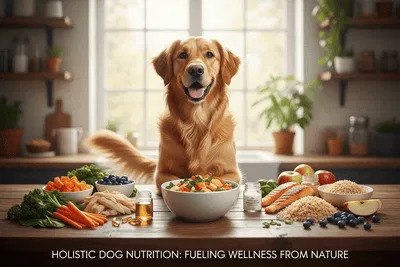
To support their emotional recovery through their gut, consider:
- Gentle Nutrients: Stick to high-quality, easily digestible foods. This isn't the time for a brand-new, exotic protein. Think "comfort food" but with a clinical purpose.
- Targeted Probiotics: Talk to your vet about a high-quality canine probiotic to help rebuild the good bacteria that the surgery-day meds might have cleared out.
- Hydration with a Twist: Sometimes a bit of bone broth (onion and garlic-free!) can encourage a reluctant drinker and provide much-needed collagen for tissue repair.
You can explore our Holistic Dog Wellness collections for more evidence-based nutritional support.
Monitoring the Joy: Data-Driven Compassion
When you’re in the thick of the post-op blues, it’s easy to feel like things will never get better. This is where "Real Help" beats "False Hope." We recommend using objective tools to track your dog's progress. Sometimes, when you look at the data, you realize that while they looked sad today, they actually ate 20% more than yesterday.

We highly recommend using the Joys of Life Scale: our free gift to the community. It helps you move past the "vibes" and look at the actual quality of life markers. Are they seeking affection? Are they responding to their name? These small wins are the milestones on the road back to joy.
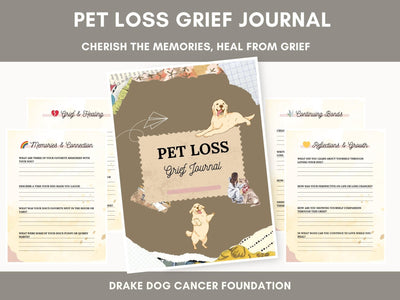
Keeping a Dog Cancer Journal can also be incredibly cathartic for you. Writing down the struggles and the small victories (like the first time they wagged at the mailman post-surgery) helps process the trauma of the diagnosis.
You Are Not Alone (The Shared Journey)
If there is one thing we want you to take away from this, it’s this: We’re here for you.
The post-op period is a marathon, not a sprint. There will be days when the blues feel heavy, and days when you see a spark of the "old" dog return. Honor the bond you share. This time of vulnerability is actually a profound opportunity to deepen your connection. You are their advocate, their nurse, and their safe harbor.
When you feel the weight of the caregiver burden, reach out. Join a community, talk to an expert like Dr. Amber L. Drake, or simply sit on the floor and hold your dog’s paw. You don't have to be perfect; you just have to be present.
We are walking this path right beside you. Because they aren't just pets: they're family. And family doesn't walk alone.
Looking for more support?
- Download our free Joys of Life Scale to track recovery.
- Browse our vetted supplements for post-op gut support.
- Check out our Digital Cancer Journals to help manage the emotional load.


