





You remember the moment the world shifted. You’re sitting in that small, sterile exam room. The air feels too thin. The vet is speaking: using words like "oncology," "prognosis," and "staging": but all you can hear is the sound of your own heartbeat. You look down at your dog, who is wagging their tail, completely unaware that their life (and yours) just changed forever.
You leave the clinic with a thick folder of printouts, a prescription or two, and a heavy weight in your chest. But as you pull into your driveway, you realize something is missing.
The vet gave you the medical facts. They didn't give you a roadmap for the 2 AM panic attacks. They didn't tell you how to handle the "Look": that specific gaze your dog gives you when they aren't feeling their best. They didn't explain how to balance hope with reality.
At the Drake Dog Cancer Foundation, we’ve walked this path. We know the silence of a house that feels too quiet, even when your best friend is still right there. This is the dog cancer survival guide for the parts of the journey that happen at home, on the rug, and in your heart.
The Post-Diagnosis Blur: Breath First, Plan Second
The first 48 hours after a cancer diagnosis are often a total blur. It is a period of "anticipatory grief," and it is exhausting.
Our first piece of advice? Breathe.
You don't have to make every decision tonight. Your dog doesn't know they have a diagnosis; they only know they are with you. To them, today is just another Saturday. Honor that. Before you dive into the deep end of internet research, take ten minutes to just sit on the floor with them. Feel their fur. Listen to their breath.
We’re here for you. You are not alone in this.

Creating Your "Cancer Command Center"
When the shock begins to wear off, the logistics set in. Managing a cancer diagnosis feels like taking on a second full-time job. To keep your head above water, we recommend creating a physical "Command Center" in your home.
- The Binder: Get a physical three-ring binder. Put every lab report, every blood work result, and every receipt inside. When you’re stressed at a follow-up appointment, you won’t have to hunt through your phone for that one specific PDF.
- The Medication Station: Cancer often involves a "cocktail" of supplements and medications. Use a dedicated tray or basket to keep everything in one place.
- The Roadmap: Every journey needs a guide. We created our comprehensive Dog Cancer Survival Guide (eBook) specifically to fill the gaps that clinics often miss. It’s designed to be your companion, offering evidence-based holistic support and practical tips for the "in-between" moments.
Beyond the Numbers: Tracking Quality of Life
One of the hardest questions a vet will ask you is, "How is their quality of life?"
It’s a heartbreaking question because it’s so subjective. On a Tuesday, they might chase a squirrel, and you feel like you’re winning. On a Wednesday, they might skip breakfast, and you feel like the world is ending.
We cannot rely on our memories during a crisis. Our brains are wired to focus on the most recent event, which can skew our perspective.
This is why we advocate for data-driven love. Using a Quality of Life Tracker allows you to see patterns over weeks, not just hours. It helps you answer the "big questions" with clarity rather than fear. You’re looking for the "Good Day to Bad Day" ratio.
Remember: A bad day is just a data point. It is not a final sentence.

The Survival Guide to Your Home Environment
The vet treats the cancer; you treat the dog. Making your home a sanctuary is one of the most proactive things you can do.
Safety First: The First Aid Kit
In our research into pet preparedness, we found that many families are caught off guard by minor emergencies that feel major when your dog is already compromised. Build a specialized kit that includes:
- Important Numbers: Your primary vet, the nearest 24-hour emergency hospital, and poison control.
- Medical Records: A copy of their current cancer staging and medications.
- Non-Sting Antiseptics: For any skin irritations or tumor sites that become sensitive.
- Comfort Tools: A digital thermometer and a small flashlight to check gum color (which should be a healthy pink).
The "New Normal" Routine
Dogs crave routine. It makes them feel safe. Try to keep their meal times and "potty" walks as consistent as possible, but don't be afraid to modify the intensity. If a long hike is too much, a "sniffari" (a very slow walk where they get to sniff everything they want) is just as mentally stimulating and much easier on their body.
Nutrition and Supplements
Cancer is a metabolic thief. It changes how your dog's body uses energy. While your vet focuses on clinical treatments, you can support their cellular health through evidence-based nutrition. Explore our Herbal Products for Dogs to find supplements that work in harmony with conventional care, focusing on inflammation and immune support.

Managing the "Human" Side of Cancer
We often forget that there are two beings affected by a canine cancer diagnosis: the dog and the human. Caregiver burnout is real.
You may find yourself "watching them breathe" in the middle of the night. You may find yourself pulling away from friends because they "just don't get it."
Lifeline Tip: Give yourself permission to feel things other than sadness. It is okay to laugh. It is okay to take a break and go to a movie while a friend watches your dog. You are a better caregiver when you are recharged.
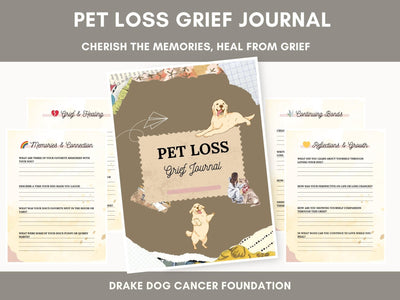
We’ve built a community here at the Drake Dog Cancer Foundation because we believe that shared burdens are lighter. Whether you are looking for journals to process your thoughts or just need to know that someone else has felt this specific brand of heartbreak, we are standing with you.
Asking the Right Questions at the Clinic
The next time you head to the vet, don't just go in as a passenger. Go in as an advocate. A "survivor’s mindset" means being an active part of the medical team.
Consider asking these three questions:
- "What are the specific 'red flags' I should look for tonight that warrant an emergency call?"
- "How can we support their gut health while they are on these specific medications?"
- "What is the primary goal of this specific treatment: is it curative, or is it about comfort?"
Having these answers helps eliminate the "unknowns" that fuel anxiety.

Because They’re Family
At the end of the day, your dog doesn't care about the name of their cancer. They don't care about the "stages." They care about the way you say their name. They care about the spot behind their ears. They care about the fact that you are there.
This dog cancer survival guide isn't just about surviving; it’s about thriving in the time you have. It’s about honoring the bond that brought you together in the first place.
We’re here to provide the tools, the research, and the heart. Whether it’s through our comprehensive resources or our specialized support collections, we are dedicated to helping you navigate this journey with grace.
Stay hopeful. Stay informed. And most importantly, stay present.
We’re here for you.


