What Are the Biggest Risk Factors for Dog Cancer?
Aug 14, 2026
The biggest risk factors for cancer in dogs are the ones you cannot change: age, breed, and body size. Age is by far the largest. Most dogs diagnosed with cancer are middle-aged or older, and in one study of more than 3,000 cancer-diagnosed dogs the median age at diagnosis was 8.8 years (Rafalko et al., 2023). Breed comes next, because certain lines carry inherited susceptibility to specific cancers, and after that comes size, with large and giant breeds facing dramatically higher risk of bone cancer in particular (Edmunds et al., 2021).
The things owners tend to worry about most, such as lawn chemicals, secondhand smoke, and diet, are real considerations, but they sit well below age and genetics in terms of measured effect. Some of them have solid evidence behind them. Others have evidence that is weaker than the internet suggests. This article walks through what the research actually shows, including where it disagrees with itself.
Key points
- Age is the dominant risk factor. Cancer becomes the leading cause of death in older dogs (Fleming et al., 2011), and risk climbs steadily with each year of life.
- Breed matters enormously, and the pattern is cancer-specific rather than general. A Scottish Terrier carries a striking bladder cancer risk; a Bernese Mountain Dog carries a histiocytic sarcoma risk. Neither is at unusual risk for the other's cancer.
- Body size is one of the strongest single predictors for osteosarcoma. Dogs over 40 kg had roughly 45 times the odds of osteosarcoma compared with dogs under 10 kg in a UK case-control study (Edmunds et al., 2021).
- The widely repeated claim that spaying before the first heat nearly eliminates mammary cancer rests on weaker evidence than most owners have been told (Beauvais et al., 2012).
- Herbicide-treated lawns have been associated with higher bladder cancer risk in a predisposed breed and with higher lymphoma risk more broadly, though both findings come from owner-questionnaire studies.
- The link between secondhand smoke and canine cancer is real for nasal cancer in long-nosed dogs but has not held up consistently for lung cancer.
- Risk factors describe populations, not individuals. A Golden Retriever who lives to 15 without cancer is not a statistical impossibility, and a low-risk breed can still be diagnosed at six.
Detailed explanation
Age outweighs everything else, and that is worth sitting with
If you take one thing from this article, take this: cancer in dogs is overwhelmingly a disease of aging. Every time a cell divides, there is a small chance of a copying error. Most of those errors are harmless or get repaired. Over enough years and enough cell divisions, the odds of an unrepaired error landing in exactly the wrong gene stop being small. That is the whole mechanism, and it is why cancer risk is not really a single event but an accumulation.
The population data reflect this. A twenty-year analysis of North American veterinary records found that younger dogs died most often of trauma, infection, and gastrointestinal disease, while the risk of dying from cancer rose steadily with age (Fleming et al., 2011). A population-based tumor registry in northwestern Italy calculated an incidence of 804 malignant tumors per 100,000 dog-years across the whole dog population, with rates concentrated in older animals (Baioni et al., 2017).
Here is why this framing matters emotionally as well as clinically. Many owners arrive at a cancer diagnosis convinced they caused it. They replay the lawn treatment, the kibble brand, the vaccine, the year they let their dog get chunky. In the overwhelming majority of cases, the honest answer is that their dog got old, and old cells make mistakes. That is not a comforting answer, exactly, but it is a truer one than self-blame.
The practical takeaway is about vigilance, not prevention. Cancer risk rising with age is an argument for twice-yearly physical exams in senior dogs, for taking new lumps seriously rather than watching them, and for not dismissing subtle changes in appetite, energy, or breathing as "just getting old."
Breed and inherited genetics
Breed predisposition in dogs is stronger and more specific than most people realise, because closed breeding populations concentrate genetic variants that a mixed population would dilute. A review of breed predispositions found that certain breeds carry proportional cancer mortality far above the canine average, with Irish Water Spaniels, Flat-Coated Retrievers, Bernese Mountain Dogs, and Rottweilers among those with the highest cancer-attributed death rates in one UK survey (Dobson, 2013).
What is more useful than a general "high cancer breed" label is knowing which cancer. The predispositions are targeted:
Histiocytic sarcoma clusters heavily in Bernese Mountain Dogs and Flat-Coated Retrievers.
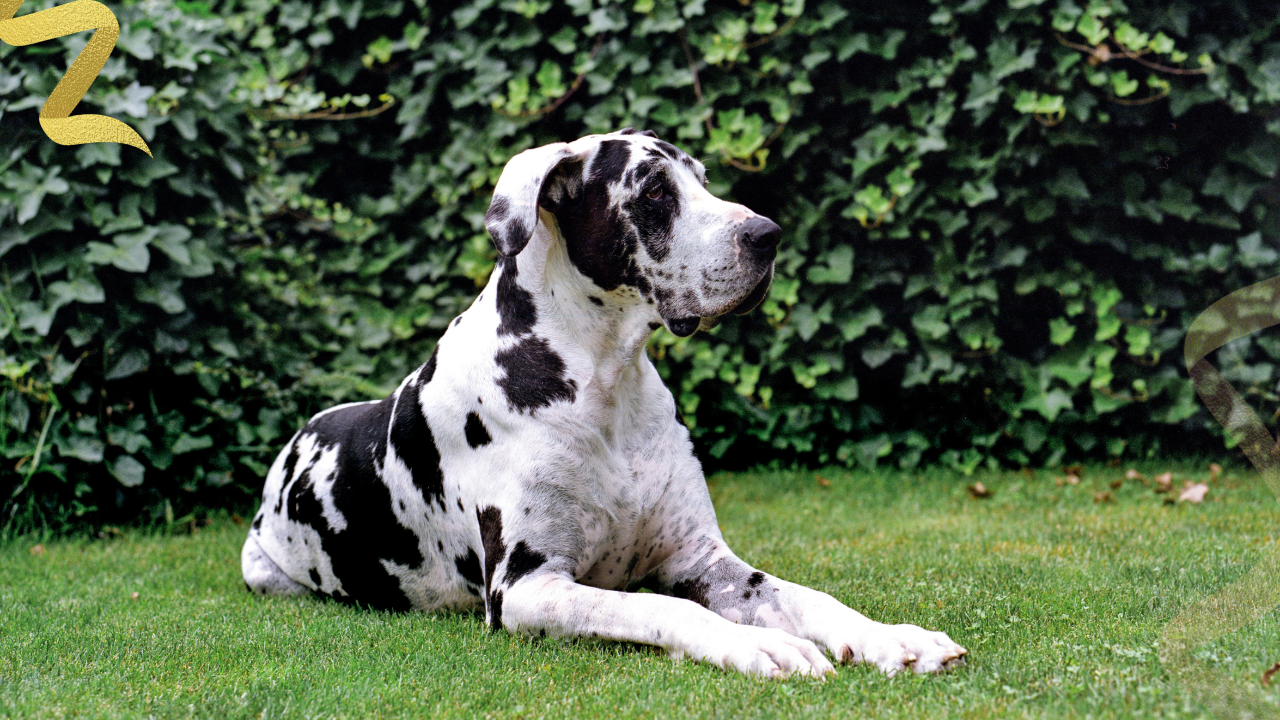
Osteosarcoma concentrates in large and giant breeds including Rottweilers, Great Danes, Irish Wolfhounds, Scottish Deerhounds, and Greyhounds.
Bladder cancer, specifically urothelial carcinoma, appears in Scottish Terriers at many times the rate seen in other breeds, with Shetland Sheepdogs, Beagles, West Highland White Terriers, and Wire Fox Terriers also over-represented.
Hemangiosarcoma is more common in German Shepherd Dogs, Golden Retrievers, and Boxers.
Knowing your breed's specific pattern changes what you watch for. An owner of a Scottish Terrier who understands the bladder cancer risk will push for a workup when their dog has a third urinary tract infection in a year rather than accepting another course of antibiotics. That is a meaningfully different outcome from generalized anxiety about cancer.
One caution on purebred versus mixed-breed. Purebred dogs were diagnosed at significantly younger ages than mixed-breed dogs in a cohort of more than 3,000 cancer-diagnosed dogs (Rafalko et al., 2023), and registry data have shown higher overall rates in some purebred populations (Baioni et al., 2017). But mixed-breed dogs are not protected from cancer. They are simply less concentrated in any one cancer type, which makes their risk harder to predict and easier to overlook.
Body size, and the bone cancer problem in particular
Size is where the epidemiology gets dramatic. A UK case-control study comparing 1,756 confirmed osteosarcoma cases against a control population of more than 900,000 dogs found that dogs weighing over 40 kg had osteosarcoma odds of 45.44 compared with dogs under 10 kg (Edmunds et al., 2021). Breeds selected for short legs showed odds of 0.13 compared with non-chondrodystrophic breeds, meaning a substantially protective effect.
This confirmed and sharpened earlier findings that osteosarcoma risk rises with increasing body weight and standard height (Ru et al., 1998). The leading explanation is mechanical and biological rather than mysterious: bigger bones require more bone-forming cells, dividing more times, over a longer growth period. More divisions, more chances for something to go wrong.
Size also compresses the timeline. Weight was inversely correlated with age at cancer diagnosis in the Rafalko cohort, meaning heavier dogs were diagnosed younger. Combined with the shorter lifespan of large breeds generally, this means a Great Dane owner and a Miniature Dachshund owner are not on the same schedule at all. Screening conversations that start at seven for an average dog may reasonably start closer to four or five for a giant breed.
Sex, hormones, and the timing of spay or neuter
This is the section where the evidence most often contradicts what owners have been told, so it deserves care.
For decades the standard advice was that spaying a female dog before her first heat reduces mammary cancer risk to near zero, a figure traced back to a 1969 study. A systematic review examining thirteen peer-reviewed studies on this question graded the evidence at the weakest level on the SIGN scale, concluding that the evidence that neutering reduces mammary tumor risk, and the evidence that age at neutering matters, are both weak and not a sound basis for firm recommendations (Beauvais et al., 2012). That does not mean the protective effect is disproven. It means the studies supporting it had methodological problems serious enough that we should hold the claim loosely.
Meanwhile, evidence has accumulated in the other direction for certain breeds. A large retrospective study covering 35 breeds found that early neutering was associated with increased risk of lymphoma, mast cell tumor, and hemangiosarcoma in some breeds and not others, with the effect varying by sex as well (Hart et al., 2020). In female Golden Retrievers, one or more of the tracked cancers rose to roughly two to four times the intact rate with neutering at any age. Most small breeds showed no increased cancer risk with neutering at any age; only Boston Terriers and Shih Tzus showed a significant increase among the small breeds studied.
The honest summary is that spay and neuter timing is now a breed-specific and sex-specific conversation rather than a universal rule, and it involves trade-offs beyond cancer, including pyometra risk, joint disorders, urinary incontinence, and population control. It is a genuine discussion to have with your veterinarian, not a settled question with one right answer.
Lawn and garden chemicals
The evidence here is real but narrower than the headlines suggest.
The strongest single finding comes from a case-control study of Scottish Terriers, a breed already carrying substantially elevated bladder cancer risk. Dogs exposed to lawns treated with herbicides alone had 3.62 times the odds of urothelial carcinoma compared with dogs on untreated lawns, and dogs exposed to lawns treated with both herbicides and insecticides had 7.19 times the odds. Exposure to insecticides alone was not significantly associated with risk (Glickman et al., 2004).
For lymphoma, a case-control study of 263 dogs with biopsy-confirmed malignant lymphoma found that professionally applied lawn pesticides were associated with a 70 percent higher risk, and self-applied insect growth regulators with 2.7 times the risk. Flea and tick control products showed no association with lymphoma risk (Takashima-Uebelhoer et al., 2012).
Two caveats belong with these numbers. First, both studies relied on owners recalling chemical exposures, and owners of dogs already diagnosed with cancer may search their memories harder than owners of healthy dogs, which can inflate apparent associations. Second, the Scottish Terrier finding was in a breed with unusual baseline susceptibility, and it may not transfer cleanly to other breeds.
None of that makes the findings worthless. If you are choosing between a treated and untreated lawn and the cost is a few more dandelions, the evidence supports the untreated lawn, particularly for a predisposed breed. Rinsing paws after walks on treated grass and observing product re-entry intervals are low-cost, reasonable steps. Just do not expect them to be the deciding factor in whether your dog develops cancer.
Tobacco smoke in the home
The picture here is genuinely mixed, and pretending otherwise would be dishonest.
For nasal cancer, the association is reasonably supported and shaped by skull anatomy. In a study of dogs with nasal and paranasal sinus cancer, the overall odds ratio for having a smoker in the household was 1.1, which is essentially no effect. But when the researchers separated dogs by skull shape, long-nosed dogs showed an odds ratio of 2.0, with risk rising in a stepwise fashion as total exposure increased. Short and medium-nosed dogs showed no increase at all (Reif et al., 1998). The proposed explanation is that a longer nasal passage traps more particulate carcinogens before they reach the lungs.
For lung cancer, the evidence has not held. An earlier study found a non-significant association (Reif et al., 1992), and a later case-control study of 135 dogs with primary lung tumours found no association with secondhand smoke regardless of the number of smokers, cigarettes per day, or whether owners smoked indoors (Zierenberg-Ripoll et al., 2018).
There are excellent reasons to keep smoke away from a dog, including respiratory irritation and the deposit of residue on the coat that dogs then ingest while grooming. But the specific claim that secondhand smoke causes lung cancer in dogs is not well supported.
Body condition and weight
Excess weight harms dogs in ways that are thoroughly documented, including joint disease, reduced mobility, and shortened lifespan. The cancer link specifically is less settled than it is often presented.
An early case-control study reported associations between body conformation in the first year of life, diet, and later mammary cancer risk (Sonnenschein et al., 1991). Later work has not consistently reproduced an association between body condition at the time of diagnosis and whether mammary cancer develops, though some studies have found that overweight and obese dogs present with higher-grade mammary tumors and shorter survival after surgery.
The most defensible statement is that keeping a dog lean is well supported for overall health and longevity, and there is some evidence that it may influence how mammary cancer behaves once present. Framing weight management as reliable cancer prevention overstates what the veterinary literature currently shows.
Sunlight and lightly pigmented skin
Solar-induced skin tumors are well recognized in dogs with thin coats, light skin, and sun-seeking habits, particularly on the belly and inner thighs where dogs sunbathe. Dalmatians, Bull Terriers, Whippets, Beagles, and American Staffordshire Terriers turn up frequently in clinical descriptions. Shade during peak hours and a light shirt for dedicated sunbathers are simple interventions with no downside.
How to think about your own dog
Risk factors are population statistics. They tell you what happens across thousands of dogs, and they tell you almost nothing certain about the animal on your couch. A Bernese Mountain Dog with a frightening breed statistic may live to twelve without incident. A Chihuahua from a low-risk breed can be diagnosed at seven.
What risk factors are genuinely good for is calibrating attention. If your dog is a large breed, you know to take a persistent limp seriously rather than assuming a strain. If your dog is a Scottish Terrier, you know that repeat urinary symptoms deserve imaging rather than another antibiotic course. If your dog is nine, you know that a mass which appeared last month should be aspirated rather than monitored. That is where knowing the risk profile actually changes outcomes, because most canine cancers are caught by an owner who noticed something and did not wait.
When to contact a veterinarian
Contact your veterinarian promptly if your dog has:
- Any new lump or bump, or an existing one that has changed in size, shape, or texture. Age and appearance do not reliably distinguish benign from malignant, and a fine needle aspirate is quick and inexpensive.
- Persistent lameness that does not resolve with rest, especially in a large or giant breed dog. Bone pain from osteosarcoma is frequently mistaken for arthritis or a soft tissue injury.
- Blood in the urine, straining to urinate, or urinary symptoms that recur after antibiotic treatment.
- Unexplained weight loss, declining appetite, or reduced energy that persists beyond a few days.
- Non-healing sores, unusual odors, persistent nosebleeds, or bleeding from any body opening.
- Difficulty breathing, exercise intolerance, or a cough that does not resolve.
- Sudden weakness or collapse, even if the dog seems to recover. This warrants emergency evaluation.
For senior dogs, ask whether twice-yearly examinations make sense rather than annual visits. Many cancers are found on routine physical exam before an owner notices anything.
Questions to ask your veterinarian
- Given my dog's breed and size, which specific cancers should I be most alert to?
- At what age should we start more intensive screening for a dog like mine?
- What is the current thinking on spay or neuter timing for this breed and sex, taking cancer risk alongside the other health considerations?
- Should this lump be aspirated now, or is there a reason to wait?
- Are there baseline bloodwork or imaging findings you would want on file while my dog is healthy, for comparison later?
- Does my dog's weight or body condition need attention, and what would a realistic target look like?
- Are there environmental exposures in my household that you would change?
- If we found something concerning, what would the next step be, and would you refer to a veterinary oncologist?
References
Baioni, E., Scanziani, E., Vincenti, M. C., Leschiera, M., Bozzetta, E., Pezzolato, M., Desiato, R., Bertolini, S., Maurella, C., & Ru, G. (2017). Estimating canine cancer incidence: Findings from a population-based tumour registry in northwestern Italy. BMC Veterinary Research, 13, 203. https://doi.org/10.1186/s12917-017-1126-0
Beauvais, W., Cardwell, J. M., & Brodbelt, D. C. (2012). The effect of neutering on the risk of mammary tumours in dogs: A systematic review. Journal of Small Animal Practice, 53(6), 314–322. https://doi.org/10.1111/j.1748-5827.2011.01220.x
Dobson, J. M. (2013). Breed-predispositions to cancer in pedigree dogs. ISRN Veterinary Science, 2013, 941275. https://doi.org/10.1155/2013/941275
Edmunds, G. L., Smalley, M. J., Beck, S., Errington, R. J., Gould, S., Winter, H., Brodbelt, D. C., & O'Neill, D. G. (2021). Dog breeds and body conformations with predisposition to osteosarcoma in the UK: A case-control study. Canine Medicine and Genetics, 8, 2. https://doi.org/10.1186/s40575-021-00100-7
Fleming, J. M., Creevy, K. E., & Promislow, D. E. L. (2011). Mortality in North American dogs from 1984 to 2004: An investigation into age-, size-, and breed-related causes of death. Journal of Veterinary Internal Medicine, 25(2), 187–198. https://doi.org/10.1111/j.1939-1676.2011.0695.x
Glickman, L. T., Raghavan, M., Knapp, D. W., Bonney, P. L., & Dawson, M. H. (2004). Herbicide exposure and the risk of transitional cell carcinoma of the urinary bladder in Scottish Terriers. Journal of the American Veterinary Medical Association, 224(8), 1290–1297. https://doi.org/10.2460/javma.2004.224.1290
Hart, B. L., Hart, L. A., Thigpen, A. P., & Willits, N. H. (2020). Assisting decision-making on age of neutering for 35 breeds of dogs: Associated joint disorders, cancers, and urinary incontinence. Frontiers in Veterinary Science, 7, 388. https://doi.org/10.3389/fvets.2020.00388
Rafalko, J. M., Kruglyak, K. M., McCleary-Wheeler, A. L., Goyal, V., Phelps-Dunn, A., Wong, L. K., Warren, C. D., Brandstetter, G., Rosentel, M. C., DiMarzio, L., McLennan, L. M., O'Kell, A. L., Cohen, T. A., Grosu, D. S., Chibuk, J., Tsui, D. W. Y., Chorny, I., & Flory, A. (2023). Age at cancer diagnosis by breed, weight, sex, and cancer type in a cohort of more than 3,000 dogs: Determining the optimal age to initiate cancer screening in canine patients. PLOS ONE, 18(2), e0280795. https://doi.org/10.1371/journal.pone.0280795
Reif, J. S., Bruns, C., & Lower, K. S. (1998). Cancer of the nasal cavity and paranasal sinuses and exposure to environmental tobacco smoke in pet dogs. American Journal of Epidemiology, 147(5), 488–492. https://doi.org/10.1093/oxfordjournals.aje.a009475
Reif, J. S., Dunn, K., Ogilvie, G. K., & Harris, C. K. (1992). Passive smoking and canine lung cancer risk. American Journal of Epidemiology, 135(3), 234–239. https://doi.org/10.1093/oxfordjournals.aje.a116275
Ru, G., Terracini, B., & Glickman, L. T. (1998). Host related risk factors for canine osteosarcoma. The Veterinary Journal, 156(1), 31–39. https://doi.org/10.1016/S1090-0233(98)80059-2
Sonnenschein, E. G., Glickman, L. T., Goldschmidt, M. H., & McKee, L. J. (1991). Body conformation, diet, and risk of breast cancer in pet dogs: A case-control study. American Journal of Epidemiology, 133(7), 694–703. https://doi.org/10.1093/oxfordjournals.aje.a115944
Takashima-Uebelhoer, B. B., Barber, L. G., Zagarins, S. E., Procter-Gray, E., Gollenberg, A. L., Moore, A. S., & Bertone-Johnson, E. R. (2012). Household chemical exposures and the risk of canine malignant lymphoma, a model for human non-Hodgkin's lymphoma. Environmental Research, 112, 171–176. https://doi.org/10.1016/j.envres.2011.12.003
Zierenberg-Ripoll, A., Pollard, R. E., Stewart, S. L., Allstadt, S. D., Barrett, L. E., Gillem, J. M., & Skorupski, K. A. (2018). Association between environmental factors including second-hand smoke and primary lung cancer in dogs. Journal of Small Animal Practice, 59(6), 343–349. https://doi.org/10.1111/jsap.12778
This article is for educational purposes only and is not a substitute for veterinary care. Risk factors describe patterns across populations and cannot predict what will happen to any individual dog. If you have concerns about your dog's health or cancer risk, speak with your veterinarian.
Reviewed by: Amber L. Drake, PhD
Dr. Amber L. Drake is a board-certified holistic health practitioner, canine clinical herbalist, educator, and founder of the Drake Dog Cancer Foundation and Drake Dog Academy. She is dedicated to helping pet parents better understand canine cancer, treatment options, nutrition, quality of life, and supportive care through compassionate, evidence-informed education. Her work combines professional training, practical resources, and firsthand insight from supporting thousands of dog families through the challenges of a cancer diagnosis.
Stay connected with news and updates!
Join our mailing list to receive the latest news and updates from our team.
Don't worry, your information will not be shared.
We hate SPAM. We will never sell your information, for any reason.