Supplements & Supportive Products for Dogs with Cancer
When your dog has cancer, it is natural to want to do everything possible to support them.
That often leads pet parents to supplements, herbs, medicinal mushrooms, probiotics, omega-3 fatty acids, and other supportive products. Some may have a useful place in a veterinarian-guided care plan, while others may be unnecessary, poorly studied, or inappropriate alongside certain medications and cancer treatments.
This page is designed to help you explore supportive products more thoughtfully.
Our goal is not to tell you that every dog with cancer needs supplements.
Instead, we want to help you understand what different products are commonly used for, what questions to ask, what safety concerns to consider, and which products Drake Dog Cancer Foundation recommends when appropriate.
Affiliate Disclosure: Some links on this page are affiliate links. If you purchase through one of these links, Drake Dog Cancer Foundation may receive a small commission at no additional cost to you. These commissions help us continue creating resources for families affected by canine cancer. An affiliate relationship does not determine whether we recommend a product.
Start Here: What Are You Trying to Support?
Before choosing a supplement, start with the reason you are considering it.
If you are interested in general nutritional support:
Explore omega-3 fatty acids and other veterinarian-guided nutritional products.
If you are interested in medicinal mushrooms:
Learn about commonly used species such as turkey tail, reishi, maitake, and lion's mane before choosing a product.
If your dog is experiencing digestive changes:
Ask your veterinary team whether probiotics, prebiotics, or other gastrointestinal support may be appropriate.
If liver support has been recommended:
Products containing ingredients such as milk thistle may be worth discussing with your veterinarian.
If your dog is taking several medications or undergoing chemotherapy:
Review every supplement with your veterinary team before adding it.
If you are not sure what your dog actually needs:
Start with the problem—not the product.
A supplement should have a clear reason for being part of your dog's care plan.
Before Adding Any Supplement
"Natural" does not automatically mean safe.
Herbs, mushrooms, vitamins, minerals, oils, and other compounds can have real biological effects. That is part of why they may be useful—but it is also why they deserve the same thoughtful consideration as other products your dog receives.
Before adding a supplement, ask:
- What is the goal?
- Is there evidence supporting its use?
- Is the dose appropriate for my dog?
- Could it interact with medications?
- Could it interfere with treatment?
- Does my dog have another condition that changes its safety?
- Is the manufacturer transparent about ingredients and testing?
- Will my veterinary team know everything my dog is receiving?
If there is no clear answer to why your dog is taking something, it may be worth reconsidering whether it belongs in the plan.
Medicinal Mushrooms
Medicinal mushrooms are commonly discussed in integrative cancer care.
Different mushroom species contain different naturally occurring compounds, which means "mushroom supplement" is a broad category rather than a single product.
Commonly discussed mushrooms include:
- Turkey tail
- Reishi
- Maitake
- Shiitake
- Lion's mane
- Cordyceps
The research, proposed uses, and level of evidence vary by species and product.
What to Look for in a Mushroom Product
When comparing mushroom supplements, consider:
- Exact mushroom species
- Fruiting body versus mycelium
- Extraction method
- Beta-glucan content when provided
- Additional ingredients
- Serving size
- Third-party testing
- Manufacturer transparency
Avoid choosing a product solely because the label says "immune support."
The specific mushroom, preparation, dose, and intended use matter.
[Explore Recommended Medicinal Mushroom Products →]
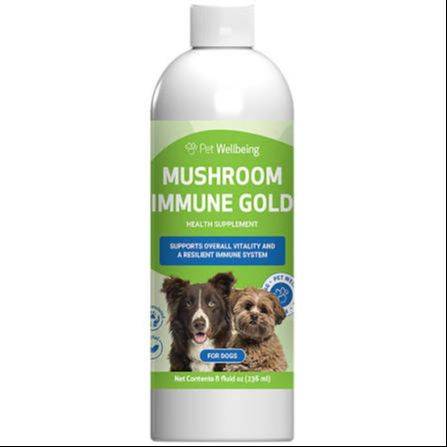
Mushroom Immune Gold from Pet Wellbeing
Supporting your dog's immune system and overall resilience can become an important part of their care plan. Mushroom Immune Gold combines Reishi, Maitake, and Turkey Tail mushrooms, naturally rich in beta-glucans that support healthy immune-cell activity, antioxidant defenses, digestion, and recovery, making it a supportive addition to veterinarian-guided cancer care.
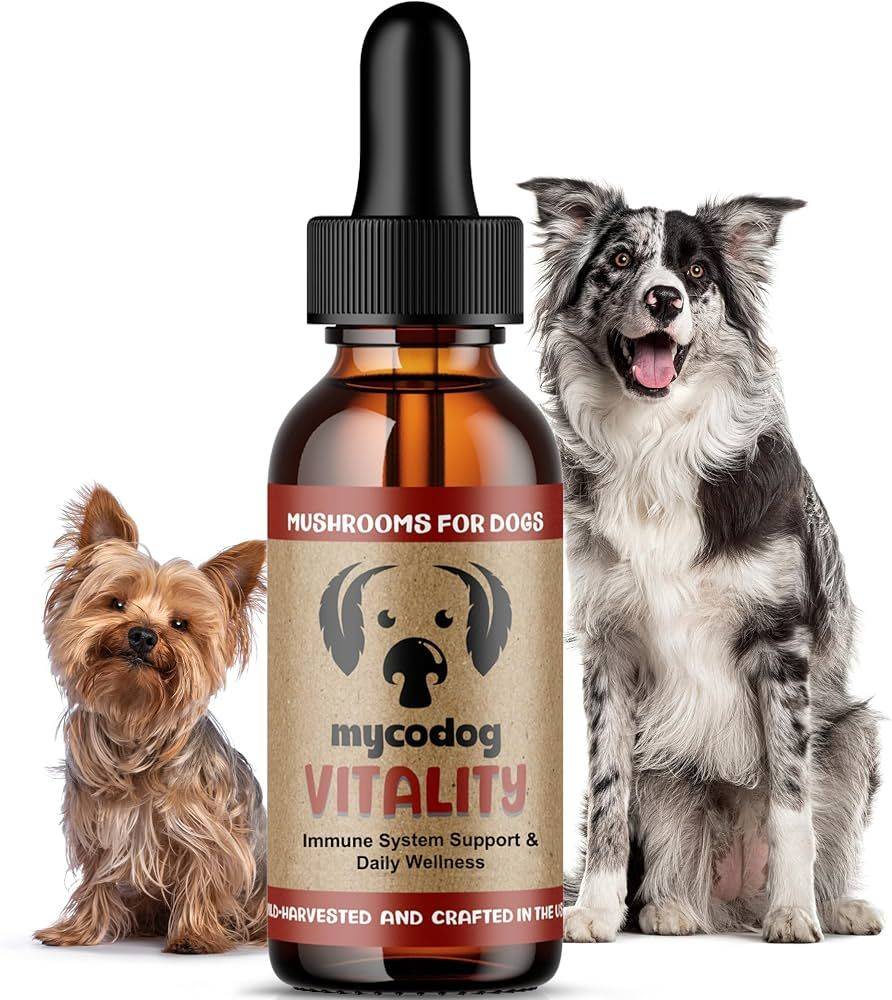
CBD Dog Health Vitality
This blend of Turkey Tail, Reishi, Maitake, and adaptogenic ingredients is designed to support healthy immune function, liver health, mobility, and overall vitality, making it a supportive option to discuss with your veterinarian alongside your dog’s cancer treatment.
Turkey Tail
Turkey tail is one of the most commonly discussed medicinal mushrooms in canine cancer support.
Pet parents may encounter it in powders, capsules, extracts, and combination mushroom formulas.
Before Choosing a Product
Look beyond the front label.
Compare:
- Species identification
- Extraction method
- Beta-glucan information
- Additional fillers
- Suggested serving size
- Testing information
If your dog is undergoing cancer treatment, discuss turkey tail with your veterinarian or oncologist before adding it.
[View Recommended Turkey Tail Products →]
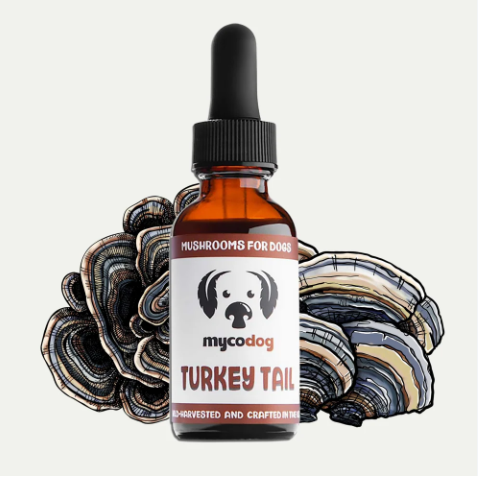
Mycodog Turkey Tail Extract
When your dog has cancer, supporting immune function and overall wellness can become an important part of their care plan. This dual-extracted Turkey Tail tincture is made from fruiting bodies and may help support healthy immune activity, antioxidant defenses, and overall resilience, making it a supportive option to discuss with your veterinarian alongside conventional cancer care.
Reishi
Reishi is another mushroom commonly used in traditional and integrative wellness approaches.
It may be included alone or as part of multi-mushroom blends.
Things to Consider
Because reishi contains biologically active compounds, it may not be appropriate for every dog or alongside every medication.
Dogs with certain medical conditions or medication regimens may require additional caution.
[View Recommended Reishi Products →]
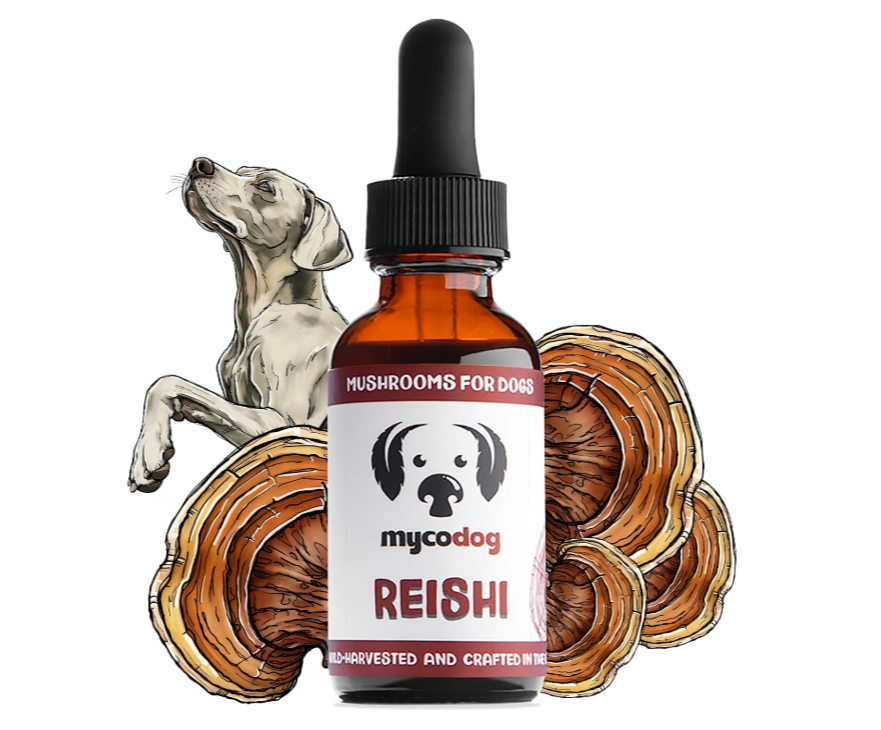
Mycodog Reishi Extract
This dual-extracted Reishi tincture is made from fruiting bodies and may help support healthy immune function, liver health, circulation, normal breathing, and a calmer response to stress alongside veterinarian-guided cancer care.
Omega-3 Fatty Acids
Omega-3 fatty acids, particularly EPA and DHA from marine sources, are commonly used in veterinary nutrition.
Products vary widely in concentration and quality.
What to Look For
When comparing omega-3 products, pay attention to:
- EPA amount
- DHA amount
- Total EPA + DHA per serving
- Product freshness
- Storage instructions
- Source
- Purity testing
- Appropriate dosing guidance
Do not compare fish oil products based only on the total amount of "fish oil" listed on the label.
The amount of EPA and DHA is usually more useful when comparing products.
Things to Consider
Omega-3 supplements can affect calorie intake and may require additional consideration in dogs with certain medical conditions or medications.
Ask your veterinary team what dose is appropriate for your dog.
[View Recommended Omega-3 Products →]
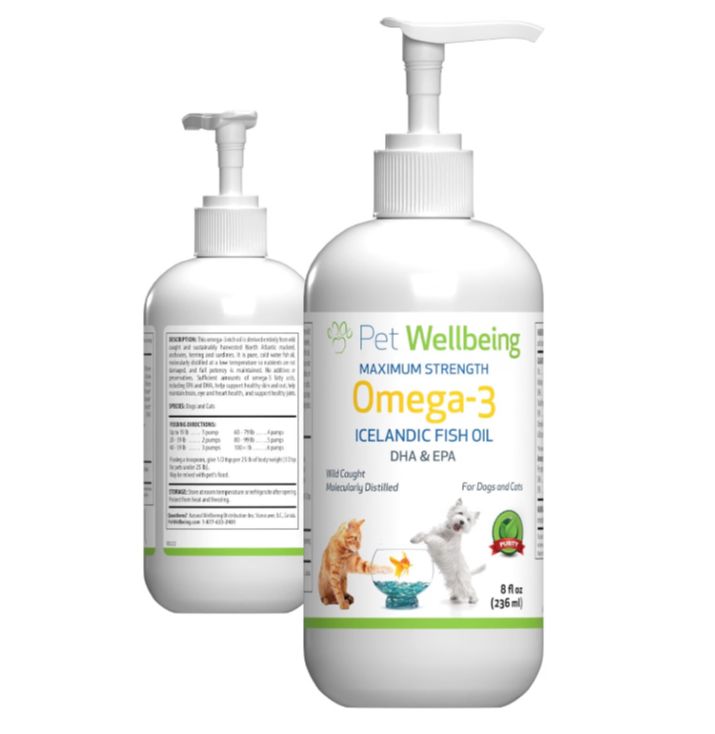
Omega-3s from Pet Wellbeing
Omega-3 fatty acids EPA and DHA may help by reducing inflammatory signaling, supporting healthy cell membranes, and helping preserve lean body mass during cancer-related weight loss, while also supporting joints, heart, kidneys, and skin as part of a veterinarian-guided cancer care plan.
Probiotics and Digestive Support
Cancer, medications, stress, antibiotics, dietary changes, and treatment can all influence gastrointestinal health.
Some dogs may benefit from veterinarian-guided probiotic or digestive support.
Probiotic Products
Best for: Dogs whose veterinary team has recommended support for gastrointestinal health.
When comparing probiotics, consider:
- Clearly identified microbial strains
- Amount provided
- Storage requirements
- Expiration information
- Manufacturer quality controls
- Additional ingredients
More strains or a larger number on the front of the package does not automatically mean a better product.
The formulation should match the intended use.
[View Recommended Probiotic Products →]
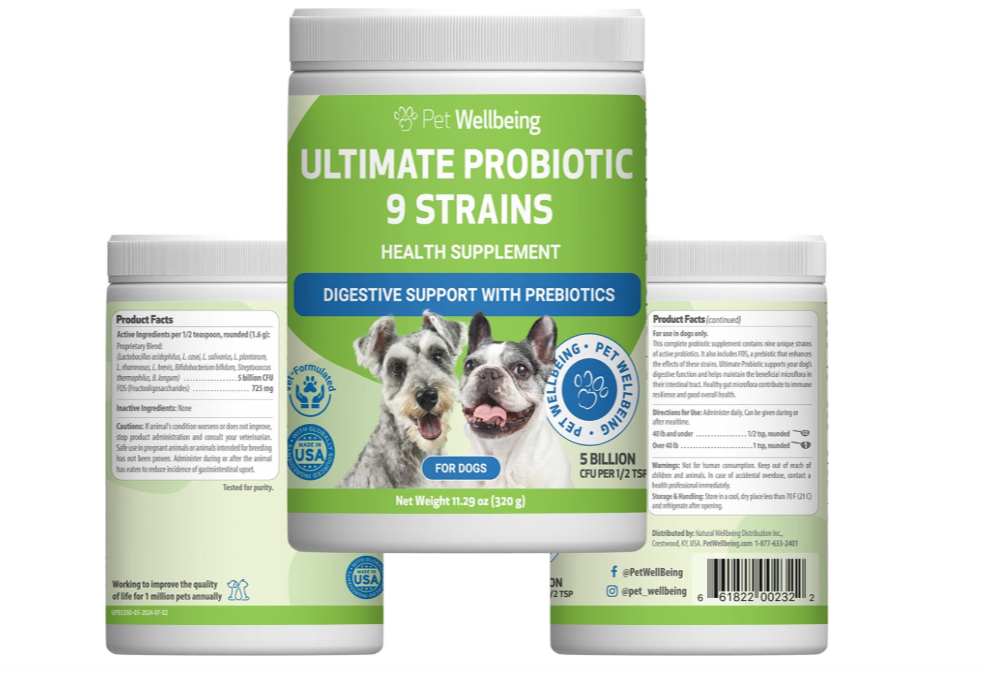
Ultimate Probiotics
When your dog has cancer, treatment, medications, stress, and diet changes can all disrupt the gut microbiome and lead to digestive upset. This 9-strain probiotic with FOS prebiotic fiber helps replenish beneficial bacteria, support digestion and stool quality, and nourish the gut environment that plays an important role in immune function, making it a helpful option to discuss with your veterinarian during cancer care.
Prebiotics and Fiber Products
Prebiotics and dietary fibers may also be used to support gastrointestinal function.
However, the type and amount of fiber appropriate for one dog may not be appropriate for another.
Dogs experiencing diarrhea, constipation, gastrointestinal disease, or significant dietary changes should be evaluated before randomly adding fiber products.
[View Recommended Digestive Support Products →]
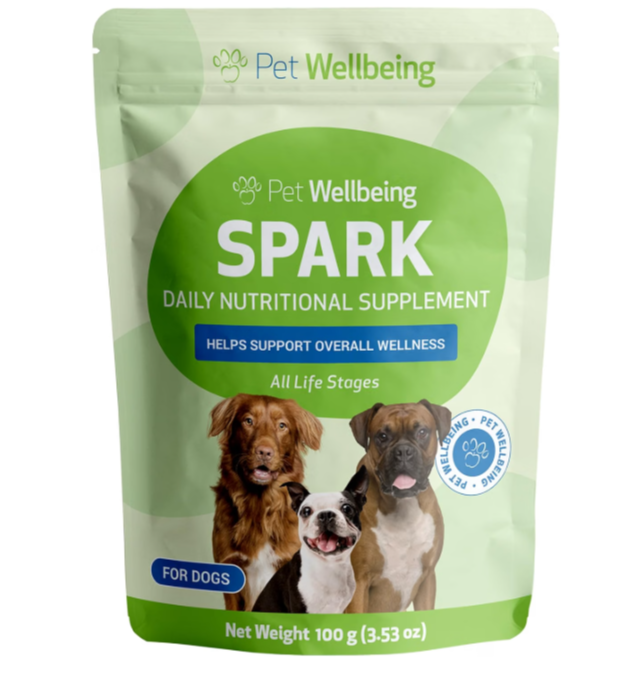
SPARK Nutritional Supplement
For broader daily digestive care, SPARK Daily Nutritional Supplement combines superfood greens with prebiotics, probiotics, and active digestive enzymes, including lipase, protease, amylase, cellulase, and invertase. These enzymes assist older or sensitive dogs in breaking down and absorbing complex proteins, fats, and carbohydrates, which helps reduce gas, bloating, and nutrient malabsorption.
Milk Thistle and Liver Support
Milk thistle is a botanical commonly used in liver-support formulations.
Its seeds contain compounds collectively known as silymarin.
Some pet parents encounter milk thistle when their dog has:
- Elevated liver values
- Liver disease
- Medication-related liver concerns
- A veterinarian-guided liver support plan
Important
Milk thistle should not be used as a substitute for diagnostic testing or treatment of liver disease.
If your dog's liver values are abnormal, the underlying reason matters.
[View Recommended Milk Thistle Products →]
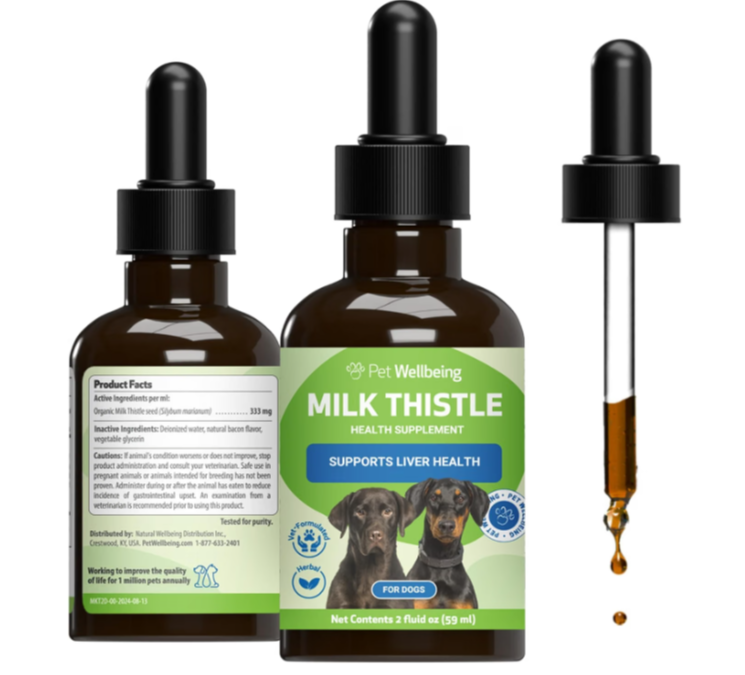
Milk Thistle
Supporting the liver can be especially important because medications, inflammation, and the disease itself can increase the liver’s workload. Milk Thistle contains silymarin compounds that help protect liver cells from oxidative stress, support normal liver regeneration and bile flow, and provide antioxidant and anti-inflammatory support as part of a veterinarian-guided cancer care plan.
SAMe and Combination Liver Support Products
Some veterinary liver-support products contain SAMe alone or in combination with ingredients such as silybin.
These products are often more appropriate to discuss within the context of laboratory results, medications, and a veterinarian's treatment plan.
Do not assume that a dog undergoing cancer treatment automatically needs liver supplementation.
[View Recommended Liver Support Products →]
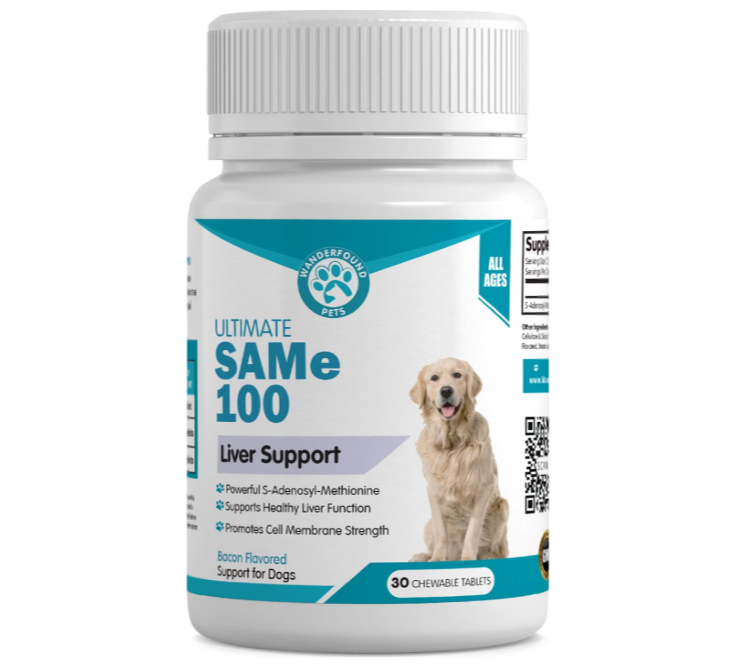
SAMe
Supporting the liver can be especially important during cancer care, particularly when medications and treatment increase its workload. SAMe helps the body produce glutathione, one of its key antioxidants, which supports liver cell protection, normal detoxification pathways, and cellular repair while also contributing to healthy brain function and overall well-being.
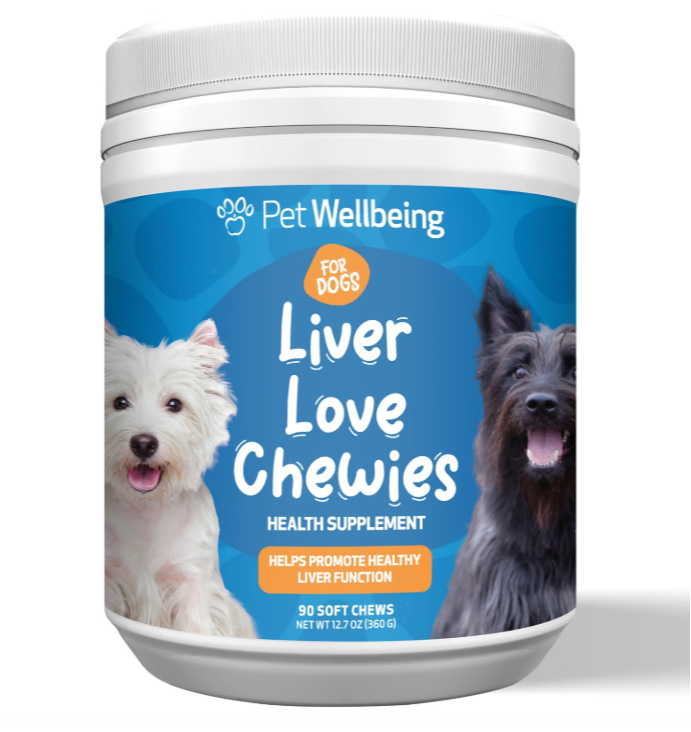
Liver Love Chewies
Liver Love Chewies combine standardized Milk Thistle with Artichoke, Bupleurum, Jujube, and antioxidant-rich Beet Powder to help protect liver cells, support healthy bile flow and natural detoxification, and promote overall liver resilience in an easy-to-give soft chew.
Antioxidant Supplements
Antioxidants are often marketed heavily to pet parents caring for dogs with cancer.
This is an area where caution is particularly important.
Some antioxidant nutrients are essential to normal health, but high-dose supplementation may not be appropriate during every type of cancer treatment.
If your dog is receiving chemotherapy or radiation therapy, discuss antioxidant supplements with your oncology team before adding them.
Avoid assuming that "more antioxidants" automatically means better cancer support.
Vitamins and Minerals
Dogs generally should not receive additional vitamins or minerals without a reason.
A complete and balanced commercial diet already contains required nutrients in appropriate proportions.
Additional supplementation can sometimes lead to excessive intake.
Examples include:
- Vitamin D
- Calcium
- Iron
- Zinc
- Selenium
- Vitamin A
If you suspect your dog has a deficiency, testing and veterinary guidance are preferable to guessing.
Herbal Supplements
Herbs can be powerful tools, but they also contain active compounds that can affect the body.
Examples commonly encountered in pet wellness products include:
- Turmeric
- Milk thistle
- Astragalus
- Ginger
- Boswellia
- Adaptogenic herbs
- Traditional herbal blends
The usefulness and safety of an herb depend on:
- Species
- Preparation
- Concentration
- Dose
- Other ingredients
- Your dog's medical conditions
- Medications
- Cancer treatment
A label saying "herbal" or "holistic" does not remove the possibility of side effects or interactions.
Joint and Mobility Supplements
Dogs with cancer may also have arthritis, age-related stiffness, or mobility challenges unrelated to the cancer itself.
Supportive products may contain ingredients such as:
- Glucosamine
- Chondroitin
- Green-lipped mussel
- MSM
- Omega-3 fatty acids
- Other joint-support compounds
If mobility is changing quickly, do not assume arthritis is the cause.
New weakness, pain, lameness, or difficulty walking should be discussed with your veterinary team.
[View Recommended Joint Support Products →]
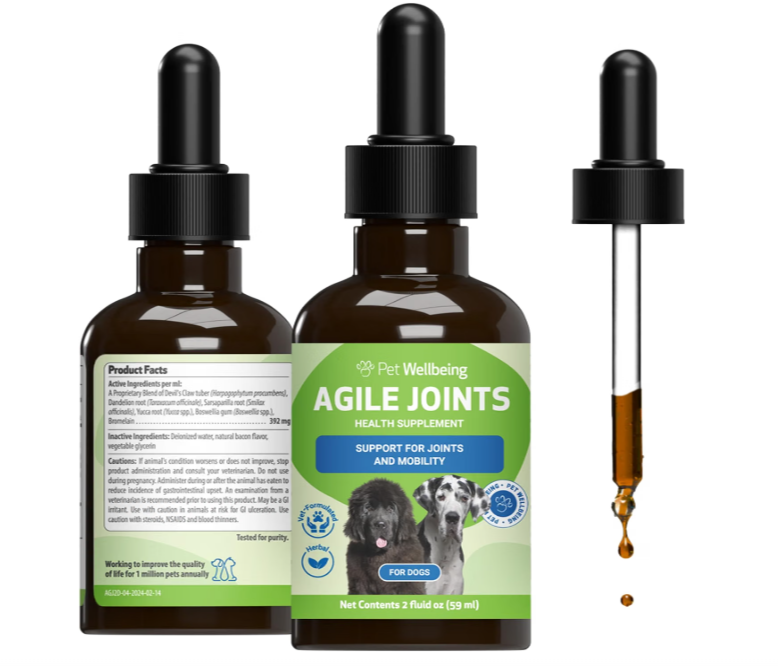
Pet Wellbeing Agile Joints
When your dog has cancer, keeping them comfortable and mobile can make a meaningful difference in their daily quality of life. Agile Joints combines herbs like Devil’s Claw, Boswellia, Yucca, and Bromelain to support joint comfort, flexibility, circulation, and healthy movement, helping make it easier for your dog to stand, walk, and enjoy gentle everyday activities.
Omega-3's from Pet Wellbeing
Omega-3 fatty acids EPA and DHA may help by reducing inflammatory signaling, supporting healthy cell membranes, and helping preserve lean body mass during cancer-related weight loss, while also supporting joints, heart, kidneys, and skin as part of a veterinarian-guided cancer care plan.
Calming and Emotional Support Products
Some dogs experience increased stress around veterinary visits, changes in routine, hospitalization, or treatment.
Supportive products may include:
- Calming chews
- Pheromone products
- Comfort wraps
- Behavioral enrichment tools
- Veterinarian-recommended calming supplements
These products should not be used to mask severe anxiety, pain, breathing difficulty, or other medical problems.
[View Recommended Calming Support Products →]
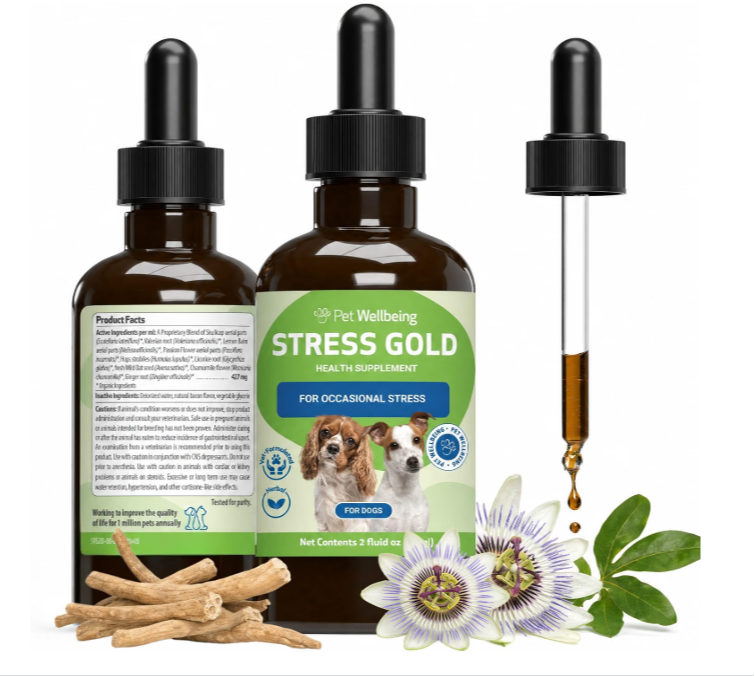
Pet Wellbeing's Stress Gold
When your dog has cancer, stressful events like veterinary visits, procedures, travel, or sudden routine changes can be especially difficult. Stress Gold is designed as a short-term, situational support to promote gentle relaxation and help ease stress-related stomach upset or appetite changes, but it is not intended for continuous daily use; because it contains Licorice Root, check with your veterinarian before use if your dog is taking steroids such as Prednisone.
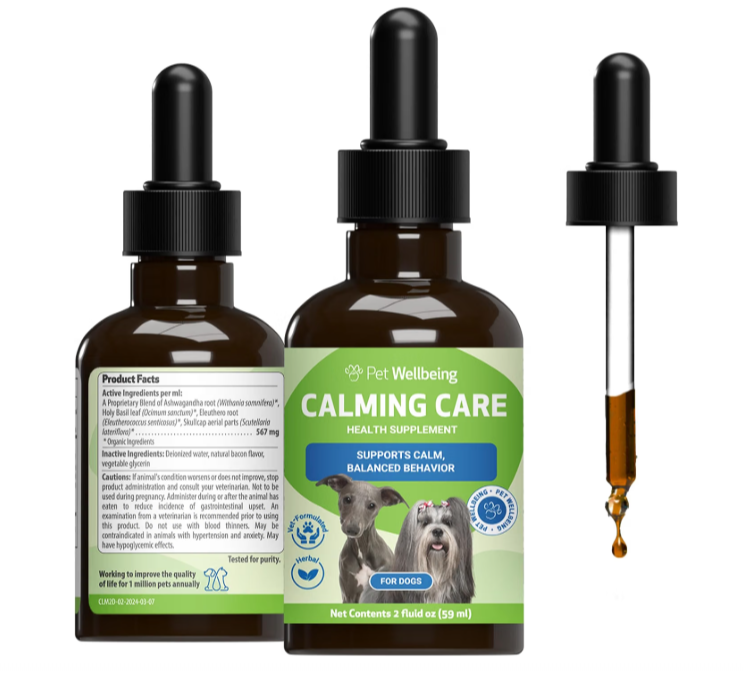
Calming Care from Pet Wellbeing
When your dog has cancer, ongoing stress, routine changes, and repeated veterinary care can take an emotional toll over time. Calming Care is designed for daily, long-term support, using non-sedating adaptogenic and nervine herbs to gradually promote a calmer, more balanced stress response while helping your dog stay naturally alert; unlike Stress Gold, it is intended for ongoing use rather than short-term stressful events.
Hydration and Electrolyte Support
Dehydration is a medical issue, not simply a product-selection problem.
If your dog is vomiting, experiencing diarrhea, refusing water, or showing signs of dehydration, contact your veterinary team.
Do not rely on electrolyte powders or hydration supplements to treat significant dehydration without veterinary guidance.
For stable dogs, supportive hydration products may sometimes be useful when recommended as part of a broader care plan.
Ask your veterinarian which option would be best for your individual dog.
Combination Supplements: More Is Not Always Better
It can be tempting to choose a product containing ten, fifteen, or twenty supportive ingredients.
But combination formulas can make it harder to determine:
- Which ingredients are actually needed
- Whether each ingredient is appropriately dosed
- Which ingredient caused a side effect
- Whether an interaction exists
- Whether your dog is receiving duplicate ingredients from other products
Sometimes a simpler product with a clear purpose is the better choice.
Avoid "Cancer Cure" Claims
Be cautious with products claiming to:
- Cure cancer
- Eliminate tumors
- Replace chemotherapy
- Detoxify cancer
- Kill cancer cells in every dog
- Guarantee longer survival
- Replace veterinary care
Cancer is complex.
No supplement should be presented as a guaranteed alternative to appropriate diagnosis and treatment.
Supportive products may complement care.
They should not be used to delay or replace necessary veterinary evaluation.
Build a Supplement List for Your Veterinary Team
Keep an updated list of everything your dog receives.
Include:
- Prescription medications
- Over-the-counter medications
- Vitamins
- Minerals
- Herbs
- Mushroom products
- Oils
- Probiotics
- Joint supplements
- CBD or hemp products if applicable
- Treats containing active ingredients
- Powders or food additives
For each product, record:
- Brand
- Product name
- Ingredients
- Amount given
- Frequency
- When it was started
Bring this list to veterinary and oncology appointments.
A photograph of each product label can also be helpful.
Introduce Supplements One at a Time
When medically appropriate, adding multiple new products at once can make it difficult to know what caused a change.
If your veterinary team approves several additions, ask whether introducing them individually would make sense.
That may make it easier to identify:
- Gastrointestinal upset
- Appetite changes
- Allergic reactions
- Behavioral changes
- Unexpected side effects
Your veterinarian's instructions should always take priority.
How We Choose Products
Drake Dog Cancer Foundation evaluates supportive products based on more than marketing claims.
When considering recommendations, we look at factors such as:
- Ingredient transparency
- Product formulation
- Manufacturer quality
- Testing information
- Evidence supporting the ingredients
- Relevance to dogs with cancer
- Appropriate labeling
- Ease of dosing
- Value
- Safety considerations
- Potential interactions
- Whether the product has a clear purpose
An affiliate relationship does not automatically qualify a product for recommendation.
Our guiding question is:
Is there a clear, reasonable reason this product may have a place in a veterinarian-guided support plan?
Questions to Ask Before Buying a Supplement
Before clicking "add to cart," ask:
What am I trying to accomplish?
Choose the goal before the product.
Does my dog already receive this ingredient?
Check combination products carefully.
Is the dose clearly stated?
Be cautious with products that rely heavily on proprietary blends without telling you how much of each ingredient is present.
Who makes it?
Look for transparent manufacturers that provide clear ingredient and quality information.
Has my veterinary team reviewed it?
This is especially important during chemotherapy, radiation therapy, surgery, or when your dog takes multiple medications.
Am I adding this because my dog needs it, or because I am scared not to?
Cancer creates enormous pressure to "do everything."
More products do not necessarily mean better care.
Frequently Asked Questions
Should every dog with cancer take supplements?
No. Supplement needs depend on the individual dog, cancer type, treatment plan, diet, medications, laboratory results, and other medical conditions.
What supplements are commonly used for dogs with cancer?
Pet parents often ask about medicinal mushrooms, omega-3 fatty acids, probiotics, liver-support products, herbs, joint supplements, and nutritional support. Whether any of these are appropriate depends on the individual dog.
Can supplements interfere with chemotherapy?
Some supplements may interact with medications or affect treatment-related processes. Always give your oncology team a complete list of everything your dog receives.
Are natural supplements safer than medications?
Not necessarily. Natural compounds can have biological effects, side effects, and drug interactions.
Are medicinal mushrooms safe for dogs with cancer?
Their appropriateness depends on the mushroom species, formulation, dose, your dog's health, medications, and treatment plan. Discuss them with your veterinarian before use.
Should I give my dog antioxidants during chemotherapy?
Do not automatically add high-dose antioxidant supplements during cancer treatment. Discuss the specific product and dose with your oncologist.
Does my dog need a multivitamin?
Dogs eating a complete and balanced diet generally should not automatically receive additional vitamin and mineral supplementation. Additional nutrients may be appropriate in specific situations under professional guidance.
How do I choose a quality supplement?
Look for clearly identified ingredients, meaningful amounts, transparent labeling, manufacturer quality information, appropriate storage instructions, and a clear reason for using the product.
Can supplements cure canine cancer?
Be skeptical of any supplement marketed as a cure for cancer. Supportive products may have a role alongside veterinary care, but they should not replace appropriate diagnosis or cancer treatment.
Supportive Care Should Have a Purpose
When your dog has cancer, doing more can feel reassuring.
Another supplement.
Another powder.
Another recommendation you saw online.
Another thing that might help.
But supportive care does not need to mean adding as many products as possible.
Sometimes the better question is:
What does my dog need right now?
Maybe that is nutritional support.
Maybe it is help with digestion.
Maybe it is better pain management.
Maybe it is rest.
Maybe it is addressing nausea.
Maybe it is simply continuing the treatment plan that is already working.
Every product in your dog's routine should ideally have a reason for being there.
Thoughtful care is not about doing everything.
It is about doing what makes sense for your dog.
Explore Our Supplement Guides
Before choosing a product, learn more about the individual ingredient:
Medicinal Mushrooms for Dogs With Cancer →
Turkey Tail for Dogs With Cancer →
Omega-3 Fatty Acids for Dogs With Cancer →
These individual guides can provide deeper information about potential uses, evidence, safety considerations, and questions to discuss with your veterinary team.
Continue Supporting Your Dog
You may also find these Drake Dog Cancer Foundation resources helpful:
Nutrition & Feeding Products →
A Note From Drake Dog Cancer Foundation
A cancer diagnosis can create tremendous pressure to find the next treatment, supplement, diet, or product that might help.
We understand that instinct.
But supplements should support a thoughtful care plan, not replace one.
Before adding a new supplement, herb, mushroom, vitamin, or supportive product, consider discussing it with your veterinarian or veterinary oncologist, particularly if your dog is undergoing active treatment or taking prescription medications.
Drake Dog Cancer Foundation strives to work alongside veterinary professionals, not replace them, while helping families make more informed decisions throughout the cancer journey.
