
Nasal Tumors in Dogs
What You Should Know
Nasal tumors in dogs are unusual in this library for two reasons, and both are worth understanding before anything else.
Surgery is not the treatment. Removing a nasal tumor surgically does not extend survival and can make dogs feel worse. Radiation is the mainstay, and it works genuinely well. Families arriving with the reasonable assumption that a tumor gets cut out often find this difficult to hear, and the explanation below matters.
These tumors are locally destructive but slow to spread. They invade the nasal cavity, the bones of the face, and sometimes the brain, while reaching distant organs comparatively late. That combination is why local treatment is worth pursuing, and it is why dogs who receive radiation often gain a year or more of comfortable life.
Most dogs are diagnosed after months of what looked like a persistent infection or allergies. If that describes your experience, it is by far the most common route to this diagnosis and reflects how the disease presents rather than any failure of care.
Understanding Nasal Tumors in Dogs
Signs That Need Urgent Care
- Heavy nosebleeding that will not stop: Apply gentle cold compression to the bridge of the nose, keep your dog calm, and seek veterinary care
- Seizures, disorientation, circling, or sudden behavior change: These can indicate the tumor has extended into the brain
- Severe difficulty breathing: Open-mouth breathing at rest, distress, or blue-tinged gums
Any of these needs immediate veterinary attention.
What Nasal Tumors Are
Nasal tumors arise within the nasal cavity or the sinuses. The great majority in dogs are malignant, commonly estimated at around 80 percent, which is an unusual ratio and one reason a nasal mass is taken seriously.
They cause harm primarily by destroying local structures. As the tumor grows it erodes the delicate bones inside the nose, obstructs airflow, and can breach the bony plate separating the nasal cavity from the brain. Spread to lymph nodes and lungs occurs but tends to happen late.
Nasal tumors account for roughly 1 to 2 percent of canine cancers. Most dogs are older, typically around ten.
The types
Adenocarcinoma is the most common, arising from glandular tissue lining the nasal cavity.
Chondrosarcoma arises from cartilage and generally carries a better outlook than the other malignant types, with longer reported survival after radiation.
Squamous cell carcinoma and undifferentiated carcinoma also occur, the latter behaving more aggressively.
Sarcomas including fibrosarcoma and osteosarcoma of the nasal bones are less common.
Nasal lymphoma is treated entirely differently — with chemotherapy following lymphoma protocols rather than radiation as the primary approach. If your dog's biopsy returns lymphoma, see our page on lymphoma, as the outlook and treatment differ substantially.
Benign polyps occur and are far less common. Removal resolves them.
Which Dogs Are Affected
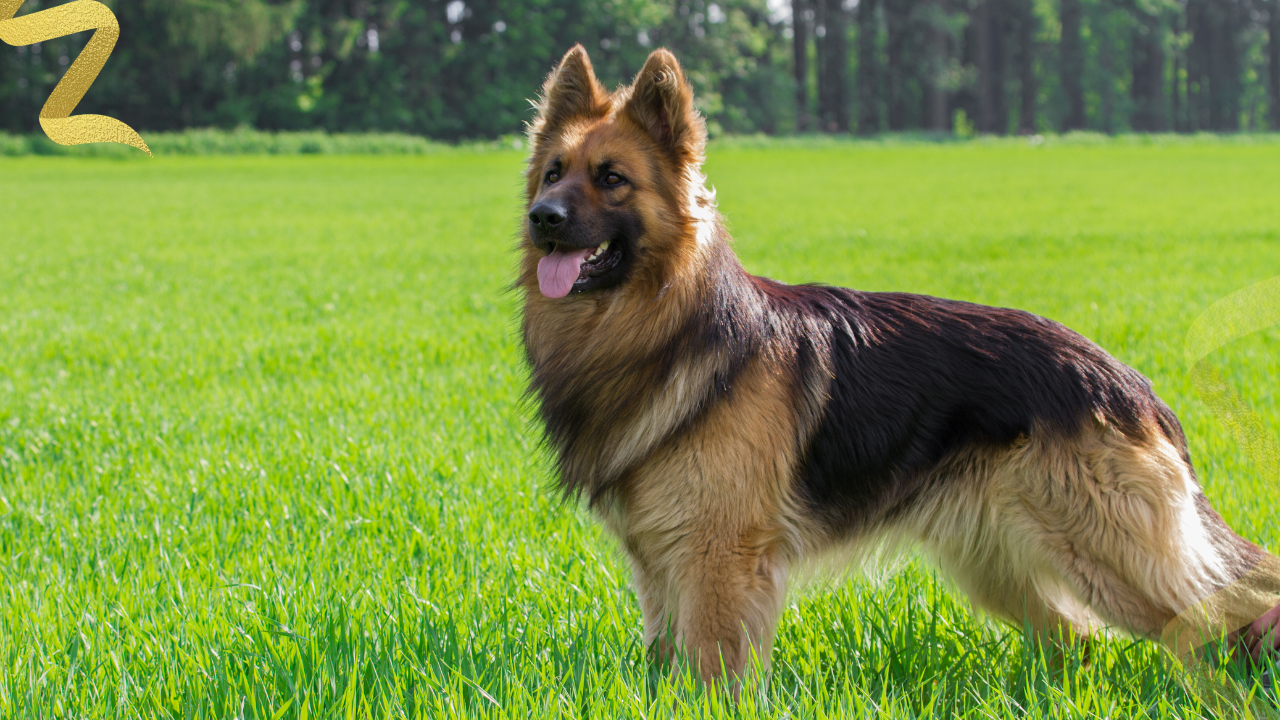
Long-nosed breeds are affected disproportionately:Collies, German Shepherds, Labrador Retrievers, Golden Retrievers, Airedale Terriers, Basset Hounds, and Shetland Sheepdogs among them. Medium and large dogs are diagnosed more often than small ones.
Some studies have associated increased risk with exposure to indoor pollutants, including tobacco smoke and coal or kerosene heating, though the evidence is not conclusive. Nothing about diet or ordinary care causes these tumors.
Signs to Look For
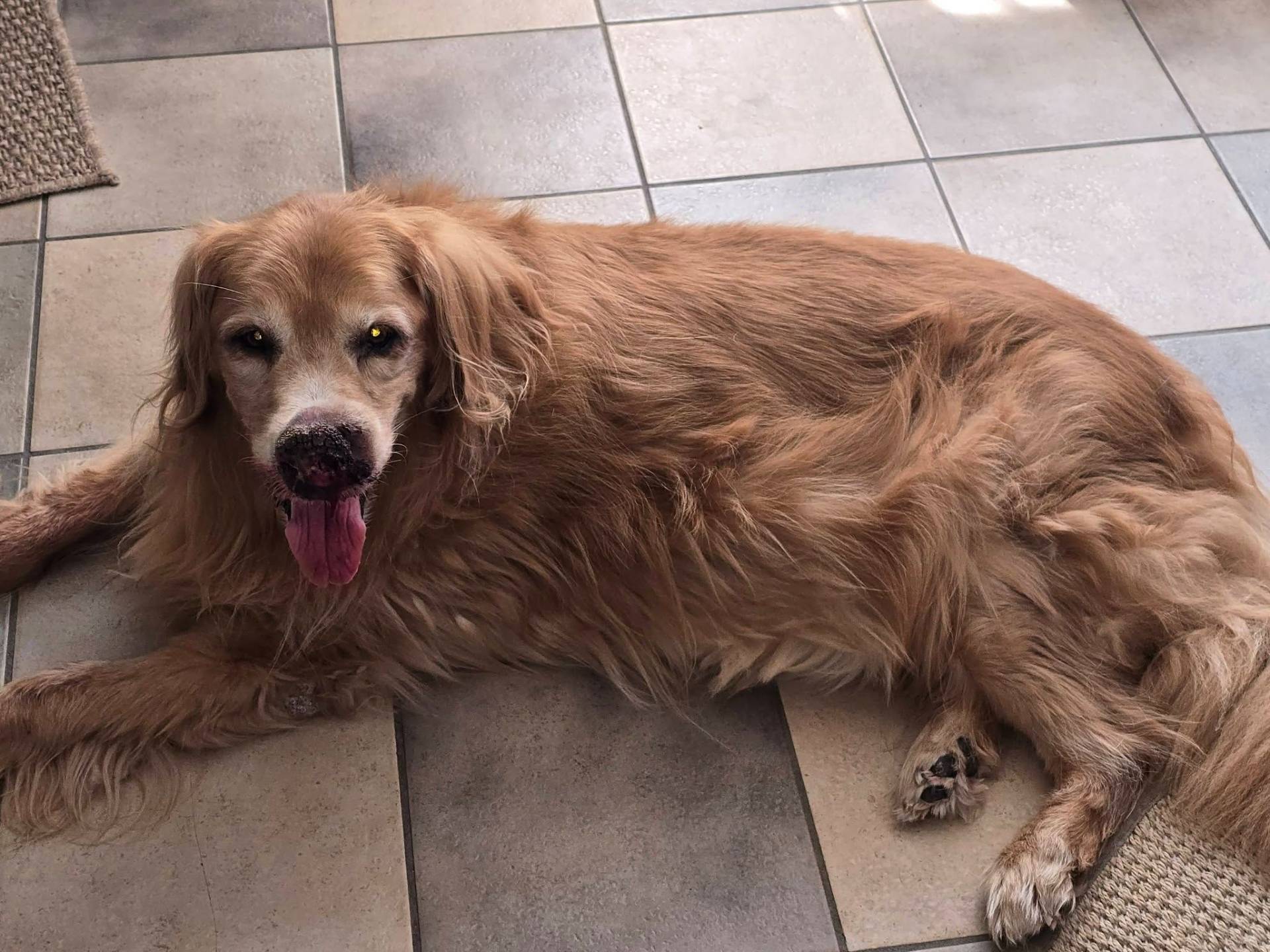
Nasal discharge from one nostril is the classic early sign. It may be clear at first, then become mucoid, pus-like, or blood-tinged. Over time it frequently becomes two-sided as the tumor erodes the septum between the nasal passages.
Other signs:
- Nosebleeds, often from one side initially
- Sneezing, sometimes in prolonged bouts
- Noisy breathing or snorting, and reduced airflow through one nostril
- Facial swelling or asymmetry, particularly over the bridge of the nose
- Bulging of one eye, or discharge from one eye if the tear duct is obstructed
- Pawing at the face or reluctance to have the muzzle touched
- Reduced appetite and weight loss
- Loss of the sense of smell, sometimes shown as reduced interest in food
- Seizures or behavior change where the tumor has reached the brain
The Pattern That Matters
One-sided nasal discharge or nosebleeding in an older dog is the single most useful warning sign in this disease.
Infections and allergies typically affect both nostrils. A tumor starts in one nasal passage. That asymmetry is the clue, and it is frequently missed because the signs otherwise look exactly like an infection, and because antibiotics often produce partial improvement, since secondary bacterial infection genuinely develops alongside the tumor.
Nasal discharge in an older dog that keeps returning after antibiotics, or that affects one side, should be investigated with imaging rather than treated again.
That single sentence is the most useful thing on this page.
An important alternative diagnosis
Fungal infection of the nose, most often aspergillosis, causes very similar signs: One-sided discharge, nosebleeds, sneezing, and pain over the nose. It is treatable, with a good outcome in many dogs, and it is a genuinely different disease.
Distinguishing the two requires imaging and sampling. If your dog has these signs, both possibilities should be on the table. Dogs with fungal disease often have visible ulceration and depigmentation of the skin at the nostrils, which is less typical of tumors.
How Nasal Tumors Are Diagnosed
CT is the imaging test of choice. It shows the extent of the tumor, which structures are involved, whether the bones of the face or the plate beneath the brain have been eroded, and provides the planning information radiation requires. Plain X-rays are far less informative and can miss meaningful disease.
If radiation is being considered, CT is not optional; it is what the treatment plan is built from.
Rhinoscopy passes a camera into the nasal cavity, allowing direct visualization and targeted sampling. It also helps identify fungal disease.
Biopsy provides the definitive diagnosis. Samples are taken through the nostril during rhinoscopy or under CT guidance. Because these tumors bleed readily, clotting is usually assessed beforehand and some bleeding after the procedure is expected.
Fungal testing is performed where aspergillosis is a possibility.
Staging includes assessment of the lymph nodes under the jaw and chest imaging. Because spread tends to occur late, extensive staging is often less revealing than the local imaging.
One finding that matters most...
Nasal tumors are staged by how far they have extended, and one result carries particular weight: erosion of the cribriform plate, the perforated bone separating the nasal cavity from the brain. Tumors that have breached it carry a poorer outlook and complicate radiation planning.
Ask your veterinarian whether the cribriform plate is involved, because it affects both the expected outcome and how treatment is delivered.
Treatment
Why surgery is not the answer
Surgical removal of nasal tumors does not extend survival compared with no treatment, and it carries meaningful complications including bleeding and a period of discomfort afterward.
The reason is anatomical. The nasal cavity is a complex space of thin scrolled bones adjacent to the eyes, the brain, and the roof of the mouth. Achieving the wide margins that would control the tumor is not possible without removing structures the dog needs.
Surgery has a limited role in specific circumstances, removing a benign polyp, or occasionally combined with radiation at some centers, but it is not the primary treatment.
Radiation
Radiation is the mainstay, and it works.
It reaches the entire nasal cavity, including areas surgery cannot address, and these tumors respond well. Most dogs experience substantial improvement in their signs, reduced discharge, less bleeding, easier breathing, often within the first weeks.
Protocols vary. Conventional courses deliver treatment over several weeks in multiple sessions. Stereotactic radiation delivers a small number of higher-dose treatments, often one to three, and is increasingly available. Each session requires brief anesthesia.
Reported median survival after radiation commonly falls between roughly eight and eighteen months, varying with tumor type and stage. Chondrosarcomas tend toward the longer end. Untreated, median survival is generally three to five months.
Palliative radiation: A shorter, lower-dose course; is worth knowing about. It aims to relieve symptoms rather than maximize survival, costs less, requires fewer visits, and can improve breathing and reduce bleeding meaningfully. For families where a full course is not feasible, ask about this specifically.
Medical treatment
Anti-inflammatory medication, particularly piroxicam, has modest activity against some nasal tumors and improves comfort. It is inexpensive and taken at home.
Toceranib, a targeted oral drug, has shown activity in some nasal tumors and is used in dogs who cannot receive radiation or after it.
Chemotherapy has a limited role for most nasal tumors, though it is the primary treatment for nasal lymphoma.
Antibiotics are frequently needed for secondary bacterial infection, which develops readily in a damaged nasal cavity and contributes to discharge and odor. Treating it improves comfort noticeably even though it does nothing for the tumor.
Integrative and supportive care
Humidity helps. A humidifier in the room where your dog sleeps, or brief periods in a steamy bathroom, loosens secretions and eases breathing. This is simple, inexpensive, and genuinely useful.
Keep the nostrils clean and moist. Gentle wiping with a warm damp cloth removes crusted discharge. Ask your veterinary team about a safe barrier ointment if the skin around the nostrils becomes sore.
Appetite needs attention, because dogs who cannot smell often lose interest in food. Warming food substantially increases aroma, and strongly flavoured toppers help. This is one of the more effective practical interventions available to you.
Be cautious with supplements, particularly anything affecting clotting, fish oil and turmeric at higher doses, since nosebleeding is a feature of this disease. Discuss antioxidant products with your oncologist if your dog is receiving radiation.
No supplement or diet has been shown to treat nasal tumors in dogs.
Comfort care alone
Choosing not to pursue radiation is a legitimate decision, and meaningful support remains available: anti-inflammatory medication, antibiotics for secondary infection, humidification, and appetite support.
Understand the expected course. Signs progress over months, with discharge and bleeding increasing, breathing becoming more difficult, and in some dogs eventual extension toward the brain causing neurological signs. Median survival without treatment is generally three to five months.
Palliative radiation sits between full treatment and comfort care alone and is worth asking about even if you have decided against a full course.
What Treatment is Actually Like for Your Dog
Radiation is the main experience. Each session is brief and requires light anesthesia, and dogs go home the same day. Conventional courses mean daily or near-daily visits over several weeks, which is a real logistical and financial commitment, ask about accommodation near the treatment center if you live at a distance. Stereotactic protocols require far fewer visits.
Side effects are local and expected. The skin over the muzzle becomes red and irritated, similar to sunburn. The lining of the mouth and nose becomes inflamed, which can make eating uncomfortable for a period. Some dogs develop eye irritation. These typically appear partway through treatment, peak shortly afterward, and settle over several weeks with pain relief and softened food.
Longer-term effects, appearing months later, can include changes to the eye on the treated side and permanent hair colour change or loss over the muzzle. Discuss these with your radiation oncologist.
Most dogs feel considerably better once the acute effects settle, with reduced discharge and easier breathing.
Understanding Prognosis
These are medians across many dogs. Half lived less, half lived longer.
- Untreated: roughly three to five months
- Radiation: commonly eight to eighteen months, varying by type and stage
- Chondrosarcoma treated with radiation: toward the longer end of that range
- Undifferentiated carcinoma: generally shorter
- Tumors that have eroded the cribriform plate: shorter, and more complex to treat
Factors associated with a better outcome include earlier stage, chondrosarcoma histology, absence of cribriform plate erosion, and absence of facial deformity at diagnosis.
Nasal tumors are controlled rather than eliminated. Most dogs eventually experience local recurrence. But the interval radiation buys is frequently a year or more of comfortable life, which makes it one of the more worthwhile treatments in this library for a disease that would otherwise progress within months.
What It Costs
Costs vary by region and are concentrated at specialty centers. Ask for a written estimate.
- CT with anesthesia: approximately $1,500 to $3,000
- Rhinoscopy with biopsy: approximately $1,000 to $2,500
- Stereotactic radiation: approximately $6,000 to $10,000
- Conventional radiation course: approximately $5,000 to $9,000
- Palliative radiation: approximately $1,500 to $3,000
- Anti-inflammatory medication: modest monthly cost
- Toceranib: typically several hundred dollars per month
If a full radiation course is out of reach, ask specifically about palliative radiation. It costs a fraction of a full course, requires only a few visits, and can meaningfully improve breathing and reduce bleeding.
Living With It Day-to-Day
Humidify the air where your dog sleeps, and clean the nostrils gently as needed.
Make food smell stronger. Warm it, add wet food or a flavourful topper, and offer smaller frequent meals. A dog who cannot smell needs help finding food appealing.
Expect some bleeding and keep it in perspective — intermittent nosebleeds are part of this disease. Heavy bleeding that will not stop needs veterinary attention.
Avoid irritants. No smoking near your dog, minimize dust and strong cleaning products, and avoid scented sprays.
Report to your veterinary team: worsening breathing difficulty, heavy or persistent bleeding, facial swelling, eye changes, seizures or disorientation, refusal to eat, or a decline after a period of stability.
Rechecks typically include examination and, where relevant, repeat imaging to assess response.
Questions Worth Asking Your Oncologist
- What type of nasal tumor is this, and how does that type usually behave?
- Has the cribriform plate been assessed, and is it involved?
- Has fungal disease been ruled out?
- Is stereotactic radiation available, or would this be a conventional course?
- How many visits would treatment require, and over what period?
- If a full course is not feasible for us, is palliative radiation an option?
- What side effects should I expect, and when?
- What should I watch for that would suggest it is progressing?
Thinking About Quality of Life
The quality-of-life measures here are specific and observable: breathing comfort, appetite, energy, and freedom from pain over the face.
Breathing is the one to watch most closely. A dog working noticeably harder to breathe, breathing through the mouth at rest, or unable to settle comfortably is telling you something important.
Loss of smell affects appetite, which affects everything else, so a dog who has stopped eating deserves active intervention rather than acceptance — warming food, changing textures, and asking about appetite stimulants.
Track your dog weekly across a few consistent dimensions — breathing, appetite, comfort, energy, engagement with the family, and whether good days still outnumber bad. Written notes over months are more reliable than memory.
Ask your veterinary team what the later stages typically look like. For this disease that usually means progressive breathing difficulty and, in some dogs, neurological signs from extension toward the brain. Knowing in advance makes the eventual decisions considerably easier.
Common Questions
My dog was treated for a nasal infection for months. Was this missed? This is the most common route to this diagnosis. The signs are identical to an infection, secondary bacterial infection genuinely develops alongside the tumor so antibiotics produce partial improvement, and that improvement is misleading. What should prompt imaging is discharge that keeps returning, or discharge and bleeding affecting one side.
Why can't the tumor be removed? Because the nasal cavity is a complex space of thin bones next to the eyes, brain, and mouth, and adequate margins cannot be achieved without removing structures the dog needs. Surgery does not extend survival for these tumors and carries real complications. Radiation reaches what surgery cannot.
Does radiation actually work for this? Yes. Nasal tumors respond well, and most dogs experience real improvement in discharge, bleeding, and breathing. Reported median survival after radiation is commonly eight to eighteen months, compared with three to five months untreated.
Are nosebleeds dangerous? Intermittent nosebleeds are an expected part of this disease and are usually not dangerous in themselves. Heavy bleeding that will not stop warrants veterinary attention. Apply gentle cold compression to the bridge of the nose and keep your dog calm.
Could this be a fungal infection instead? It could. Nasal aspergillosis causes very similar signs and is treatable with a good outcome in many dogs. Imaging and sampling distinguish them, and both should be considered.
What if we cannot afford a full radiation course? Ask about palliative radiation. A short, lower-dose course costs substantially less, requires only a few visits, and can meaningfully relieve breathing difficulty and bleeding. Anti-inflammatory medication and treating secondary infection also improve comfort at modest cost.
My dog has stopped eating well. Is that the cancer? Often it is loss of smell rather than the cancer directly. Dogs rely heavily on scent to find food appealing, and a blocked or damaged nasal cavity blunts that. Warming food, adding strongly flavored toppers, and offering smaller frequent meals frequently helps considerably.
The Research
Adams WM, Kleiter MM, Thrall DE, et al. Prognostic significance of tumor histology and computed tomographic staging for radiation treatment response of canine nasal tumors. Veterinary radiology & ultrasound : the official journal of the American College of Veterinary Radiology and the International Veterinary Radiology Association. May-Jun 2009;50(3):330-335.
Bahrami A, Truong LD, Ro JY. Undifferentiated tumor: true identity by immunohistochemistry. Archives of pathology & laboratory medicine. Mar 2008;123(3):326-348.
Bukowski JA, Wartenberg D, Goldschmidt M. Environmental causes for sinonasal cancers in pet dogs, and their usefulness as sentinels of indoor cancer risk. Journal of toxicology and environmental health. Part A. Aug 7 1998;54(7):579-591.
Goel R, Ramalingam K, Ramani P, Chandrasekar T. Sino nasal undifferentiated carcinoma: A rare entity. Journal of natural science, biology, and medicine. Jan 2012;3(1):101-104.
Leivo I. Sinonasal Adenocarcinoma: Update on Classification, Immunophenotype and Molecular Features. Head and neck pathology. Mar 2016;10(1):68-74.
Łojszczyk A, Łopuszyński W, Szadkowski M, Orzelski M, Twardowski P. Aggressive squamous cell carcinoma of the cranium of a dog. BMC Veterinary Research. 2021/04/06 2021;17(1):144.
Maglietti F, Tellado M, Olaiz N, Michinski S, Marshall G. Minimally Invasive Electrochemotherapy Procedure for Treating Nasal Duct Tumors in Dogs using a Single Needle Electrode. Radiology and oncology. Dec 2017;51(4):422-280.
Malinowski C. Canine and feline nasal neoplasia. Clinical techniques in small animal practice. May 2006;21(2):89-94.
Mortier JR, Blackwood L. Treatment of nasal tumours in dogs: a review. The Journal of small animal practice. Jul 2020;61(7):404-415.
Roza MR, Viegas CA. The dog as a passive smoker: effects of exposure to environmental cigarette smoke on domestic dogs. Nicotine & tobacco research : official journal of the Society for Research on Nicotine and Tobacco. Nov 2007;9(11):1171-1176.
Vaudaux C, Schneider U, Kaser-Hotz B. Potential for intensity-modulated radiation therapy to permit dose escalation for canine nasal cancer. Veterinary radiology & ultrasound : the official journal of the American College of Veterinary Radiology and the International Veterinary Radiology Association. Sep-Oct 2007;48(5):475-481.
This page is for education and does not replace advice from your own veterinarian, who knows your dog. Persistent one-sided nasal discharge or bleeding in an older dog should be investigated with imaging rather than treated repeatedly as an infection.

Reviewed by Amber L. Drake, PhD
Dr. Amber L. Drake is a doctoral-educated canine wellness specialist, author, and founder of the Drake Dog Cancer Foundation. Her advanced education and professional work encompass canine cancer, nutrition, herbal medicine, integrative wellness, and supportive care. She applies her expertise to reviewing complex health information and developing responsible, evidence-informed educational resources that help pet parents communicate effectively with their veterinary care teams and make better-informed decisions throughout their dogs’ cancer journeys.
