Nutrition & Feeding Products for Dogs with Cancer
Feeding a dog with cancer can become complicated quickly. Changes in appetite, nausea, fatigue, treatment side effects, difficulty chewing or swallowing, medication schedules, and changing food preferences can all affect how easily a dog eats and drinks.
The products below were selected to help make mealtimes, hydration, medication administration, food preparation, and everyday feeding support a little easier.
Our goal is not simply to recommend products. We want to help you understand what may be useful, when it may help, and what to consider based on your dog's individual needs.
Affiliate Disclosure: Some links on this page are affiliate links. If you purchase through one of these links, Drake Dog Cancer Foundation may receive a small commission at no additional cost to you. These commissions help us continue creating resources for families affected by canine cancer. We only recommend products we believe may be genuinely useful to pet parents and their dogs.
Start Here: What Does Your Dog Need Help With?
If you're feeling overwhelmed by feeding decisions, start with the specific challenge you're trying to solve.
If your dog has a reduced appetite:
Consider products that make food more appealing, easier to serve, or easier to offer in small portions.
If your dog struggles to bend down to eat:
A raised or adjustable feeding station may make mealtimes more comfortable.
If your dog eats too quickly:
A slow feeder or lick mat may help encourage a slower pace.
If your dog is having trouble taking medications:
Pill organizers, medication syringes, pill pockets, or other administration tools may help simplify the routine.
If hydration is a concern:
Water fountains, portable bowls, measuring tools, and multiple water stations may make drinking more accessible.
If your dog is eating very small amounts:
Smaller bowls, food storage containers, portioning tools, and easy-to-clean feeding supplies can make frequent small meals easier to manage.
If you're preparing food at home:
Kitchen scales, storage containers, measuring tools, and meal-prep supplies can help make portions more consistent.
How Cancer and Treatment Can Affect Eating
Cancer itself does not affect every dog's appetite the same way.
Some dogs continue eating normally, while others may experience changes related to their disease, treatment, medications, pain, stress, or gastrointestinal upset.
You may notice:
- Reduced appetite
- Increased pickiness
- Eating smaller amounts
- Walking away from meals
- Nausea
- Changes in food preferences
- Difficulty chewing
- Difficulty swallowing
- Fatigue during meals
- Increased or decreased thirst
- Weight or muscle loss
- Reluctance to bend down to eat
- Food aversions after treatment
- Difficulty taking medications
Sometimes the most useful feeding adjustment is not changing the food itself.
Changing the bowl, location, portion size, temperature, feeding schedule, or way the food is presented may help make eating easier.
Raised and Adjustable Feeding Stations
Some dogs have enough appetite but struggle with the physical act of eating.
Bending repeatedly toward the floor may become uncomfortable for dogs experiencing weakness, neck or back discomfort, mobility limitations, or fatigue.
Raised Feeding Stations
Best for: Dogs who appear uncomfortable bending down to eat or drink.
An adjustable feeding station can allow you to position food and water at a more comfortable height.
What to Look For
-
Adjustable height
-
Stable base
-
Non-slip feet
-
Easy-to-clean bowls
-
Secure bowl placement
-
Appropriate size for your dog
Things to Consider
Raised bowls are not automatically better for every dog.
The right feeding height depends on your dog's size, posture, medical history, and individual comfort. If you're unsure whether elevation is appropriate for your dog, ask your veterinary team.
[View Recommended Raised Feeding Stations →]
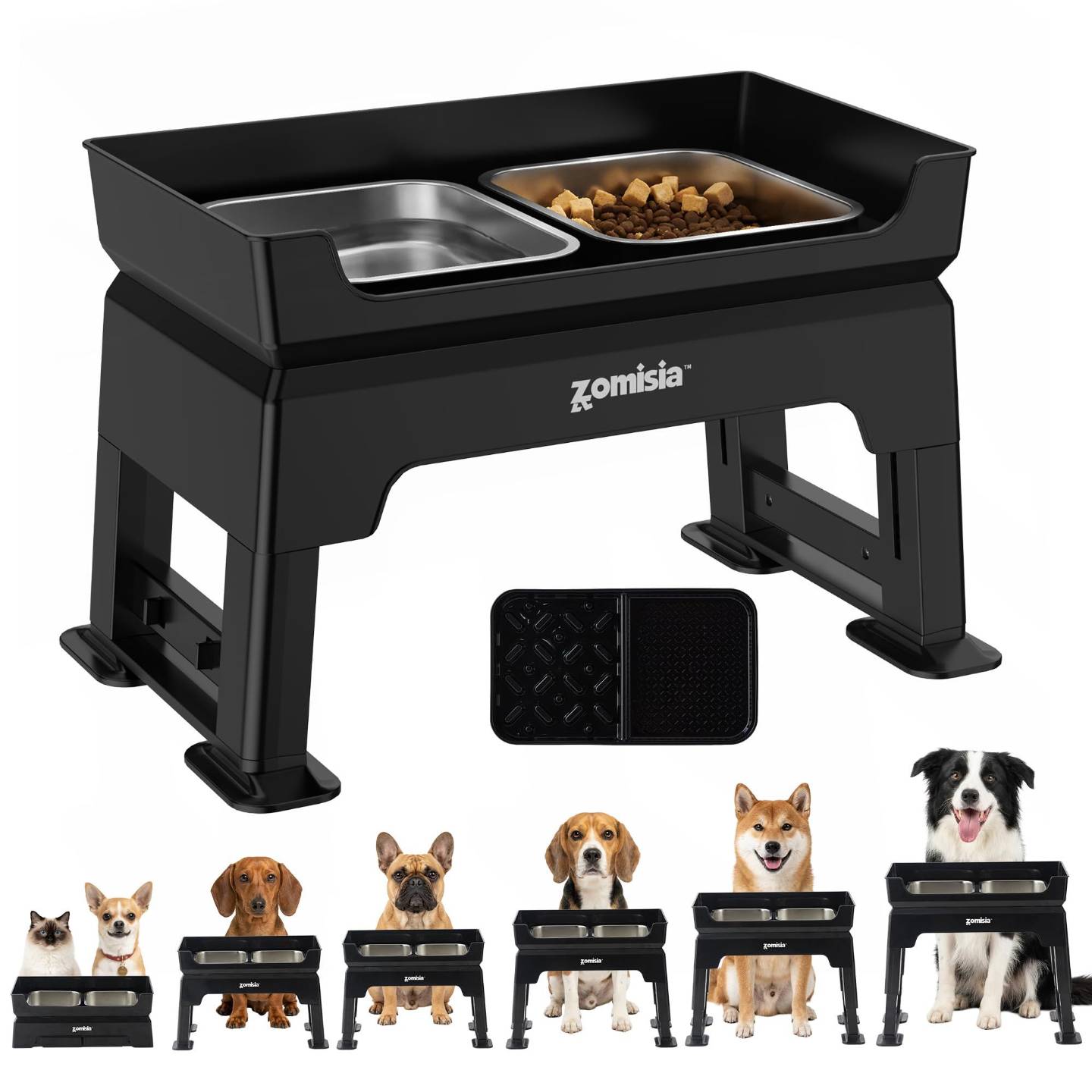
Adjustable, Elevated Food Bowl
This adjustable feeding station can raise food and water to a more comfortable height, help slow down fast eating, and offer lick and slow-feeder surfaces that can make meals feel calmer, easier, and a little more enjoyable.
Slow Feeders
Some dogs continue eating enthusiastically during treatment and may benefit from tools that slow down mealtimes or provide gentle enrichment.
Slow-Feeder Bowls
Best for: Dogs who eat very quickly.
Slow feeders can encourage smaller bites and a slower eating pace.
Why We Recommend Them
- May help reduce gulping
- Can make meals last longer
- Adds gentle mental stimulation
- Available in many difficulty levels
Things to Consider
Avoid overly complicated designs for dogs who are weak, frustrated, or struggling with appetite.
If eating has already become difficult, your goal should usually be to make food easier to access, not harder.
[View Recommended Slow Feeders →]
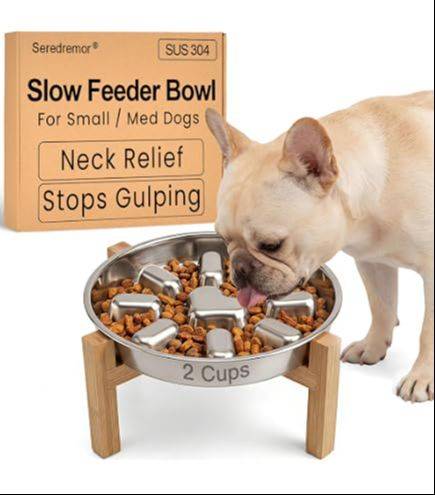
Elevated Slow Feeder
This elevated slow feeder reduces how far dogs need to bend, which can help if they’re weak or sore, while the maze-style bowl slows eating to make meals gentler on digestion and the non-slip base keeps everything steady while they eat.
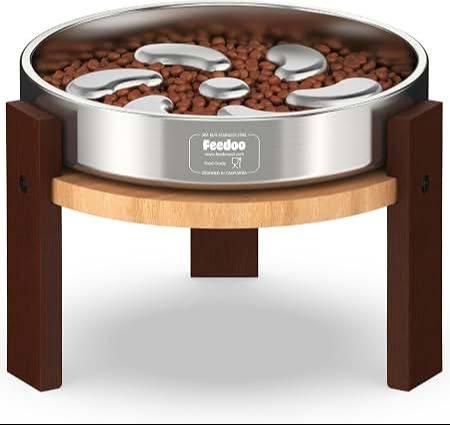
Elevated Slow Feeder
This sturdy wooden stand can bring their food closer to a more natural eating height. The solid base helps keep the bowl from sliding or tipping, while the stainless steel insert is durable and easy to clean, giving your dog a more stable, comfortable place to eat each day.
Lick Mats
Best for: Dogs who enjoy soft foods, need gentle enrichment, or benefit from calm, low-effort activities.
Lick mats can be used with appropriate soft foods and may be useful during quiet periods, grooming, medication routines, or treatment recovery.
Drake Dog Cancer Foundation Tip
Keep the experience easy.
A dog undergoing cancer treatment does not need to "work hard" for every meal. Enrichment should support enjoyment, not create frustration.
[View Recommended Lick Mats →]

Stainless Steel Lick Mat
This stainless steel lick mat gives our dogs something soothing to focus on during grooming, crate rest, or quiet time, while also encouraging gentle mental stimulation on days when they may not feel up to much activity.
Products for Medication Administration
Managing medications can become one of the most complicated parts of caring for a dog with cancer.
A simple organization system can reduce missed doses, confusion, and stress.
Pill Organizers
Best for: Dogs taking multiple medications or supplements throughout the day.
A clearly labeled organizer can help caregivers keep track of medications by day and time.
Helpful Features
- Morning and evening compartments
- Clear labels
- Large compartments
- Secure closures
- Easy visibility
- Portable design
Important
A pill organizer should support your veterinary instructions, not replace them.
Keep an up-to-date written medication list that includes:
- Medication name
- Dose
- Frequency
- Timing
- Special instructions
[View Recommended Pill Organizers →]
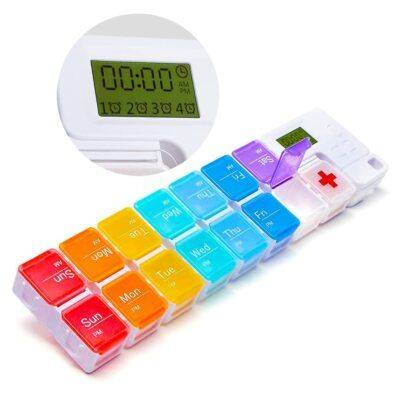
Pill Organizer with Reminder Alarms
It can be hard to remember every medication and supplement on schedule, especially when there are several doses throughout the day. This pill organizer lets you sort doses in advance and set reminder alarms up to four times daily, helping reduce missed or delayed medications and taking one more worry off your plate.
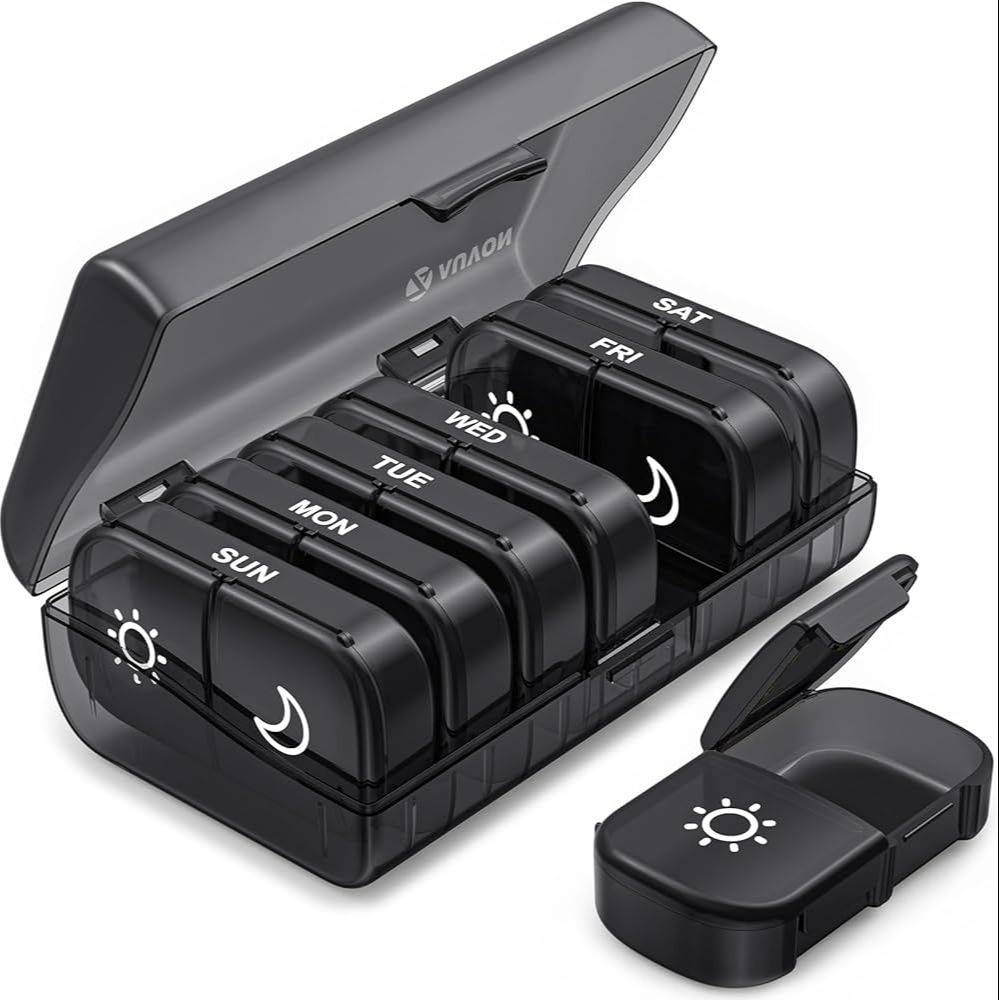
Simple Weekly Pill Organizer
Keeping track of multiple medications and supplements can quickly become overwhelming. This AM/PM weekly pill organizer helps you prepare doses ahead of time, separate morning and evening medications, and reduce the chance of missing or accidentally repeating a dose during an already stressful time.
Medication Syringes and Administration Tools
Best for: Liquid medications or veterinarian-approved feeding assistance.
Oral syringes can make measuring and administering liquid medications easier.
Look For
- Clear measurement markings
- Appropriate syringe size
- Smooth plunger movement
- Easy cleaning
- Multiple sizes when different doses are required
Never force food, fluids, or medication into a dog's mouth if they are unable to swallow normally, are coughing, gagging, or appear at risk of aspiration.
[View Recommended Medication Supplies →]
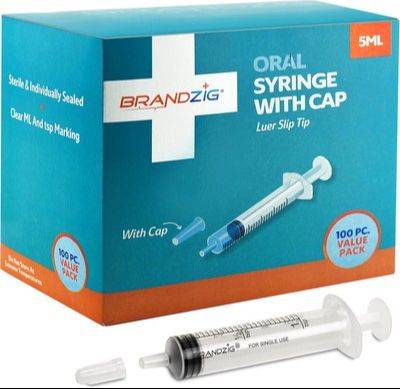
Oral Syringe with Cap
Accurate dosing matters when you’re giving liquid medications, supplements, or supportive care at home. These easy-to-read 10 mL oral syringes help you measure each dose clearly and deliver it with more control, while the individually sealed design makes it easy to keep clean syringes on hand whenever you need them.
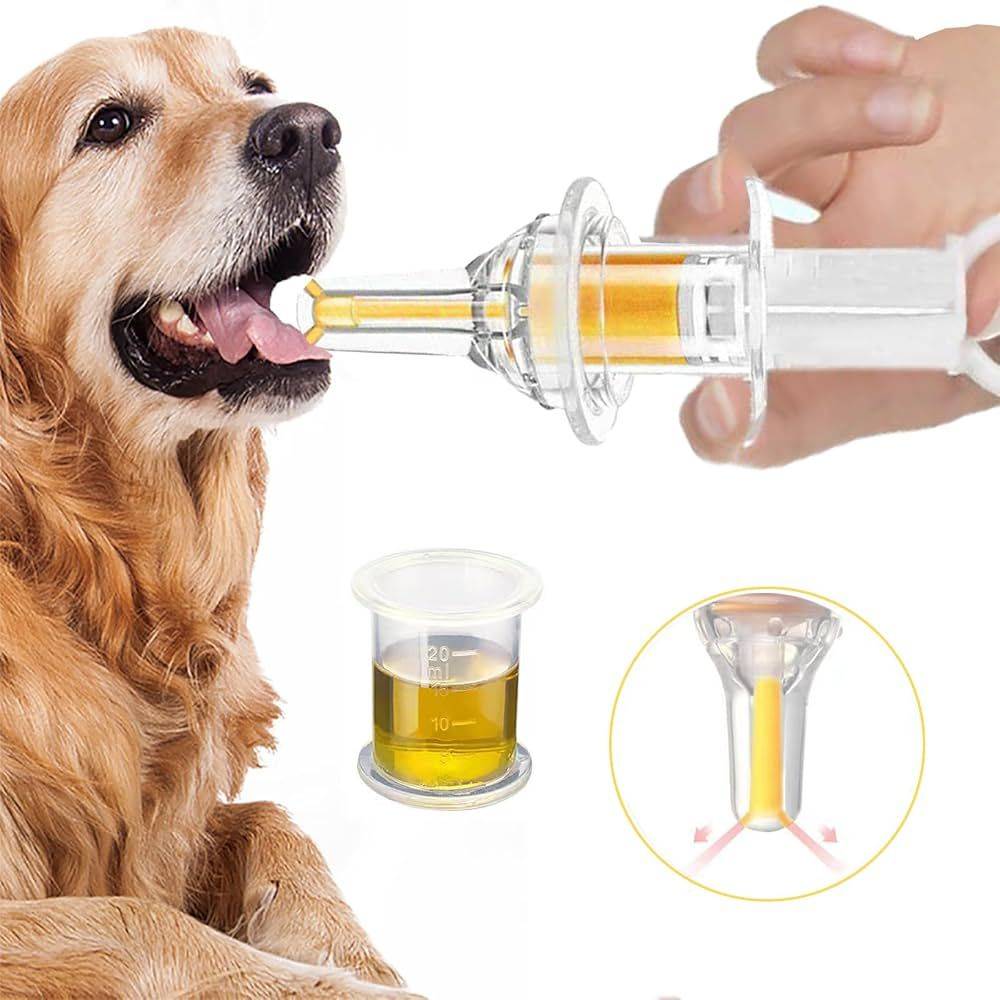
Dog Feeding Kit
When your dog has cancer, giving liquid medication, water, or soft food can be stressful if they’re weak, nauseated, or reluctant to eat. This soft-tipped syringe gives you more control over each dose and directs liquid toward the sides of the mouth rather than straight toward the throat, helping make medication and supportive feeding gentler and easier for both of you.
Products That May Help With Hydration
Hydration can become more difficult when a dog feels nauseated, fatigued, weak, or simply less interested in drinking.
Making water easy to access may help.
Additional Water Stations
Best for: Dogs who tire easily or spend most of their time in one area.
Consider placing water bowls near:
- Your dog's bed
- Favorite resting spaces
- Main living areas
- The door used for bathroom breaks
Your dog should not have to travel across the house every time they want a drink.
[View Recommended Water Bowls →]
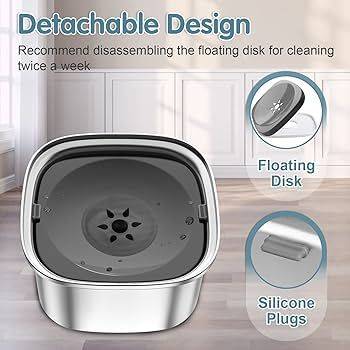
Stainless Steel Water Bowl, No Spill
This large-capacity stainless steel bowl keeps plenty of fresh water available, while the floating disk slows drinking, helps keep debris out, and reduces splashing so your dog can drink more comfortably.
Pet Water Fountains
Best for: Dogs who prefer moving water or seem more interested in drinking from fountains.
Some dogs find circulating water more appealing than a traditional bowl.
What to Look For
- Easy cleaning
- Replaceable filters
- Quiet operation
- Stable construction
- Appropriate capacity
Things to Consider
Water fountains require regular cleaning. If maintenance becomes burdensome, several simple bowls placed throughout the home may be more practical.
[View Recommended Water Fountains →]
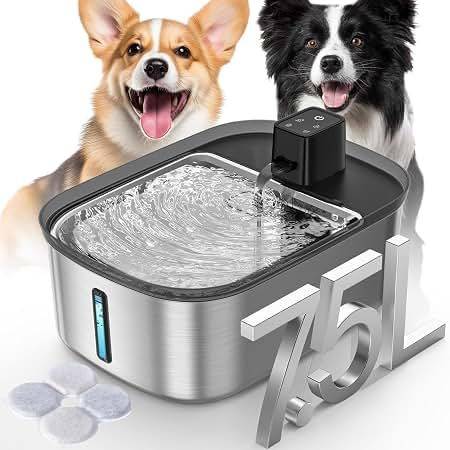
Automatic Fountain with Filtered Water
This large-capacity cordless fountain provides a steady supply of filtered water with motion-activated, timed, or continuous flow options, helping encourage regular drinking while reducing how often you need to refill the bowl.
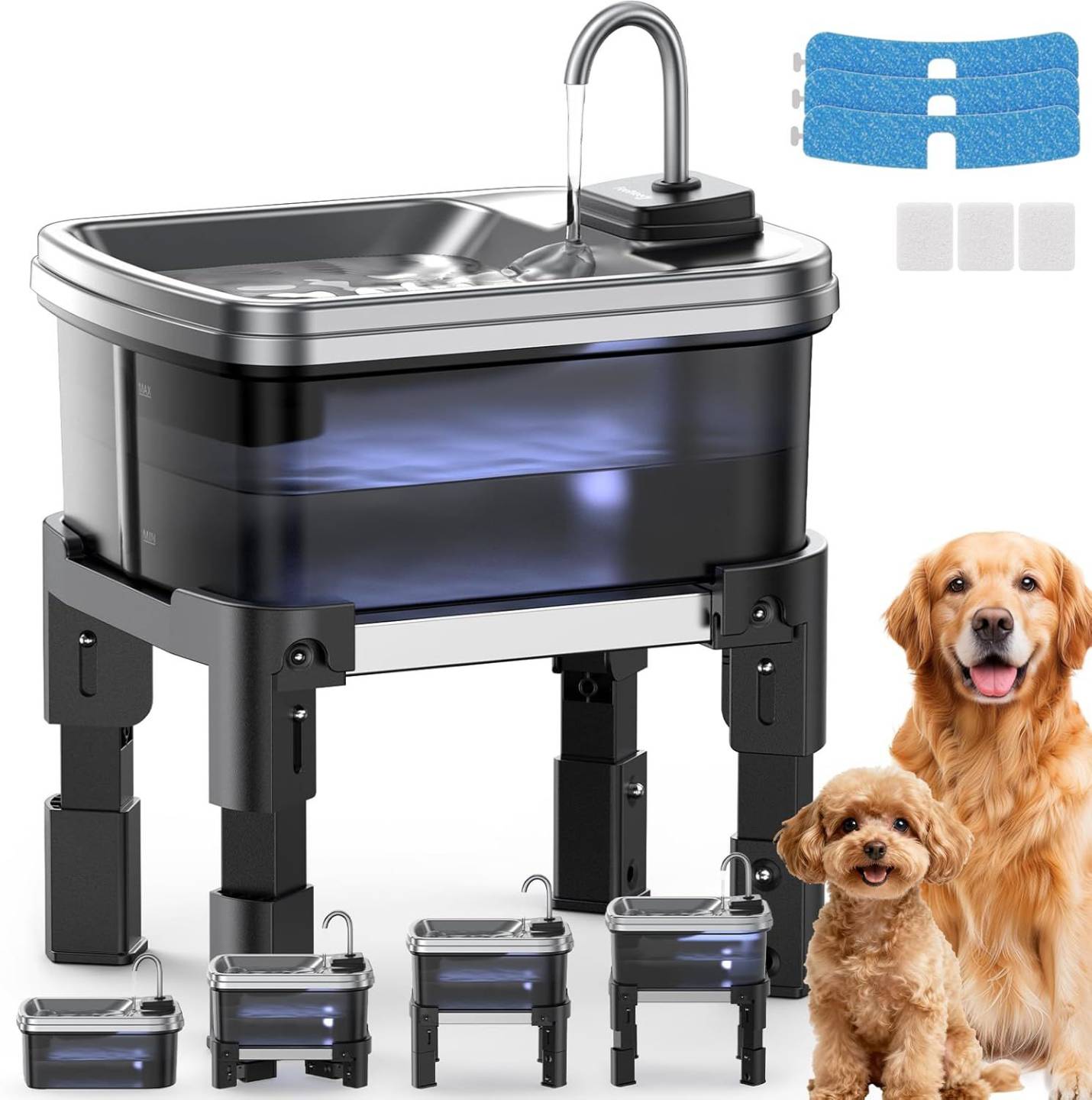
Elevated Water Fountain, Adjustable
This adjustable-height fountain brings water to a more comfortable level, while the large 9-liter capacity, quiet circulation, and filtration system help keep fresh water available and make staying hydrated a little easier.
Food Storage and Meal Preparation
If your dog's meals require extra preparation, having a simple system can save time and reduce stress.
Airtight Food Storage Containers
Best for: Dry food, treats, meal ingredients, and frequently used feeding supplies.
Airtight containers can help keep food organized and protected.
[View Recommended Food Storage →]
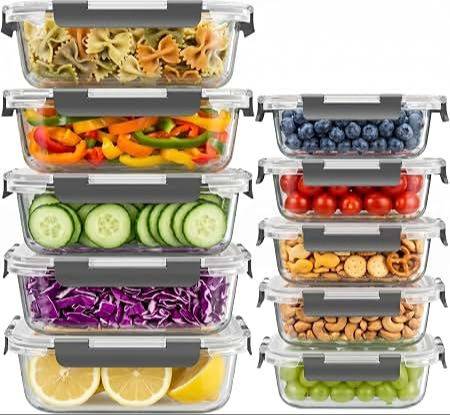
Air-Tight Glass Food Storage
These airtight glass containers help you portion and store meals in advance, keep food fresh in the refrigerator or freezer, and reheat servings easily when your dog is ready to eat.
Kitchen Scales
Best for: Pet parents who need to measure portions consistently.
A digital kitchen scale can be useful when your veterinary team has recommended specific food amounts or when you're monitoring your dog's intake closely.
Why We Like This Tool
It removes some of the guesswork.
If your dog is eating inconsistently, recording actual food amounts may also help you give your veterinary team more useful information.
[View Recommended Kitchen Scales →]

Digital Kitchen Scale
This compact digital scale measures in 1-gram increments, making it easy to portion homemade meals, track intake, or measure ingredients more precisely when following a veterinarian-guided nutrition plan.
Products for Keeping the Feeding Area Comfortable
Sometimes the environment matters almost as much as the bowl.
A dog who is weak, sore, or fatigued may struggle to maintain footing while eating.
Consider using:
- Non-slip feeding mats
- Yoga mats beneath bowls
- Rubber-backed runners
- Stable feeding platforms
- Waterproof floor mats
- Easy-to-clean placemats
A secure surface may help your dog focus on eating rather than trying to keep their feet underneath them.
[View Recommended Feeding Mats →]
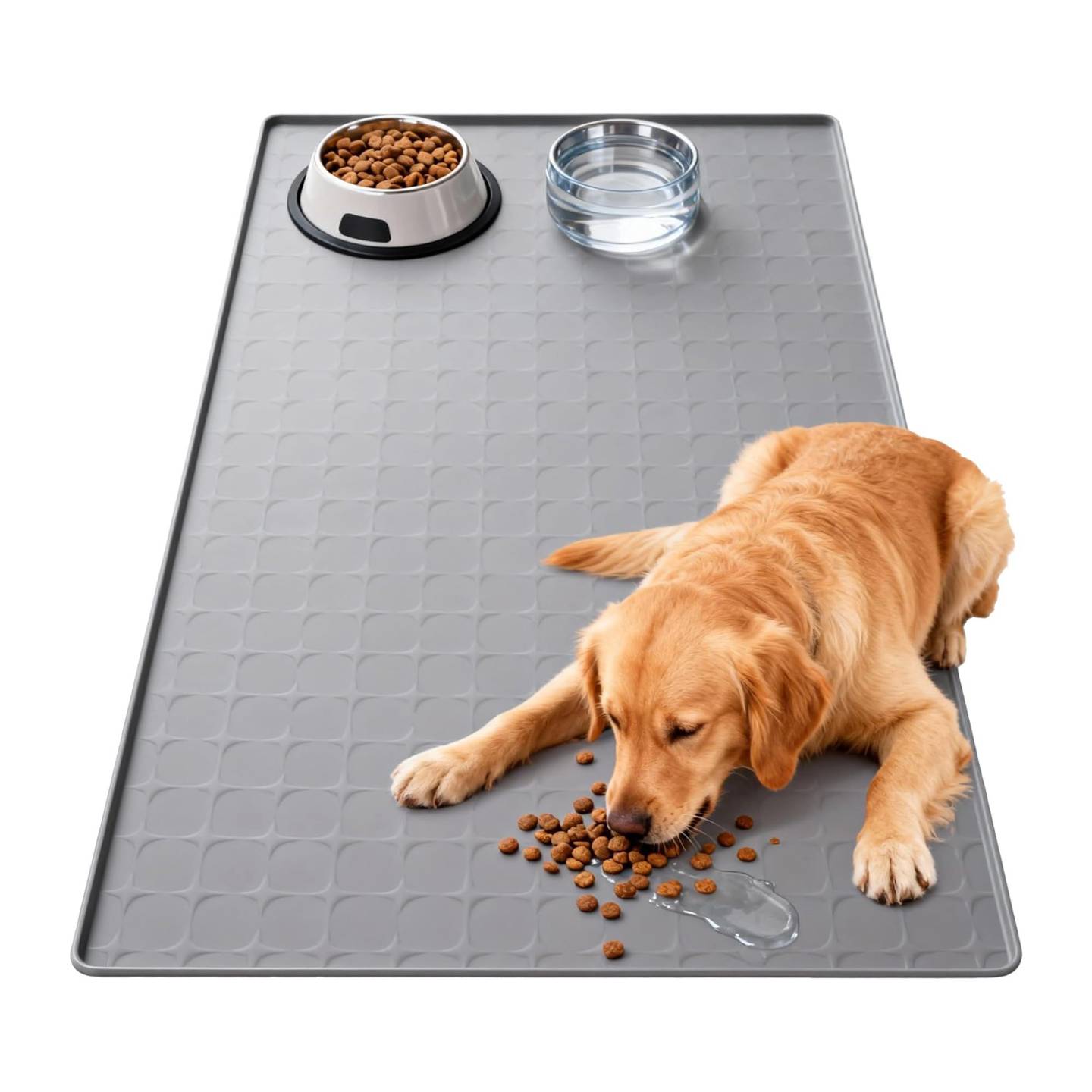
Extra Large Feeding Mat
This extra-large non-slip silicone mat helps keep food and water bowls steady, gives your dog’s paws more traction while they eat, catches spills before they reach the floor, and is machine washable for easier cleanup.
What to Look for in Feeding Products
Before purchasing a feeding product, consider the following:
Ease of Use
Your dog's feeding setup should make mealtimes easier, not more complicated.
Stability
Bowls and feeding stations should remain securely in place.
Cleaning
Choose products that can be washed and sanitized easily, especially if your dog is undergoing treatment or experiencing gastrointestinal issues.
Accessibility
Make sure your dog can comfortably reach the food and water.
Size
Choose bowls and tools appropriate for your dog's body size, muzzle shape, and portion size.
Your Dog's Energy Level
A puzzle feeder may be enjoyable for an energetic dog but frustrating for a dog experiencing significant fatigue.
The best product is the one that matches the dog you have today, not necessarily the dog they were before cancer.
How We Choose Products
Drake Dog Cancer Foundation looks for products that may provide practical support for dogs and families navigating cancer.
When considering a recommendation, we look at factors such as:
- Relevance to dogs living with cancer
- Practical usefulness
- Ease of cleaning
- Accessibility
- Ease of use
- Safety considerations
- Durability
- Value
- Comfort
- Usefulness for caregivers
An affiliate relationship does not automatically qualify a product for recommendation.
We ask one primary question:
Can this product make feeding, hydration, medication management, or everyday care easier for the dog or their family?
A Note About Diet and Supplements
Products can make feeding easier, but choosing what your dog should eat is a separate decision.
Cancer, treatment type, kidney function, gastrointestinal disease, pancreatitis, diabetes, allergies, medications, weight changes, and many other factors can influence nutritional needs.
For that reason, there is no single diet that is appropriate for every dog with cancer.
If you're considering major dietary changes, supplements, homemade diets, or therapeutic foods, discuss them with your veterinarian or a qualified veterinary nutrition professional.
It is also important to tell your veterinary team about all supplements, herbs, treats, and complementary products your dog receives because some may interact with medications or treatment.
When Feeding Changes Need Veterinary Attention
Changes in appetite are common during illness, but they should not automatically be assumed to be "just part of cancer."
Contact your veterinary team if your dog:
- Stops eating
- Eats substantially less than normal
- Repeatedly vomits
- Has persistent diarrhea
- Appears nauseated
- Has difficulty swallowing
- Coughs or gags while eating
- Cannot keep water down
- Shows signs of dehydration
- Loses weight unexpectedly
- Develops significant weakness
- Appears painful while eating
- Suddenly develops a major change in appetite
Your veterinary team may be able to identify and treat problems such as nausea, pain, gastrointestinal irritation, medication side effects, dehydration, or other complications.
The goal is not simply to convince your dog to eat.
The goal is to understand why eating has become difficult and what may help them feel better.
Frequently Asked Questions
What can I do if my dog with cancer doesn't want to eat?
Start by talking with your veterinary team, especially if the appetite change is new or significant. Once medical causes such as nausea or pain are being addressed, smaller meals, different textures, easier access to food, or changes in presentation may make eating more comfortable.
Should I use a raised bowl for my dog with cancer?
It depends on the dog. Raised bowls may be more comfortable for some dogs who struggle to bend down, but they are not automatically appropriate for every dog. Choose the feeding position that allows your dog to eat comfortably and safely.
Are slow feeders good for dogs with cancer?
They can be helpful for dogs who still eat very quickly. However, slow feeders may be frustrating for dogs with poor appetite, weakness, or fatigue. In those situations, making food easier to access is often more appropriate.
How can I encourage my dog to drink more water?
Make water easy to reach by placing multiple bowls in areas your dog frequently uses. Some dogs may also prefer circulating water from a fountain. A sudden decrease in drinking should be discussed with your veterinary team.
What is the best bowl for a dog with cancer?
There is no single best bowl. Look for one that is stable, easy to clean, appropriately sized, and comfortable for your dog's current mobility and eating style.
How can I keep track of how much my dog is eating?
Measuring portions with measuring cups or a kitchen scale can help. Recording daily intake may also make it easier to identify changes and share useful information with your veterinary team.
What can help me manage multiple medications?
A medication organizer, written schedule, phone reminders, and medication log can make complex routines easier to manage. Always follow the dosing and timing instructions provided by your veterinary team.
Feeding Is About More Than Nutrition
Meals are part of your dog's daily routine.
They can be a source of comfort, excitement, connection, and normalcy.
During cancer treatment, feeding may look different than it once did.
Meals may become smaller.
Favorite foods may change.
You may find yourself hand-feeding occasionally, moving bowls closer to your dog's bed, or adjusting routines around medications and treatment days.
That does not mean you're doing something wrong.
The goal is to make eating and drinking as comfortable, safe, and manageable as possible while meeting your dog's individual nutritional needs.
Sometimes a small change in how food is offered can make a difficult day a little easier.
Continue Supporting Your Dog
You may also find these Drake Dog Cancer Foundation resources helpful:
Feeding Your Dog With Cancer →
Dog Cancer Nutrition Resources →
A Note From Drake Dog Cancer Foundation
Every dog's nutritional needs are different, especially during cancer treatment.
The products on this page are intended to make feeding, hydration, medication routines, and meal preparation easier. They are not intended to diagnose nutritional deficiencies or replace individualized veterinary nutrition guidance.
Drake Dog Cancer Foundation strives to work alongside veterinary professionals, not replace them, while helping families feel more informed, prepared, and supported throughout their dog's cancer journey.
