
Enrichment & Emotional Well-Being for Dogs with Cancer
Cancer can change what your dog is physically able to do, but it does not erase their need for joy, curiosity, connection, comfort, and meaningful experiences.
A dog who can no longer hike for miles may still love sniffing the grass.
A dog who tires quickly may still enjoy a car ride, a food puzzle, a favorite toy, or sitting outside with you.
Enrichment during cancer care is not about keeping your dog busy.
It is about finding gentle ways to help them continue doing the things that make them feel like themselves.
The products and ideas below are meant to support mental stimulation, emotional well-being, connection, sensory enrichment, and everyday enjoyment while respecting your dog’s changing energy and comfort.
Affiliate Disclosure: Some links on this page are affiliate links. If you purchase through one of these links, Drake Dog Cancer Foundation may receive a small commission at no additional cost to you. These commissions help us continue creating resources for families affected by canine cancer. We only recommend products we believe may genuinely support a dog’s comfort, engagement, or quality of life.
Start Here: What Does Your Dog Still Enjoy?
Before choosing an enrichment product, think about your dog rather than the activity.
If your dog loves food:
Consider lick mats, easy puzzle feeders, treat-dispensing toys, or simple scent games.
If your dog loves sniffing:
Snuffle mats, nose-work activities, and slow sniff walks may provide enrichment without requiring much physical effort.
If your dog loves going places:
A wagon or stroller can allow them to continue enjoying outings even when walking becomes difficult.
If your dog enjoys toys but tires quickly:
Choose soft, lightweight toys that are easy to carry, nudge, or cuddle.
If your dog mostly wants to rest:
Watching the world from a comfortable outdoor bed, sitting near an open window, or simply being near the family can still provide meaningful enrichment.
If your dog seems anxious or unsettled:
Focus first on comfort, routine, pain control, and veterinary evaluation before assuming they need more stimulation.
The goal is not to keep your dog occupied all day.
The goal is to preserve the experiences they still find meaningful.
Enrichment Looks Different During Cancer
Before cancer, enrichment may have meant long walks, hiking, running, training sessions, dog parks, or energetic play.
Those activities may need to change.
That does not mean enrichment has to disappear.
For a dog undergoing treatment or living with advanced cancer, enrichment may look like:
- Five minutes of sniffing outside
- Licking something enjoyable from a mat
- Riding in a wagon
- Searching for a few treats
- Sitting on the porch
- Watching people through a window
- Greeting a favorite person
- Carrying a familiar toy
- Listening to household activity
- Exploring a cardboard box
- Enjoying gentle grooming
- Resting beside you
Small experiences can still provide significant enjoyment.
Let Your Dog Set the Pace
Your dog’s energy may vary from day to day.
A dog who seems eager for an activity one morning may have little interest the next.
That is okay.
Watch for signs that your dog is enjoying an activity:
- Approaching voluntarily
- Relaxed body language
- Interest in the environment
- Tail movement appropriate for your dog
- Engaging with food or toys
- Choosing to continue
Also watch for signs it may be time to stop:
- Turning away
- Lying down
- Panting excessively
- Slowing considerably
- Losing interest
- Becoming restless
- Appearing painful
- Seeking their bed
Enrichment should leave your dog feeling good, not exhausted.
Snuffle Mats and Scent Enrichment
A dog’s sense of smell gives them access to an enormous amount of information.
Sniffing can provide mental stimulation without requiring strenuous physical activity.
Snuffle Mats
Best for: Dogs who enjoy food and scent-based activities.
A snuffle mat allows you to hide small pieces of food or treats among folds of fabric so your dog can search for them.
Why We Like Them
- Encourages natural sniffing behavior
- Requires relatively little physical exertion
- Can be used indoors
- Adjustable difficulty
- Useful on days when longer walks are not possible
Things to Consider
Keep the activity easy for dogs experiencing fatigue.
If your dog becomes frustrated, scatter the treats more visibly rather than making the activity harder.
[View Recommended Snuffle Mats →]
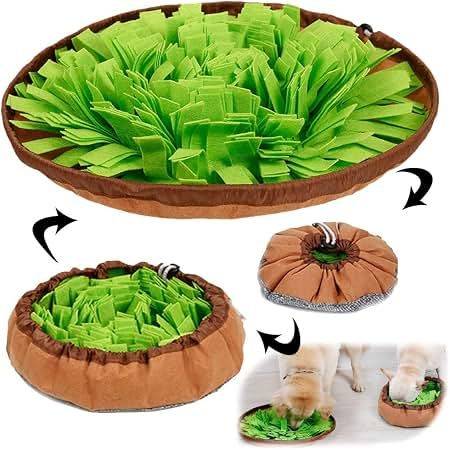
Portable Snuffle Mat
There may be days when long walks or active play are simply too much. This snuffle mat lets your dog use their nose to search for treats, providing gentle mental stimulation and enrichment while keeping them comfortably occupied without requiring much physical exertion.
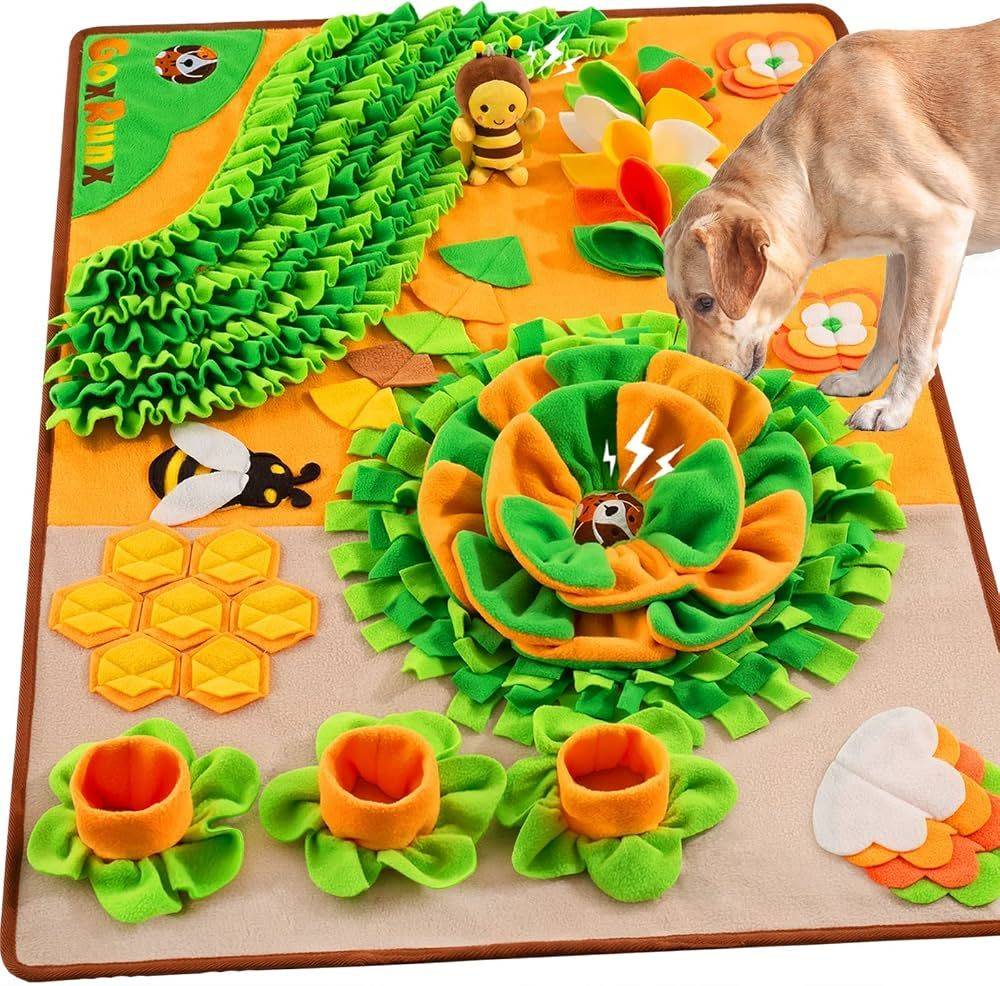
Decorative Snuffle Mat
This large snuffle mat gives dogs plenty of space to sniff, search, and forage for treats, providing gentle mental stimulation that can help relieve boredom and keep them engaged without putting extra strain on their body.
Lick Mats
Licking can be a simple, low-energy activity for dogs who enjoy soft foods.
Lick Mats
Best for: Quiet enrichment, rest days, grooming, or treatment recovery.
You can spread a veterinarian-appropriate food across the surface and allow your dog to lick at their own pace.
Why We Like Them
- Low physical effort
- Can provide gentle mental engagement
- Easy to use
- Available in different textures
- Can make small amounts of food last longer
Things to Consider
If your dog is struggling with appetite, do not make eating unnecessarily difficult.
The priority should always be getting appropriate nutrition into your dog comfortably.
[View Recommended Lick Mats →]

Stainless Steel Lick Mat
This stainless steel lick mat gives our dogs something soothing to focus on during grooming, crate rest, or quiet time, while also encouraging gentle mental stimulation on days when they may not feel up to much activity.
Easy Puzzle Toys
Puzzle toys can provide mental stimulation, but difficulty matters.
Beginner Puzzle Toys
Best for: Dogs who still enjoy problem solving but may not have the stamina for complicated enrichment.
Look for toys where your dog can access rewards with simple actions such as:
- Nudging
- Sliding
- Lifting
- Rolling
Drake Dog Cancer Foundation Tip
Choose easy success over difficult challenges.
A dog living with cancer does not need enrichment designed to test their persistence.
The activity should feel enjoyable.
[View Recommended Easy Puzzle Toys →]
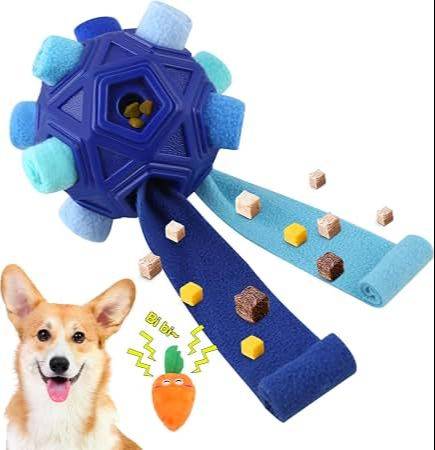
Simple Snuffle Ball
This snuffle ball lets dogs sniff, search, and work for hidden treats, providing gentle mental stimulation and enrichment that can help ease boredom and keep them engaged without requiring much physical effort.
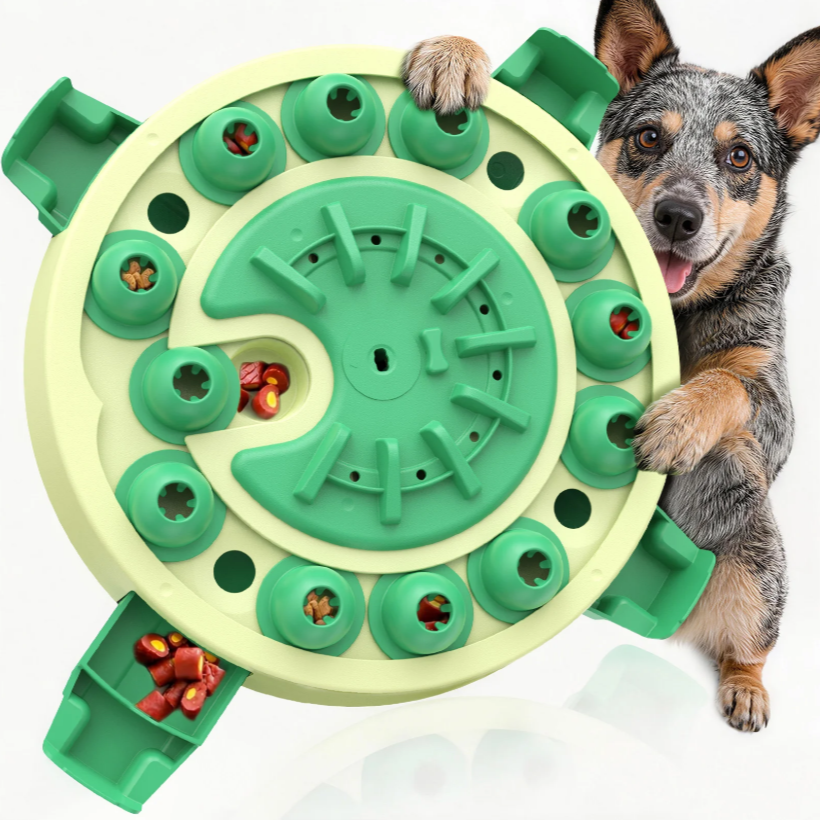
3-Level Dog Puzzle Toy
This multi-level puzzle turns treats or kibble into a problem-solving game, helping keep your dog's mind engaged, easing boredom, and providing a sense of accomplishment without requiring strenuous exercise.
Soft Toys and Comfort Objects
Enrichment does not always have to involve solving something.
Some dogs simply enjoy having familiar objects nearby.
Soft Dog Toys
Best for: Dogs who enjoy carrying, mouthing, cuddling, or gently interacting with toys.
Look for:
- Lightweight construction
- Soft materials
- Easy-to-grasp shapes
- Appropriate sizing
- Minimal effort required
Drake Dog Cancer Foundation Tip
Do not throw away an old favorite just because it looks worn.
For many dogs, familiar smells and textures matter more than having a brand-new toy.
[View Recommended Soft Dog Toys →]
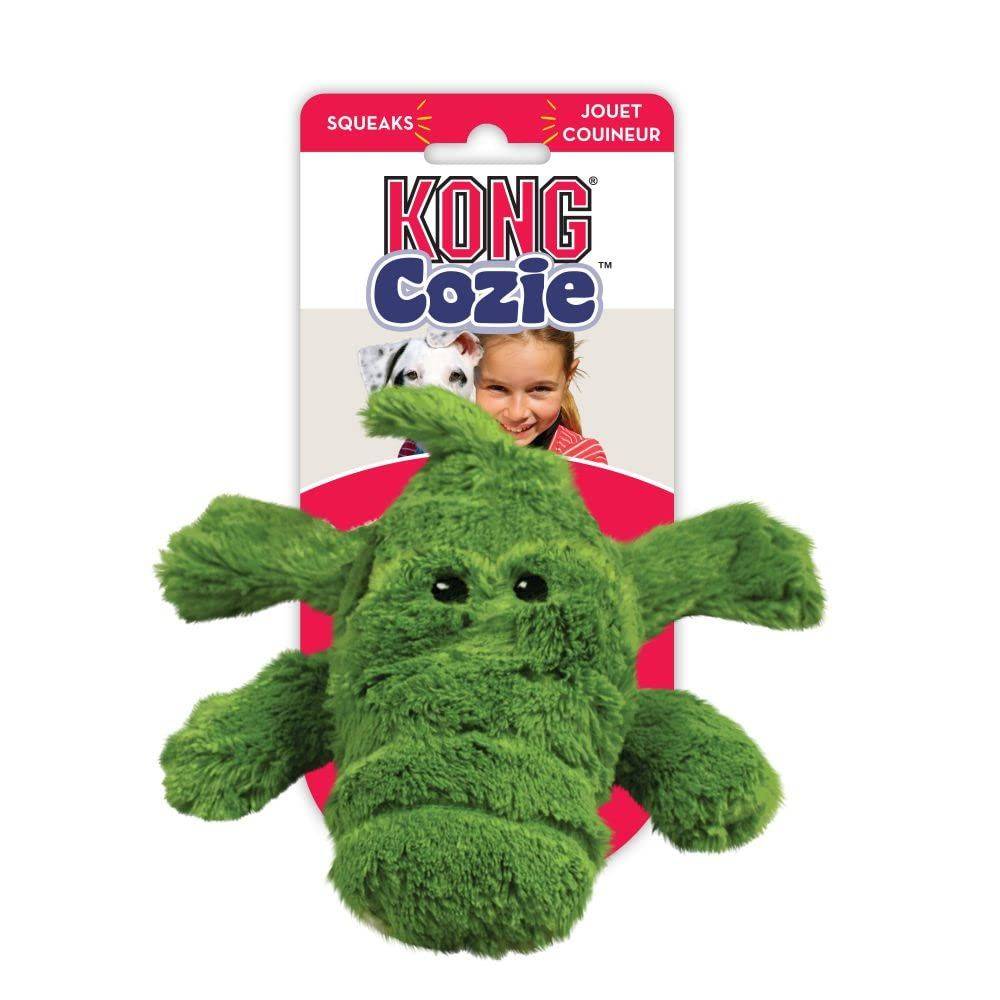
Ali Alligator Plush Dog Toy
This plush squeaky toy gives dogs something comforting to snuggle with while the built-in squeaker can encourage light, low-impact play when they’re feeling up to it.
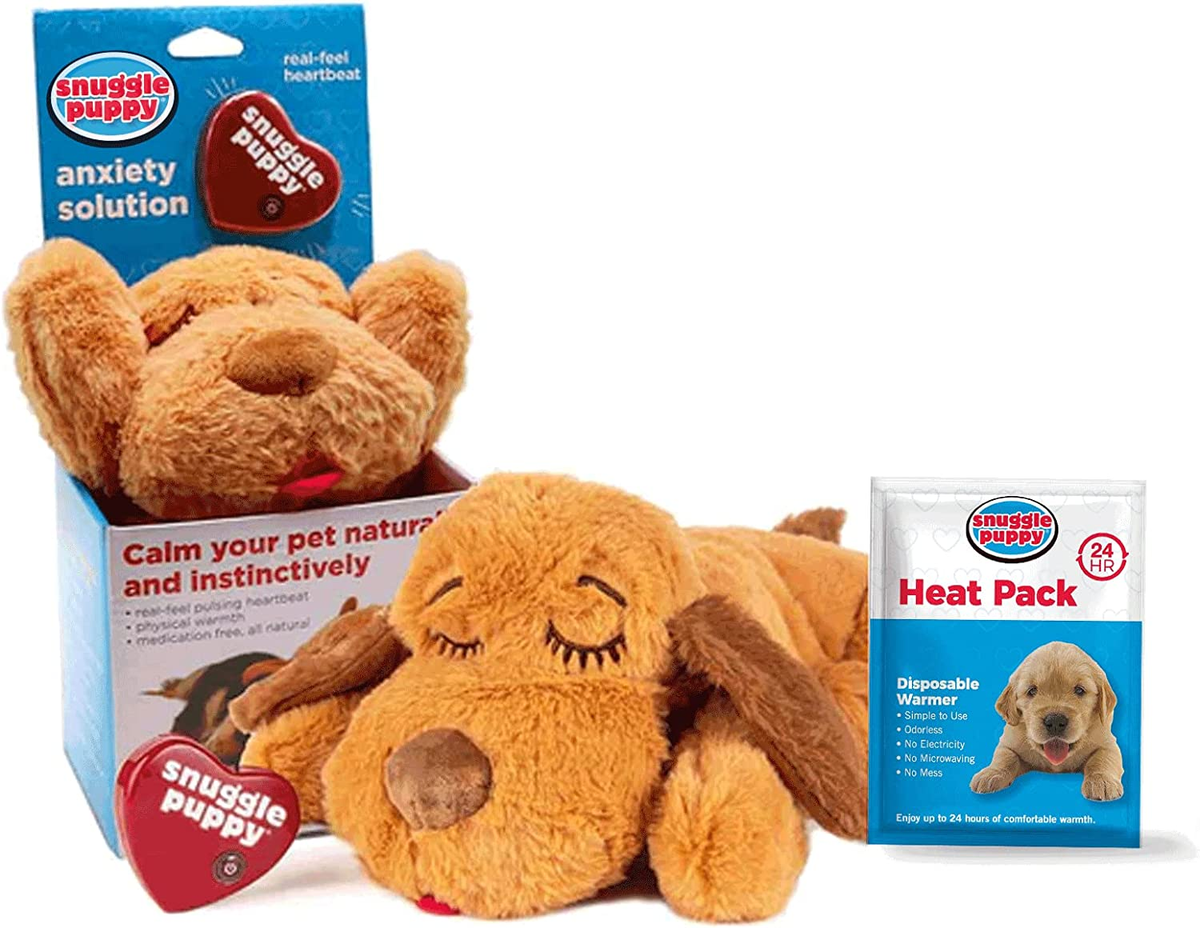
Snuggle Puppy Heartbeat Toy
This soft heartbeat toy mimics the gentle rhythm of a heartbeat, giving your dog something warm and reassuring to snuggle with during quiet time, recovery, or nights when they need a little extra sense of security.
Scent Games at Home
You do not need to purchase anything to create scent enrichment.
Try hiding a few treats:
- Around one room
- Beneath lightweight cups
- Inside a loosely folded towel
- Along a short path
- Around the yard
Keep the search area small and easy.
You can even allow your dog to watch you place the treats at first.
The goal is engagement, not difficulty.
Sniff Walks
A sniff walk is different from an exercise walk.
Instead of focusing on distance, allow your dog to move slowly and investigate whatever interests them.
Your walk might cover only a small area.
That is fine.
Five minutes of exploring smells may be more rewarding for a tired dog than trying to complete a long route.
Let Your Dog Choose
If safe, allow your dog to:
- Stop
- Sniff
- Turn around
- Move slowly
- Head home
The dog's experience matters more than how far you travel.
Wagons and Strollers for Outdoor Enrichment
Reduced mobility does not necessarily mean outdoor experiences have to stop.
Dog Wagons and Strollers
Best for: Dogs who enjoy being outside but cannot comfortably walk long distances.
A wagon or stroller can allow your dog to continue:
- Visiting parks
- Exploring neighborhoods
- Watching people
- Spending time outdoors
- Joining family activities
You may allow your dog to walk for a short period, ride while resting, and walk again if they choose.
What to Look For
- Appropriate weight capacity
- Stable construction
- Easy entry
- Good ventilation
- Secure restraint
- Washable surface
- Smooth wheels
[View Recommended Dog Wagons & Strollers →]
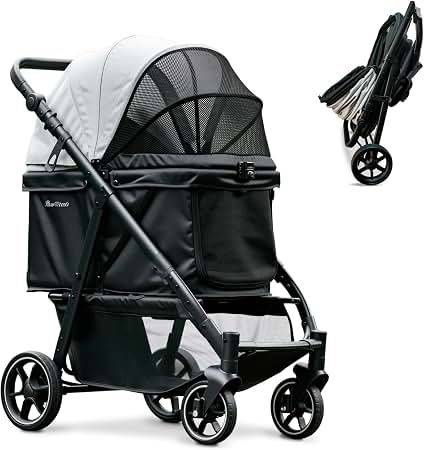
Foldable Pet Stroller
If your dog tires easily, struggles to walk long distances, or has limited mobility from cancer or treatment, this stroller lets them stay included without overexerting themselves. The low entry makes getting in easier, the padded interior gives them a comfortable place to rest, and the mesh canopy provides airflow and visibility while you continue walks, outings, or appointments together.
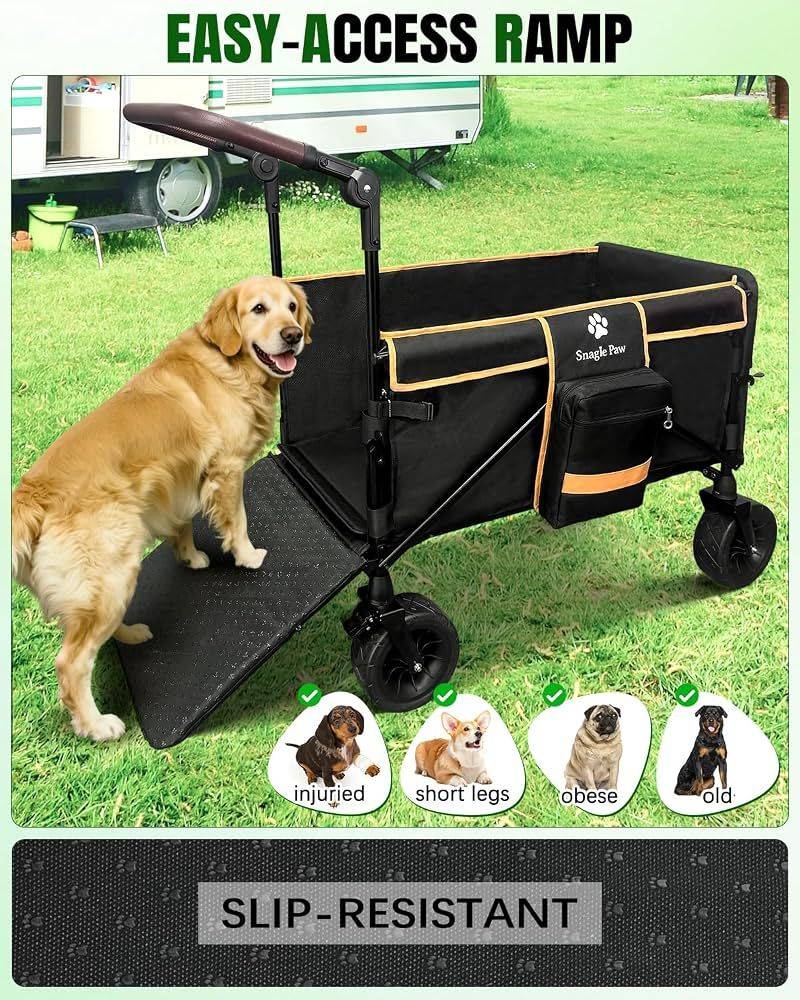
Dog Wagon with Ramp
If your dog has trouble walking, gets tired quickly, or needs extra support because of cancer or treatment, this wagon gives them a comfortable way to stay included without overdoing it. The built-in ramp reduces the need to jump or be lifted, the roomy interior gives them space to lie down, and the all-terrain wheels make it easier to take them along on walks, park visits, or longer outings.
Outdoor Resting Areas
Some dogs simply enjoy being outside.
You can create a comfortable outdoor area with:
- Supportive bed
- Outdoor blanket
- Shade
- Water
- Familiar toys
Your dog may enjoy lying outside and experiencing:
- Fresh air
- Sunlight
- Birds
- Smells
- People
- Neighborhood activity
They do not need to be actively moving for the experience to be enriching.
[View Recommended Outdoor Dog Beds →]
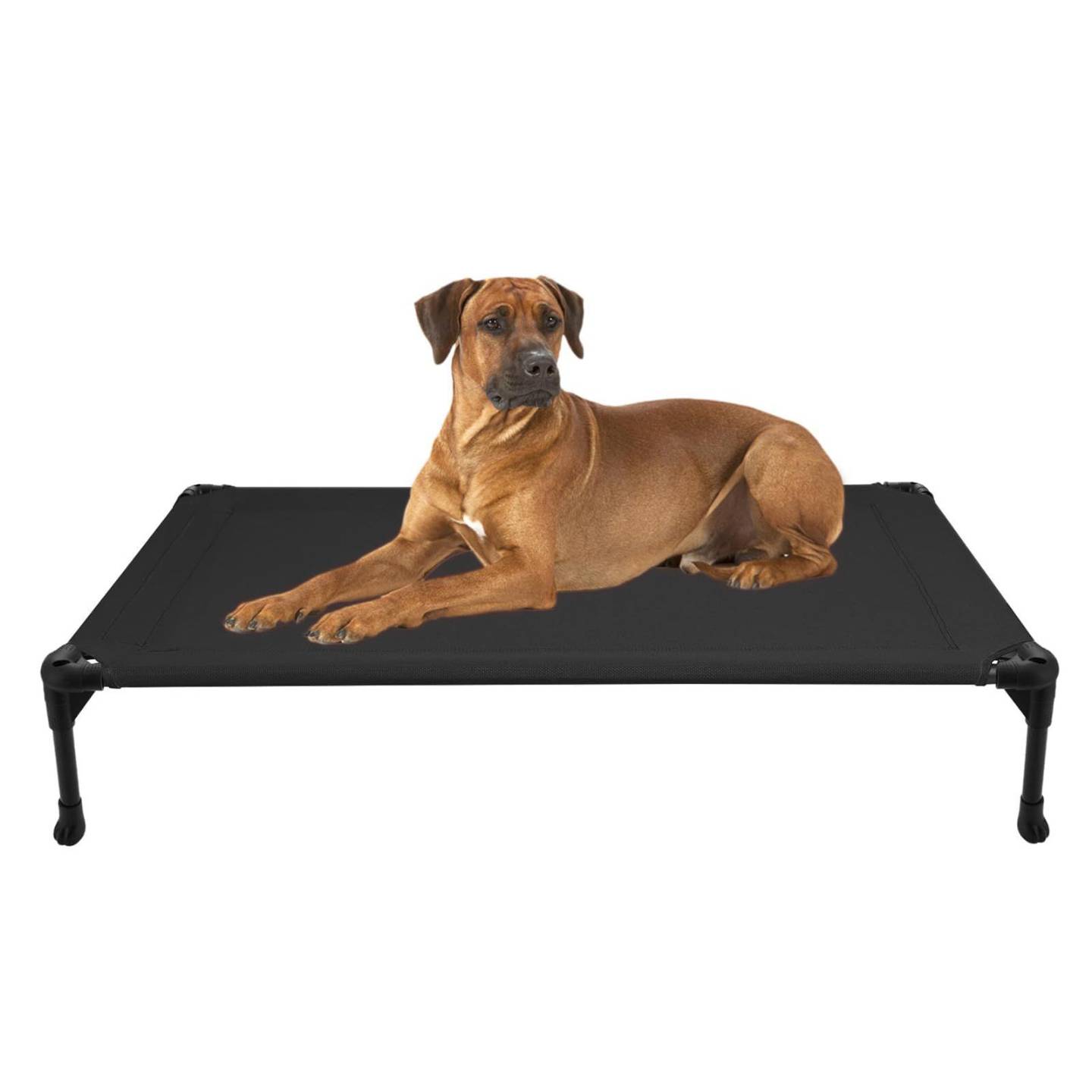
Breathable Outdoor Dog Bed
Staying cool and comfortable can be especially important if they’re tired, restless, or spending more time lying down. This elevated cooling bed helps promote airflow and keeps your dog off the ground, while giving them a comfortable place to rest.
Window Watching
For dogs spending more time indoors, a safe viewing spot can provide quiet stimulation.
Your dog may enjoy watching:
- People
- Cars
- Birds
- Squirrels
- Neighbors
- Family activity
Make sure the resting area is stable and comfortable.
Avoid forcing your dog to climb onto furniture if mobility has become difficult.
Car Rides
Some dogs have always loved car rides.
If your dog still enjoys them and can travel comfortably, a short ride may be a meaningful activity even when a longer outing is too tiring.
You might:
- Drive through a favorite area
- Visit a quiet park
- Get fresh air
- Simply take a slow drive together
Use appropriate restraint and make getting into and out of the vehicle as easy as possible.
Create a Sensory Garden
If you have a yard, patio, or balcony, consider creating a small area your dog can explore.
You might include:
- Different safe textures
- Grass
- Shaded areas
- Familiar scents
- Comfortable resting surfaces
- Dog-safe plants
The area does not need to be elaborate.
Even a small patch of grass or a new safe scent can give your dog something interesting to investigate.
Always verify that plants are non-toxic to dogs before making them accessible.
Gentle Training and Brain Games
Dogs who enjoy learning may still find simple training enjoyable.
Keep sessions short.
You might practice:
- Touch
- Look
- Find it
- Chin rest
- Paw
- Name recognition
- Simple targeting
Use behaviors your dog already understands.
This is not the time to pressure your dog into mastering difficult new skills.
A few successful repetitions can provide interaction and connection.
Activities for Dogs With Limited Mobility
A dog does not need to be highly mobile to experience enrichment.
Consider:
- Lick mats
- Gentle scent games
- Soft toys
- Hand feeding
- Grooming
- Massage if appropriate
- Sitting outside
- Window watching
- Listening to familiar sounds
- Visitors they enjoy
- Short car rides
- Calm training games
Bring the enrichment to your dog rather than requiring your dog to go to it.
Social Enrichment
For some dogs, the most meaningful enrichment is other people.
If your dog enjoys visitors, consider inviting:
- Family members
- Close friends
- Favorite neighbors
- People your dog has known for years
Keep visits short if your dog tires easily.
Your dog should always have the ability to leave, rest, or disengage.
Not every dog enjoys visitors, especially when they are ill.
Follow your dog's preferences.
Time With Other Pets
Some dogs find comfort in familiar animal companions.
Others may need more space when they are tired or uncomfortable.
Watch how your dog responds.
Allow access to companionship when it seems comforting, while also making sure your dog has a quiet place where they can rest without being disturbed.
Routine Is Enrichment Too
Cancer can disrupt nearly every part of daily life.
Appointments.
Medications.
Treatment days.
Different meals.
Different sleeping patterns.
Whenever possible, preserving familiar routines may help provide predictability.
That could mean:
- Breakfast at the usual time
- The same short morning walk
- Sitting together after dinner
- Going outside before bed
- Keeping favorite sleeping spots available
Normalcy can be valuable.
Not every meaningful experience needs to be new.
Create a "Joy List"
Write down the things that still reliably make your dog happy.
Your list might include:
- Cheese
- Car rides
- Sitting outside
- Grandma visiting
- Squeaky toys
- Sniffing the mailbox
- Belly rubs
- Sunbathing
- Watching squirrels
- Sleeping on the couch
- A specific walking trail
When you are unsure what to do together, look at the list.
It can also help you notice when your dog begins losing interest in things that once mattered to them.
That information may become useful when evaluating quality of life.
Enrichment and Quality of Life
Enrichment is one part of quality of life.
It can help you answer an important question:
Does my dog still have experiences they look forward to?
Those experiences may become smaller as illness progresses.
That does not make them less valuable.
A dog may no longer want a two-mile walk but still light up when you reach for the leash.
They may no longer chase a ball but still carry it.
They may no longer climb onto the couch but still want to sleep beside it while you sit nearby.
Pay attention to what still brings engagement.
When Lack of Interest May Mean Something More
A sudden loss of interest in favorite activities should not automatically be assumed to be boredom.
It may be related to:
- Pain
- Nausea
- Fatigue
- Fever
- Weakness
- Medication side effects
- Disease progression
- Anxiety
- Other medical changes
Contact your veterinary team if your dog suddenly becomes unusually withdrawn, restless, unwilling to move, stops eating, or loses interest in activities they normally enjoy.
Sometimes the best enrichment is not a new toy.
It is better symptom control.
Do Not Force "Fun"
It is understandable to want your dog to enjoy every remaining day.
But your dog does not need to perform happiness for you.
They are allowed to be tired.
They are allowed to sleep.
They are allowed to turn down a walk.
They are allowed to lose interest in a toy.
Enrichment should be offered.
Your dog gets to decide whether they want it.
How We Choose Products
Drake Dog Cancer Foundation looks for enrichment products that may provide enjoyment, engagement, sensory stimulation, or connection without unnecessarily exhausting dogs living with cancer.
When considering recommendations, we look at factors such as:
- Ease of use
- Low physical demand
- Adjustable difficulty
- Safety
- Comfort
- Ease of cleaning
- Durability
- Suitability for senior or mobility-limited dogs
- Ability to encourage natural behaviors
- Value
- Practical usefulness
An affiliate relationship does not automatically qualify a product for recommendation.
Our guiding question is:
Could this help a dog continue experiencing joy or meaningful engagement without compromising their comfort?
Frequently Asked Questions
What is the best enrichment for a dog with cancer?
The best enrichment is something your individual dog already enjoys and can participate in comfortably. Sniffing, lick mats, easy puzzle toys, soft toys, short walks, car rides, and simply sitting outside can all be meaningful.
How much enrichment does a dog with cancer need?
There is no set amount. Follow your dog's energy and interest. Several minutes of enjoyable activity may be enough on a low-energy day.
Should I keep walking my dog during cancer treatment?
Many dogs can continue walking, but the appropriate distance and intensity depend on your dog's condition and treatment plan. Let your dog set the pace and discuss activity restrictions with your veterinary team.
Are puzzle toys good for dogs undergoing chemotherapy?
They can be if your dog feels well and enjoys them. Choose easy puzzles and avoid making food more difficult to access when appetite is poor.
What can I do for enrichment if my dog cannot walk well?
Bring activities to your dog. Try sniffing games, lick mats, gentle training, soft toys, visitors, outdoor resting areas, or wagon rides.
What if my dog no longer wants to play?
A change in play may simply reflect lower energy, but a sudden loss of interest can also indicate pain, nausea, weakness, or another medical problem. Discuss significant changes with your veterinary team.
Can sniffing count as exercise or enrichment?
Yes. Sniffing provides sensory and mental stimulation even when the physical activity is minimal.
Is a wagon or stroller good for a dog with cancer?
It can be a useful option for dogs who still enjoy outings but tire quickly or cannot comfortably walk long distances.
How can I tell if my dog is enjoying an activity?
Look for voluntary engagement, relaxed body language, interest, and willingness to continue. If your dog withdraws, slows down, lies down, or turns away, let them stop.
Joy Does Not Have to Look Like It Used To
One of the difficult parts of cancer is watching your dog's abilities change.
The dog who once ran ahead on every trail may now walk slowly.
The dog who chased a ball for an hour may carry it for a minute.
The dog who followed you everywhere may prefer watching from their bed.
It can be easy to focus on what has been lost.
But there may still be a great deal your dog enjoys.
A warm patch of sunlight.
A familiar voice.
The smell of dinner.
A few minutes outside.
A favorite person coming through the door.
Your hand resting on their head.
Quality of life is not measured by whether your dog can still live exactly the way they did before cancer.
Sometimes it is found in helping them enjoy the life they are able to live today.
You Are Part of Their Enrichment Too
You do not need to continually buy new toys, treats, puzzles, or experiences to keep your dog happy.
For many dogs, one of the most meaningful things in their environment is you.
Sitting together counts.
Talking to them counts.
Going outside together counts.
Letting them sniff while you wait counts.
Sharing a quiet afternoon counts.
Your dog does not need every moment to be entertaining.
They need opportunities to engage with the world in ways that feel good to them—and the security of being with the people they trust.
Continue Supporting Your Dog
You may also find these Drake Dog Cancer Foundation resources helpful:
Nutrition & Feeding Products →
A Note From Drake Dog Cancer Foundation
Cancer may change how your dog interacts with the world, but it does not mean meaningful experiences have to stop.
Enrichment during cancer care is not about filling every minute with activities.
It is about paying attention to the things your dog still enjoys and finding ways to make those experiences accessible.
Let their energy guide you.
Let their interests guide you.
And remember that sometimes a good day does not involve an adventure at all.
Sometimes a good day is a favorite blanket, a few minutes in the sunshine, an interesting smell, and being beside someone they love.
Drake Dog Cancer Foundation strives to work alongside veterinary professionals, not replace them, while helping families protect comfort, connection, and quality of life throughout the cancer journey.
