
Comfort & Mobility Products for Dogs With Cancer
When a dog is living with cancer, small changes around the home can make everyday life noticeably easier. Weakness, pain, fatigue, arthritis, treatment side effects, or recovery from surgery can all affect how comfortably a dog walks, rests, stands, and moves through familiar spaces.
The products below were selected to help support comfort, stability, mobility, rest, and independence throughout the cancer journey.
Our goal is not simply to recommend things to buy. We want to help you understand what may be useful, when it may help, and what to consider before choosing a product for your dog.
Affiliate Disclosure: Some links on this page are affiliate links. If you purchase through one of these links, Drake Dog Cancer Foundation may receive a small commission at no additional cost to you. These commissions help us continue creating resources for families affected by canine cancer. We only recommend products we believe may be genuinely useful to pet parents and their dogs.
Start Here: What Does Your Dog Need Help With?
If you're not sure where to begin, think about the specific activity that has become more difficult for your dog.
If your dog is slipping on hard floors:
Start with non-slip runners, yoga mats, or traction products.
If your dog struggles to stand or walk:
A supportive mobility harness may provide extra stability.
If getting onto furniture or into the car has become difficult:
Consider a ramp or stable set of pet stairs.
If your dog becomes tired on walks:
A wagon or stroller can allow them to continue enjoying time outside without requiring them to walk the entire distance.
If your dog seems uncomfortable while resting:
Supportive bedding or orthopedic mattresses may help distribute pressure and make changing positions easier.
If your dog has significant mobility loss:
Talk with your veterinarian or rehabilitation professional about whether more advanced mobility support may be appropriate.
How Cancer Can Affect Comfort and Mobility
Cancer does not affect every dog in the same way.
Some dogs remain active throughout treatment, while others may gradually need more assistance with everyday activities.
Mobility changes may be related to:
- Pain or inflammation
- Muscle loss or weakness
- Fatigue
- Arthritis or other pre-existing conditions
- Surgery or treatment recovery
- Neurologic changes
- Changes in balance
- Medication side effects
- Difficulty gaining traction on smooth flooring
- Disease affecting the bones, joints, nerves, or muscles
You may notice subtle changes before your dog develops obvious difficulty walking.
They may hesitate before standing, stop jumping onto the couch, avoid stairs, walk more slowly, slip around corners, shorten their walks, or begin choosing different places to sleep.
These small changes can be important clues that your dog's environment may need to change with them.
Products for Better Traction
Slippery floors can be surprisingly difficult for dogs experiencing weakness, pain, arthritis, or balance changes.
Hardwood, laminate, linoleum, and tile may require considerably more effort for a dog to navigate when their strength or coordination declines.
Creating secure pathways through frequently used areas can be one of the simplest ways to improve confidence and reduce slipping.
Non-Slip Runners and Yoga Mats
Best for: Dogs slipping on hardwood, tile, laminate, or other smooth flooring.
Strategically placed runners or yoga mats can create traction between your dog's most frequently used areas, such as their bed, food bowls, door, and favorite resting spaces.
Why We Like This Option
- Relatively inexpensive
- Easy to reposition
- Can create continuous walking paths
- Useful in high-traffic areas
- Available in many sizes
Things to Consider
Look for mats that stay securely in place. A mat that slides underneath your dog can create an additional fall risk.
[View Recommended Options →]
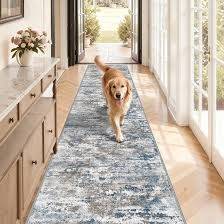
Washable Runner Rug with Silicone Backing
This non-slip runner gives your dog a more secure surface to walk on, helping them feel steadier and more confident while reducing the risk of slips and falls, and it’s easy to clean or machine wash when accidents happen.
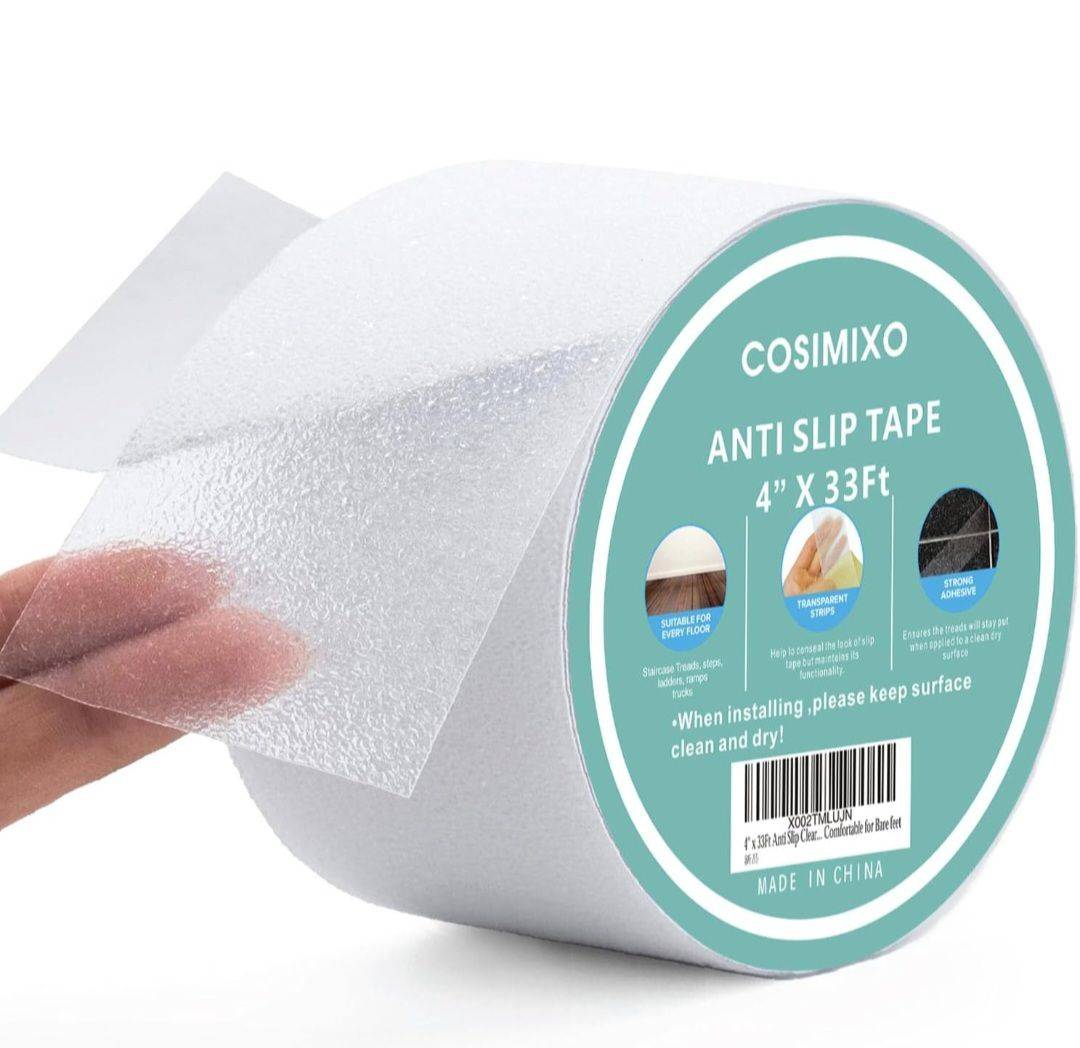
Anti-Slip Tape
This clear anti-slip tape can be placed on stairs, tile, wood, and other smooth surfaces to give their paws a little extra grip without covering your floors, helping reduce slipping and giving them more confidence as they move around the house.
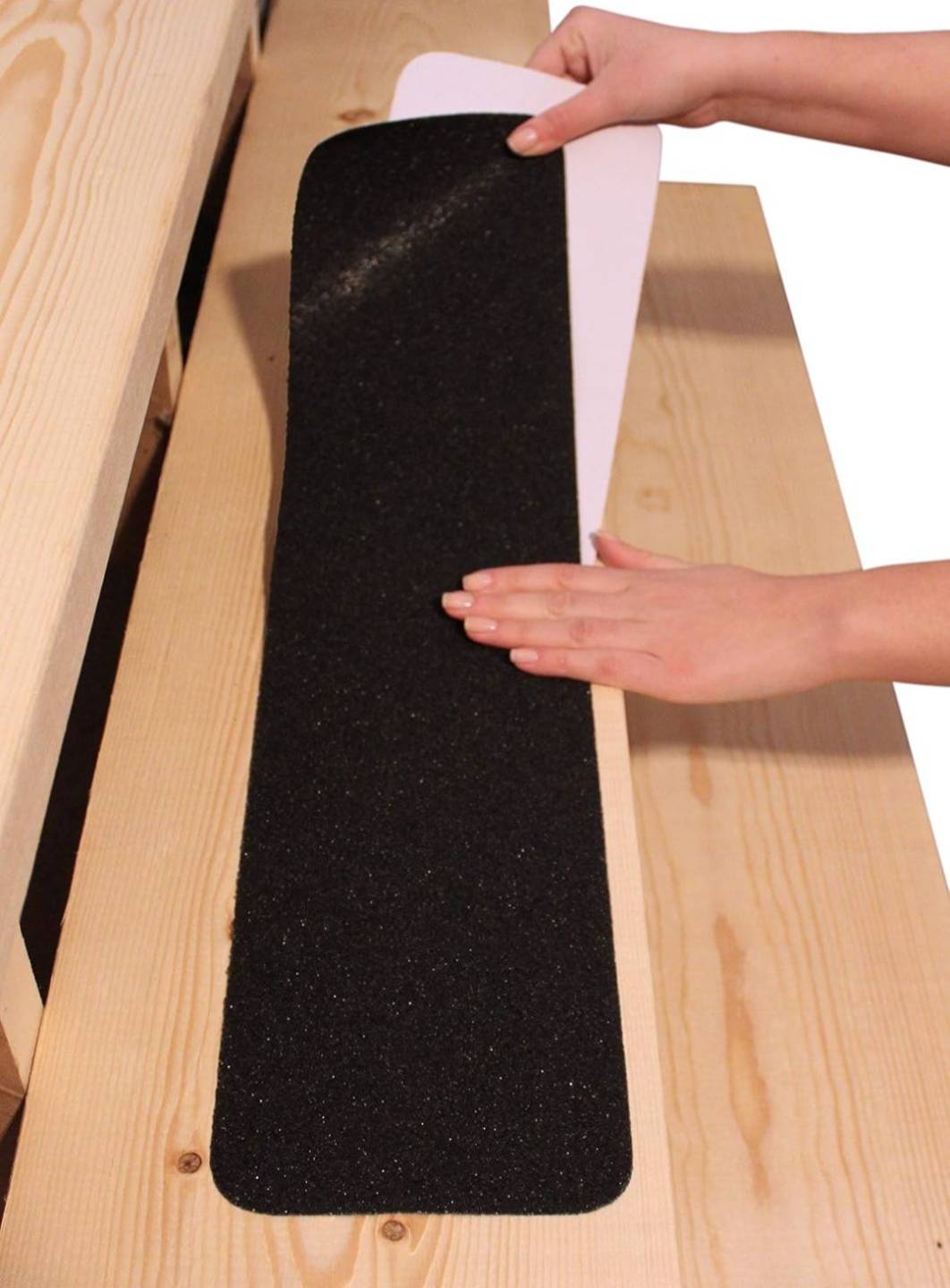
Anti-Slip Stair Treads
When your dog is already coping with cancer, even something as simple as climbing the stairs can become stressful if they’re weak, sore, or unsteady on their feet. These non-slip stair strips give their paws a more secure surface to grip, helping them move with a little more confidence while giving you greater peace of mind that they’re less likely to slip or fall.
Products for Standing and Walking Support
Some dogs remain interested in walking but need a little help with balance or strength.
A mobility harness can allow a caregiver to provide support without pulling directly on the dog's collar or trying to lift their body manually.
Supportive Mobility Harnesses
Best for: Dogs who need assistance standing, walking, climbing steps, or going outside.
Mobility harnesses typically provide handles that allow you to support part of your dog's weight while still allowing them to move their own legs.
Why We Recommend Them
- Can help dogs maintain independence
- May provide extra stability
- Makes assisting larger dogs easier
- Can help with bathroom trips
- May reduce strain on the caregiver
What to Look For
Choose a harness that fits securely without placing excessive pressure on sensitive areas.
For dogs experiencing significant weakness, a harness that supports both the front and rear of the body may be more helpful than a simple rear-lift sling.
Things to Consider
The right harness depends heavily on your dog's condition, body shape, tumor location, surgical sites, and mobility limitations.
If your dog has recently undergone surgery or has a tumor near an area where the harness would place pressure, ask your veterinary team before using one.
[View Recommended Mobility Harnesses →]
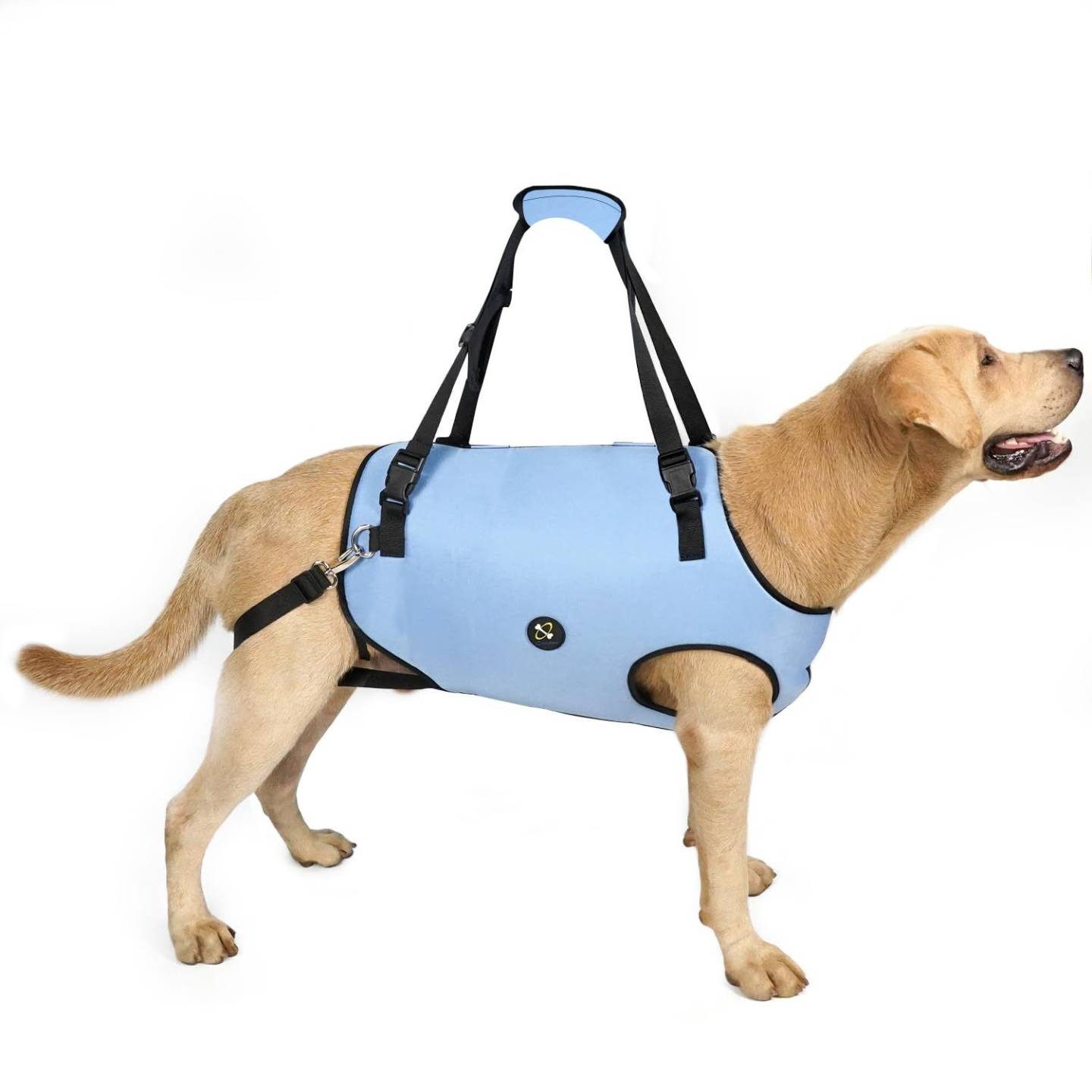
Dog Lift Harness
When your dog is dealing with weakness, pain, or balance changes from cancer or treatment, watching them struggle to stand, walk, or use the stairs can be heartbreaking. This soft, supportive mobility harness lets you gently help steady their body and take some of the strain off their legs, making everyday movement a little easier while helping them maintain as much independence and dignity as possible.
Ramps and Steps
Jumping may become uncomfortable long before walking does.
Dogs who once jumped easily onto the couch, bed, or into the car may begin hesitating or waiting for help.
Dog Ramps
Best for: Dogs who struggle with jumping, stairs, vehicles, or furniture.
A stable ramp can reduce the height your dog needs to climb and may help preserve independence.
Look For
- Non-slip surface
- Wide walking area
- Stable construction
- Appropriate weight capacity
- Gradual incline
- Raised edges when appropriate
A ramp should feel secure before you expect your dog to trust it.
Some dogs need time, treats, and gentle practice before they feel comfortable using one.
[View Recommended Dog Ramps →]
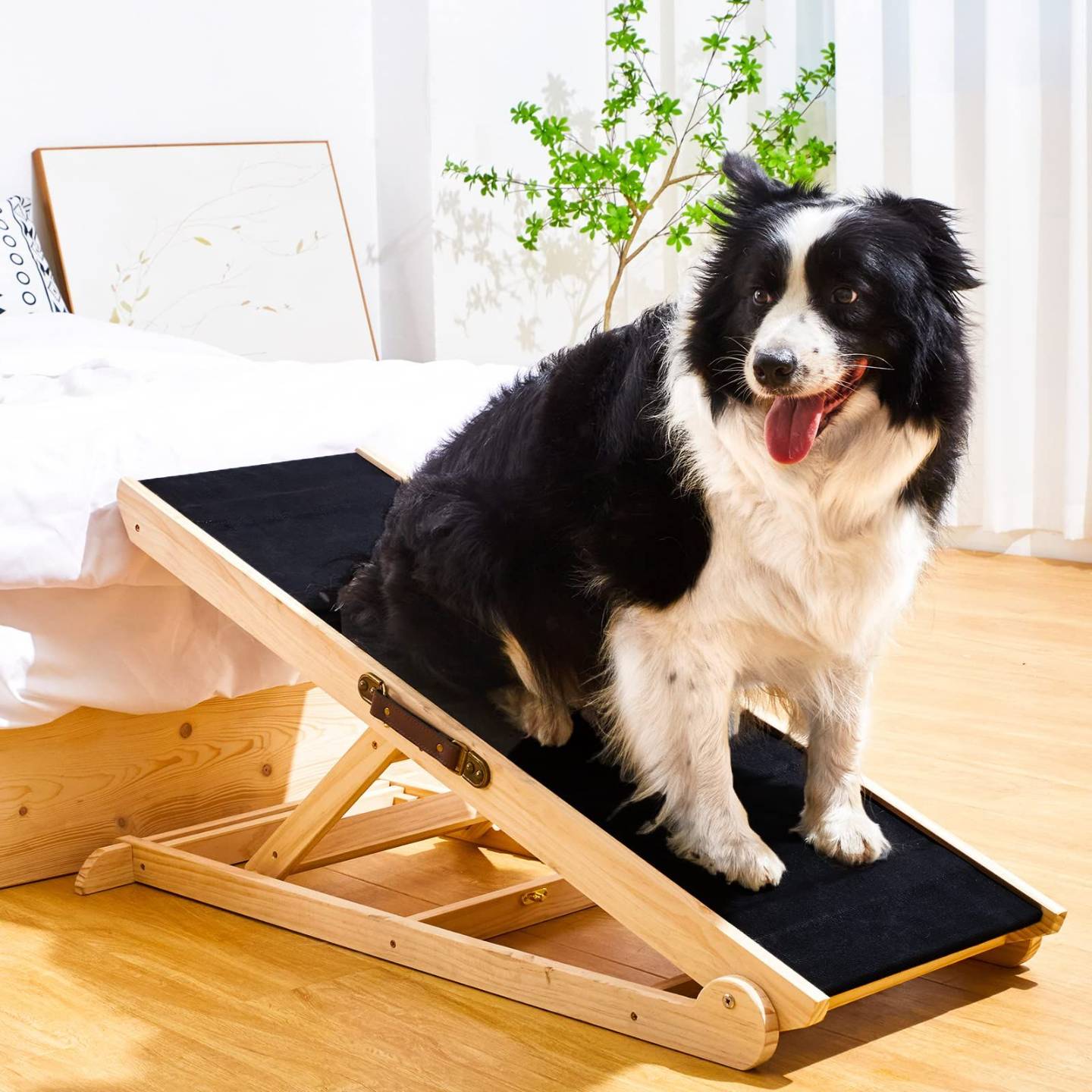
Woohoo Dog Ramp for Couch & Bed
When your dog is living with cancer, jumping onto the bed, couch, or into the car may suddenly become uncomfortable or feel out of reach. This sturdy adjustable ramp gives them a gentler way up and down, with a high-traction surface for better footing and a gradual incline that can help reduce strain on sore, weak, or tired joints.
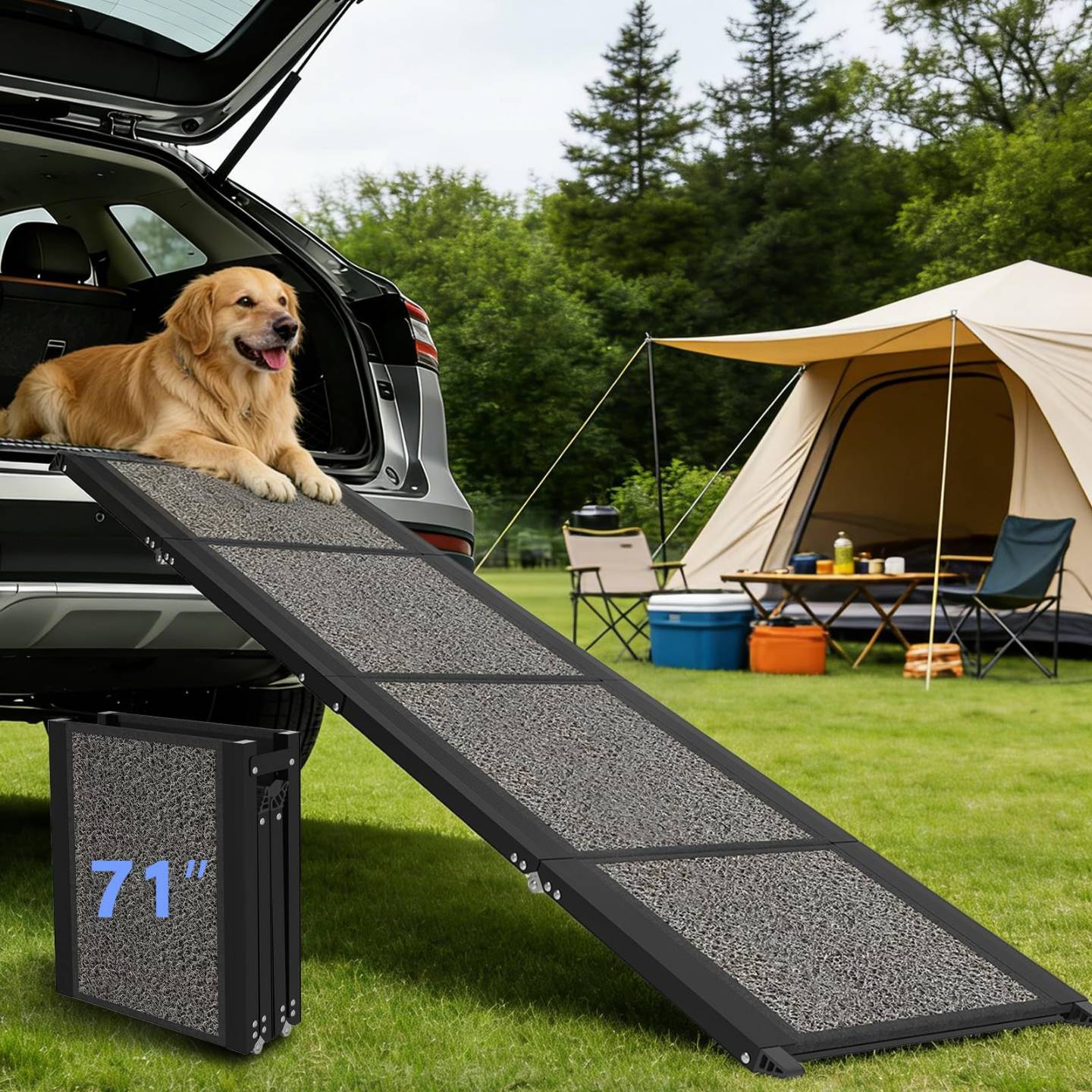
Dog Ramp for Your Vehicle
When your dog is coping with cancer, getting into the car or onto a favorite bed or couch can become much harder than it used to be. This extra-long ramp creates a gentler incline with a grippy, cushioned surface that can help reduce stress on sore joints, improve footing, and make those everyday transitions feel safer and more comfortable.
Supportive Beds for Dogs With Cancer
Rest becomes increasingly important when a dog is dealing with illness, treatment, or reduced mobility.
A supportive bed can give your dog a comfortable place to relax while also making it easier to change positions and get back onto their feet.
Orthopedic Dog Beds
Best for: Senior dogs, dogs with arthritis, dogs experiencing pain, and dogs spending more time resting.
Look for beds that provide support without allowing your dog to sink so deeply that standing becomes difficult.
Helpful Features
- Supportive foam
- Washable covers
- Waterproof liners
- Low entry
- Enough room to change positions
- Easy access from multiple sides
Drake Dog Cancer Foundation Tip
Consider placing more than one comfortable resting area throughout your home.
Your dog may want to remain near the family but no longer have the energy to repeatedly move from room to room.
[View Recommended Orthopedic Beds →]
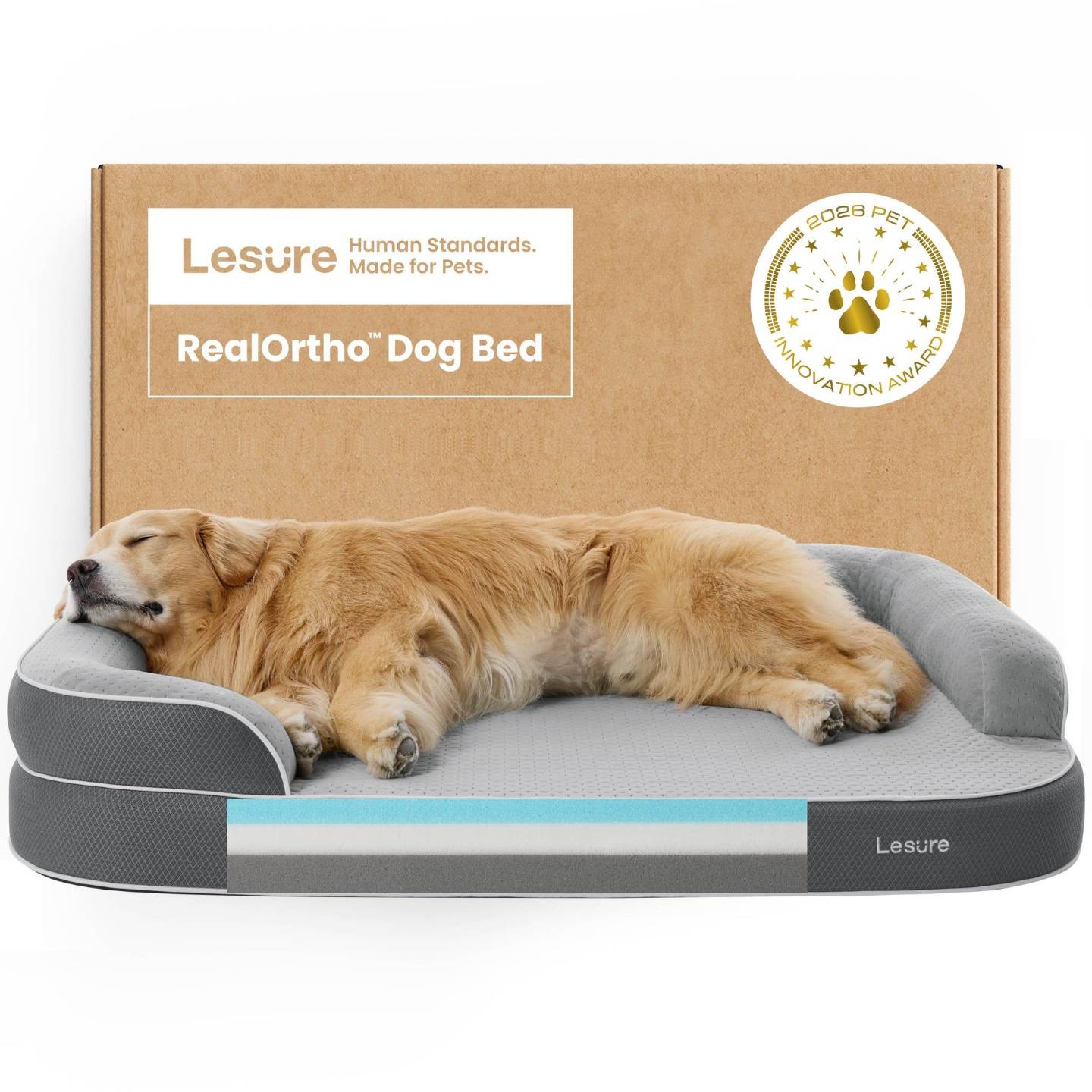
RealOrtho Dog Bed
When your dog is living with cancer, getting truly comfortable can become harder, especially if they’re dealing with sore joints, weakness, or trouble getting up and down. This supportive orthopedic bed cushions tired hips and elbows, gives them a stable surface to rest on, and has a low entry that makes settling in and getting back up a little easier, helping them rest more comfortably when their body needs it most.
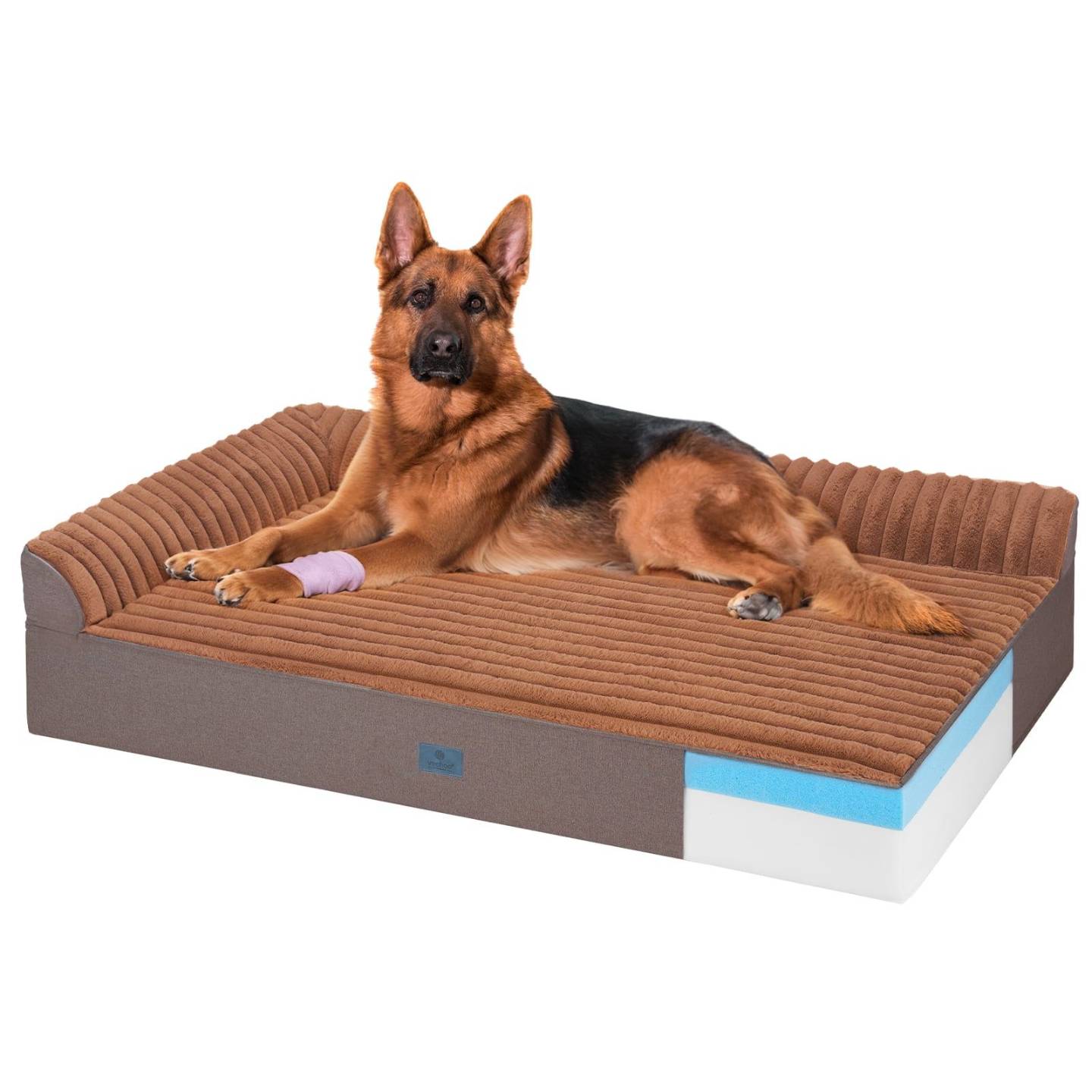
Orthopedic Bed Designed for Senior Dogs
When your dog is living with cancer, they may spend more time resting and can become sore from lying in the same position for long periods. This 7-inch orthopedic bed combines memory foam and supportive foam to cushion pressure points around the hips, shoulders, and elbows, while the roomy surface gives them space to stretch out or reposition when they’re uncomfortable. The raised L-shaped bolsters can support the head and neck, and the removable, washable cover makes it easier to keep their resting space clean if they’re dealing with accidents, drooling, or treatment-related messes.
Wagons and Strollers
Reduced stamina does not necessarily mean your dog has stopped enjoying the world.
Some dogs still love smelling the air, watching people, visiting familiar places, and spending time outside even when walking long distances becomes difficult.
Dog Wagons and Strollers
Best for: Dogs who still enjoy outings but tire quickly or cannot comfortably walk long distances.
A wagon or stroller can allow your dog to participate while controlling how much physical activity is required.
You might allow your dog to walk for a few minutes, ride while resting, and walk again when they feel ready.
What to Look For
- Appropriate weight capacity
- Easy entry
- Stable base
- Ventilation
- Washable interior
- Secure restraint
- Smooth wheels
- Easy loading and unloading
The goal is not to force activity. It is to give your dog another way to continue enjoying meaningful experiences.
[View Recommended Wagons & Strollers →]
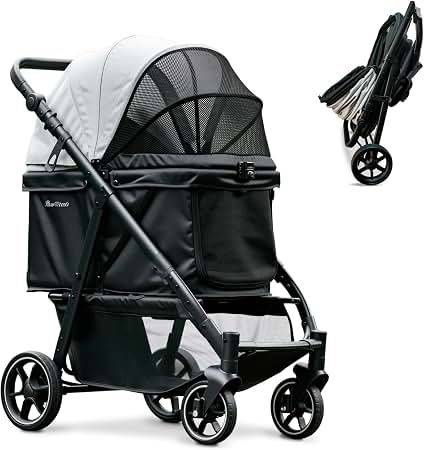
Foldable Pet Stroller
If your dog tires easily, struggles to walk long distances, or has limited mobility from cancer or treatment, this stroller lets them stay included without overexerting themselves. The low entry makes getting in easier, the padded interior gives them a comfortable place to rest, and the mesh canopy provides airflow and visibility while you continue walks, outings, or appointments together.
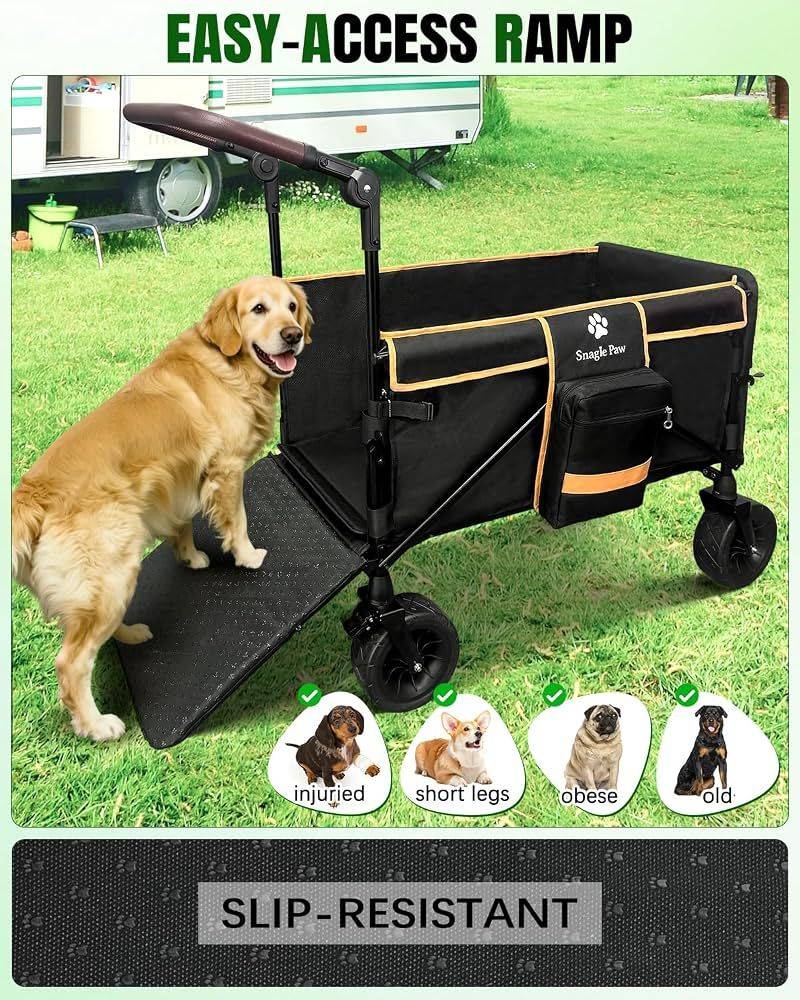
Dog Wagon with Ramp
If your dog has trouble walking, gets tired quickly, or needs extra support because of cancer or treatment, this wagon gives them a comfortable way to stay included without overdoing it. The built-in ramp reduces the need to jump or be lifted, the roomy interior gives them space to lie down, and the all-terrain wheels make it easier to take them along on walks, park visits, or longer outings.
Other Comfort Products That May Help
Depending on your dog's individual needs, you may also find benefit in:
- Raised food and water bowls
- Washable waterproof bedding
- Reusable absorbent pads
- Cooling mats
- Supportive bolsters
- Pet-safe heating products
- Protective booties or traction aids
- Portable ramps
- Soft recovery bedding
Not every dog needs every product.
Focus on identifying the specific challenge your dog is experiencing, then choose the simplest tool that may make that activity easier.
How We Choose Products
Drake Dog Cancer Foundation looks for products that may provide practical support for dogs and families navigating cancer.
When considering a recommendation, we look at factors such as:
- Relevance to dogs living with cancer
- Practical usefulness
- Ease of use
- Safety considerations
- Comfort
- Durability
- Accessibility
- Value
- Ease of cleaning
- Suitability for senior or mobility-limited dogs
An affiliate relationship does not automatically qualify a product for recommendation.
Whenever possible, we want our recommendations to answer a simple question:
How might this make life easier for the dog or the person caring for them?
Before Buying: Think About Your Dog
There is rarely one product that works for every dog.
Before choosing a mobility or comfort product, consider:
Your Dog's Size
Products should safely support your dog's weight and body shape.
Where Your Dog Needs Help
Standing from the floor requires different support than getting into a vehicle.
Their Current Strength
A dog with mild weakness may need traction, while a dog with significant mobility loss may require physical support.
Your Own Physical Ability
The right product should help you too.
If lifting or supporting your dog is physically difficult, look for equipment designed to reduce strain on the caregiver.
Your Home
Consider stairs, flooring, narrow hallways, furniture height, and where your dog spends most of their time.
When a Product Isn't Enough
Changes in mobility can sometimes indicate pain, neurologic changes, treatment complications, or progression of disease.
Contact your veterinary team if your dog develops:
- Sudden weakness
- Difficulty standing
- Repeated falls
- Dragging of a limb
- Sudden reluctance to walk
- Crying or vocalizing during movement
- New limping
- Loss of coordination
- Significant changes in activity
- Inability to get comfortable
Products can help make the environment safer and more comfortable, but they should not replace evaluation of a new or worsening medical problem.
Frequently Asked Questions
What can I do if my dog with cancer keeps slipping on the floor?
Creating non-slip pathways is often a good place to start. Yoga mats, rubber-backed runners, and other traction surfaces can help dogs move between important areas of the home with greater stability.
What can help a dog who struggles to stand up?
A supportive mobility harness or sling may allow you to assist your dog while they stand and begin walking. Dogs with more significant weakness may benefit from a full-body support harness.
Is an orthopedic bed good for a dog with cancer?
It can be. Supportive bedding may be especially helpful for dogs experiencing arthritis, pain, weakness, or increased time resting. Look for a bed that provides support while still allowing your dog to get up comfortably.
Should my dog stop going on walks if they have cancer?
Not necessarily. Many dogs continue to enjoy walks throughout their cancer journey. Allow your dog to set the pace and watch for signs of fatigue, pain, or difficulty keeping up. Shorter walks or combining walking with a wagon or stroller may be helpful for some dogs.
Are dog ramps better than stairs?
For many dogs with mobility limitations, ramps may require less joint movement than steps. However, the safest option depends on your dog's strength, balance, size, and comfort level.
How can I tell if my dog needs more mobility support?
Watch for hesitation before standing, slipping, difficulty with stairs, shortened walks, reluctance to jump, slower movement, or waiting for assistance with activities they previously performed independently.
Comfort Is Part of Quality of Life
Supporting mobility is not only about helping a dog move from one place to another.
It is about helping them continue participating in the parts of life they enjoy.
Walking outside.
Following you into another room.
Lying beside the family.
Sniffing around the yard.
Getting comfortable enough to sleep peacefully.
Small environmental changes can help preserve independence while allowing your dog's world to adapt as their needs change.
The goal isn't to make your dog do everything they used to do.
The goal is to make the things they still want to do easier.
Continue Supporting Your Dog
You may also find these Drake Dog Cancer Foundation resources helpful:
Dog Cancer Quality of Life Resources →
Managing Pain in Dogs With Cancer →
Treatment & Home Care Products →
A Note From Drake Dog Cancer Foundation
Every dog's cancer journey is different. Products that improve comfort for one dog may not be appropriate for another, particularly after surgery or when tumors affect specific areas of the body.
Use these recommendations as tools to discuss with your veterinary team when appropriate.
Drake Dog Cancer Foundation strives to work alongside veterinary professionals, not replace them, while helping families feel more informed and supported throughout their dog's cancer journey.
