
Hospice & End of Life Care for Dogs with Cancer
When cancer can no longer be brought into remission, or when treatment is no longer the right choice for your dog, the focus of care can change.
Instead of trying to control the cancer itself, hospice and palliative care focus on something equally important: comfort, dignity, quality of life, and meaningful time together.
That may mean managing pain and other symptoms, adapting your home, making food and water easier to reach, helping your dog move safely, preparing for accidents, and paying closer attention to the things that still bring them joy.
The products and resources on this page are meant to make caring for your dog at home a little easier while helping you prepare for the decisions that may come next.
You do not need to prepare for everything at once.
Start with what your dog needs today.
Affiliate Disclosure: Some links on this page are affiliate links. If you purchase through one of these links, Drake Dog Cancer Foundation may receive a small commission at no additional cost to you. These commissions help us continue creating resources for families affected by canine cancer. We only recommend products we believe may genuinely support comfort, caregiving, or quality of life.
Start Here: What Does Your Dog Need Help With?
Hospice care looks different for every dog.
Start with the challenge that is affecting your dog most right now.
If your dog is struggling to get comfortable:
Consider supportive bedding, washable blankets, positioning aids, and creating several easy-to-access resting areas.
If your dog is slipping or having difficulty walking:
Non-slip mats, runners, mobility harnesses, or supportive slings may help.
If your dog can no longer reach food or water easily:
Move bowls closer to their resting area and consider shallow or appropriately elevated feeding options.
If accidents are becoming more frequent:
Reusable absorbent pads, waterproof bedding, washable covers, and gentle hygiene supplies can make cleanup easier.
If medications are becoming difficult to manage:
A pill organizer, medication chart, oral syringes, and dedicated care station may simplify the routine.
If you are unsure whether your dog is still comfortable:
Begin tracking quality of life, pain, appetite, mobility, rest, engagement, and good days versus difficult days.
If you are worried about what happens next:
Create an end-of-life plan with your veterinarian before you are in the middle of a crisis.
You do not need to wait until your dog's final day to begin preparing.
Preparation can give you more space to focus on your dog when the time comes.
What Is Hospice Care for Dogs?
Veterinary hospice focuses on supporting a dog whose illness is advanced, progressive, or no longer being treated with curative intent.
The goal is not to give up.
The goal changes from trying to eliminate disease to trying to preserve comfort and quality of life for as long as that remains possible.
Hospice care may involve:
- Pain management
- Nausea control
- Appetite support
- Hydration support
- Mobility assistance
- Hygiene and incontinence care
- Comfortable bedding
- Environmental changes
- Medication management
- Monitoring symptoms
- Quality-of-life assessment
- Emotional support for the family
- Planning for emergencies
- Discussing euthanasia and end-of-life options
Your veterinarian may also recommend palliative treatments aimed at reducing symptoms even when curing the cancer is no longer possible.
Create a Comfortable Resting Space
Dogs approaching the end of life may spend considerably more time sleeping or resting.
A comfortable environment becomes especially important.
Supportive Dog Beds
Best for: Dogs experiencing weakness, arthritis, pain, muscle loss, or increased time resting.
Look for a bed that provides support while still allowing your dog to change positions and stand when possible.
Helpful Features
- Supportive foam
- Low entry
- Washable cover
- Waterproof liner
- Non-slip base
- Enough room to stretch out
- Easy access from several sides
Drake Dog Cancer Foundation Tip
Consider placing comfortable beds in more than one room.
Your dog may still want to be near the family but may no longer have the energy to follow everyone throughout the house.
[View Recommended Supportive Beds →]

RealOrtho Dog Bed
When your dog is living with cancer, getting truly comfortable can become harder, especially if they’re dealing with sore joints, weakness, or trouble getting up and down. This supportive orthopedic bed cushions tired hips and elbows, gives them a stable surface to rest on, and has a low entry that makes settling in and getting back up a little easier, helping them rest more comfortably when their body needs it most.

Orthopedic Bed Designed for Senior Dogs
When your dog is living with cancer, they may spend more time resting and can become sore from lying in the same position for long periods. This 7-inch orthopedic bed combines memory foam and supportive foam to cushion pressure points around the hips, shoulders, and elbows, while the roomy surface gives them space to stretch out or reposition when they’re uncomfortable. The raised L-shaped bolsters can support the head and neck, and the removable, washable cover makes it easier to keep their resting space clean if they’re dealing with accidents, drooling, or treatment-related messes.
Waterproof and Washable Bedding
Accidents, drainage, vomiting, or incontinence may become more common as a dog's condition changes.
Waterproof layers can make cleanup easier without sacrificing comfort.
Waterproof Bed Protectors
Best for: Protecting mattresses, dog beds, couches, or favorite resting areas.
Consider layering:
Supportive bed → waterproof barrier → soft washable blanket
This allows you to remove the top layer quickly when needed without completely rebuilding your dog's resting area.
[View Recommended Waterproof Bedding →]

Waterproof Pet Blanket
When your dog has cancer, extra warmth and a soft place to rest can bring comfort on days when they’re tired, sore, or spending more time sleeping. This reversible fleece and sherpa blanket adds a cozy layer while the waterproof lining helps protect beds, couches, and car seats from urine, drool, spills, or other treatment-related accidents.

Soft Sherpa Fleece with Internal Waterproof Liner
This reversible fleece and sherpa blanket adds cozy cushioning while the waterproof inner layer helps protect beds, couches, carriers, and car seats from urine, drool, spills, or other treatment-related messes.
Incontinence and Bathroom Support
Some dogs develop urinary or fecal accidents because of weakness, medication effects, neurologic changes, difficulty getting outside, or progression of disease.
These changes can be frustrating for the caregiver, but they are not your dog's fault.
Products that make cleanup easier can help preserve comfort and dignity.
Reusable Absorbent Pads
Best for: Beds, floors, couches, vehicles, and frequently used resting areas.
Look for:
- High absorbency
- Waterproof backing
- Non-slip surface
- Machine washing
- Multiple sizes
Dog Diapers and Belly Bands
Best for: Some dogs experiencing urinary or fecal accidents.
Things to Consider
Diapers need to be changed regularly.
Skin should remain clean and dry, and diapers should never be allowed to trap urine or stool against the body for extended periods.
Some dogs dislike wearing them or have tumors, wounds, or sensitive areas that make diapers inappropriate.
[View Recommended Dog Diapers & Belly Bands →]

Dog Belly Bands for Male Dogs
Urinary accidents can happen because of weakness, medications, mobility changes, or incontinence, and keeping them clean and comfortable can become part of daily care. These washable male dog diapers have an absorbent inner layer, waterproof exterior, and room for an extra pad, helping protect your dog’s skin, bedding, and furniture while giving them more freedom to rest and move around comfortably.

Dog Diapers for Female Dogs
These washable female dog diapers have an absorbent core, waterproof outer layer, and adjustable fit to help prevent leaks, protect bedding and furniture, and keep your dog more comfortable throughout the day.
Gentle Hygiene Products
Bathing may become physically difficult for a weak or tired dog.
Simple hygiene supplies can help keep your dog clean without requiring a full bath.
Dog-Safe Wipes and Washcloths
Best for: Light cleanup after accidents, meals, or bathroom trips.
Choose gentle products intended for dogs and avoid irritated skin, surgical sites, wounds, or tumors unless your veterinary team has specifically advised otherwise.
Helpful Supplies
You may want to keep:
- Soft washcloths
- Dog-safe wipes
- Towels
- Disposable gloves
- Absorbent pads
- Waste bags
Keep near your dog's primary resting area.
Mobility Support
Reduced mobility is common in dogs with advanced illness.
The goal does not necessarily need to be getting your dog back to their previous activity level.
Sometimes the goal is simply helping them:
- Stand
- Reposition
- Go outside
- Reach the water bowl
- Walk a short distance
- Toilet comfortably
- Move between favorite resting places
Mobility Harnesses
Best for: Dogs who can still use their legs but need additional stability or support.
A supportive harness may help you assist your dog without lifting them awkwardly.
What to Look For
- Comfortable padding
- Secure handles
- Appropriate sizing
- Front and rear support when needed
- Easy application
- No pressure over tumors or painful areas
Support Slings
Best for: Dogs needing temporary support under the abdomen or hindquarters.
Slings can be particularly useful for short bathroom trips.
Important
The correct type of support depends on your dog's condition.
Tumors, surgical areas, abdominal discomfort, or orthopedic problems may make certain slings inappropriate.
Ask your veterinary team if you are unsure.
[View Recommended Support Slings →]
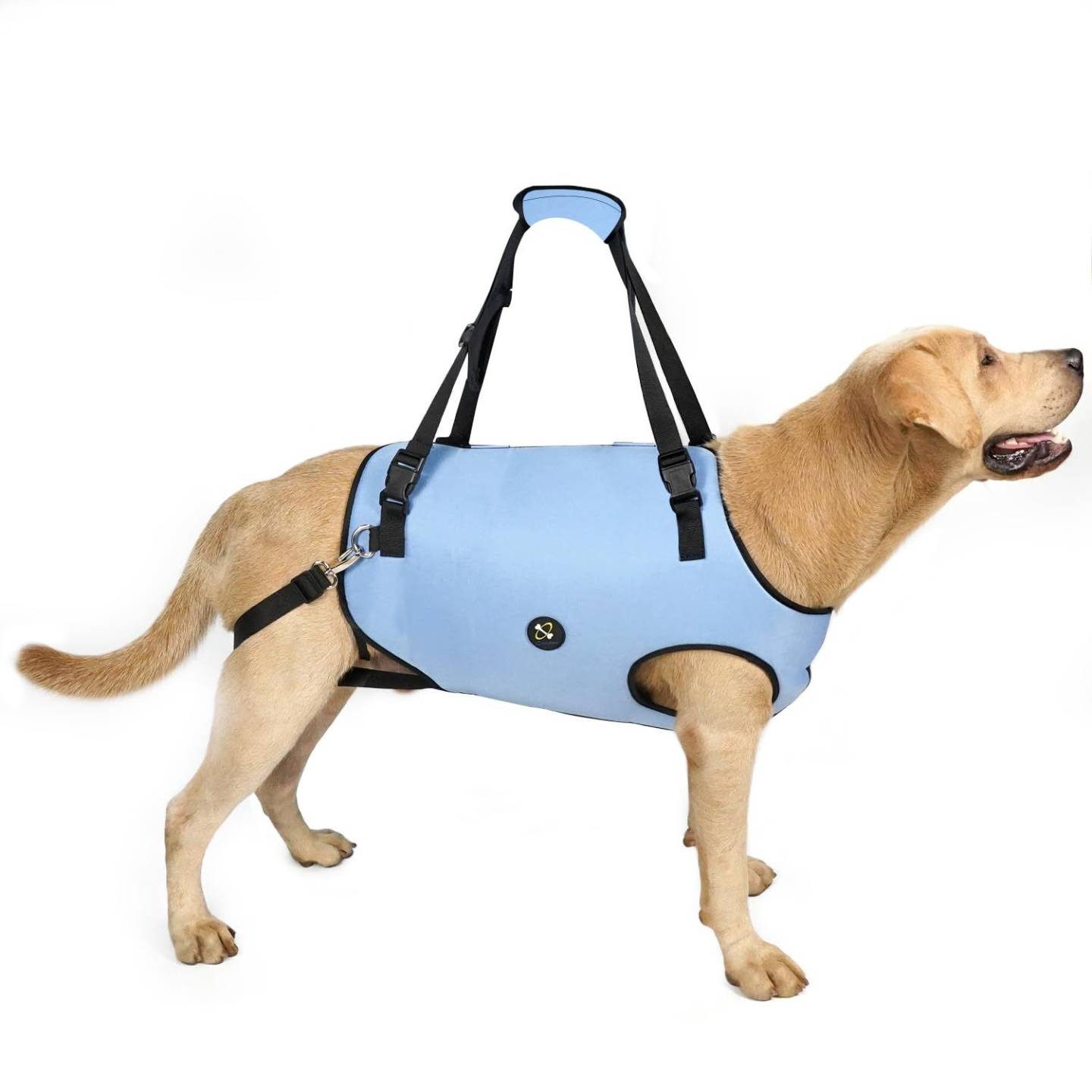
Dog Lift Harness
When your dog is dealing with weakness, pain, or balance changes from cancer or treatment, watching them struggle to stand, walk, or use the stairs can be heartbreaking. This soft, supportive mobility harness lets you gently help steady their body and take some of the strain off their legs, making everyday movement a little easier while helping them maintain as much independence and dignity as possible.
Create Non-Slip Pathways
A dog who is weak or unstable may struggle significantly on hardwood, tile, laminate, and other smooth floors.
Yoga Mats and Non-Slip Runners
Best for: Creating safe pathways between your dog's bed, water, food, and bathroom exit.
Strategically placed traction can sometimes make a surprisingly large difference.
Focus first on the areas your dog uses most.
[View Recommended Non-Slip Mats →]

Washable Runner Rug with Silicone Backing
This non-slip runner gives your dog a more secure surface to walk on, helping them feel steadier and more confident while reducing the risk of slips and falls, and it’s easy to clean or machine wash when accidents happen.

Anti-Slip Tape
This clear anti-slip tape can be placed on stairs, tile, wood, and other smooth surfaces to give their paws a little extra grip without covering your floors, helping reduce slipping and giving them more confidence as they move around the house.
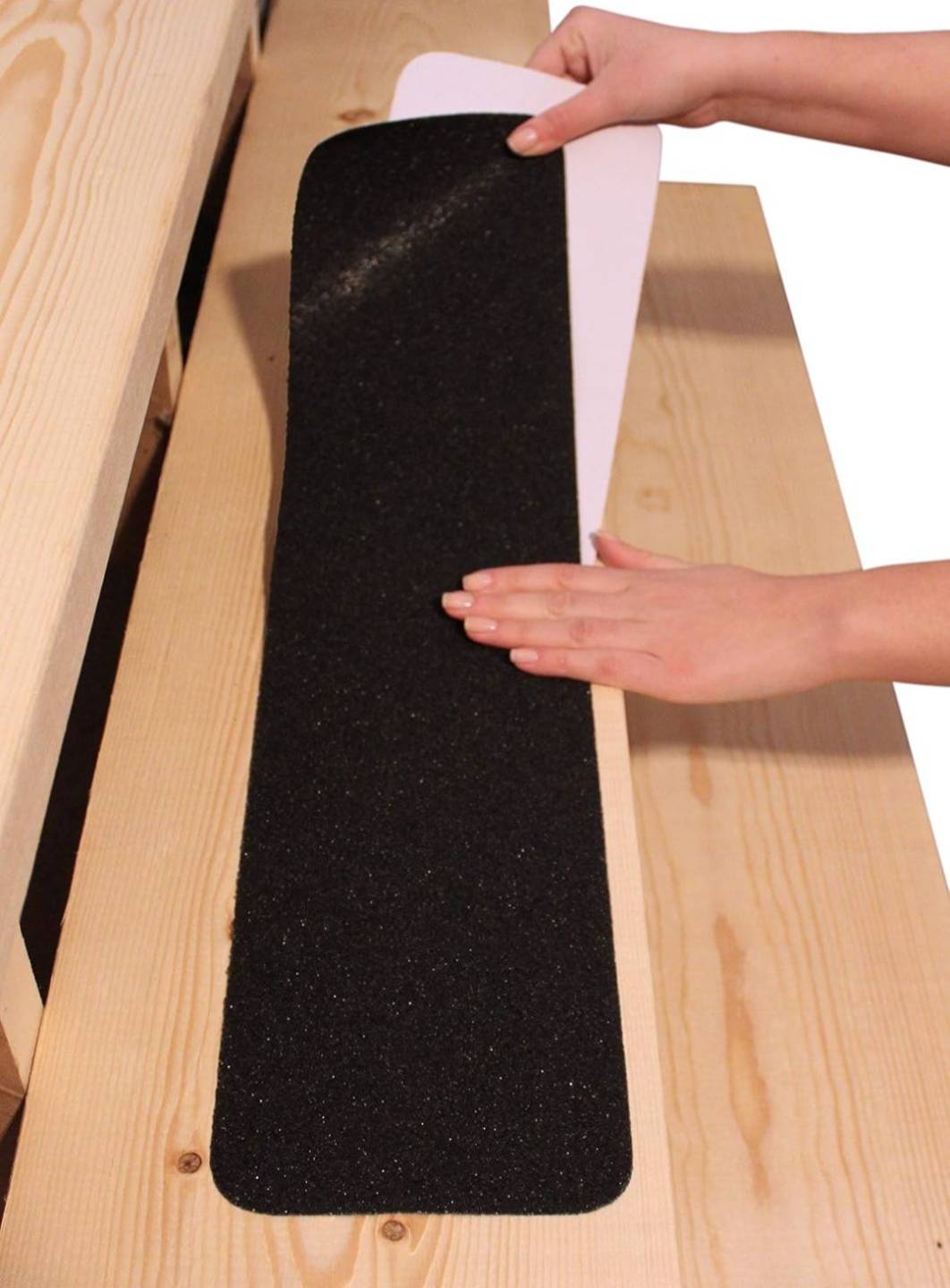
Anti-Slip Stair Treads
When your dog is already coping with cancer, even something as simple as climbing the stairs can become stressful if they’re weak, sore, or unsteady on their feet. These non-slip stair strips give their paws a more secure surface to grip, helping them move with a little more confidence while giving you greater peace of mind that they’re less likely to slip or fall.
Make Food and Water Easier to Reach
As mobility declines, a dog may stop walking across the house for water even when they are thirsty.
Bring important resources closer.
Additional Water Bowls
Place water near:
- Your dog's primary bed
- Favorite resting areas
- The door used for bathroom trips
- Rooms where the family spends time
Use stable bowls that cannot easily tip.
[View Recommended Water Bowls →]

Stainless Steel Water Bowl, No Spill
This large-capacity stainless steel bowl keeps plenty of fresh water available, while the floating disk slows drinking, helps keep debris out, and reduces splashing so your dog can drink more comfortably.
Medication Organization
Hospice care may involve several medications given at different times of day.
Keeping the system simple can reduce stress.
Pill Organizers
Best for: Organizing veterinarian-prescribed medications when their storage requirements allow it.
[View Recommended Pill Organizers →]

Pill Organizer with Reminder Alarms
It can be hard to remember every medication and supplement on schedule, especially when there are several doses throughout the day. This pill organizer lets you sort doses in advance and set reminder alarms up to four times daily, helping reduce missed or delayed medications and taking one more worry off your plate.

Simple Weekly Pill Organizer
Keeping track of multiple medications and supplements can quickly become overwhelming. This AM/PM weekly pill organizer helps you prepare doses ahead of time, separate morning and evening medications, and reduce the chance of missing or accidentally repeating a dose during an already stressful time.
Oral Syringes
Best for: Measuring veterinarian-prescribed liquid medications.
Look for clear measurement markings and sizes appropriate for your dog's dose.
[View Recommended Oral Syringes →]

Oral Syringe with Cap
Accurate dosing matters when you’re giving liquid medications, supplements, or supportive care at home. These easy-to-read 10 mL oral syringes help you measure each dose clearly and deliver it with more control, while the individually sealed design makes it easy to keep clean syringes on hand whenever you need them.
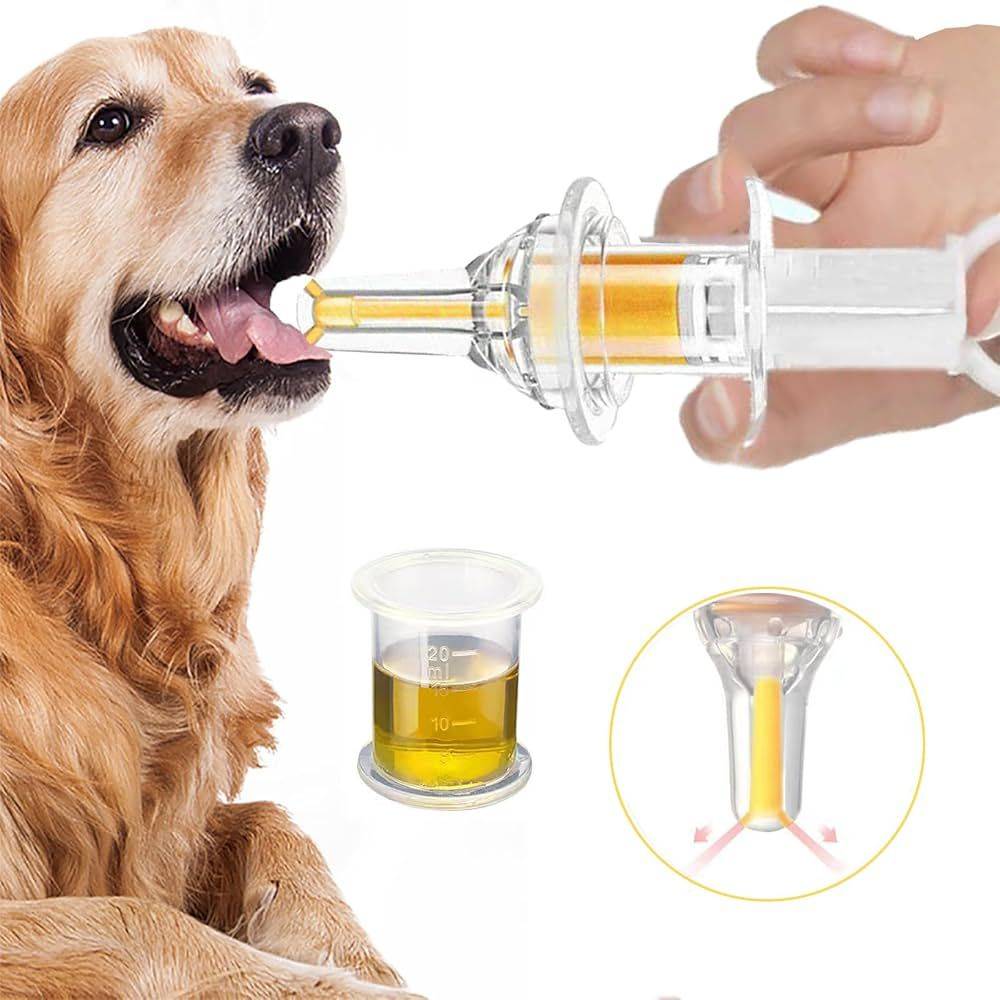
Dog Feeding Kit
When your dog has cancer, giving liquid medication, water, or soft food can be stressful if they’re weak, nauseated, or reluctant to eat. This soft-tipped syringe gives you more control over each dose and directs liquid toward the sides of the mouth rather than straight toward the throat, helping make medication and supportive feeding gentler and easier for both of you.
Medication Logs
Keep track of:
- Medication
- Dose
- Time given
- Next dose
- Effect
- Side effects
- As-needed medications
This becomes especially helpful when more than one person is caring for your dog.
Create a Hospice Care Station
Keeping essential supplies together can make difficult days more manageable.
Consider using a basket, rolling cart, or storage container.
Your hospice station might include:
- Medications
- Medication schedule
- Oral syringes
- Pill organizer
- Towels
- Absorbent pads
- Dog-safe wipes
- Disposable gloves
- Waste bags
- Extra blankets
- Veterinary contact information
- Emergency instructions
- Quality-of-life journal
- Notebook and pen
Keep medications securely away from children and animals.
The goal is simple:
When your dog needs something, you should know exactly where to find it.
Track Quality of Life
One of the hardest parts of hospice care is that changes often happen gradually.
When you see your dog every day, it may be difficult to recognize a larger pattern.
Tracking can help.
Consider recording:
- Appetite
- Drinking
- Pain
- Breathing
- Mobility
- Bathroom habits
- Sleep
- Interaction
- Interest in favorite activities
- Ability to rest comfortably
- Good days
- Difficult days
The purpose is not to reduce your dog's life to a score.
It is to give you another way to recognize change when emotions make that difficult.
Keep a Good-Day/Bad-Day Calendar
A simple calendar can be surprisingly helpful.
At the end of each day, mark it as something like:
Good day
Mixed day
Difficult day
You might also write one sentence about why.
Over time, you may notice patterns that are harder to see when thinking about individual moments.
Bring the calendar to veterinary appointments when discussing quality of life.
Watch What Your Dog Still Enjoys
Quality of life is not only about whether your dog is eating or walking.
Ask:
What still makes my dog feel like themselves?
Maybe they still enjoy:
- Sitting outside
- Sniffing the grass
- Car rides
- Greeting family
- A favorite treat
- Being brushed
- Lying beside you
- Watching through the window
- Going for very short walks
- Sleeping in their favorite spot
As illness progresses, activities may need to change.
A long walk may become five minutes in the yard.
A hike may become a wagon ride.
Playing fetch may become quietly holding a favorite toy.
Joy can become smaller without becoming less meaningful.
Pain and Symptom Management
No product should be expected to replace appropriate pain or symptom control.
If your dog appears uncomfortable, talk with your veterinarian.
Signs that may warrant evaluation include:
- Difficulty settling
- Panting at rest
- Trembling
- Vocalizing
- Reluctance to move
- Changes in posture
- Repeatedly changing positions
- Withdrawal
- Unusual restlessness
- Loss of interest in previously enjoyed activities
- Significant appetite changes
- Difficulty sleeping comfortably
Dogs do not always express pain in obvious ways.
Changes in normal behavior can matter.
Know Your Hospice Team
Before a crisis occurs, know who you will contact.
Your care team may include:
- Primary veterinarian
- Veterinary oncologist
- Hospice or palliative-care veterinarian
- Emergency veterinary hospital
- Rehabilitation professional
- Veterinary technician
- Pet grief professional
Keep phone numbers somewhere easy to find.
If possible, ask your veterinarian:
- Who should I call after hours?
- What symptoms require emergency care?
- Which medications can be used if symptoms worsen?
- What should I expect as the disease progresses?
- What would indicate that my dog's comfort is becoming difficult to maintain?
Knowing the answers before you need them can reduce uncertainty later.
Make an Emergency Plan
Hospice does not always progress predictably.
A dog who seems stable in the afternoon may develop a serious problem overnight.
Decide ahead of time:
- Which emergency hospital you would use
- How you would transport your dog
- Who could help you if needed
- Where medical records are stored
- Which medications your dog takes
- Your wishes if a crisis occurs
Keep a written medication list and relevant medical information somewhere accessible.
You may also want a blanket or supportive sling available if moving your dog becomes difficult.
Talk About Euthanasia Before a Crisis
This can be one of the hardest conversations in the cancer journey.
It can also be one of the most useful.
You do not need to decide on a date simply because you ask your veterinarian about euthanasia.
You can ask:
- What changes should I watch for?
- What would tell you my dog is suffering?
- What happens during euthanasia?
- Can it be performed at home?
- What options are available after death?
- Who do I call if my dog declines overnight?
- What happens if my dog dies naturally at home?
Understanding your options does not mean you are giving up.
It means you are preparing to protect your dog from a crisis if their comfort can no longer be maintained.
Consider Where You Would Want Goodbye to Happen
Depending on where you live and your dog's medical situation, euthanasia may be available:
- At your regular veterinary clinic
- At a specialty hospital
- Through a veterinary hospice service
- At home
Some families strongly prefer home euthanasia.
Others feel safer in a veterinary clinic.
There is no universally correct choice.
Think about:
- Your dog's comfort
- Transportation
- Veterinary availability
- Other pets
- Children
- Your own preferences
- Cost
- What feels most peaceful for your family
Prepare Without Making Every Day About Goodbye
Preparing for the end of your dog's life does not mean every remaining day has to feel like a farewell.
You can make practical decisions and then return your attention to today.
Know the emergency hospital.
Have the veterinarian's number.
Know your euthanasia options.
Keep the medications organized.
Then go sit with your dog.
Preparation is meant to create more room for the relationship, not consume it.
Preserve Memories When It Feels Right
Some families want to create keepsakes before their dog passes.
Others do not.
Both choices are completely reasonable.
If it feels meaningful, consider:
- Paw prints
- Nose prints
- Fur clipping
- Photographs
- Videos
- Audio recordings
- Memory journal
- Family photos
- Letters
- Favorite stories
You do not need to create everything.
Choose what feels like your dog.
[Explore Embracing Your Bond Resources →]
Aftercare Decisions
You may also want to learn about aftercare options before they become urgent.
Depending on your area, options may include:
- Private cremation
- Communal cremation
- Burial where legally permitted
- Aquamation where available
- Memorial services
- Ashes keepsakes
Ask your veterinarian or hospice provider what services are available locally.
Making these decisions ahead of time can prevent you from having to process unfamiliar options immediately after your dog dies.
How We Choose Products
Drake Dog Cancer Foundation looks for hospice and end-of-life products that may help improve comfort, preserve dignity, simplify caregiving, or reduce unnecessary stress for families.
When considering recommendations, we look at factors such as:
- Comfort
- Safety
- Ease of use
- Ease of cleaning
- Accessibility
- Practical usefulness
- Suitability for mobility-limited dogs
- Caregiver usability
- Durability
- Value
- Ability to support quality of life
An affiliate relationship does not automatically qualify a product for recommendation.
Our guiding question is:
Could this make a dog's remaining time more comfortable or make compassionate caregiving easier for their family?
When Home Hospice May No Longer Be Enough
There may come a point when symptoms cannot be adequately controlled at home.
Contact your veterinary team if your dog develops a significant or sudden change such as:
- Difficulty breathing
- Collapse
- Uncontrolled pain
- Repeated vomiting
- Severe distress
- Significant bleeding
- Seizures
- Inability to stand accompanied by distress
- Inability to urinate
- Severe agitation or inability to settle
- Any symptom your veterinarian has identified as an emergency
If your dog appears to be suffering or you are worried that you cannot keep them comfortable, contact your veterinary or emergency team rather than waiting for a scheduled appointment.
Frequently Asked Questions
What is hospice care for a dog with cancer?
Hospice care focuses on comfort and quality of life when a disease is advanced or curative treatment is no longer being pursued. It may include pain and symptom management, mobility assistance, nutrition support, hygiene, environmental changes, and end-of-life planning.
What supplies should I have for a dog in hospice?
Needs vary, but many families find supportive bedding, waterproof covers, absorbent pads, mobility aids, medication organization tools, towels, hygiene supplies, and an easily accessible care station useful.
How do I know whether my dog still has a good quality of life?
Look at the whole picture, including comfort, appetite, mobility, rest, interaction, bathroom habits, interest in favorite activities, and the balance of good and difficult days. Your veterinarian can help you evaluate changes.
How do I know when it is time to euthanize my dog?
There is rarely one universal sign. The decision usually involves evaluating whether pain and other symptoms can still be controlled and whether your dog continues to experience meaningful comfort and enjoyment. Your veterinarian can help you identify specific changes to watch for based on your dog's condition.
Should I wait for my dog to stop eating before considering euthanasia?
Loss of appetite is only one part of quality of life and should not be used as the sole measure. Pain, breathing, mobility, rest, interaction, distress, and your dog's overall experience also matter.
Can my dog receive hospice care at home?
Many aspects of hospice care can occur at home with veterinary guidance. Availability of dedicated veterinary hospice services varies by location.
Is home euthanasia better than going to the veterinary clinic?
Neither option is automatically better. Home euthanasia can be peaceful for some dogs and families, while others prefer the medical support and familiarity of a veterinary clinic. Choose the option that best fits your dog's needs and your family's circumstances.
Should I prepare paw prints before my dog passes away?
Only if it feels meaningful to you. Creating keepsakes ahead of time can be helpful for some families, but there is no obligation to do so.
Is it okay to plan for my dog's death while they are still having good days?
Yes. Planning ahead does not mean you have decided that today is the day. It can help reduce difficult decisions during a crisis and allow you to focus more fully on the time you still have together.
Hospice Is Still Care
There can be a moment during the cancer journey when choosing comfort instead of another treatment feels frightening.
It may feel as though you are doing less.
But hospice is not the absence of care.
It is care with a different goal.
You are still managing symptoms.
Still watching closely.
Still making decisions.
Still helping your dog eat.
Still adjusting blankets.
Still helping them outside.
Still noticing what brings them joy.
Still advocating for them.
And sometimes, you are making one of the most difficult decisions a pet parent can make because protecting your dog from suffering has become more important than having more time.
There is nothing passive about that kind of love.
You Do Not Have to Make Every Remaining Day Perfect
A terminal diagnosis can create enormous pressure.
Take the perfect pictures.
Complete the bucket list.
Make every meal special.
Never leave their side.
Remember everything.
But your dog does not need a perfectly curated final chapter.
They need the same things they have always valued:
Your presence.
Your familiar voice.
Comfort.
Safety.
The places and people they love.
Some days may include adventures.
Others may consist entirely of sleeping beside you.
Both can be good days.
Continue Supporting Your Dog
You may also find these Drake Dog Cancer Foundation resources helpful:
Managing Pain in Dogs With Cancer →
Treatment & Home Care Products →
A Note From Drake Dog Cancer Foundation
Hospice is not about giving up on your dog.
It is about recognizing when the goal of care has changed and continuing to protect the things that matter most: comfort, dignity, connection, and quality of life.
There is no perfect way to navigate this part of the journey.
You may feel certain one day and unsure the next.
You may hope for more time while simultaneously worrying about waiting too long.
Those feelings can exist together.
Use your veterinary team. Ask difficult questions before they become urgent. Track changes when your memory feels unreliable. Let your dog's comfort guide decisions.
And when you are able, remember that hospice is not only preparation for death.
It is also about caring for the life that is still happening today.
Drake Dog Cancer Foundation strives to work alongside veterinary professionals, not replace them, while helping families feel more informed, prepared, and supported through every stage of the cancer journey.
