My Dog Needs Help with Nutrition
Feeding Your Dog with Cancer
When your dog has cancer, feeding can suddenly become one of the most stressful parts of the day.
A dog who once ran to the bowl may sniff the food and walk away. A favorite meal may no longer be appealing. Vomiting, diarrhea, nausea, medication side effects, pain, or changes in taste may make eating difficult.
You may find yourself wondering:
- What is the best food for a dog with cancer?
- Is my dog eating enough?
- Should I remove carbohydrates?
- Would a homemade or raw diet be better?
- How can I stop the weight loss?
- Are supplements safe during treatment?
- What can I offer when my dog refuses everything?
- How do I know when poor appetite has become urgent?
There is no single cancer diet that is right for every dog.
The best nutrition plan depends on your dog’s diagnosis, treatment, appetite, weight, digestive health, organ function, other medical conditions, and food preferences. The most important priorities are usually helping your dog consume enough appropriate food, maintaining weight and muscle when possible, managing symptoms, and protecting quality of life.
This guide will help you understand your options and prepare more useful questions for your veterinarian.
Start The Free Feeding Your Dog With Cancer Course
First, Does My Dog Need Veterinary Care Now?
A change in appetite should not automatically be treated as a food-preference problem.
Dogs may stop eating because of nausea, pain, fever, dehydration, constipation, mouth disease, difficulty swallowing, an intestinal obstruction, organ dysfunction, treatment side effects, or progression of an illness.
Contact your veterinarian promptly if your dog:
- Refuses all food
- Is eating substantially less than normal
- Has skipped multiple meals
- Is losing weight
- Appears interested in food but cannot eat
- Drops food from the mouth
- Has difficulty chewing or swallowing
- Vomits repeatedly
- Has persistent diarrhea
- Has blood in vomit or stool
- Appears painful after eating
- Has a swollen or tense abdomen
- Becomes weak or unusually lethargic
- Cannot keep water down
- Shows signs of dehydration
- Develops poor appetite during chemotherapy or another cancer treatment
Contact the veterinary team sooner if your dog has diabetes, kidney disease, liver disease, pancreatitis, a history of gastrointestinal obstruction, or another condition that can become dangerous when food intake changes.
Seek emergency veterinary care for:
- Difficulty breathing
- Collapse
- Pale, white, gray, or blue gums
- A suddenly enlarged or painful abdomen
- Repeated unproductive retching
- Severe weakness
- Loss of consciousness
- Uncontrolled bleeding
- Suspected intestinal obstruction
- Inability to swallow
- Repeated vomiting with distress
- Any symptom that appears life-threatening
Do not delay veterinary care while trying different foods, supplements, or home remedies.
There Is No Single Best Diet For Every Dog With Cancer
Cancer is not one disease.
A dog with lymphoma receiving chemotherapy may have different nutritional needs than a dog recovering from intestinal surgery, living with kidney disease, experiencing pancreatitis, or receiving hospice care.
A nutrition plan may need to account for:
- Cancer type
- Tumor location
- Treatment protocol
- Surgery or recovery
- Current weight
- Muscle condition
- Appetite
- Nausea
- Vomiting or diarrhea
- Constipation
- Kidney and liver function
- Pancreatic health
- Heart disease
- Diabetes
- Food allergies
- Ability to chew and swallow
- Medications and supplements
- Your dog’s preferences
For many dogs, the best starting point is the complete and balanced food they already tolerate.
A sudden, dramatic diet change can create digestive problems, food refusal, or confusion about whether new symptoms are caused by the diet, cancer, or treatment. Cornell’s veterinary oncology guidance recommends making necessary diet changes gradually and avoiding abrupt changes during treatment whenever possible.
Ask your veterinary team:
- Does my dog need a diet change right now?
- Is the current food complete and balanced?
- Does another health condition limit our choices?
- How many calories should my dog receive?
- What should we do if appetite declines?
- Should we consult a veterinary nutrition specialist?
The First Nutrition Priorities
When families begin researching cancer nutrition, they often encounter complicated discussions about carbohydrates, antioxidants, fasting, ketogenic diets, supplements, and individual ingredients.
Those topics may matter in selected cases, but the immediate priorities are often simpler.
Help Your Dog Eat Enough
A theoretically ideal diet cannot help if your dog refuses to eat it.
The food must be:
- Safe
- Appropriate for your dog’s medical needs
- Palatable
- Digestible
- Nutritionally adequate
- Realistic for your household
Maintain Weight
Unplanned weight loss can reduce strength, resilience, and quality of life.
Your veterinary team may estimate how many calories your dog needs to maintain an appropriate weight and adjust that estimate based on changes over time.
Preserve Muscle
The number on the scale does not tell the entire story.
A dog may lose muscle while maintaining body weight, especially if body fat or fluid changes hide that loss.
Manage Symptoms
Nausea, pain, constipation, diarrhea, mouth discomfort, and medication side effects must be addressed.
Changing the food alone may not solve a medical reason for poor appetite.
Maintain Hydration
Food and water intake are closely connected. Dogs who eat less may also drink less, while vomiting, diarrhea, fever, or some medications can increase fluid losses.
Protect Quality Of Life
Meals should not become a daily battle that creates fear, force, or stress.
Nutrition should support your dog’s comfort and care plan rather than make every interaction revolve around the food bowl.

Why Has My Dog Stopped Eating?
Poor appetite can have more than one cause.
Nausea
A nauseated dog may:
- Approach food and turn away
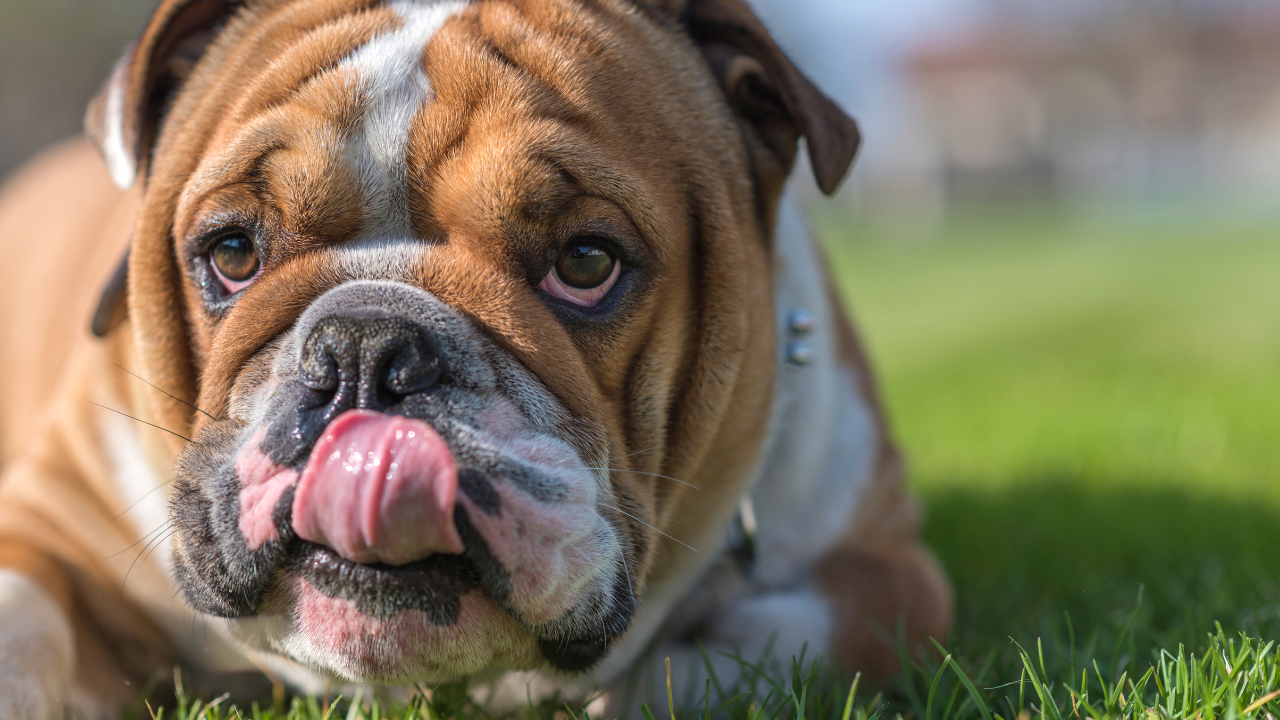
- Lick the lips repeatedly
- Drool
- Swallow frequently
- Eat grass
- Appear restless
- Refuse favorite foods
- Vomit
- Seem hungry but unable to begin eating
Nausea can occur even when a dog is not vomiting.
Ask your veterinarian whether anti-nausea medication is appropriate. An appetite stimulant may be less helpful if nausea remains untreated.
Pain
Pain can reduce appetite.
Possible sources include:
- The tumor itself
- Surgery
- Mouth disease
- Bone pain
- Abdominal discomfort
- Constipation
- Pancreatitis
- Arthritis
- Difficulty bending toward the bowl
Ask whether pain control or a raised feeding station could help.
Mouth Or Throat Problems
Your dog may want to eat but struggle because of:
- An oral tumor
- Dental disease
- Mouth sores
- Jaw pain
- Difficulty swallowing
- Radiation-related irritation
- Dry mouth
- A foreign object
- Neurologic problems
Signs may include dropping food, chewing on one side, excessive drooling, gagging, coughing while eating, or walking away after attempting a bite.
Medication Side Effects
Chemotherapy, antibiotics, pain medications, targeted cancer drugs, and other treatments may affect appetite or digestion.
Do not stop prescribed medication on your own.
Contact the prescribing veterinarian to ask whether the dose, timing, supportive medications, or treatment plan should be adjusted.
Changes In Taste Or Smell
Illness and treatment may change how food smells or tastes to your dog.
A food that was previously loved may become associated with nausea.
This is sometimes called a food aversion.
Stress And Anxiety
Hospital visits, treatment, household changes, pain, and caregiver anxiety may affect eating behavior.
Some dogs eat better in a familiar, quiet space away from other animals.
Constipation Or Diarrhea
Digestive discomfort can reduce interest in food.
Report persistent stool changes, straining, blood, abdominal pain, or an inability to defecate.
Cancer-Related Metabolic Changes
Cancer can change the way the body uses nutrients.
Some dogs lose weight or muscle even when their food intake appears unchanged. This may be part of cancer-associated weight loss or cachexia and requires more than simply offering extra treats.
Read More: Why Dogs with Cancer Lose Weight and How Nutrition Fights BackWhat To Do When Your Dog Will Not Eat
Contact The Veterinary Team
Ask whether your dog may be experiencing:
- Nausea
- Pain
- Dehydration
- Fever
- Constipation
- Mouth discomfort
- Medication side effects
- An infection
- Organ dysfunction
- An obstruction
- Cancer progression
Treating the underlying cause may restore appetite more effectively than repeatedly changing food.
Offer Smaller Meals
A full bowl can feel overwhelming to a nauseated or tired dog.
Try offering smaller portions more frequently if your veterinarian agrees.
Warm The Food Slightly
Gentle warming can increase aroma and may make food more appealing.
Make sure the food is not hot before serving.
Try A Different Texture
Your dog may prefer:
- Canned food
- Soft food
- A loaf or pâté texture
- Small meatballs
- A lightly cooked meal
- Food mixed with warm water
- A smooth food that is easier to swallow
- Dry food softened with water
Texture preferences may change during treatment.
Create A Quiet Feeding Area
Offer meals somewhere comfortable and calm.
Reduce:
- Competition from other pets
- Loud noises
- Household activity
- Slippery flooring
- Pressure or repeated hovering
Use Approved Toppers
A small amount of a veterinarian-approved topper may increase interest.
Possible options depend on your dog’s medical needs and may include:
- A spoonful of canned dog food
- Warm water
- A small amount of cooked lean meat
- A veterinary recovery food
- A dog-safe broth without onion, garlic, excessive sodium, or unsafe sweeteners
- Another food recommended by the care team
Toppers and treats should not displace so much of the primary diet that the overall nutrition becomes unbalanced. Veterinary nutrition guidance commonly recommends keeping noncomplete foods to a relatively small portion of total intake.
Offer Food By Hand When Helpful
Some dogs eat more readily when a trusted person offers a few bites.
Stop if your dog turns away, becomes distressed, or appears unable to swallow comfortably.
Ask About Anti-Nausea And Appetite Medications
Your veterinarian may recommend medication to address nausea, vomiting, gastric discomfort, or poor appetite.
Appetite support should be individualized according to the cause and your dog’s health.
Do Not Force-Feed Without Guidance
Do not syringe food or force your dog to swallow unless a veterinarian has specifically instructed you and shown you how.
Force-feeding can create distress and may be unsafe for dogs who are nauseated, weak, coughing, or having difficulty swallowing.
Supporting A Dog With Nausea
Nutrition strategies work better when nausea is controlled.
Possible signs include:
- Lip licking
- Drooling
- Repeated swallowing
- Turning away from food
- Approaching the bowl but not eating
- Eating grass
- Restlessness
- Vomiting
- Refusing a previously loved food
Helpful veterinary support may include:
- Anti-nausea medication
- Vomiting control
- Stomach-protective medication when indicated
- Hydration support
- Adjusting medication timing
- Changing the treatment plan
- Evaluating for another medical cause
At home, your veterinarian may approve:
- Smaller meals
- Bland or highly digestible food
- A different texture
- Gentle warming
- Reduced meal odors
- Feeding at the time of day your dog feels best
Do not assume your dog is simply being picky.
Supporting A Dog With Vomiting Or Diarrhea
Contact the veterinary team when digestive symptoms are persistent, severe, bloody, or associated with weakness, pain, dehydration, or reduced appetite.
Track:
- When the symptom began
- Number of episodes
- Appearance
- Presence of blood or mucus
- Food eaten beforehand
- Medication timing
- Water intake
- Energy level
- Abdominal discomfort
- Whether other pets are affected
Your veterinarian may recommend:
- Testing
- Medication
- Fluids
- A temporary diet adjustment
- Probiotics
- Fiber modification
- Treatment delay
- Hospital care
Do not give human anti-diarrheal or anti-nausea medication unless a veterinarian instructs you to do so.

Digestive Enzymes
Digestive enzymes are essential for breaking food into nutrients that can be absorbed.
They are most clearly useful when a dog has a diagnosed condition that prevents normal enzyme production, such as exocrine pancreatic insufficiency.
They may also be considered when pancreatic disease or another condition interferes with digestion.
Digestive enzymes do not treat cancer itself, and there is limited evidence that healthy dogs with normal digestion benefit from routine enzyme supplementation. They can also cause digestive upset or irritation when used incorrectly.
Ask your veterinarian whether your dog has signs of poor digestion or nutrient absorption, such as:
- Weight loss despite eating
- Large stool volume
- Greasy stool
- Persistent diarrhea
- Excessive hunger
- Pancreatic disease
Probiotics And The Microbiome
The intestinal microbiome interacts with digestion, immune function, metabolism, and inflammation.
Probiotics may be useful for some dogs, but products vary by:
- Bacterial strain
- Organism count
- Storage requirements
- Quality
- Intended use
- Evidence
A probiotic is not automatically appropriate for every dog with cancer.
Ask the veterinary team:
- Is there a specific reason to use one?
- Which strain or product is appropriate?
- Should it be separated from an antibiotic?
- Is it safe during immune suppression?
- How long should it be used?
- How will we know whether it is helping?
Do not rely on a probiotic to treat persistent vomiting, diarrhea, weight loss, or another symptom without veterinary evaluation.
Read More: Healing Your Dog From The Inside Out
Hydration Support
Water supports circulation, digestion, kidney function, temperature control, and waste removal.
Dogs may become dehydrated because of:
- Reduced drinking
- Reduced food intake
- Vomiting
- Diarrhea
- Fever
- Increased urination
- Kidney changes
- Medication effects
- Difficulty reaching the water bowl
- Weakness or nausea
Possible signs include:
- Dry or sticky gums
- Weakness
- Reduced urination
- Dark urine
- Sunken eyes
- Lethargy
- Poor appetite
The amount of water a dog needs varies with diet, size, health, medication use, weather, and fluid losses. Your veterinarian should provide individualized guidance when cancer or another illness affects hydration.
Veterinary-approved strategies may include:
- Adding water to food
- Offering canned food
- Providing several clean water bowls
- Moving bowls closer to resting areas
- Using a wide or elevated bowl
- Offering dog-safe flavored water
- Providing fluids under veterinary supervision
Do not force large amounts of water into a weak, nauseated, coughing, or swallowing-impaired dog.
Read More: Hydrating Dogs with Cancer and Managing ComplicationsMonitor Weight And Muscle At Home
Weigh your dog regularly when possible.
Use the same scale and record:
- Date
- Weight
- Appetite
- Food amount
- Vomiting or diarrhea
- Treatment dates
- Medication changes
- Activity
- Notes about muscle condition
Also look for:
- More visible ribs
- A prominent spine
- Sharper hip bones
- Thinner thighs
- Loss of muscle over the head
- Reduced strength
- Difficulty rising
- A looser collar or harness
- Reduced stamina
Report an ongoing downward trend.
Do not wait until the weight loss becomes dramatic.

Understanding Cancer-Related Weight Loss
Cancer-related weight loss is not always caused only by eating less.
Cancer and inflammation may change:
- Energy use
- Protein metabolism
- Fat metabolism
- Muscle breakdown
- Appetite signals
- Nutrient use
A dog may continue eating but still lose weight or muscle.
This is why the care plan may need to include:
- Symptom control
- Calorie assessment
- Protein evaluation
- Treatment of nausea or pain
- A more calorie-dense food
- Digestive evaluation
- Medication review
- Professional nutrition support
- Monitoring of the cancer itself
Simply adding treats may not address the underlying problem.

When A Feeding Tube May Help
A feeding tube may be recommended when a dog cannot safely or consistently consume enough food by mouth.
Feeding tubes may be considered when:
- The mouth or throat is affected
- Surgery makes eating difficult
- Radiation affects swallowing
- Severe nausea is being treated
- A dog has prolonged inadequate intake
- Medication administration is difficult
- Nutritional support is needed during recovery
Depending on the situation, a tube may enter through the nose, neck, or abdomen.
Feeding tubes can allow families to provide food, water, or medication without repeatedly pressuring the dog to eat by mouth. Veterinary cancer-support resources note that many dogs tolerate feeding tubes well when they are appropriately placed and managed.
Ask:
- Why is a feeding tube recommended?
- What type would be used?
- How long might it remain in place?
- How is it cleaned?
- What food can be given?
- How often will feedings occur?
- Which complications should we watch for?
- Can my dog still eat voluntarily?
A feeding tube is not automatically a sign that treatment has failed.
It can be a supportive tool that gives the body time to recover.

Food And Supplement Safety
Avoid dog-toxic foods and ingredients, including:
- Grapes and raisins
- Xylitol
- Chocolate
- Onions
- Excessive garlic
- Macadamia nuts
- Alcohol
- Caffeine
- Unbaked yeast dough
- Foods containing unsafe sweeteners
- Moldy or spoiled foods
Other foods may not be directly toxic but may be inappropriate because of fat, sodium, bones, seasoning, medical conditions, or medication interactions.
Be cautious with:
- Bones
- Very fatty foods
- Rich table scraps
- Heavily seasoned foods
- High-sodium broths
- Raw animal products
- Concentrated essential oils
- Homemade herbal mixtures
- Supplements intended for people
Always check the complete ingredient list.
Nutrition During Chemotherapy
Many dogs continue eating normally during chemotherapy, while others experience appetite changes for a few days after treatment.
Ask:
- When are side effects most likely?
- Which food should be offered on treatment day?
- Should my dog eat before the appointment?
- Which anti-nausea medications are prescribed?
- What should I do if a meal is refused?
- When should I call?
- Is a special food-safety plan needed?
- Should raw foods be avoided?
- Are there waste-handling precautions?
Keep notes about appetite and digestive symptoms after each treatment.
Patterns may help the oncology team adjust supportive care before the next dose.
Nutrition After Surgery
After surgery, your dog may need:
- Smaller meals
- Softer food
- A highly digestible diet
- A temporary recovery diet
- Assisted feeding
- A feeding tube
- Extra hydration
- Medication with food
- A gradual return to the regular diet
Follow the discharge instructions closely.
Contact the veterinary team for:
- Repeated vomiting
- Abdominal swelling
- Severe pain
- Inability to swallow
- Coughing during meals
- Refusal of food beyond the expected recovery period
- Incision problems
- Weakness or collapse
Do not introduce rich foods simply to encourage eating without checking whether they are safe after the procedure.
Nutrition During Palliative Or Hospice Care
When care becomes comfort-focused, nutrition goals may change.
The priority may become:
- Enjoyment
- Comfort
- Easy swallowing
- Familiar routines
- Reducing nausea
- Offering favorite safe foods
- Maintaining hydration
- Avoiding pressure
- Preserving meaningful interactions
A perfectly balanced long-term diet may become less important than helping your dog experience comfortable, enjoyable meals.
However, persistent food refusal may signal nausea, pain, organ dysfunction, or declining quality of life.
Ask the hospice or veterinary team:
- Is my dog refusing food because of discomfort?
- Can symptoms be relieved?
- Should medications be adjusted?
- Is assisted feeding helping or creating stress?
- What changes indicate that my dog is declining?
- How should appetite be considered in quality-of-life decisions?
When To Consult A Veterinary Nutrition Professional
Specialized nutrition guidance may be especially helpful when:
- Your dog is losing weight or muscle
- Your dog refuses several foods
- You want to feed a homemade diet
- Your dog has multiple medical conditions
- Kidney or liver disease affects diet choices
- Pancreatitis limits fat intake
- Diabetes complicates feeding
- An intestinal tumor affects digestion
- Your dog needs a feeding tube
- A highly restricted diet has been recommended
- You are unsure whether the current diet is complete
- Treatment side effects repeatedly interfere with eating
A veterinary nutrition professional can work with your primary veterinarian or oncologist to create an individualized plan.
Ask for the professional’s credentials and whether they have access to your dog’s medical records and laboratory results.
Questions To Ask Your Veterinarian
Questions About The Current Diet
- Is my dog’s food complete and balanced?
- Should we continue the current diet?
- Does the cancer require a specific nutrient change?
- Does another health condition limit our options?
- How many calories should my dog receive?
- How much food should I offer each day?
Questions About Appetite
- Could my dog be nauseated?
- Could pain be affecting eating?
- Would anti-nausea medication help?
- Is an appetite stimulant appropriate?
- How long can my dog safely eat less than normal?
- At what point should I call or seek emergency care?
Questions About Weight Loss
- Is my dog losing fat, muscle, or both?
- What weight should we aim to maintain?
- Should we increase calories?
- Would a more calorie-dense food help?
- Could the weight loss indicate disease progression?
- Should we consult a nutrition specialist?
Questions About Digestive Symptoms
- Could the food be contributing to vomiting or diarrhea?
- Should we use a more digestible diet?
- Is fiber appropriate?
- Are probiotics recommended?
- Does my dog need testing for poor absorption?
- Could pancreatic disease be involved?
Questions About Supplements
- Is this supplement safe with treatment?
- Could it affect blood clotting?
- Could it interact with medication?
- Should it be stopped before surgery?
- Is there evidence for this product?
- What dose is appropriate?
- How will we know whether it is helping?

Use The Dog Cancer Tracker For Nutrition
Nutrition problems often become clearer when you can see patterns over time.
The free Dog Cancer Tracker can help you record:
- Food offered
- Amount eaten
- Appetite
- Water intake
- Weight
- Vomiting
- Diarrhea
- Constipation
- Medication timing
- Treatment dates
- Nausea signs
- Supplements
- Energy
- Comfort
- Quality of life
A record may help you notice:
- Appetite dropping after a particular treatment
- Vomiting occurring after one medication
- Weight declining despite normal food intake
- A food being tolerated better than another
- Hydration worsening during digestive episodes
- Difficult days becoming more frequent
Tracking does not replace veterinary evaluation.
It helps you give the care team clearer information.
Use the Free Dog Cancer TrackerStart The Free Feeding Your Dog With Cancer Course
Nutrition advice online can feel contradictory.
One person may recommend raw food, another may recommend keto, another may insist on avoiding all commercial food, and someone else may promote a long list of supplements.
The free Feeding Your Dog With Cancer course was created to make nutrition feel more understandable and manageable.
The course can help you:
- Understand the foundations of cancer nutrition
- Evaluate diet options
- Manage appetite and digestive concerns
- Recognize weight and muscle loss
- Prepare questions for the veterinary team
- Make safer supplement decisions
- Build a realistic feeding plan
- Feel less alone in the process
Frequently Asked Questions
What Is The Best Food For A Dog With Cancer?
There is no single best food for every dog with cancer.
The best choice is one that is safe, nutritionally appropriate, well tolerated, palatable, and suitable for your dog’s cancer, treatment, and other medical conditions.
Should I Immediately Change My Dog’s Food?
Not necessarily.
If your dog is eating a complete and balanced diet, maintaining weight, and tolerating it well, an immediate change may not be needed.
Ask your veterinary team before making a major change.
Do Carbohydrates Feed Cancer?
Cancer cells use glucose, but so do normal cells.
Removing carbohydrates from food does not eliminate glucose from the body or starve a tumor. No single carbohydrate restriction has been proven to improve outcomes for every canine cancer patient.
Is Grain-Free Food Better For Dogs With Cancer?
Grain-free does not automatically mean lower in carbohydrates, healthier, or more appropriate for cancer.
The entire nutrient profile and the individual dog matter more than whether the recipe contains grain.
Is A Raw Diet Better?
Raw diets can expose dogs and household members to harmful bacteria.
This may be especially concerning when cancer or chemotherapy suppresses immune function. Discuss safer cooked alternatives with your veterinarian.
Can I Feed A Homemade Diet?
Yes, but a long-term homemade diet should be professionally formulated to provide all essential nutrients in appropriate amounts.
Do not rely on an improvised recipe as the sole diet.
Is Chicken And Rice A Complete Diet?
No.
Chicken and rice may be used temporarily in selected situations, but it does not provide complete long-term nutrition.
Should My Dog Eat More Protein?
Many dogs need adequate protein to preserve muscle, but the correct amount depends on kidney, liver, digestive, and other medical conditions.
Ask for an individualized recommendation.
Should I Add Fish Oil?
Fish oil may be appropriate for some dogs, but the dose should be based on EPA and DHA and reviewed for possible side effects or medication interactions.
Should I Give Antioxidants During Chemotherapy Or Radiation?
Ask the oncology team.
The safety and timing may depend on the treatment, product, dose, and reason for use.
Can A Supplement Cure My Dog’s Cancer?
No supplement should be presented as a proven cure for canine cancer.
Supplements may provide selected supportive benefits but should not replace cancer treatment, symptom control, adequate nutrition, or veterinary care.
What Can I Give My Dog To Increase Appetite?
The first step is identifying why appetite is poor.
Your veterinarian may recommend anti-nausea medication, pain management, an appetite stimulant, hydration, food modification, or further testing.
Should I Keep Offering New Foods?
Offering options may help, but changing food repeatedly can create digestive upset or additional food aversions.
Work with your veterinary team to create a structured plan.
What If My Dog Will Only Eat Treats?
Tell your veterinarian.
A few treats may be better than no food for a brief period, but treats alone are usually not complete and balanced.
The priority is to identify the cause and develop a more nutritionally adequate plan.
How Often Should I Weigh My Dog?
Ask your veterinary team based on the severity of the concern.
Dogs with active weight loss may need more frequent monitoring than stable dogs.
Use the same scale when possible.
When Should A Feeding Tube Be Considered?
A feeding tube may be considered when your dog cannot safely or consistently consume enough food and the veterinary team believes nutritional support could improve comfort, recovery, or treatment tolerance.
Am I Failing My Dog If I Cannot Get Them To Eat?
No.
Poor appetite is a medical symptom, not a reflection of your love or effort.
Contact the veterinary team, address the underlying causes, and focus on the next helpful step.
Take The Pressure Off The Food Bowl
You do not need to create a perfect cancer diet overnight.
You do not need to purchase every supplement, eliminate every carbohydrate, or prepare elaborate meals to prove how deeply you love your dog.
Begin with the priorities that matter most:
- Address nausea and pain
- Help your dog eat enough
- Maintain hydration
- Monitor weight and muscle
- Choose safe, appropriate food
- Avoid sudden, unbalanced changes
- Review supplements with the veterinary team
- Track patterns
- Ask for specialized help when needed
Some days, success may mean a complete balanced meal.
Other days, it may mean several small bites, medication that controls nausea, or a quiet moment beside the bowl without pressure.
Your dog’s nutrition plan should support the whole dog—not create another source of fear for either of you.
Take one meal at a time.
Explore Dog Cancer Nutrition ResourcesThe information on this page is intended for educational and supportive purposes only.
It does not diagnose, treat, cure, or prevent cancer and does not replace individualized nutrition recommendations, examination, treatment, or emergency care from a licensed veterinarian.
Do not begin a homemade diet, raw diet, ketogenic diet, feeding tube plan, supplement, appetite medication, or major nutrition change without discussing it with your dog’s veterinary team.
Contact your veterinarian promptly if your dog refuses food, loses weight, develops difficulty chewing or swallowing, repeatedly vomits, has persistent diarrhea, appears dehydrated, or experiences another concerning change.
Seek immediate emergency veterinary care for difficulty breathing, collapse, pale or blue gums, a suddenly enlarged or painful abdomen, repeated unproductive retching, severe weakness, loss of consciousness, inability to swallow, or another potentially life-threatening symptom.
