
Help Through The End Of Life
Your Guide to End-of-Life Care
Facing the end of your dog’s life can feel almost impossible.
You may be trying to manage symptoms while wondering how much time remains. You may be watching every meal, breath, movement, and expression, searching for reassurance that your dog is still comfortable.
You may also be afraid of making the decision too soon, or waiting until your dog experiences a frightening crisis.
There is rarely one perfect moment or one simple answer.
End-of-life care is not about giving up on your dog. It is about protecting comfort, preventing avoidable suffering, honoring your dog’s individual needs, and preparing for the final stage of a deeply meaningful relationship.
Veterinary end-of-life care may include hospice, pain and symptom management, quality-of-life assessment, emotional support, euthanasia planning, aftercare, and grief resources. Comfort and quality of life should remain central throughout the process.
This guide will help you:
- Recognize when your dog may be nearing the end of life
- Evaluate comfort and quality of life
- Prepare questions for your veterinarian
- Understand hospice and euthanasia
- Create a plan before an emergency occurs
- Prepare children and other family members
- Make aftercare and memorial decisions
- Find support for anticipatory grief and loss
You do not need to make every decision today.
Begin with the next compassionate step.
Explore End-of-Life Resources
If Your Dog Is In Distress Right Now
Seek immediate veterinary help if your dog is experiencing:
- Difficulty breathing
- Open-mouth breathing
- Blue, gray, white, or extremely pale gums
- Collapse
- Loss of consciousness
- Uncontrolled bleeding
- Severe or rapidly worsening pain
- A suddenly enlarged or painful abdomen
- Repeated unproductive retching
- A seizure lasting several minutes
- Repeated seizures
- Inability to stand with distress
- Sudden paralysis
- Inability to urinate
- Choking or inability to swallow
- Repeated vomiting with severe weakness
- Extreme agitation that cannot be relieved
- Any symptom that appears life-threatening
Do not delay emergency care while completing a quality-of-life scale, searching online, or waiting for a routine appointment.
Call your veterinarian or emergency hospital and explain that your dog has cancer or another life-limiting condition.
If you have already decided against aggressive emergency intervention, tell the hospital that your priority is immediate comfort and humane end-of-life support.
What Is Veterinary End-Of-Life Care?
End-of-life care supports a dog and family during the final stage of a terminal, progressive, or life-limiting illness.
This stage may last hours, days, weeks, months, or occasionally longer.
End-of-life care may include:
- Pain management
- Nausea and appetite support
- Breathing support
- Hydration guidance
- Mobility assistance
- Wound care
- Anxiety management
- Hospice care
- Quality-of-life monitoring
- Emergency planning
- Euthanasia
- After-death care
- Grief support
The goal is not simply to extend life for as long as medically possible.
The goal is to help your dog remain comfortable, connected, and free from preventable suffering while giving your family clear guidance and support.
Read More: Learning About Dog Hospice Care at Home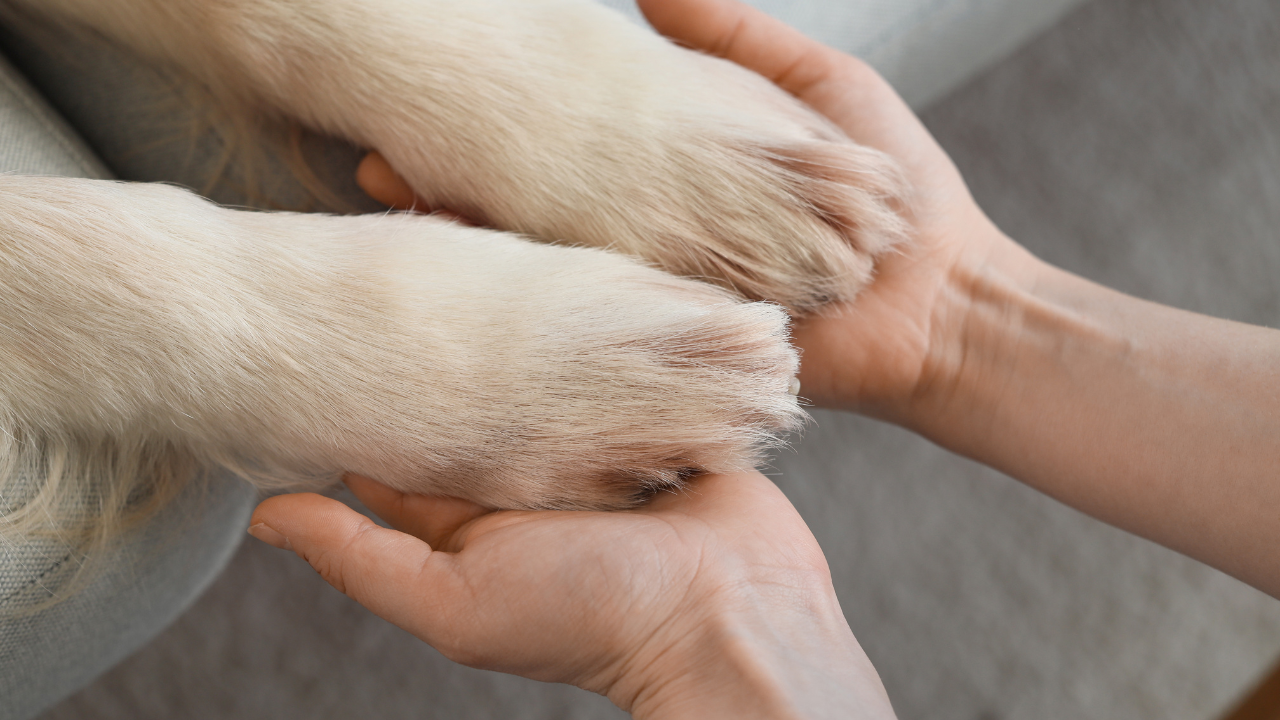
When Should End-Of-Life Planning Begin?
End-of-life planning should ideally begin before your dog is in an active crisis.
Consider beginning the conversation when:
- Your dog has a terminal diagnosis
- Cancer has spread
- Treatment is no longer effective
- Treatment side effects outweigh the expected benefit
- Pain or symptoms are becoming harder to manage
- Your dog is entering hospice
- Appetite, mobility, or breathing is declining
- Emergencies are becoming more frequent
- Your dog’s care needs are increasing rapidly
- You are beginning to wonder whether euthanasia may be approaching
Planning does not mean you have chosen a date.
It means you are gathering information while you still have time to consider your options calmly.
An early plan may help you avoid having to make every decision in an unfamiliar emergency hospital during the middle of the night.
Read More: Hospice Doesn't Mean It's the End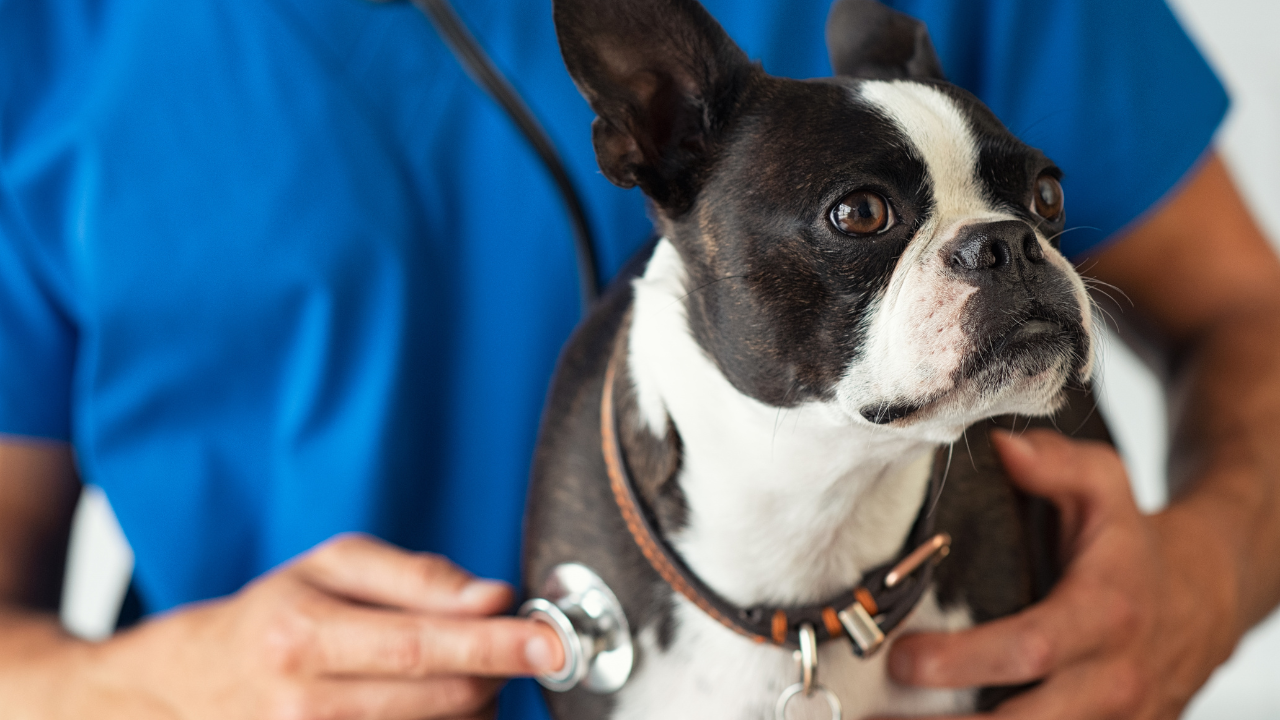
Schedule A Dedicated End-Of-Life Appointment
Ask your veterinarian, oncologist, or hospice veterinarian for an appointment focused specifically on comfort and end-of-life planning.
Bring:
- Your dog’s diagnosis
- Recent test results
- Imaging and pathology reports
- A complete medication list
- Supplements
- Notes about symptoms
- Appetite and weight records
- Quality-of-life observations
- Your questions
- Your concerns about cost, transportation, or home care
Ask the veterinarian to explain:
- How the disease is expected to progress
- Which symptoms are most likely
- Which symptoms can still be relieved
- What a medical crisis might look like
- How to recognize uncontrolled suffering
- When euthanasia may become the kindest option
- Whether in-home hospice is available
- Whether in-home euthanasia is available
- What to do after hours
- What to do if your dog dies at home
It is appropriate to take notes, record the conversation with permission, or bring someone who can help you remember what was discussed.
Ask About The Best, Most Likely, And Worst-Case Outcomes
Uncertainty is one of the hardest parts of end-of-life care.
Ask your veterinarian to describe:
The Best-Case Outcome
What improvement or comfortable time might still be possible?
The Most Likely Outcome
What changes are most likely to occur over the coming days or weeks?
The Worst-Case Outcome
What crisis is possible if the disease progresses suddenly?
Examples might include:
- Severe breathing difficulty
- Internal bleeding
- Collapse
- Uncontrolled pain
- Seizures
- Inability to stand
- Urinary obstruction
- A ruptured mass
- Severe agitation or confusion
Understanding the most likely emergency can help you decide which signs will define your limit.
How Do I Know Whether My Dog’s Quality Of Life Is Declining?
Quality of life is the overall picture of your dog’s comfort, physical function, emotional well-being, and ability to experience meaningful moments.
It cannot be determined by appetite alone or by whether your dog still wags their tail.
Consider all of the following areas.
Pain And Comfort
Ask:
- Can my dog rest comfortably?
- Can pain be controlled for most of the day?
- Is my dog panting, trembling, pacing, or unable to settle?
- Does pain return before the next medication dose?
- Does movement, touch, eating, or toileting cause distress?
Breathing
Ask:
- Can my dog breathe comfortably while resting?
- Is breathing becoming faster or more labored?
- Can my dog lie down and sleep?
- Is coughing interfering with rest?
- Are the gums a normal color?
Breathing distress is an emergency and should not be monitored at home while your dog is struggling.
Appetite
Ask:
- Is my dog willing and able to eat?
- Does eating cause nausea, pain, coughing, or difficulty swallowing?
- Is my dog eating enough to feel reasonably comfortable?
- Has interest in all food disappeared?
Hydration
Ask:
- Can my dog drink?
- Can water be kept down?
- Is dehydration contributing to weakness or discomfort?
- Is excessive thirst creating constant urgency or accidents?
Mobility
Ask:
- Can my dog stand?
- Can they change positions?
- Can they walk or be assisted without severe pain?
- Can they reach the bathroom area?
- Does movement create panic, collapse, or exhaustion?
Bathroom Habits
Ask:
- Can my dog urinate?
- Can stool be passed without severe straining or pain?
- Can accidents be managed while keeping the skin clean and dry?
- Is incontinence causing distress?
Rest And Sleep
Ask:
- Can my dog sleep peacefully?
- Is nighttime filled with pacing, panting, coughing, or confusion?
- Does my dog remain in one position because moving is painful?
Hygiene
Ask:
- Can my dog remain clean and dry?
- Are wounds, urine, stool, or discharge causing skin irritation?
- Can grooming and nursing care be provided without distress?
Mood And Connection
Ask:
- Does my dog respond to my voice or touch?
- Do they seek or accept comfort?
- Are they consistently withdrawn, frightened, confused, or agitated?
- Can they still feel safe within their environment?
Enjoyment
Ask:
- Is there anything my dog still looks forward to?
- Can they enjoy food, affection, sunlight, fresh air, familiar people, or another favorite experience?
- Are meaningful moments still occurring regularly?
Regular quality-of-life assessments can help families notice patterns and have clearer conversations with their veterinary team. They provide structure, but they do not replace an individualized medical assessment.
Use The Dog Cancer Quality Of Life Scale
Define What Makes Life Meaningful For Your Dog
Before a crisis occurs, write down three to five experiences that make your dog feel most like themselves.
These may include:
- Eating voluntarily
- Greeting you
- Resting comfortably
- Going outside
- Enjoying affection
- Watching family activity
- Taking a short walk
- Sniffing the yard
- Sleeping through the night
- Choosing a favorite resting place
- Showing interest in a toy
- Wagging when someone comes home
Then ask:
- Can my dog still enjoy these experiences?
- How often do they occur?
- How much physical effort is required?
- Does my dog appear comfortable during them?
- Is the recovery afterward difficult?
- Are these moments becoming rare?
A dog does not need to have an energetic or perfect day for life to remain meaningful.
A good day near the end of life may be quiet.
It may include a comfortable nap, a favorite bite of food, time in the sun, or resting safely beside someone they love.
Recommended Products to Improve Quality of LifeLook At Patterns, Not Only Individual Moments
One good hour does not always mean the overall decline has reversed.
One difficult morning does not always mean that euthanasia must occur immediately.
Look at the broader pattern:
- Are symptoms becoming harder to control?
- Are medications providing less relief?
- Are comfortable periods becoming shorter?
- Are emergencies happening more often?
- Does your dog recover after a difficult episode?
- Are difficult days becoming more frequent?
- Is one severe symptom overshadowing everything else?
The severity of a symptom matters as much as the number of good and bad days.
A dog may still eat a treat or wag their tail while experiencing serious breathing difficulty, severe pain, or another unacceptable form of distress.
Use daily tracking to support your judgment, but speak with your veterinarian whenever the pattern becomes concerning.
Use the Free Dog Cancer Tracker
Signs Your Dog May Be Nearing The End Of Life
Every dog and disease process is different.
Possible signs of significant decline may include:
- Increasing weakness
- Sleeping most of the day
- Reduced awareness
- Withdrawal from family
- Loss of interest in favorite activities
- Persistent refusal of food
- Difficulty drinking
- Repeated vomiting
- Significant weight or muscle loss
- Inability to stand
- Frequent falls
- Loss of bladder or bowel control
- Difficulty breathing
- Persistent coughing
- Uncontrolled pain
- Restlessness
- Confusion
- Repeated emergencies
- Changes in body temperature
- Poor circulation
- Wounds that are worsening
- More difficult days than comfortable days
These signs do not all occur in every dog, and some may be caused by treatable problems.
Contact your veterinary team when a new or worsening change appears. A veterinarian can help determine whether the symptom can be relieved or whether the illness is entering its final stage.
Read More: Warning Signs Your Dog is Dying and How to Support the End of LifeHow Do I Know When It May Be Time To Say Goodbye?
There is no universal score, date, or symptom that provides the answer for every dog.
Euthanasia may need to be considered when:
- Pain can no longer be adequately controlled
- Breathing is persistently difficult
- Your dog cannot rest
- Food and water intake have stopped
- Severe nausea or vomiting cannot be relieved
- Your dog can no longer stand or toilet without distress
- Confusion or anxiety cannot be controlled
- Wounds repeatedly bleed or cause significant pain
- Emergencies are occurring more frequently
- Your dog no longer experiences meaningful enjoyment
- The care required is creating fear or distress
- Your dog’s needs can no longer be safely met
- Difficult days consistently outweigh comfortable ones
The question is not simply:
“Is my dog still alive?”
A more helpful question may be:
“Can my dog still live with acceptable comfort, dignity, and freedom from overwhelming distress?”
When suffering can no longer be adequately relieved, humane euthanasia may be a compassionate way to prevent further distress.


What If I Am Afraid Of Choosing Too Soon?
Many pet parents fear taking away time their dog could have enjoyed.
You may wonder whether one more day, treatment, medication change, or meal could make a difference.
Ask your veterinarian:
- Is my dog comfortable most of the time?
- Is improvement medically realistic?
- Can the current symptoms be relieved?
- How long might that relief last?
- What crisis may occur if we wait?
- How quickly could the condition change?
- Is my dog experiencing pleasure, or only enduring the day?
- Would planning a peaceful goodbye now prevent a traumatic emergency later?
Choosing euthanasia before every good moment has disappeared does not mean your dog had no quality of life.
It may mean you chose to protect your dog from reaching a point of severe suffering.

What If I Am Afraid Of Waiting Too Long?
This fear is equally common.
You may worry that your hope, grief, or inability to imagine life without your dog could cause you to overlook suffering.
Consider:
- Whether symptoms are controlled between medication doses
- Whether your dog can breathe comfortably
- Whether rest is possible
- Whether appetite reflects enjoyment or only occasional interest
- Whether movement creates pain or fear
- Whether your dog can recover after difficult episodes
- Whether the current plan can be sustained safely
- Whether you are waiting for a sign that may arrive as a crisis
Ask the veterinarian to help you identify a clear limit in advance.
For example:
- Another episode of internal bleeding
- Inability to breathe comfortably
- Pain that no longer responds to medication
- Inability to stand
- Complete food refusal for a medically defined period
- Repeated seizures
- Loss of awareness or persistent panic
A defined limit can provide guidance when emotions make the picture difficult to interpret.
Euthanasia Is A Personal Decision, But It Should Not Be A Solitary One
Speak openly with:
- Your primary veterinarian
- Veterinary oncologist
- Hospice veterinarian
- Family members
- A pet-loss counselor
- A trusted friend
- A spiritual or cultural advisor when meaningful to you
Your veterinarian can provide medical information about suffering, prognosis, and available options.
Your family can help you think about your dog’s personality, routines, and most meaningful experiences.
You remain your dog’s advocate, but you do not have to carry the decision without support.
What Is Veterinary Euthanasia?
Veterinary euthanasia is a medically supervised process intended to allow an animal to die without prolonged pain or distress.
The details vary by veterinarian, setting, and your dog’s medical condition.
In many cases, the process includes:
- Time to settle into the environment
- Placement of an intravenous catheter, when appropriate
- A sedative or anesthetic medication
- Time for your dog to become deeply relaxed or unconscious
- Administration of the euthanasia medication
- Confirmation by the veterinarian that the heart has stopped
Ask your veterinarian to explain their exact process before the appointment.
The goal of humane euthanasia is to relieve suffering and allow a peaceful death under veterinary supervision.
What Might Happen During Or After Euthanasia?
Understanding possible physical changes can prevent an unexpected moment from becoming frightening.
After unconsciousness or death, you may notice:
- The eyes remaining partly open
- A final deep breath or reflexive movement
- Muscle twitching
- Release of urine or stool
- The body becoming completely relaxed
- The tongue or gums changing color
- The body gradually becoming cooler
These changes do not necessarily indicate awareness or suffering.
Ask your veterinarian to explain what you may see and how they will confirm that your dog has passed.
You may stay for as much or as little of the process as feels right for you.
There is no single correct way to say goodbye.
Should I Choose Euthanasia At Home Or At A Clinic?
Both settings can provide a peaceful goodbye.
In-Home Euthanasia
Potential benefits may include:
- Familiar surroundings
- No stressful car ride
- More privacy
- Fewer time pressures
- Family members gathering comfortably
- Your dog resting in a favorite place
- Other pets remaining nearby
Possible limitations may include:
- Higher cost
- Limited availability
- Travel distance
- Difficulty scheduling urgently
- No immediate hospital support if a crisis occurs before the appointment
Euthanasia At A Veterinary Clinic
Potential benefits may include:
- Familiar veterinary staff
- Immediate access to medical support
- Easier scheduling
- Lower cost in some areas
- Availability during emergencies
- Established aftercare arrangements
Possible challenges may include:
- Travel stress
- Waiting-room anxiety
- Less privacy
- An unfamiliar environment
Ask whether the clinic offers:
- A private entrance
- A quiet room
- Direct room placement
- Payment before the appointment
- Additional time with your dog
- A blanket or comfortable floor space
- Outdoor euthanasia
- Sedation before catheter placement
The best setting is the one that can safely provide your dog with comfort and your family with appropriate support.
Plan Before An Emergency
Write down:
- Your primary veterinarian’s number
- The oncology clinic’s number
- The nearest emergency hospital
- A hospice provider
- An in-home euthanasia provider
- Available after-hours services
- A transportation plan
- Your dog’s diagnosis
- Your dog’s medication list
- Your wishes regarding resuscitation
- Your preferred aftercare option
Ask:
- Can the in-home provider respond on weekends?
- How much notice is usually required?
- What happens if my dog declines overnight?
- Does the emergency hospital provide euthanasia?
- Can our regular veterinarian help if the home provider is unavailable?
- What should we bring?
- Can aftercare be arranged in advance?
A backup plan is important even when you hope to have a scheduled goodbye at home.
What About A Natural Death At Home?
Some families hope their dog will pass naturally while sleeping.
A natural death is possible, but it cannot be assumed to be quick or peaceful.
The dying process may involve:
- Breathing changes
- Anxiety or agitation
- Pain
- Confusion
- Weakness
- Incontinence
- Seizures
- Circulatory changes
- Hours or days of progressive decline
A natural death should not mean leaving a dog to die without veterinary care.
Families choosing hospice-supported natural death need:
- Veterinary supervision
- Effective symptom medication
- Clear emergency instructions
- Regular reassessment
- A plan if suffering can no longer be controlled
- Access to euthanasia if the process becomes distressing
Veterinary hospice may support a natural death or euthanasia, but comfort must remain the priority. Natural death is not automatically gentler than medically assisted death.
Discuss this option honestly with a veterinarian experienced in hospice care.
Preparing For Your Dog’s Final Day
There is no requirement to create a perfect final day.
Your dog may not feel well enough for a long bucket list, travel, visitors, or a large meal.
Focus on comfort.
You might choose:
- A favorite safe food
- Time in the yard
- A familiar blanket
- A gentle car ride
- Sitting in the sun
- Quiet time together
- A visit from someone your dog loves
- A final photograph
- A paw print
- A lock of fur
- A letter read aloud
- Music
- A prayer or family ritual
- Simply resting beside one another
Follow your dog’s lead.
A peaceful, ordinary day may be more meaningful than an elaborate event.
Your presence is enough.
Decide Who Should Be Present
Consider:
- Who helps your dog feel safe?
- Who wants the opportunity to say goodbye?
- Who can remain calm enough to avoid increasing your dog’s anxiety?
- Would too many people feel overwhelming?
- Does anyone need a private goodbye beforehand?
- Would a video call help someone who cannot attend?
A person who cannot be present during euthanasia may still say goodbye earlier.
No one should be forced to attend.
No one should be shamed for needing to leave the room.
Love is not measured by where someone stands during the final moment.

Helping Children Say Goodbye
Children may understand death differently depending on their age and development.
Use clear, honest language.
You might say:
“Our dog’s body is very sick, and the veterinarian cannot make it better. We are going to help them die peacefully so they do not have to keep hurting.”
Avoid phrases such as:
- “Going to sleep”
- “Being put to sleep”
- “Going away”
- “The doctor is taking them”
Young children may associate those phrases with normal sleep, separation, or medical appointments.
Allow children to choose whether they want to:
- Say goodbye before the appointment
- Draw a picture
- Write a letter
- Choose a blanket
- Select a favorite photograph
- Be present for part of the process
- Participate in a memorial afterward
Prepare them for what they may see in age-appropriate terms.
A child may cry, ask repeated questions, appear unaffected, or return quickly to play.
These can all be normal responses.
Helping Other Pets
Other pets may notice changes before and after a dog dies.
They may respond by:
- Searching
- Vocalizing
- Sleeping more
- Eating less
- Becoming clingy
- Appearing restless
- Spending time in the deceased dog’s usual places
- Showing little visible reaction
Maintain familiar routines as much as possible.
Monitor appetite, bathroom habits, sleep, and behavior.
Some families allow another pet to calmly approach the body after death. This is optional and should only occur when the setting is safe and the other animal is not distressed or disruptive.
Contact a veterinarian if another pet stops eating, becomes ill, or develops a persistent behavioral change.
Choose Aftercare In Advance
Making aftercare decisions before the final appointment can reduce pressure during the first moments of grief.
Options may include:
Private Cremation
Your dog is cremated separately, and the ashes are returned to you.
Ask:
- How are remains identified?
- When will the ashes be returned?
- Which urn options are available?
- Is pickup or delivery included?
Communal Cremation
Several animals are cremated together, and individual ashes are not returned.
Ask whether the remains are scattered or handled in another respectful way.
Home Burial
Home burial laws vary by location.
Before choosing this option:
- Check local and state laws
- Consider property ownership
- Ask about required depth or distance from water
- Consider wildlife and future property changes
- Ask whether burial is safe after euthanasia medication
Pet Cemetery Burial
A pet cemetery may offer:
- A dedicated gravesite
- A marker
- Ongoing maintenance
- Visitation
- Memorial services
Aquamation
Aquamation, also called alkaline hydrolysis, uses water and an alkaline process rather than flame.
Availability varies by region.
Body Donation
Some veterinary schools or research programs accept donations under specific circumstances.
Arrangements usually need to be made in advance.
Ask your veterinarian what options are available locally and what each one costs.
Memorial Keepsakes To Consider
You may wish to request:
- A clay paw print
- An ink paw print
- A nose print
- A lock of fur
- A collar or identification tag
- A favorite blanket
- A photograph
- A custom urn
- Memorial jewelry
- A planted tree or garden
- A donation in your dog’s name
- A written tribute
- A memory box
Ask before the appointment which keepsakes the clinic or cremation provider supplies.
Some items must be requested before your dog leaves your care.

Create A Dog Rainbow Bridge Memorial
Your dog’s story is larger than the illness that brought you to this page.
Dog Rainbow Bridge gives you a free, dedicated place to:
- Share your dog’s photograph
- Tell their story
- Preserve favorite memories
- Describe what made them special
- Invite family and friends to leave messages
- Create a memorial that does not disappear beneath newer social media posts
You may create the memorial before or after your dog passes.
There is no deadline for honoring a life that mattered.
Create A Free Dog Memorial
Anticipatory Grief Before The Loss
Grief often begins before death.
You may already be grieving:
- Your dog’s former energy
- Familiar routines
- Future plans
- The expected loss
- Changes in personality or ability
- The role your dog has held in your life
- The feeling of safety or companionship they provided
You may experience:
- Sadness
- Anxiety
- Anger
- Guilt
- Numbness
- Exhaustion
- Difficulty concentrating
- Panic when symptoms change
- Dread before appointments
- Guilt when you enjoy a good moment
- Fear about life afterward
This is anticipatory grief.
It does not mean you have stopped hoping or loving your dog.
It means your heart is beginning to understand what may be coming.
Read More: Grieving a Dog Who's Still Here: Understanding Anticipatory GriefGuilt And Second-Guessing
You may wonder:
- Did I choose too soon?
- Did I wait too long?
- Should I have tried another treatment?
- Did my dog know how much I loved them?
- Was I calm enough?
- Did I make the final day special enough?
- Should I have noticed something earlier?
- Did I cause the cancer?
- What if I made the wrong decision?
Grief often searches for certainty after a situation filled with uncertainty.
Try to remember:
- You made decisions with the information available at the time.
- Your choices were shaped by love and concern for your dog’s comfort.
- There may not have been a painless or perfect option.
- One difficult moment does not erase a lifetime of care.
- Relief that suffering has ended does not mean you wanted your dog to die.
- Continuing to question the decision does not prove the decision was wrong.
Speak with your veterinarian, a pet-loss counselor, or someone who understands the human-animal bond when guilt becomes overwhelming.
Caring For Yourself During The Final Stage
End-of-life caregiving may involve:
- Interrupted sleep
- Lifting and mobility assistance
- Cleaning accidents
- Medication schedules
- Wound care
- Financial pressure
- Frequent veterinary calls
- Constant observation
- Difficult family conversations
- Fear of leaving the house
Caregiver exhaustion does not mean you love your dog less.
Ask for help with:
- Meals
- Medication
- Transportation
- Laundry
- Bathroom trips
- Sitting with your dog while you rest
- Childcare
- Appointment notes
- Aftercare arrangements
A sustainable plan matters.
Your physical, emotional, financial, and practical limits are valid parts of the end-of-life conversation.
Read More: Understanding Pet Caregiver Burden
Create An End-Of-Life Plan
Use this checklist with your veterinary team.
Medical Plan
- Current diagnosis
- Expected disease progression
- Pain-management plan
- Nausea and appetite plan
- Breathing plan
- Anxiety plan
- Breakthrough medication instructions
- Medications that must not be stopped suddenly
- Recheck schedule
Quality-Of-Life Plan
- Your dog’s most meaningful activities
- Signs of a comfortable day
- Signs of a difficult day
- Symptoms that should prompt a call
- Symptoms that define your limit
- How often the quality-of-life scale will be completed
Emergency Plan
- Regular veterinarian
- Emergency hospital
- Hospice provider
- In-home euthanasia provider
- Backup euthanasia option
- Transportation plan
- Resuscitation preferences
- Financial limits
Goodbye Plan
- Home or clinic
- Who will attend
- Children’s involvement
- Other pets
- Favorite blanket or bed
- Sedation preferences
- Religious, spiritual, or cultural wishes
- Keepsakes
- Photographs
Aftercare Plan
- Private or communal cremation
- Burial
- Cemetery
- Aquamation
- Body donation
- Urn or memorial selection
- Who will receive the remains
- Dog Rainbow Bridge memorial
A written plan can be changed whenever your needs or your dog’s condition changes.
Questions To Ask Your Veterinarian
Questions About The Disease
- What changes are most likely next?
- How quickly could my dog decline?
- Which symptoms may still be treated?
- What is the most likely emergency?
- What would a natural death from this condition involve?
Questions About Comfort
- Is my dog in pain?
- Can the pain be adequately controlled?
- Is my dog struggling to breathe?
- Which medications should we have at home?
- What should I do if my dog cannot swallow medication?
- How will I recognize breakthrough distress?
Questions About Timing
- What signs would make you recommend euthanasia?
- Are we approaching that point now?
- Is improvement medically realistic?
- What may happen if we wait?
- Which symptom should define our limit?
- How can we avoid an emergency goodbye?
Questions About Euthanasia
- Do you provide in-home euthanasia?
- Who provides it locally?
- Is sedation given first?
- What should we expect?
- Can family members be present?
- Can children attend?
- Can another pet be present?
- How much time can we spend afterward?
- What happens if my dog declines after hours?
Questions About Aftercare
- Which cremation options are available?
- How are remains identified?
- Can we receive a paw print or fur clipping?
- When will the ashes be returned?
- Is home burial legal and safe in our area?
- Are aquamation or cemetery burial available?
Frequently Asked Questions
How Do I Know Whether My Dog Is Dying?
Possible signs include increasing weakness, reduced awareness, withdrawal, refusal of food or water, difficulty standing, breathing changes, incontinence, uncontrolled pain, restlessness, or repeated medical crises.
These signs may also have treatable causes.
Contact your veterinarian for an individualized assessment.
Does My Dog Have To Stop Eating Before It Is Time?
No.
Appetite is only one part of quality of life.
A dog may still eat while experiencing severe pain, breathing difficulty, confusion, or another serious form of distress.
Does Tail Wagging Mean My Dog Is Still Happy?
A tail wag can reflect connection or response, but it should not be used as the only measure of quality of life.
Consider the entire day, including pain, breathing, mobility, appetite, rest, and enjoyment.
Should I Wait Until My Dog Has No Good Days?
Not necessarily.
Waiting until every good moment is gone may increase the risk of a painful crisis.
Discuss the expected progression and your dog’s individual limits with your veterinarian.
Is Euthanasia Painful?
Veterinary euthanasia is intended to prevent pain and distress.
Many veterinarians administer sedation first so the dog becomes deeply relaxed or unconscious before the final medication is given.
Ask your veterinarian to explain their process.
Will My Dog Know What Is Happening?
Your dog may recognize familiar people, voices, touch, and surroundings.
The goal of sedation is to reduce anxiety and awareness before the euthanasia medication is administered.
Should I Stay During Euthanasia?
The decision is personal.
Some people want to remain throughout the process. Others say goodbye before the final medication or step out after sedation.
Your love is not measured by this decision.
Can Euthanasia Be Performed At Home?
Yes, in-home euthanasia is available in many areas.
Availability, cost, travel range, and after-hours service vary.
Plan in advance and identify a backup option.
What Happens If My Dog Has A Crisis Before The Scheduled Appointment?
Call your veterinarian or emergency hospital immediately.
Tell them your dog has a terminal condition and that your priority is comfort.
Do not wait for the scheduled appointment when your dog is actively suffering.
Is A Natural Death More Peaceful?
Not always.
Some natural deaths involve prolonged breathing difficulty, pain, seizures, anxiety, or other distress.
A hospice veterinarian can explain what may occur with your dog’s condition and help you create a medically supervised plan.
Can I Change My Mind About The Date?
Yes.
A scheduled appointment may sometimes be moved earlier or later depending on your dog’s condition and provider availability.
Contact the veterinarian immediately when your dog’s comfort changes.
What If My Dog Has A Good Day After I Schedule Euthanasia?
A good day does not erase the overall medical pattern.
Discuss the change with the veterinarian rather than making the decision based only on one moment.
Will My Other Dog Understand?
Other animals may react in different ways.
Maintain familiar routines, offer reassurance, and monitor for persistent appetite or behavior changes.
When Should I Decide About Cremation Or Burial?
Whenever possible, make the decision before euthanasia or death.
Planning early can reduce pressure during the first moments of grief.
Is It Normal To Feel Relief After My Dog Dies?
Yes.
Relief that your dog is no longer suffering may exist alongside intense grief.
It does not mean you loved your dog less.
How Long Will Grief Last?
There is no universal timeline.
Grief may change over time, return in waves, and become more intense around routines, anniversaries, photographs, or reminders.
Seek support when grief feels unmanageable or significantly interferes with daily life.
You Do Not Have To Create A Perfect Goodbye
There may be moments you wish had gone differently.
The appointment may happen sooner than expected.
Your dog may not want the special meal.
Someone may not arrive in time.
You may cry, freeze, second-guess yourself, or struggle to find the words you planned to say.
None of these things erase the life you shared.
Your dog’s understanding of love was built across thousands of ordinary moments:
- Meals
- Walks
- Car rides
- Quiet evenings
- Familiar routines
- Your voice
- Your touch
- The safety of being beside you
The final moment is important, but it is not the only measure of your relationship.
Your dog’s life was the whole story.
And throughout that story, they were loved.
Explore End of Life ArticlesThe information on this page is intended for educational and supportive purposes only.
It does not diagnose illness, determine quality of life, prescribe treatment, or decide whether euthanasia is appropriate for an individual dog.
End-of-life care, pain management, hospice, medication decisions, and euthanasia should be discussed with a licensed veterinarian who can evaluate your dog directly.
Do not begin, stop, increase, decrease, combine, crush, split, or change any medication without veterinary instructions.
Seek immediate veterinary care for difficulty breathing, blue or gray gums, collapse, loss of consciousness, uncontrolled bleeding, severe pain, repeated seizures, sudden abdominal swelling, inability to urinate, choking, repeated vomiting with weakness, or another potentially life-threatening symptom.
