
Squamous Cell Carcinoma in Dogs
A Cancer Type with Varied Locations
Squamous cell carcinoma is not one disease with one outlook. Where it appears determines almost everything about how it behaves and what treatment achieves.
A crusted lesion on a white dog's belly and a mass on the tonsil are both squamous cell carcinoma. One is often removed completely and never returns. The other is among the more difficult diagnoses in this library. Survival figures from one are meaningless applied to the other.
The common thread is that this cancer is usually locally aggressive, it invades surrounding tissue including bone, while spreading to distant organs comparatively slowly for most locations. That combination means local control is usually the battle, and where local control is achieved, dogs often do well.
Find your dog's location below before reading anything else.
Where it is decides what it means...
Skin: Often related to sun exposure. Frequently removed completely with an excellent outlook.
Mouth, front portion: Locally invasive, often involving bone, but spreads slowly. Removable tumors can do very well.
Tonsil: Behaves quite differently from the rest of the mouth. Spreads early and widely. The most serious form.
Toe or nail bed: Aggressive locally and often destroys bone. Frequently mistaken for infection for months.
Nose or nasal planum: The hairless leather of the nose. Sun-related, locally destructive, spreads slowly.
If you do not yet know which location applies, or what your dog's report means, ask your veterinarian to be specific before drawing conclusions from figures found online.
What Squamous Cell Carcinoma Is
Squamous cells make up the surface layer of skin and the lining of the mouth, nose, and other body surfaces. Squamous cell carcinoma arises from these cells, which is why it appears wherever they occur.
Ultraviolet light is a well-established cause for tumors on lightly pigmented, thinly haired skin. This is one of the few canine cancers with a clear environmental driver and, correspondingly, one of the few where prevention is genuinely possible.
Papillomavirus has been associated with some multiple-lesion presentations in dogs.
Skin Squamous Cell Carcinoma
What it looks like
Lesions appear on lightly pigmented, thinly haired areas — the belly, inner thighs, groin, and around the eyes and lips. They can look like:
- A raised, firm, reddened plaque
- A crusted or scabbed area that does not heal
- An ulcerated sore
- A wart-like growth
A sore that will not heal is the single most useful thing to watch for. Lesions in these areas are frequently treated as infections or irritations for weeks before anyone samples them.
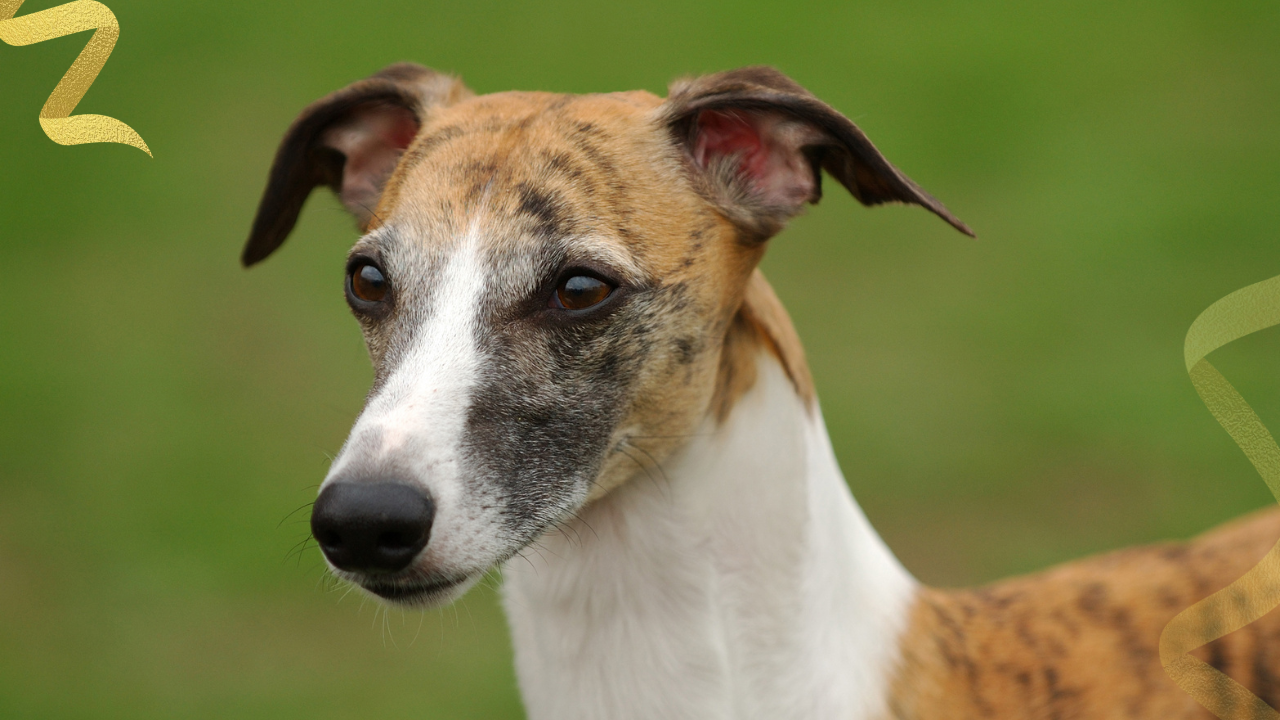
Dogs at higher risk include those with white or thin coats and pink skin — Dalmatians, Bull Terriers, Whippets, Beagles, and American Staffordshire Terriers among them. Dogs who sunbathe on their backs are particularly exposed.
Sun-related lesions often begin as areas of reddened, thickened skin called actinic keratosis, which is a precancerous change. If your veterinarian identifies actinic damage, that is an opportunity — those areas can be monitored and treated before cancer develops.
Treatment and outlook
Surgical removal with adequate margins is the treatment, and for skin lesions the outlook is generally excellent. Spread to lymph nodes or distant organs is uncommon, and complete removal frequently means the lesion never returns.
Where surgery is not practical, options include cryotherapy for small superficial lesions, radiation, photodynamic therapy, and topical treatments at some centers.
Because sun exposure is the underlying cause, new lesions commonly appear elsewhere over time. This is not the original tumor spreading — it is new disease in similarly damaged skin, and each new lesion is treated on its own.
Prevention that actually works
This is one of the few places in this library where prevention is straightforward and effective:
- Limit sun exposure between mid-morning and late afternoon
- Provide shade in outdoor areas
- Use dog-safe sunscreen on exposed pink skin, applied where your dog cannot immediately lick it off
- Consider lightweight protective clothing for dogs who sunbathe
- Check pale-skinned areas regularly and have any non-healing lesion sampled
For a white-coated dog who has had one of these lesions, these measures meaningfully reduce the chance of more.
Oral Squamous Cell Carcinoma
Squamous cell carcinoma is one of the most common malignant oral tumors in dogs. It arises on the gums, the tissue around the teeth, the tongue, or the roof of the mouth.
It is locally invasive and frequently involves the underlying bone. It spreads to lymph nodes and distant organs comparatively slowly, which is what makes aggressive local treatment worthwhile.
Signs
- A mass in the mouth, often pink, red, or cauliflower-like in texture
- Bad breath
- Drooling, sometimes blood-tinged
- Difficulty eating or chewing on one side
- Loose teeth, or a tooth lost without explanation
- Bleeding from the mouth
- Facial or jaw swelling
- Pawing at the mouth
- Weight loss
Lifting your dog's lips and checking the gums once a month takes seconds and is the most useful screening habit for any oral tumor. Size at diagnosis strongly influences the outcome.
Treatment
Surgery is the primary treatment. Because these tumors invade bone, adequate removal often means taking a portion of the upper or lower jaw.
That prospect alarms families more than almost anything else in veterinary oncology, and the reality is considerably better than it sounds. Most dogs eat within a day or two of surgery, many return to eating normally including dry food, and appearance changes less than expected. Dogs show no distress about how they look.
Where the tumor is at the front of the mouth and can be removed completely, the outlook is genuinely good, reported survival frequently exceeds a year and often considerably longer. Tumors at the back of the mouth are harder to remove adequately and do less well.
Radiation is used where surgery is not possible or margins were incomplete, and achieves useful local control.
Tumors of the tongue are treated by partial removal where feasible. Dogs adapt to partial tongue removal better than expected, though eating and drinking may need adjustment.
Outlook
Determined largely by location within the mouth and whether complete removal is achievable. Front-of-mouth tumors removed completely do well. Tumors further back, or those that cannot be fully removed, carry a more guarded outlook measured in months.
Because spread is slow, local control is the deciding factor, which is the opposite of oral melanoma, where spread usually determines the outcome.
Digital Squamous Cell Carcinoma
Squamous cell carcinoma is the most common tumor of the canine toe. It typically arises in the nail bed, destroys the underlying bone, and is frequently misdiagnosed.
Signs
- A swollen toe
- A lost toenail, or a nail that grows deformed
- Lameness
- An ulcerated or bleeding area at the nail base
- A discharging tract that does not resolve with antibiotics
A toe or nail bed problem that has not resolved after a course of antibiotics should be X-rayed and biopsied rather than treated again. These lesions look convincingly like infection, and months are commonly lost treating them as such. X-rays typically show destruction of the bone within the toe.
Large black-coated breeds are affected disproportionately — Standard Poodles, Giant Schnauzers, Rottweilers, Labrador Retrievers, and Briards. In these breeds multiple toes can be affected over time, sometimes on different feet, and each occurrence is generally new disease rather than spread.
Treatment and outlook
Amputation of the affected toe is the standard treatment and is well tolerated. Dogs walk normally afterwards with minimal functional impact.
Spread occurs in a minority of dogs, most often to the local lymph node and lungs, so chest imaging and node assessment are part of staging. Reported survival after toe amputation is generally good, with a substantial proportion of dogs alive well beyond a year, and better than for digital melanoma.
For the predisposed black-coated breeds, check the feet regularly — any swollen toe or abnormal nail warrants examination rather than watching.
Tonsillar Squamous Cell Carcinoma
This deserves separating from the rest of the mouth, because it behaves very differently.
Tonsillar squamous cell carcinoma spreads early and extensively. By the time it is diagnosed, the large majority of dogs have involvement of regional lymph nodes, and distant spread is common.
Signs include difficulty swallowing, gagging or retching, a change in bark, drooling, coughing, weight loss, and swelling under the jaw or in the neck from enlarged lymph nodes. It is often found late because the tonsils are not easily visible.
Treatment is generally not surgical, since complete removal is rarely achievable. Radiation and chemotherapy are used, primarily to slow progression and relieve symptoms.
The outlook is poor, commonly measured in months even with treatment. This is honest information rather than a reason to abandon treatment, palliative approaches can improve comfort and swallowing meaningfully, but the numbers from other locations on this page do not apply here.
Nasal Planum Squamous Cell Carcinoma
The nasal planum is the hairless leather of the nose. Squamous cell carcinoma here is sun-related and occurs most often in dogs with pale or unpigmented noses.
Signs begin as crusting, redness, or a loss of the normal cobblestone texture, progressing to erosion and ulceration. Early changes are commonly mistaken for a minor irritation or an immune-mediated skin condition.
Treatment is surgical removal, which for anything beyond a superficial lesion means removing a portion of the nose; a procedure called nosectomy. Families find this prospect distressing, and again the reality is better than expected: dogs breathe, smell, and function normally afterward, and adapt without difficulty. Appearance is changed, but dogs are indifferent to it.
Radiation, cryotherapy, and photodynamic therapy are alternatives for superficial lesions.
The outlook after complete removal is good. These tumors are locally destructive but spread slowly, so adequate local treatment often gives long-term control.
Sun protection afterward matters, for the same reasons as skin lesions.
How Squamous Cell Carcinoma Is Diagnosed
Fine needle aspiration may suggest the diagnosis but is often inconclusive for this tumor, particularly where there is surface infection or inflammation.
Biopsy is the definitive test and is usually needed. For toe lesions this typically follows X-rays showing bone destruction.
X-rays or CT assess bone involvement, which is important for oral, nasal, and digital tumors and shapes what surgery can achieve.
Staging includes assessment of regional lymph nodes and chest imaging. How extensive this needs to be depends on location: Thorough for tonsillar and digital tumors, less so for skin lesions.
What Treatment is Actually Like For Your Dog
Skin surgery is usually straightforward, with ten to fourteen days of restricted activity and a recovery collar.
Toe amputation is a minor procedure. Dogs walk normally afterwards.
Jaw surgery produces more anxiety than almost anything else in this library. Most dogs eat within one to two days, many return to their normal diet including dry food, and pain is managed effectively. Some drool more than before. Dogs show no distress about their changed appearance.
Nose surgery is likewise better tolerated than it sounds. Breathing and the sense of smell are preserved.
Radiation involves a series of brief sessions under light anaesthesia. Treated skin or oral tissue becomes sore and inflamed for a period afterwards and settles over several weeks, managed with pain relief and softened food.
Chemotherapy, where used, is dosed for quality of life rather than for eliminating the disease at any cost. Most dogs experience no significant side effects and most do not lose their coat.
Integrative and Supportive Care
For oral tumors, the highest-value supportive measures concern eating and mouth comfort, softened or wet food, smaller frequent meals, and warming food to increase aroma. Pain relief should be actively managed rather than treated as secondary.
For skin and nasal lesions, sun protection going forward genuinely reduces the chance of new disease.
Wound care matters for ulcerated lesions anywhere. Keep areas clean, follow your veterinary team's instructions, and report worsening odor or discharge, which can indicate infection.
Be cautious with supplements affecting clotting around surgery, and discuss antioxidant products with your oncologist if your dog is receiving radiation.
No supplement, herb, or diet has been shown to treat squamous cell carcinoma in dogs.
Comfort Care Alone
For advanced disease, or an older dog with other serious conditions, comfort-focused care is a legitimate path.
The priorities depend on location: pain control and the ability to eat for oral tumors, wound care and odour management for ulcerated skin lesions, and swallowing comfort for tonsillar disease.
Palliative radiation is worth asking about even where treatment aimed at survival is not being pursued, since shrinking a tumor can relieve pain and improve eating or swallowing.
What It Costs
Costs vary by region and practice type. Ask for a written estimate.
- Biopsy: approximately $300 to $800
- Staging including chest imaging and node assessment: approximately $600 to $1,500
- CT: approximately $1,500 to $3,000
- Skin lesion removal: approximately $500 to $2,000
- Toe amputation: approximately $1,000 to $2,500
- Partial jaw removal: approximately $3,000 to $7,000
- Nosectomy: approximately $3,000 to $6,000
- Radiation: approximately $3,000 to $8,000
- Chemotherapy: approximately $2,000 to $5,000
Living With It Day-to-Day
For sun-related disease, sun protection becomes ongoing. Shade, timing of outdoor access, and dog-safe sunscreen on pale skin all reduce the chance of new lesions.
Check regularly: Pale-skinned areas, the mouth, and the feet, depending on where your dog's tumor was. New lesions in sun-damaged skin are common and are new disease rather than spread.
Report to your veterinary team: any non-healing sore, new mass in the mouth, swollen toe or abnormal nail, difficulty eating or swallowing, changes to the nose surface, or swelling under the jaw.
Recheck schedules depend on location and are more intensive for tonsillar and digital tumors.
Get the Dog Cancer Tracker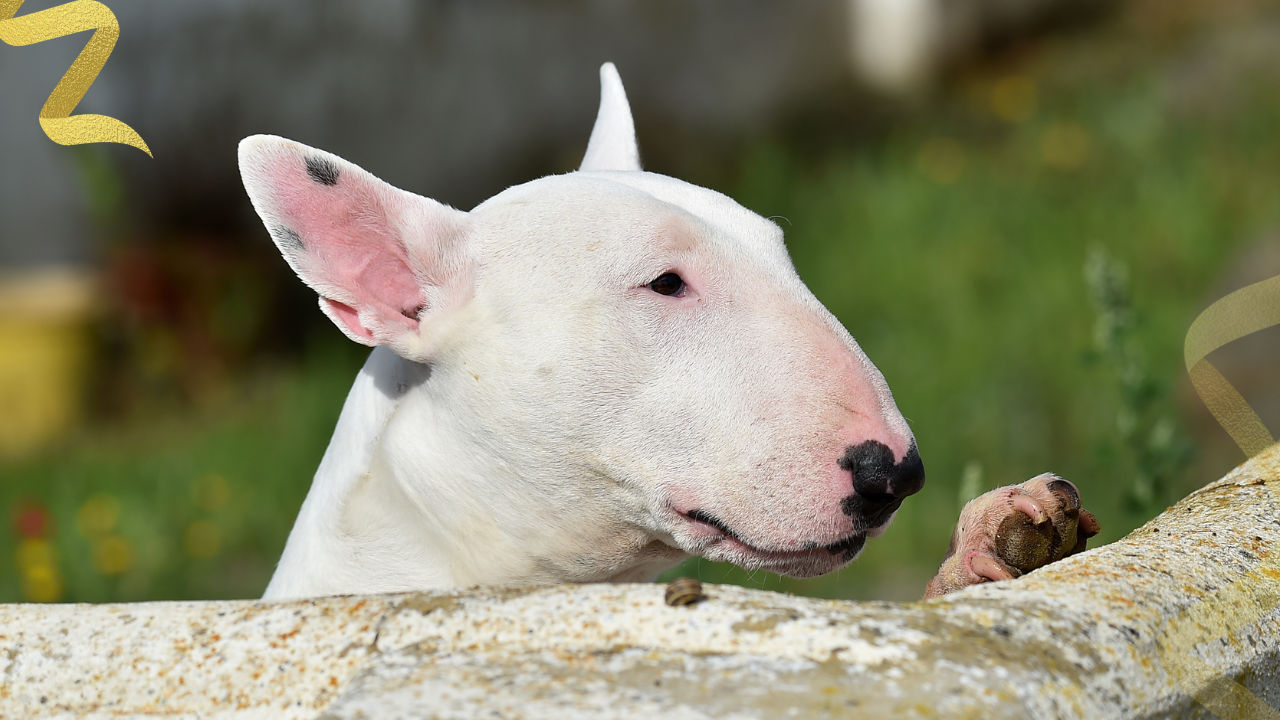
Questions Worth Asking Your Veterinarian
- Where exactly is this, and how does that location typically behave?
- Is bone involved, and would imaging change the surgical plan?
- Can this be removed with clean margins, and what would that involve?
- If it is on a toe, have X-rays been done to check the bone?
- Have the lymph nodes been assessed?
- If surgery is not possible, is radiation available?
- For sun-related disease, what protection do you recommend going forward?
- How often should we recheck, and what should I watch for?
Thinking About Quality of Life
For skin, nasal, and digital tumors treated successfully, this section will usually not apply.
For oral and tonsillar disease, the quality-of-life measures are eating, swallowing, pain, and mouth odour or bleeding. A dog struggling to eat declines quickly, so raise these promptly rather than adapting around them.
Track your dog weekly across a few consistent dimensions — comfort, appetite and ability to eat, energy, engagement with the family, and whether good days still outnumber bad. Written notes are more reliable than memory.
Ask your veterinary team what to expect as this progresses. For tonsillar disease in particular, knowing the likely course in advance makes the eventual decisions considerably easier.
Common Questions
Is squamous cell carcinoma in dogs serious? It depends almost entirely on location. Skin lesions removed completely often never return and carry an excellent outlook. Oral tumors at the front of the mouth can do well with surgery. Tonsillar tumors are serious and carry a poor outlook. Location determines nearly everything.
My dog has a sore that will not heal. Should it be checked? Yes. A non-healing sore, particularly on pale thin-coated skin or the nose, is the classic presentation and is commonly treated as an infection for weeks first. Ask for it to be sampled.
My dog's toe has been treated for infection for months without improving. Could it be cancer? It could. Squamous cell carcinoma is the most common canine toe tumor and closely resembles a nail bed infection. A toe problem that has not resolved after appropriate antibiotics should be X-rayed and biopsied.
Will my dog be able to eat after jaw surgery? Almost certainly. Most dogs eat within a day or two and many return to normal food including dry kibble. Dogs adapt far better than families expect and show no distress about their appearance.
Can my dog smell after part of the nose is removed? Yes. Dogs breathe and smell normally after nosectomy. The appearance changes, but function is preserved and dogs are indifferent to how they look.
My white dog keeps getting new lesions. Is the cancer spreading? Usually not. New lesions in sun-damaged skin are new disease rather than the original tumor spreading, which is why each is treated on its own and why sun protection matters going forward.
Does sun protection actually help? Yes, for the sun-related forms on pale skin and the nose. This is one of the few canine cancers with a clear preventable cause, and shade, timing, and dog-safe sunscreen genuinely reduce the risk of new lesions.
The Research
Belluco S, Brisebard E, Watrelot D, Pillet E, Marchal T, Ponce F. Digital squamous cell carcinoma in dogs: epidemiological, histological, and immunohistochemical study. Vet Pathol. 2013 Nov;50(6):1078-82. doi: 10.1177/0300985813490757. Epub 2013 Jun 4. PMID: 23735617.
Boss MK, Harrison LG, Gold A, Karam SD, Regan DP. Canine oral squamous cell carcinoma as a spontaneous, translational model for radiation and immunology research. Front Oncol. 2023 Jan 9;12:1033704. doi: 10.3389/fonc.2022.1033704. PMID: 36698398; PMCID: PMC9868558.
de Castro Cunha RM, Lavalle GE, Nunes FC, de Oliveira AR, de Lima Santos R, de Araújo RB. Canine squamous cell carcinoma: Electrochemotherapy association with surgery and correlation with overall survival. Vet Comp Oncol. 2023 Jun;21(2):240-254. doi: 10.1111/vco.12882. Epub 2023 Mar 5. PMID: 36745052.
Jiménez-Alonso AA, Pérez-Santana CG, Cazorla-Rivero SE, Rodríguez-Esparragón F, Rodríguez Grau-Bassas E. Clinical Staging and Histopathological Grading of Inguinal Squamous Cell Carcinoma in Dogs: A Case Series Study. Vet Med (Auckl). 2025 May 28;16:1-8. doi: 10.2147/VMRR.S500469. PMID: 40464040; PMCID: PMC12127521.
Marconato L, Murgia D, Finotello R, Meier V, Morello EM, Pisoni L, Foglia A, Guerra D, Chalfon C, Aralla M, Mesto P, Annoni M, Albanese F, Bettini G, Sabattini S. Clinical Features and Outcome of 79 Dogs With Digital Squamous Cell Carcinoma Undergoing Treatment: A SIONCOV Observational Study. Front Vet Sci. 2021 Apr 30;8:645982. doi: 10.3389/fvets.2021.645982. PMID: 33996973; PMCID: PMC8119785.
Willcox JL, Marks SL, Ueda Y, Skorupski KA. Clinical features and outcome of dermal squamous cell carcinoma in 193 dogs (1987-2017). Vet Comp Oncol. 2019 Jun;17(2):130-138. doi: 10.1111/vco.12461. Epub 2019 Mar 13. PMID: 30684311.
This page is for education and does not replace advice from your own veterinarian, who knows your dog. Any non-healing sore, oral mass, or unresolved toe problem should be examined and sampled rather than monitored.

Reviewed by Amber L. Drake, PhD
Dr. Amber L. Drake is a doctoral-educated canine wellness specialist, author, and founder of the Drake Dog Cancer Foundation. Her advanced education and professional work encompass canine cancer, nutrition, herbal medicine, integrative wellness, and supportive care. She applies her expertise to reviewing complex health information and developing responsible, evidence-informed educational resources that help pet parents communicate effectively with their veterinary care teams and make better-informed decisions throughout their dogs’ cancer journeys.
