
Hemangiosarcoma in Dogs

If you are in a veterinary emergency room right now
You have probably been told your dog is bleeding internally, that there is a mass on the spleen, and that a decision about surgery needs to be made quickly. Skip to the decision section below. It covers what you are being asked, what can and cannot be known tonight, and what each choice involves.
Two things worth knowing immediately. Not every bleeding splenic mass is cancer; a meaningful minority turn out to be benign, and those dogs can go on to live normal lives. And if you decide that surgery is not right for your dog, that is a legitimate decision made under impossible conditions, not a failure.
If your dog has a skin hemangiosarcoma rather than one in the spleen or heart, the outlook is very different and much better.
What Hemangiosarcoma Is
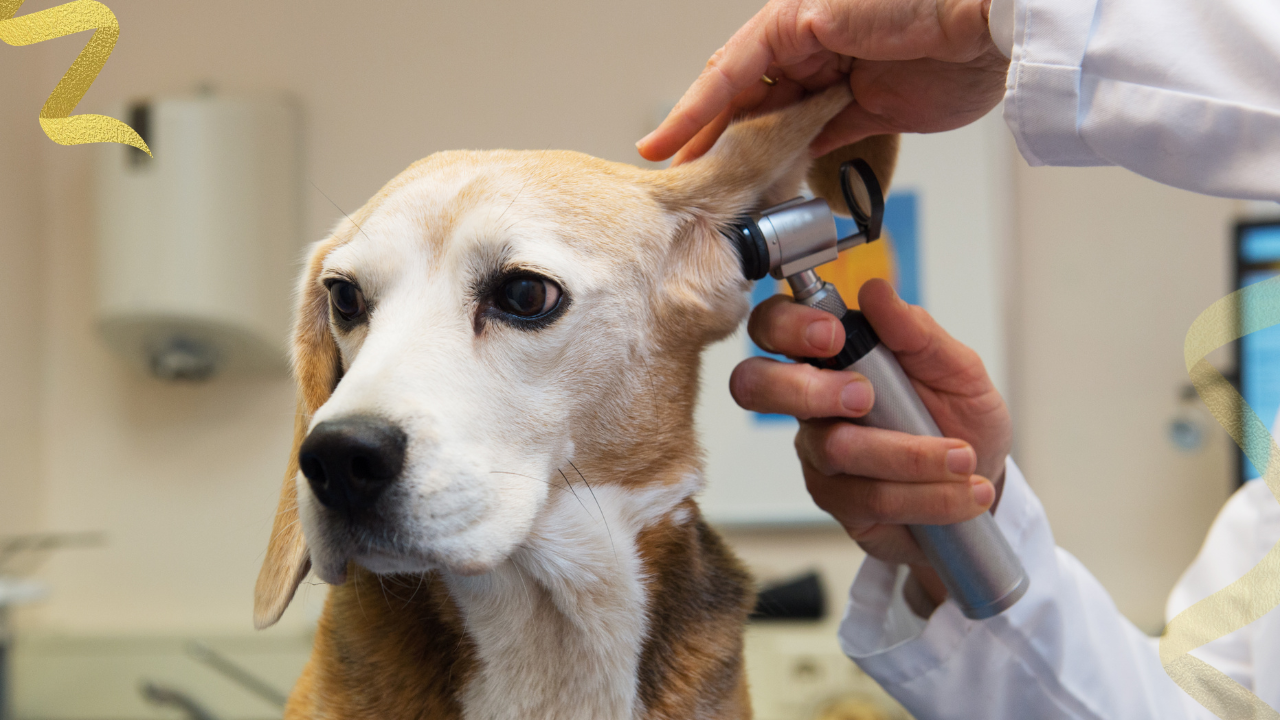
Hemangiosarcoma is a cancer of the cells that line blood vessels. Because it grows from vessel lining, the tumors it forms are filled with blood and structurally fragile. They bleed, and sometimes they rupture.
That single characteristic explains almost everything about this disease: why it so often announces itself as a sudden collapse rather than a gradual decline, why it is usually advanced by the time anyone knows it exists, and why it is so difficult to treat. A cancer that lives in the bloodstream's own plumbing has an efficient route to everywhere else in the body.
It accounts for roughly 5 to 7 percent of canine cancers. Most dogs are diagnosed between eight and ten years of age.

Where It Occurs
The spleen is the most common site, accounting for the majority of internal cases. Splenic tumors bleed into the abdomen.
The heart, specifically the right atrium, is the second most common site. These bleed into the sac around the heart, which compresses it and prevents it from filling properly.
The skin and the tissue just beneath it are the third category, and they behave very differently from the others. See the section below.
Other sites including the liver, kidney, lung, bone, and muscle occur less often.
Which Dogs Are Affected
German Shepherds, Golden Retrievers, Labrador Retrievers, Boxers, Portuguese Water Dogs, and Flat-Coated Retrievers are all diagnosed more often than average. Golden Retrievers in particular carry substantial risk, and hemangiosarcoma is among the leading causes of death in the breed.
Nothing about diet, exercise, or care causes this. Inherited breed risk is the strongest identified factor.
Deciding in the Emergency Room
Most families meet this disease in the middle of the night, with no warning and no time to prepare. What follows is written for that situation.
What you are being asked
Your dog has bled into the abdomen from a mass, most likely on the spleen. The bleeding may stop on its own or it may not. The proposed surgery removes the spleen, which stops the bleeding and removes the mass.
The surgery addresses the emergency. It does not tell you what the mass is until a pathologist examines it, which takes days.
What cannot be known tonight
Whether it is cancer. Splenic masses cannot be reliably diagnosed by ultrasound, and sampling them with a needle risks worsening the bleeding. Hemangiosarcoma is the most likely single diagnosis for a bleeding splenic mass, but a meaningful minority — commonly estimated at around a third — turn out to be benign lesions such as a hematoma or a hemangioma. For those dogs, removing the spleen resolves the problem completely and they go on to live normally.
Whether it has spread. Chest imaging may be done, but microscopic spread is invisible and common.
Anyone who tells you with certainty tonight what the mass is, is telling you more than they can know. Anyone who tells you it is probably hemangiosarcoma is being accurate.
The three paths
Surgery. Stops the bleeding, removes the mass, and produces a diagnosis. If the mass is benign, this is the whole treatment. If it is hemangiosarcoma, surgery alone typically gives one to three months, and adding chemotherapy afterwards typically extends that to around five to seven months.
Stabilize without surgery. Fluids and transfusion may stabilize a dog whose bleeding has slowed, buying time to think or to reach your regular veterinarian. This is not a solution — the mass remains and will bleed again — but it can convert a midnight decision into a morning one. Ask whether it is an option for your dog specifically.
Euthanasia. Choosing not to operate is a legitimate decision. Families make it because of the dog's age, other health conditions, the cost, the likelihood that the diagnosis is a cancer with a short prognosis, or a considered judgment about what that particular dog would tolerate. A dog who is euthanized under anaesthesia in the emergency room does not suffer, and the people who choose this are not giving up on their dog. Emergency clinicians see this choice frequently and will not think less of you for it.
Questions to ask, right now
- How unstable is my dog, and do we have minutes or hours?
- Is stabilizing without surgery tonight a realistic option?
- What is the total estimate, including hospitalization and possible transfusion?
- Are there other findings suggesting this has already spread?
- If this turns out to be benign, what would my dog's outlook be?
- If it is hemangiosarcoma, what would you do if this were your dog?
That last question is a fair one to ask, and most emergency veterinarians will answer it honestly.
Signs to Look For
Sudden collapse is the classic presentation. The dog is fine, then is not: weak, unable to stand, with pale or white gums, rapid breathing, and sometimes a visibly swollen abdomen.
Episodic weakness that resolves on its own is the warning sign that gets missed, and it is the most useful thing on this page for anyone whose dog has not yet had a catastrophic bleed. Small bleeds stop and the body reabsorbs the blood, so a dog may collapse or seem briefly weak, then appear normal again within a day. It is easy to conclude it was nothing.
If your dog has had an unexplained episode of weakness or collapse and then recovered, ask for an abdominal ultrasound. Finding a splenic mass before it ruptures catastrophically means the decision can be made calmly, with a scheduled surgery, and generally a better outcome.
Other signs include:
- Pale gums
- Abdominal swelling or distension
- Reduced appetite, lethargy, or weight loss
- Reluctance to exercise, or tiring quickly
- Rapid or labored breathing
- For the cardiac form: coughing, exercise intolerance, fainting, or a distended abdomen from fluid accumulation

How it is Diagnosed
Abdominal ultrasound identifies free fluid and a splenic or hepatic mass. In an emergency a rapid focused scan is often used first.
Sampling the abdominal fluid confirms bleeding — blood that does not clot indicates hemorrhage into the abdomen.
Bloodwork shows anemia and often abnormalities in the red cells and platelets. A clotting panel may be run, because hemangiosarcoma is associated with a serious clotting disorder called disseminated intravascular coagulation.
Chest X-rays check for spread to the lungs.
Echocardiogram is used when the heart is involved, to identify a mass at the right atrium and fluid around the heart.
Histopathology after surgery provides the only definitive diagnosis. Needle sampling of splenic masses is generally avoided because these tumors bleed readily and because the samples are often uninformative.
Treatment
Splenic hemangiosarcoma
Splenectomy removes the spleen, the mass, and the source of bleeding. Dogs live normally without a spleen. This is both the emergency treatment and the diagnostic step.
Surgery alone typically gives a median of one to three months, because the cancer has usually already spread microscopically by the time it is found.
Chemotherapy, usually doxorubicin-based and given in about five treatments spaced two to three weeks apart, addresses that microscopic spread. It typically extends median survival to around five to seven months. Roughly one dog in ten is alive at a year.
Chemotherapy usually begins once your dog has recovered from surgery and the pathology report has confirmed the diagnosis, generally two to three weeks afterwards.
Cardiac hemangiosarcoma
A mass at the right atrium bleeds into the sac around the heart. The immediate treatment is drawing that fluid off, which relieves the pressure and can produce a rapid improvement.
Surgical removal is difficult and only possible in some cases. A procedure to open or remove part of the pericardial sac can prevent fluid from accumulating under pressure again and is used as a palliative measure. Chemotherapy may be offered. The outlook for the cardiac form is generally shorter than for the splenic form, often measured in weeks to a few months.
Hemangiosarcoma of the skin
This is a genuinely different disease and the numbers above do not apply to it.
True dermal hemangiosarcoma, confined to the skin itself, is associated with sun exposure and appears on lightly pigmented, thinly haired areas — the belly, the inner thighs. Whippets, Greyhounds, Dalmatians, Beagles, and Pit Bull–type dogs are affected more often. Lesions look like red, purple, or black spots or plaques.
Removed completely with adequate margins, dermal hemangiosarcoma often does not come back, and affected dogs frequently live out a normal life span. Because sun exposure is a factor, new lesions may appear elsewhere over time and are treated the same way.
Subcutaneous hemangiosarcoma, sitting deeper beneath the skin, behaves considerably more aggressively and has a substantially higher rate of spread. Surgery is combined with chemotherapy.
The distinction between the two is made by a pathologist, and it matters enormously. If your dog has a skin lesion diagnosed as hemangiosarcoma, ask specifically whether it is dermal or subcutaneous.
Read More: Yunnan Baiyao for Dogs with HemangiosarcomaComfort Care
Given the prognosis, some families choose to stop after surgery, or to forgo surgery entirely, and focus on comfort. This is a reasonable path. It generally means pain relief, appetite support, and a clear plan with your veterinarian for recognizing when your dog is declining.
Understand the specific limitation here: an untreated internal hemangiosarcoma will bleed again, and that bleed may be sudden and severe. Discuss in advance what you want to happen if that occurs, including whether you would want to return to an emergency clinic. Having decided this in daylight, calmly, spares you making it twice under pressure.
What Treatment is Actually Like for Your Dog
Splenectomy is major abdominal surgery, and most dogs stay in hospital for one to three days afterwards, sometimes longer if a transfusion was needed. Recovery at home takes about two weeks with restricted activity and an incision to protect. Most dogs feel considerably better within days, because the bleeding and the anemia have been resolved.
Dogs live entirely normally without a spleen. No special diet, medication, or lifestyle change is required afterwards.
Chemotherapy for dogs is dosed for quality of life rather than for eliminating the disease at any cost. Most dogs experience no significant side effects. Those who do usually have mild nausea, reduced appetite, or soft stool for a day or two, appearing several days after a treatment and managed with medication sent home in advance. Most dogs do not lose their coat, and appointments are outpatient. Our page on what chemotherapy is really like for dogs covers this in more depth.

Understanding Prognosis
These figures are medians across many dogs. Half lived less, half lived longer. They describe a population rather than predicting what your dog will do.
- Splenectomy alone: roughly one to three months
- Splenectomy with chemotherapy: roughly five to seven months, with about one dog in ten alive at a year
- Cardiac hemangiosarcoma: generally weeks to a few months
- Dermal hemangiosarcoma removed completely: frequently a normal life span
Dogs whose tumor had not ruptured at the time of surgery tend to do better than those diagnosed after a major bleed. Spread already visible at diagnosis shortens the outlook considerably.
Internal hemangiosarcoma is among the more difficult canine cancers, and it is honest to say so. Treatment is aimed at good-quality additional time rather than at eliminating the disease. Many families find that framing useful: the question is not how to defeat this, but how much good time is available and how to make it good.
Dermal hemangiosarcoma is the clear exception and should not be read through those numbers.

What It Costs
Costs vary widely by region and are higher at emergency and specialty facilities. Emergency presentations are expensive because stabilization, imaging, surgery, and hospitalization happen together.
- Emergency stabilization and diagnostics: approximately $1,000 to $3,000
- Emergency splenectomy with hospitalization: approximately $3,000 to $8,000
- Doxorubicin chemotherapy: approximately $2,000 to $5,000
- Pericardiocentesis: approximately $1,000 to $2,500
- Pericardectomy: approximately $4,000 to $8,000
- Surgical removal of a skin lesion: approximately $500 to $2,000
If cost is a constraint, say so plainly and immediately in the emergency room. It changes what your clinician recommends and how they present the options, and it is far more useful said at the start than discovered halfway through. Our page on paying for cancer treatment lists sources of help, though emergency timelines limit what can be arranged in the moment.
Living With It Day to Day
After recovery from surgery, most dogs return to normal activity. There are no restrictions specific to living without a spleen.
Report to your veterinary team: pale gums, sudden weakness or collapse, abdominal swelling, reduced appetite, laboured breathing, or a drop in energy. Any of these can indicate a new bleed or progression, and pale gums with weakness is an emergency.
Recheck imaging is usually scheduled every two to three months. Ask your oncologist what schedule they recommend and what they will be looking for.
Questions to Ask Your Oncologist
- What did the pathology report say, including whether the tumor had ruptured?
- Was there any evidence of spread at the time of surgery?
- What does chemotherapy realistically add for my dog?
- What are the signs of a new bleed, and what should I do if I see them?
- What is your recheck schedule, and what will it involve?
- Are there clinical trials my dog might qualify for?
- What is this likely to look like at the end, and how will I know it is time?
Tracking Quality of Life
Because this disease often progresses through bleeding episodes rather than a slow decline, the trajectory can be uneven, good weeks followed by a sudden bad day. That pattern makes it hard to judge where you are.
Scoring your dog weekly across a few consistent dimensions: appetite, energy, comfort, engagement with the family, and whether good days still outnumber bad, gives you a written record that is more reliable than memory in either direction.
Ask your veterinary team early what the end of this disease usually looks like, and decide in advance what you want to do if a major bleed happens at home. Families who have made that decision beforehand consistently describe it as one of the kindest things they did, because it meant the last decision was made in calm rather than in panic.
Use the Dog Cancer Tracker
Common Questions
Is every bleeding splenic mass hemangiosarcoma? No. It is the most likely diagnosis, but a meaningful minority — often estimated at around a third — turn out to be benign, most commonly a hematoma. Those dogs are resolved completely by removal of the spleen. The only way to know is histopathology after surgery.
Can my dog live without a spleen? Yes, entirely normally. No special diet, medication, or restriction is needed.
Why is chemotherapy recommended if the spleen and tumor are gone? Because hemangiosarcoma spreads through the bloodstream and has usually done so microscopically before diagnosis, even when imaging looks clear. Surgery addresses the bleeding; chemotherapy addresses what already left.
Was there any way to catch this earlier? Sometimes, if there were earlier unexplained episodes of weakness that resolved. Frequently not — many dogs show nothing at all until the day they collapse. Routine screening for hemangiosarcoma is not currently standard practice, and this cancer is genuinely known for producing no warning.
My dog collapsed but seems fine now. Is that possible? Yes, and it is important. Small bleeds can stop, with the blood reabsorbed over a day or two. A dog can look normal again while still carrying a mass that will bleed again. An unexplained collapse followed by recovery warrants an abdominal ultrasound.
Is the skin form the same disease? Related but behaving very differently. True dermal hemangiosarcoma confined to the skin is often removed completely and frequently does not return, and those dogs often live a normal life span. Subcutaneous lesions sitting deeper are more aggressive. Ask your veterinarian which one the pathologist described.
What about turkey tail mushroom? A small 2012 study suggested benefit, and it is still widely cited by supplement sellers. A larger 2022 follow-up from the same institution did not find a survival benefit when added to chemotherapy, and found worse survival among female dogs given the supplement instead of chemotherapy. It is not a substitute for treatment.
The Research
Arai S, Milley EP, Lichtenberger J, Savidge C, Lawrence J, Côté E. Metastatic cardiac hemangiosarcoma in a 6 year old Wheaten Terrier mix. Veterinary Sciences. 2019;6(3):65. doi:10.3390/vetsci6030065
Batschinski K, Nobre A, Vargas-Mendez E, et al. Canine visceral hemangiosarcoma treated with surgery alone or surgery and doxorubicin: 37 cases (2005-2014). Can Vet J. 2018;59(9):967-972.
Brown DC, Reetz J. Single agent polysaccharopeptide delays metastases and improves survival in naturally occurring hemangiosarcoma. Evid Based Complement Alternat Med. 2012;2012:384301. doi:10.1155/2012/384301
Gorden BH, Kim J-H, Sarver AL, et al. Identification of three molecular and functional subtypes in canine hemangiosarcoma through gene expression profiling and progenitor cell characterization. The American Journal of Pathology. 2014;184(4):985-995. doi:10.1016/j.ajpath.2013.12.025
Kim J-H, Graef A, Dickerson E, Modiano J. Pathobiology of Hemangiosarcoma in dogs: Research advances and future perspectives. Veterinary Sciences. 2015;2(4):388-405. doi:10.3390/vetsci2040388
Lang B. Sudden death due to acute hemoabdomen and hypovolemia from a ruptured splenic hemangiosarcoma in a German shepherd dog. Can Vet J. 2020;61(11):1203-1205.
Lee M, Park J, Choi H, Lee H, Jeong SM. Presurgical assessment of splenic tumors in dogs: A retrospective study of 57 cases (2012–2017). Journal of Veterinary Science. 2018;19(6):827-834. doi:10.4142/jvs.2018.19.6.827
Nolan MW, Arkans MM, LaVine D, et al. Pilot study to determine the feasibility of radiation therapy for dogs with right atrial masses and hemorrhagic pericardial effusion. Journal of Veterinary Cardiology. 2017;19(2):132-143. doi:10.1016/j.jvc.2016.12.001
Robinson KL, Bryan ME, Atkinson ES, Keeler MR, Hahn AW, Bryan JN. Neutering is associated with developing hemangiosarcoma in dogs in the Veterinary Medical Database: An age and time-period matched case-control study (1964-2003). Can Vet J. 2020;61(5):499-504.
Sharun K. Chemotherapeutic management of Hemangiosarcoma in canines – an update. Cancer Therapy & Oncology International Journal. 2019;14(1). doi:10.19080/ctoij.2019.14.555878
Wirth KA, Kow K, Salute ME, Bacon NJ, Milner RJ. In vitro effects of Yunnan Baiyao on canine hemangiosarcoma cell lines. Vet Comp Oncol. 2016;14(3):281-294. doi:10.1111/vco.12100
This page is for education and does not replace advice from your own veterinarian, who knows your dog. If your dog collapses, has pale gums, or becomes suddenly weak, seek emergency veterinary care immediately.

Reviewed by Amber L. Drake, PhD
Dr. Amber L. Drake is a doctoral-educated canine wellness specialist, author, and founder of the Drake Dog Cancer Foundation. Her advanced education and professional work encompass canine cancer, nutrition, herbal medicine, integrative wellness, and supportive care. She applies her expertise to reviewing complex health information and developing responsible, evidence-informed educational resources that help pet parents communicate effectively with their veterinary care teams and make better-informed decisions throughout their dogs’ cancer journeys.
