Insulinoma in Dogs
If your dog is collapsing, seizing, or disoriented right now...
Rub a small amount of corn syrup, honey, or maple syrup onto the gums. About a teaspoon for a medium dog. Use your finger or a syringe against the cheek.
Do not pour liquid into the mouth and do not put your fingers between the teeth if your dog is seizing or unconscious, they cannot swallow safely and may bite involuntarily. Rubbing onto the gum surface is enough, because sugar absorbs directly through it.
Use a small amount, not a large one. This is the part most people get wrong. A large sugar load prompts the tumor to release even more insulin, and your dog can crash lower about twenty to thirty minutes later. Small amount, then food, then the veterinarian.
Once your dog can swallow safely, offer a small protein-based meal. Then contact your veterinarian, even if your dog seems fine, recovery does not mean the episode is over.
Go to an emergency clinic if seizing lasts more than a few minutes, if seizures repeat, or if your dog does not return to normal within about ten minutes.

What You Should Know
Insulinoma is uncommon, and it is unlike anything else in this library. The harm it causes is not from the tumor pressing on something or spreading, it comes from a hormone the tumor produces, which drives blood sugar dangerously low.
Three things are worth knowing at the outset.
The episodes are frightening but the underlying problem is manageable. Weakness, collapse, disorientation, and seizures all come from low blood sugar, and blood sugar can be supported through diet, medication, and often surgery.
Surgery gives the best results by a considerable margin. Removing the tumor, even when it has already spread, typically produces the longest periods of normal life. Many dogs go months to years with well-controlled blood sugar afterward.
How you feed your dog matters more here than in any other cancer on this site. Small frequent meals prevent episodes. It is unglamorous, free, and genuinely effective.
Most dogs are diagnosed after a period of unexplained weakness or seizures that was attributed to something else. If your dog was worked up for epilepsy or heart trouble first, that is common.
What Insulinoma Is
The pancreas contains clusters of cells that produce insulin, the hormone that moves sugar out of the bloodstream and into cells. In a healthy dog, insulin output rises and falls with blood sugar.
An insulinoma is a tumor of those insulin-producing cells. It secretes insulin continuously, without regard to what blood sugar is actually doing. The result is that blood sugar keeps being pushed down even when it is already too low.
The brain depends almost entirely on glucose, which is why the signs are largely neurological. When blood sugar drops far enough, the brain cannot function normally, hence the weakness, confusion, and seizures.
In dogs, most insulinomas are malignant, and a substantial proportion have already spread to nearby lymph nodes or the liver by the time they are found. This differs from the picture in people, where these tumors are more often benign.
Even so, spread here behaves differently from most cancers. The spread deposits also produce insulin, so the problem they cause is continued low blood sugar rather than destruction of organs. Dogs can live a long time with spread present, provided blood sugar is controlled.
Which Dogs Are Affected
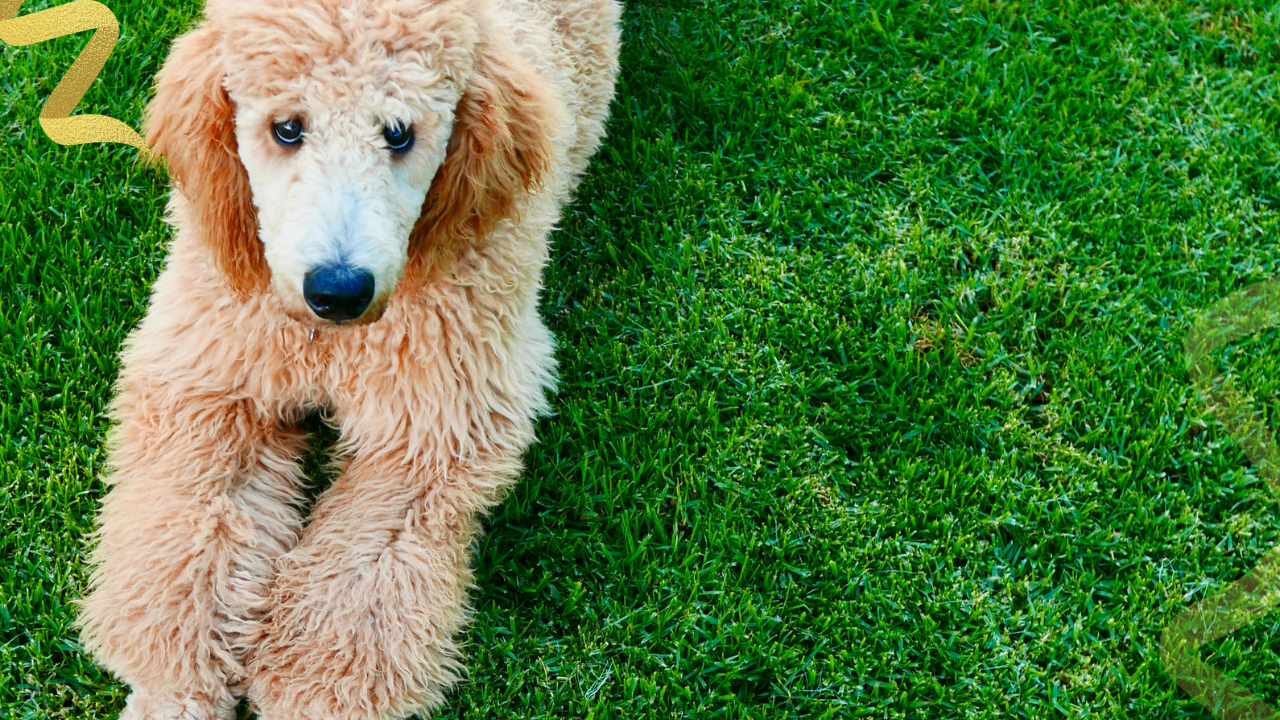
Middle-aged to older dogs, typically around nine or ten. Medium and large breeds are affected more often: Boxers, German Shepherds, Golden Retrievers, Labrador Retrievers, Irish Setters, Standard Poodles, and Collies among them. Small breeds are affected less commonly.
Nothing about diet or care causes this.
Signs to Look For
The signs come and go, which is a defining feature and a major reason diagnosis is delayed. A dog may collapse, recover within minutes, and appear completely normal by the time you reach the veterinary practice.
Neurological signs:
- Weakness, particularly in the hind limbs
- Wobbliness or incoordination
- Collapse
- Disorientation, confusion, or staring vacantly
- Muscle twitching or tremors
- Seizures
- Unusual behavior: Restlessness, anxiety, or seeming "not right"
Other signs:
- Lethargy and reduced stamina
- Increased appetite
- Weight gain in some dogs
- Trembling
When episodes happen
The timing is a useful clue, and it is worth telling your veterinarian about specifically. Episodes typically occur:
- After exercise or excitement, when muscles consume glucose
- After a period without food, such as first thing in the morning
- Sometimes after a large or sugary meal, because the insulin surge that follows overshoots
A dog who becomes weak or collapses after exercise, or before breakfast, and recovers after eating, is describing this disease. That pattern is worth reporting clearly, because it points toward a diagnosis that routine testing can otherwise miss.
A caution about fasting
Tell your veterinary practice before any procedure that requires withholding food. Routine pre-anesthetic fasting, or fasting before a blood draw, can trigger a severe episode in a dog with an undiagnosed or untreated insulinoma.
If your dog has had unexplained episodes of weakness or seizures, raise this before agreeing to a fasted procedure.
How It Is Diagnosed
Blood glucose measurement during or shortly after an episode is the starting point. Low blood sugar in a dog showing these signs, which resolves when glucose is given, is highly suggestive.
Paired glucose and insulin is the key test. A blood sample taken when glucose is low is tested for insulin at the same time. In a healthy dog, low glucose should switch insulin off almost entirely. An insulin level that is normal or high while glucose is low is the finding that confirms the diagnosis, because it shows insulin is being produced inappropriately.
This test sometimes requires a carefully supervised fast in hospital to bring glucose down enough to sample. That should be done under monitoring, never at home.
Ruling out other causes matters, since low blood sugar has several explanations: Liver disease, severe infection, Addison's disease, certain other tumors, and accidental ingestion of xylitol among them. Bloodwork and a full examination address these.
Imaging looks for the tumor and any spread. Abdominal ultrasound is the usual first step, but insulinomas are frequently too small for ultrasound to find, and a normal ultrasound does not rule the diagnosis out. CT is considerably more sensitive and is worth asking about if surgery is being considered.
Some tumors are located only during surgery itself.
Staging describes how far the disease has extended:
- Stage I: Confined to the pancreas
- Stage II: Spread to nearby lymph nodes
- Stage III: Spread to the liver or more distant sites
Most dogs are Stage II or III at diagnosis. As above, this matters less than it would in most cancers, because the problem remains blood sugar control rather than organ destruction.
Treatment
Surgery
Surgical removal of the tumor gives the best outcomes and is the treatment of choice where a dog is a reasonable candidate.
The affected portion of the pancreas is removed. Where visible spread is present in lymph nodes or liver, removing what can be safely removed still helps, because it reduces the total amount of insulin being produced.
Many dogs become normoglycemic — with normal blood sugar and no episodes — for a substantial period afterward. This is the intervention most likely to give your dog a long stretch of ordinary life.
Two complications are worth understanding beforehand.
Pancreatitis is the most common, caused by handling the pancreas during surgery. It is managed with fluids, pain relief, and anti-nausea medication, and most dogs recover, but it extends the hospital stay and is occasionally serious.
Diabetes can develop afterward, because the body has adapted to constant excess insulin. It is often temporary, resolving over days to weeks as normal insulin-producing cells recover. In a minority of dogs it is permanent and requires insulin injections. Your veterinary team will monitor glucose closely in the days after surgery for this reason.
Dietary management
This is the foundation of care whether or not surgery happens, and it works.
Feed small meals frequently: Typically four to six times a day, including something before bed and, for some dogs, overnight.
Favour protein, fat, and complex carbohydrates. These release glucose slowly and steadily.
Avoid simple sugars and semi-moist foods in routine feeding. They cause a sharp glucose rise, which prompts the tumor to release a surge of insulin, which then drives glucose lower than before. Sugar is for emergencies, not for daily management.
Never withhold food without veterinary guidance.
Limit intense exercise and excitement, and feed before any activity. Short gentle walks are usually fine; sustained running or vigorous play can precipitate an episode.
Medication
Prednisone is the mainstay of medical management. It raises blood sugar by opposing insulin's effects and by prompting the liver to release glucose. It is inexpensive, taken at home, and effective. Doses are increased over time as the disease progresses. Expect increased thirst, urination, appetite, and panting.
Diazoxide directly inhibits insulin release from the tumor and is used when prednisone alone is no longer sufficient. Availability and cost vary considerably, so ask your veterinarian about sourcing.
Octreotide suppresses insulin secretion in some dogs, though responses vary.
Toceranib has been used in some dogs with insulinoma, and interest in it is developing.
Anti-seizure medication may be needed where seizures continue despite glucose control.
Integrative and supportive care
Feeding schedule is the highest-value intervention available to you, and it costs nothing beyond attention. Setting phone alarms for meal times is a practical step many families find useful.
Be cautious with supplements. Anything affecting blood sugar, including some herbal products marketed for glucose support, which are generally aimed at lowering it, could be actively dangerous here. Chromium and other glucose-lowering supplements should be avoided. Discuss everything your dog receives with your veterinary team.
Keep corn syrup or honey in the house, in the car, and anywhere your dog spends time. Make sure everyone in the household knows where it is and how to use it.
No supplement or diet has been shown to treat insulinoma itself, though diet genuinely manages its effects.
Comfort care and medical management alone
For a dog who is not a surgical candidate, medical and dietary management alone can control episodes for a meaningful period, often months, sometimes longer.
The expected course is that episodes gradually become harder to control as the tumor grows and produces more insulin. Medication doses increase, then eventually stop being sufficient. Discuss with your veterinarian in advance what you would want to do when episodes become frequent or prolonged despite treatment.
What Treatment Is Actually Like For Your Dog
Surgery requires two to five days in hospital, sometimes longer if pancreatitis develops. Blood glucose is monitored closely throughout. Food is reintroduced gradually.
Recovery at home takes about two weeks with restricted activity. Many families notice their dog is markedly brighter and stronger within days, because the constant low blood sugar has been relieved.
Medical management is tablets and a feeding routine. The daily reality is mostly scheduling, small meals at regular intervals, food before activity, and consistency with medication. Most dogs on prednisone drink and urinate considerably more, which means more outdoor trips and accessible water.
Living with this disease is more about vigilance than treatment burden. Once a routine is established, most dogs do well between episodes and enjoy normal life.
Understanding Prognosis
These are medians across many dogs. Half lived less, half lived longer.
- Surgery followed by medical management: Commonly one to two years, with some dogs considerably longer
- Surgery for disease confined to the pancreas: Toward the longer end, sometimes well beyond two years
- Medical management alone: Commonly several months to around a year
- Untreated: Typically weeks to a few months, limited by uncontrolled episodes
Factors associated with a better outlook include earlier stage, achieving normal blood sugar after surgery, and a longer period before episodes return.
Insulinoma is controlled rather than eliminated. The realistic goal is a long stretch of well-managed, comfortable life, and for many dogs, particularly those who have surgery, that is what treatment delivers.
What It Costs
Costs vary by region and practice type. Ask for a written estimate.
- Bloodwork including paired glucose and insulin: approximately $300 to $700
- Abdominal ultrasound: approximately $400 to $600
- CT scan: approximately $1,500 to $3,000
- Surgery with hospitalization: approximately $4,000 to $8,000
- Histopathology: approximately $150 to $400
- Prednisone: modest monthly cost
- Diazoxide: variable and sometimes substantial; ask about current pricing and sourcing
- Emergency visit for a severe episode: approximately $500 to $2,000
Dietary management costs nothing, and it is genuinely the foundation of care. A family who cannot pursue surgery is not left without options, frequent small meals plus prednisone is real treatment that works for a meaningful period.
Living With It Day-to-Day
Feed on a schedule and do not skip meals. Alarms help. Include a meal before bed.
Feed before exercise, and keep activity moderate.
Keep sugar sources accessible: House, car, bag, and anywhere your dog goes. Tell everyone in the household how to use them.
Consider a home glucose meter. Many families find it reassuring to check when their dog seems off. Ask your veterinary team whether it suits your situation and how to interpret the readings, since target ranges here differ from those for a diabetic dog.
Keep an episode diary: Date, time, what your dog was doing beforehand, how long it lasted, and what you did. Patterns inform medication adjustments and are genuinely useful clinical information.
Tell every veterinary professional your dog sees, including groomers and boarding facilities, that your dog has insulinoma and must not be fasted.
Report to your veterinary team: increasing episode frequency, episodes lasting longer, seizures, any episode requiring emergency treatment, or a decline in energy between episodes.
Questions With Your Veterinarian or Oncologist
- Was the diagnosis confirmed with paired glucose and insulin?
- Has imaging located the tumor, and would CT add useful information?
- Is my dog a candidate for surgery, and what stage do you think this is?
- What are the risks of surgery for my dog specifically, including pancreatitis and diabetes?
- What feeding schedule do you recommend?
- At what point would we add diazoxide, and is it available here?
- Should we have a home glucose meter, and what readings should concern me?
- What exactly should I do at home during an episode?
Thinking About Quality of Life
The quality-of-life measures here are unusual, because between episodes many dogs seem entirely well. What matters is the frequency and severity of episodes, how much medication is required to prevent them, and whether your dog is bright and engaged during ordinary time.
A useful question is whether the episodes are becoming the dominant feature of your dog's life. A dog having occasional well-managed episodes and otherwise enjoying walks and meals is doing well. A dog having frequent seizures despite maximal medication is in a different situation.
Track weekly — episode frequency, energy between episodes, appetite, comfort, engagement with the family, and whether good days still outnumber bad. The episode diary does much of this work already.
Ask your veterinary team what to expect as medication becomes less effective, and decide in advance how you would handle prolonged or clustered seizures. Families who have thought this through beforehand consistently find the eventual decisions easier.
Common Questions
What do I do if my dog collapses or has a seizure? Rub a small amount of corn syrup or honey onto the gums, not into the mouth, and not your fingers between the teeth. Use a small amount rather than a large one, because a big sugar load prompts more insulin release and a worse crash afterward. Once your dog can swallow, offer a small protein meal, then contact your veterinarian.
Should I give my dog sugar every day to keep blood sugar up? No, and this is a common misunderstanding. Routine sugar makes things worse by triggering insulin surges from the tumor. Sugar is for emergencies. Daily management is small frequent meals based on protein, fat, and complex carbohydrates.
Is surgery worth it if the cancer has already spread? Often yes. Because the harm comes from insulin production rather than tissue destruction, reducing the amount of tumor present reduces the insulin problem. Dogs with spread who have surgery frequently gain long periods of good blood sugar control.
Will my dog become diabetic after surgery? Sometimes, and it is usually temporary — the body has adapted to excess insulin and takes time to readjust. A minority of dogs need insulin permanently. Your veterinary team will monitor glucose closely afterward.
The ultrasound was normal. Does that rule it out? No. Insulinomas are frequently too small for ultrasound to detect, and a normal scan does not exclude the diagnosis. CT is more sensitive, and some tumors are found only during surgery. The paired glucose and insulin test is what confirms the disease.
Why did this take so long to diagnose? Because the signs come and go, and a dog often looks entirely normal by the time they are examined. Episodes are commonly attributed to epilepsy, heart problems, or arthritis first. Reporting the pattern, weakness after exercise or before breakfast, improving after food, is what points in the right direction.
Can my dog still go for walks? Usually yes, with adjustments. Feed before walks, keep them moderate rather than intense, and avoid situations that cause high excitement. Sustained running and vigorous play are more likely to trigger an episode than a gentle walk.
The Research
Buishand FO. Current Trends in Diagnosis, Treatment and Prognosis of Canine Insulinoma. Vet Sci. 2022 Sep 29;9(10):540. doi: 10.3390/vetsci9100540. PMID: 36288153; PMCID: PMC9611890.
Goutal CM, Brugmann BL, Ryan KA. Insulinoma in dogs: a review. J Am Anim Hosp Assoc. 2012 May-Jun;48(3):151-63. doi: 10.5326/JAAHA-MS-5745. Epub 2012 Apr 3. PMID: 22474047.
Kraai K, O'Neill DG, Davison LJ, Brodbelt DC, Galac S, Buishand FO. Clinical signs, management, and survival of 278 dogs diagnosed with insulinoma under primary veterinary care in the United Kingdom. J Vet Intern Med. 2026 Mar 2;40(2):aalag045. doi: 10.1093/jvimsj/aalag045. PMID: 41824751; PMCID: PMC12986752.
Petrelli A, German AJ, O'Connell EM, Silvestrini P. Serum insulin concentration in dogs with insulinoma as a clinical marker for presence of metastasis at the time of diagnosis. J Vet Intern Med. 2023 May-Jun;37(3):1139-1145. doi: 10.1111/jvim.16720. Epub 2023 May 16. PMID: 37194422; PMCID: PMC10229349.
Wallace MD, Herrtage ME, Gostelow R, Owen L, Rutherford L, Hughes K, Denyer A, Catchpole B, O'Callaghan CA, Davison LJ. Single-cell transcriptomic analysis of canine insulinoma reveals distinct sub-populations of insulin-expressing cancer cells. Vet Oncol. 2025;2(1):13. doi: 10.1186/s44356-025-00026-3. Epub 2025 May 26. PMID: 40438247; PMCID: PMC12106163.
This page is for education and does not replace advice from your own veterinarian, who knows your dog. A seizure lasting more than a few minutes, or repeated seizures, is a medical emergency.

Reviewed by Amber L. Drake, PhD
Dr. Amber L. Drake is a doctoral-educated canine wellness specialist, author, and founder of the Drake Dog Cancer Foundation. Her advanced education and professional work encompass canine cancer, nutrition, herbal medicine, integrative wellness, and supportive care. She applies her expertise to reviewing complex health information and developing responsible, evidence-informed educational resources that help pet parents communicate effectively with their veterinary care teams and make better-informed decisions throughout their dogs’ cancer journeys.
