
Recommended Products for Treatment & Homecare
Caring for a dog with cancer often means managing much more than veterinary appointments. Medications, side effects, recovery needs, hygiene, wound protection, monitoring, and daily comfort can all become part of life at home.
The products below were selected to help make treatment routines, medication management, recovery, cleanliness, monitoring, and everyday home care more organized and manageable.
Our goal is not simply to recommend products. We want to help you understand what may be useful, when it may help, and what to consider based on your dog’s individual treatment plan and needs.
Affiliate Disclosure: Some links on this page are affiliate links. If you purchase through one of these links, Drake Dog Cancer Foundation may receive a small commission at no additional cost to you. These commissions help us continue creating resources for families affected by canine cancer. We only recommend products we believe may be genuinely useful to pet parents and their dogs.
Start Here: What Does Your Dog Need Help With?
If home care feels overwhelming, start with the specific task you are trying to make easier.
If your dog takes multiple medications:
Consider a pill organizer, medication log, labeled storage system, or administration supplies.
If your dog is recovering from surgery:
Look at recovery suits, protective cones, washable bedding, non-slip surfaces, and easy-access resting areas.
If accidents have become more common:
Reusable absorbent pads, waterproof bedding, washable covers, and pet-safe cleaning products may help.
If you need to monitor your dog closely:
A digital thermometer, notebook, symptom tracker, kitchen scale, or other simple monitoring tools can help you record changes.
If your dog is experiencing weakness or fatigue:
Move frequently used supplies closer to your dog and create an easy-to-access care station.
If you are managing many appointments and instructions:
A binder, planner, or dedicated storage system can help keep treatment information in one place.
What Home Care Can Look Like During Cancer Treatment
Home care varies widely depending on the type of cancer, treatment plan, medications, and your dog’s individual response.
Some dogs require very little assistance between veterinary visits, while others may need more hands-on support.
At home, you may find yourself managing:
- Oral medications
- Supplements
- Treatment schedules
- Appetite changes
- Nausea or gastrointestinal upset
- Surgical recovery
- Incision protection
- Fatigue
- Changes in mobility
- Accidents or incontinence
- Increased hygiene needs
- Temperature or symptom monitoring
- Veterinary paperwork
- Follow-up appointments
- Changes in behavior or comfort
Having a few simple systems in place can reduce stress and make it easier to notice important changes.
Medication Organization
Medication routines can become complicated quickly, especially when different medications are given at different times.
Pill Organizers
Best for: Dogs taking several medications or supplements throughout the day.
A clearly labeled pill organizer can help reduce confusion and make daily routines easier to manage.
Why We Like This Option
- Helps organize morning and evening doses
- Makes missed doses easier to notice
- Useful when multiple caregivers are involved
- Portable for travel or appointments
- Helps reduce clutter
Things to Consider
Some medications should remain in their original packaging or may have special storage requirements.
Always follow veterinary and pharmacy instructions.
[View Recommended Pill Organizers →]
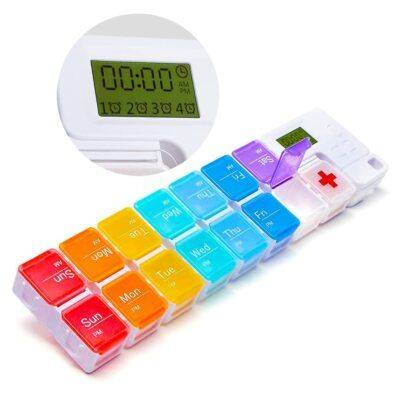
Pill Organizer with Reminder Alarms
It can be hard to remember every medication and supplement on schedule, especially when there are several doses throughout the day. This pill organizer lets you sort doses in advance and set reminder alarms up to four times daily, helping reduce missed or delayed medications and taking one more worry off your plate.

Simple Weekly Pill Organizer
Keeping track of multiple medications and supplements can quickly become overwhelming. This AM/PM weekly pill organizer helps you prepare doses ahead of time, separate morning and evening medications, and reduce the chance of missing or accidentally repeating a dose during an already stressful time.
Medication Storage Containers
Best for: Families managing multiple prescriptions, supplements, syringes, and treatment supplies.
A dedicated container or drawer can keep frequently used items in one place.
Consider storing:
- Prescription bottles
- Oral syringes
- Pill cutters
- Medication logs
- Disposable gloves
- Veterinary instructions
- Supplement containers
- Treats used for medications
Drake Dog Cancer Foundation Tip
Keep your dog’s current medication list separate from the storage container so it can easily be brought to appointments or shared in an emergency.
[View Recommended Medication Storage →]
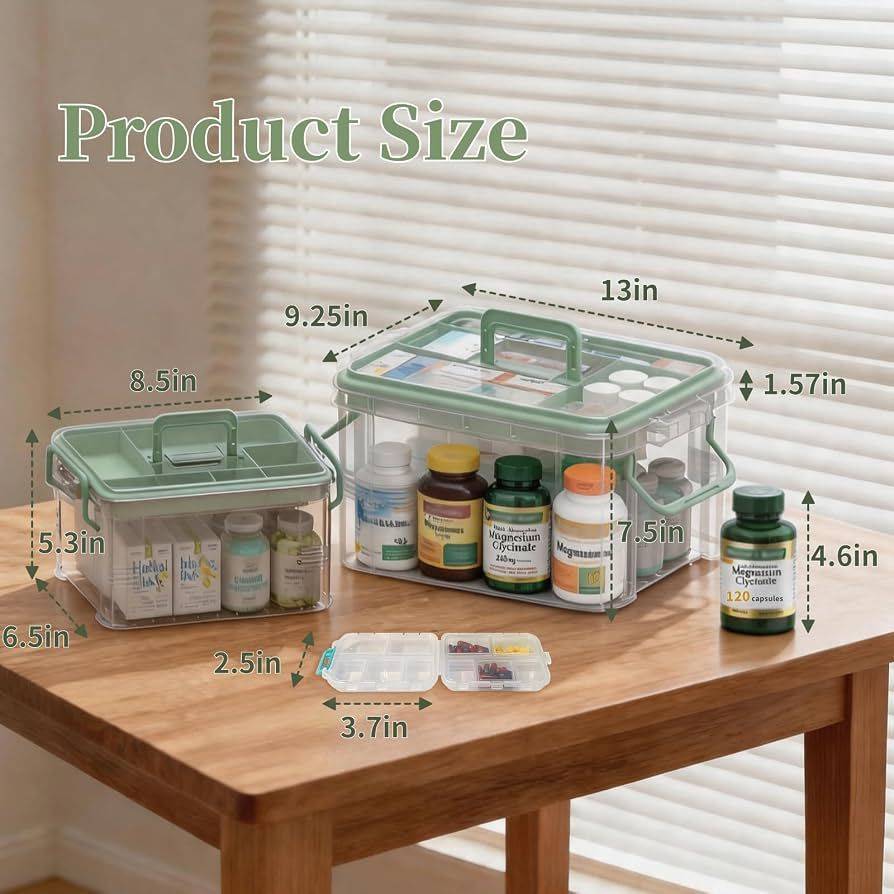
Clear Medication Storage Box
These portable storage boxes help keep everything organized, visible, and easy to reach, so you can spend less time searching for what you need and more time focused on caring for your dog.
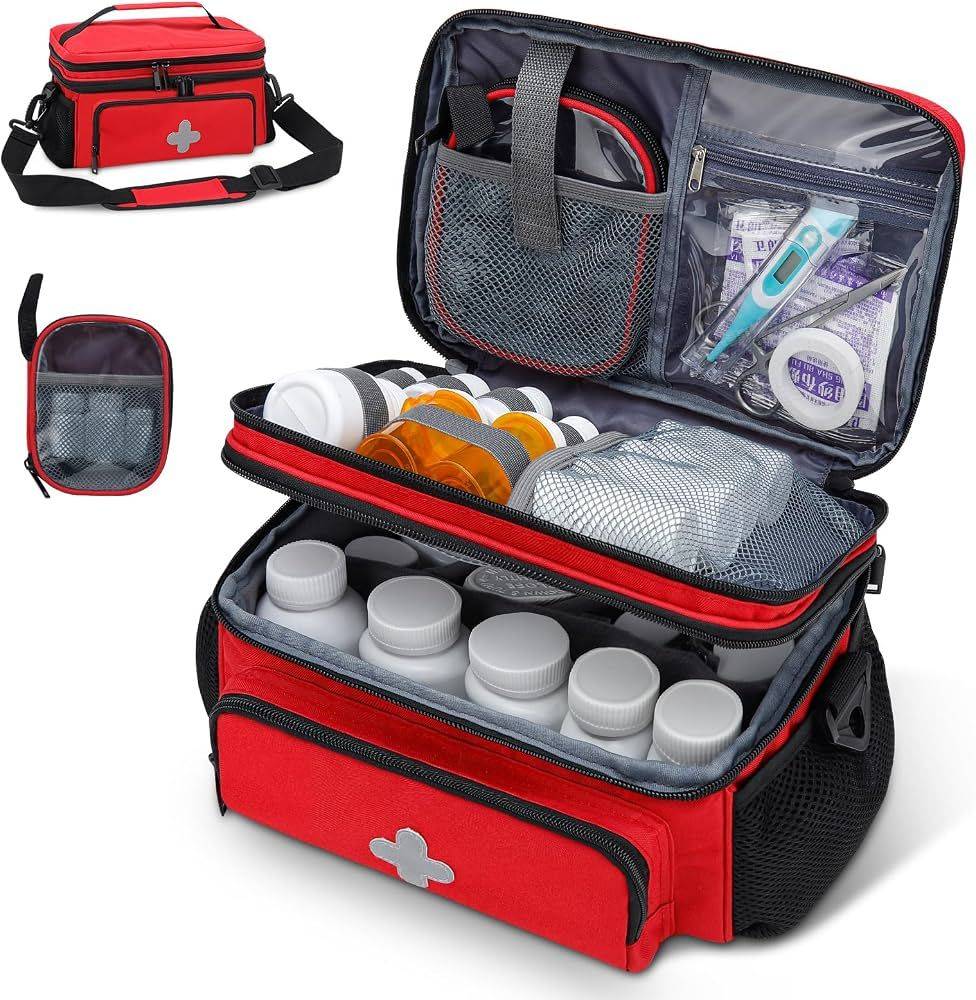
Medication Storage Bag
This divided medication bag keeps everything protected and easy to find, with adjustable compartments for bottles and supplies plus a smaller travel pouch for bringing important medications to appointments or on the go.
Medication Administration Tools
Some medications are easy to give. Others quickly become a daily challenge.
Oral Syringes
Best for: Veterinarian-prescribed liquid medications.
Look for syringes with clear measurement markings and sizes appropriate for the dose being administered.
Helpful Features
- Easy-to-read measurements
- Smooth plunger
- Multiple syringe sizes
- Easy cleaning
- Protective caps when appropriate
Never force liquid into the back of a dog’s throat. Administer medications only as directed by your veterinary team.
[View Recommended Oral Syringes →]
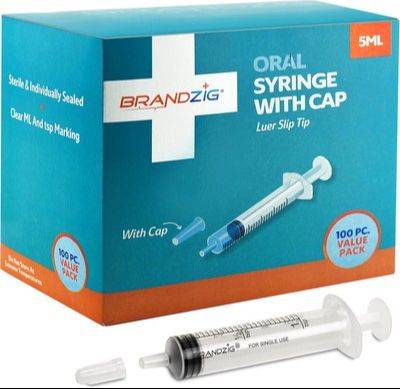
Oral Syringe with Cap
Accurate dosing matters when you’re giving liquid medications, supplements, or supportive care at home. These easy-to-read 10 mL oral syringes help you measure each dose clearly and deliver it with more control, while the individually sealed design makes it easy to keep clean syringes on hand whenever you need them.
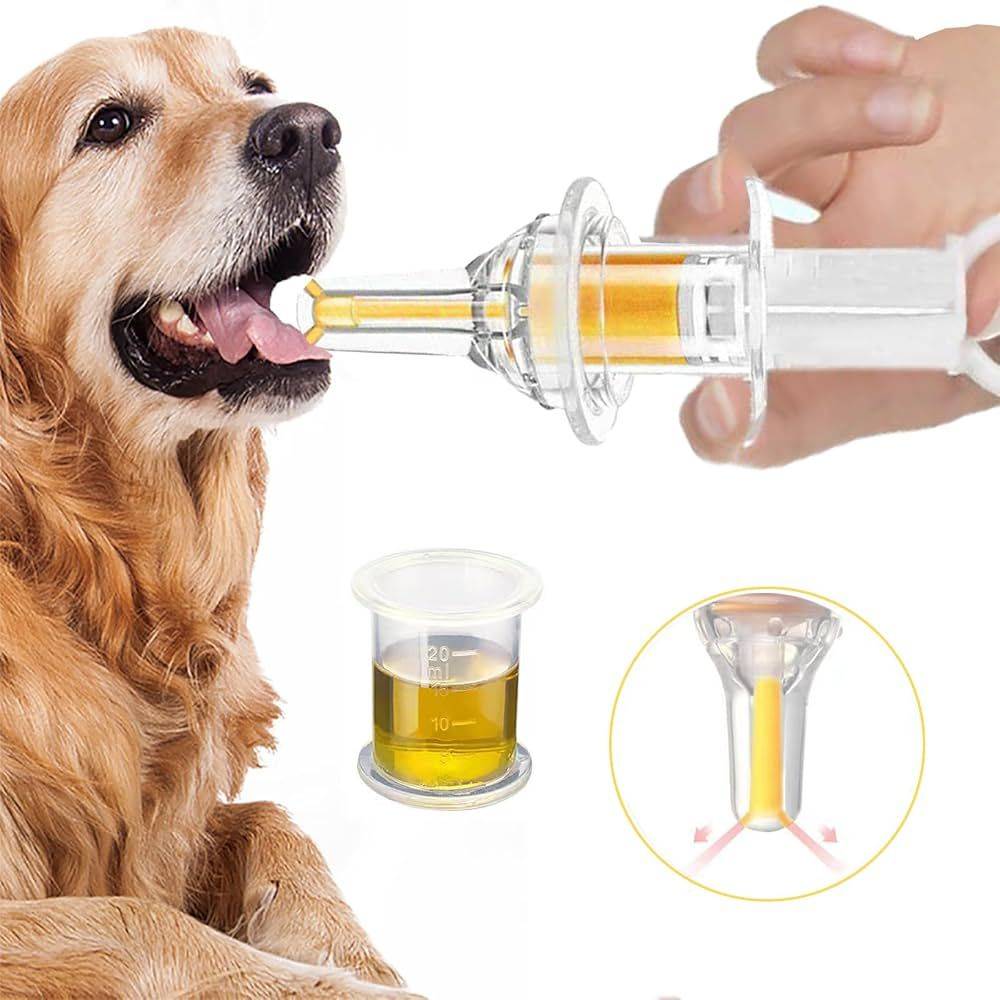
Dog Feeding Kit
When your dog has cancer, giving liquid medication, water, or soft food can be stressful if they’re weak, nauseated, or reluctant to eat. This soft-tipped syringe gives you more control over each dose and directs liquid toward the sides of the mouth rather than straight toward the throat, helping make medication and supportive feeding gentler and easier for both of you.
Pill Cutters and Crushers
Best for: Medications your veterinarian or pharmacist has specifically said may be divided or crushed.
A pill cutter can make splitting appropriate tablets more consistent.
Important
Not every medication can safely be cut, opened, or crushed.
Extended-release, coated, chemotherapy, and other medications may require special handling.
Always confirm with your veterinary team or pharmacist before altering a medication.
[View Recommended Medication Tools →]
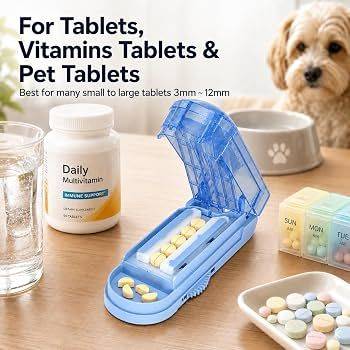
Dog Pill Cutter
Preparing multiple medications can take time, especially when tablets need to be split into smaller doses. This adjustable pill cutter helps hold different pill shapes securely for cleaner, more consistent cuts, making weekly medication prep faster and easier.

Pill Crusher & Splitter Kit
This compact pill crusher and splitter helps you prepare tablets more easily, whether you need a smaller portion or a fine powder to mix into food, making medication time a little simpler and less stressful.
Surgical Recovery Products
After surgery, preventing licking, protecting incisions, and keeping your dog comfortable may become the main priorities at home.
Recovery Suits
Best for: Dogs recovering from procedures where a body covering is appropriate.
Recovery suits may provide an alternative to traditional cones for some dogs by creating a barrier between the dog and the surgical area.
Why We Like Them
- Soft and flexible
- May allow easier eating and sleeping
- Can protect certain incision areas
- Washable
- Available in many sizes
Things to Consider
A recovery suit is not appropriate for every incision location.
It should remain clean and dry, fit properly, and should never interfere with wound monitoring.
[View Recommended Recovery Suits →]

Dog Recovery Suit
Protecting a surgical site, biopsy area, or wound can be difficult, especially if they keep licking or scratching. This soft recovery suit helps cover sensitive areas without the bulk of a cone, allowing your dog to rest and move more comfortably while keeping the area cleaner and better protected during healing.
Protective Cones and Recovery Collars
Best for: Dogs who need to be prevented from licking, chewing, or scratching an incision or treatment area.
Traditional cones remain one of the most reliable ways to physically prevent access to many areas of the body.
Other options may include soft cones or inflatable collars.
What to Look For
- Correct length
- Secure fit
- Ability to eat and drink
- Comfortable neck padding
- Easy cleaning
Important
Choose the product based on whether your dog can still reach the area that needs protection.
Comfort matters, but effective protection matters too.
[View Recommended Recovery Collars →]

Comfy, Soft Cone
Protecting a surgical site, biopsy area, or wound can be stressful, especially if a traditional cone makes eating, sleeping, or moving around harder. This soft inflatable collar helps limit licking and chewing while allowing better visibility and freedom of movement, giving your dog a more comfortable way to rest and heal.
Bedding and Recovery Areas
A calm, accessible resting space can make home recovery easier.
Washable Bedding
Best for: Dogs recovering from treatment, experiencing accidents, or spending more time resting.
Washable bedding can make cleanup easier while still giving your dog a comfortable place to rest.
Helpful Features
- Machine washable
- Removable cover
- Waterproof liner
- Low entry
- Supportive padding
- Non-slip bottom
[View Recommended Washable Bedding →]

Washable, Water-Proof Dog Bed Cover
Accidents, drooling, vomiting, or wound drainage can make keeping your dog's bed clean much harder. This soft, waterproof bed cover adds extra cushioning while protecting the bed underneath from moisture, and it’s machine washable so you can quickly give your dog a clean, comfortable place to rest.

Fluffy, Plushy Washable Dog Bed Cover
Lorem ipsum dolor sit amet, metus at rhoncus dapibus, habitasse vitae cubilia.
Reusable Absorbent Pads
Best for: Dogs experiencing accidents, incontinence, weakness, or difficulty getting outside quickly.
Reusable pads can be placed:
- Under bedding
- Near doors
- In favorite resting areas
- In vehicles
- Under food or water stations
- In recovery areas
Why We Like Them
- Washable
- Reusable
- Can reduce cleanup
- Helpful for travel
- Available in multiple sizes
Choose pads with a non-slip backing whenever possible.
[View Recommended Reusable Pads →]
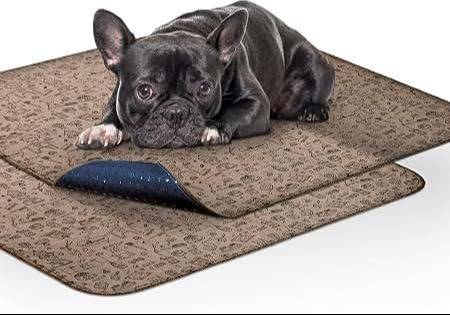
Washable Pee Pads
Lorem ipsum dolor sit amet, metus at rhoncus dapibus, habitasse vitae cubilia.
Home Monitoring Tools
You do not need to turn your home into a veterinary clinic.
A few basic tools, however, can make it easier to notice patterns and provide your veterinary team with useful information.
Digital Thermometers
Best for: Pet parents whose veterinary team has recommended monitoring temperature at home.
A digital thermometer can help track temperature when infection or other complications are a concern.
Important
Ask your veterinary team to show you how to take your dog’s temperature safely and what temperature ranges should prompt a call.
Do not rely on the temperature of your dog’s nose or ears to determine whether they have a fever.
[View Recommended Digital Thermometers →]
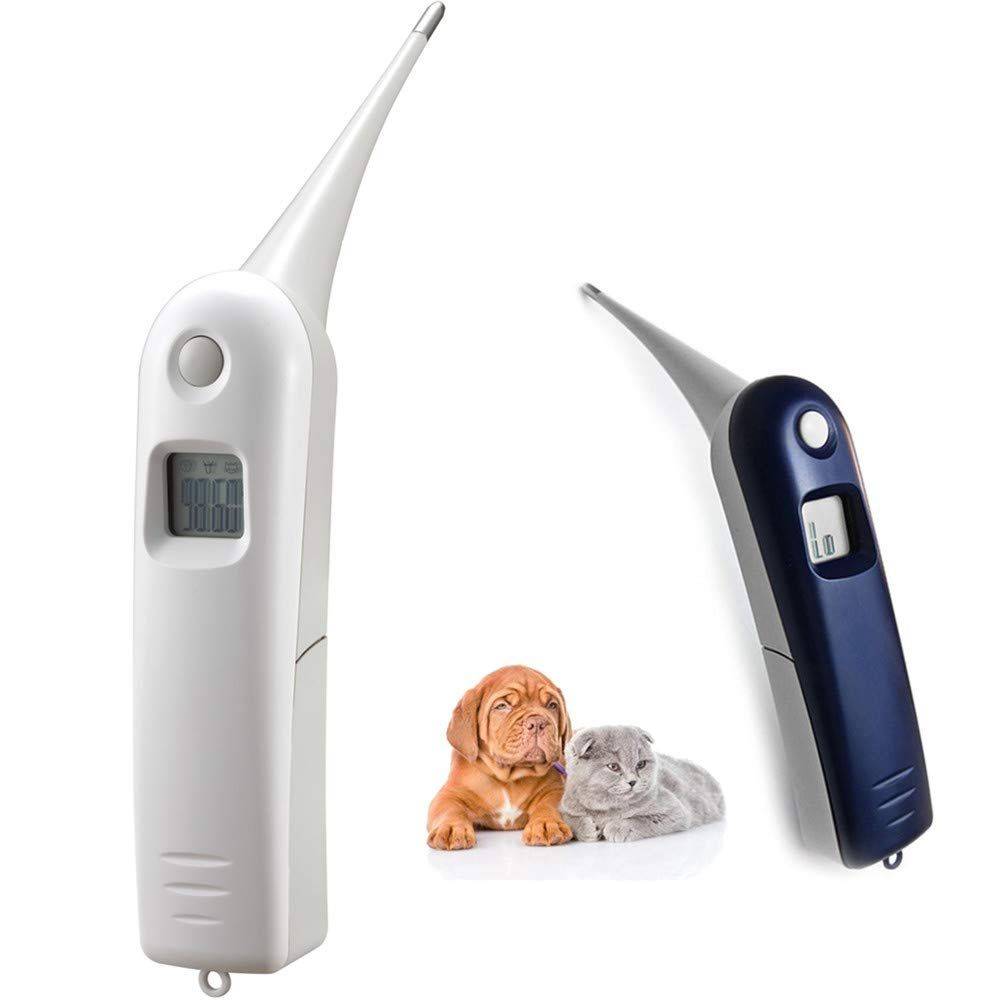
Digital Veterinary Thermometer
Being able to check your dog's temperature at home can help you catch a possible fever quickly, which can be especially important during chemotherapy or when their immune system is compromised. This fast digital rectal thermometer gives a reading in about 20–30 seconds, includes a fever alert, and makes it easier to monitor changes you may need to report to your veterinary team.
Digital Scales
Best for: Dogs whose weight needs to be monitored closely.
Weight changes may be difficult to notice visually, especially when they occur gradually.
For smaller dogs, a pet or baby scale may be practical at home.
For larger dogs, routine veterinary weigh-ins may be easier.
Drake Dog Cancer Foundation Tip
Record weights with the date rather than relying on memory.
A pattern over several weeks is often more useful than a single measurement.
[View Recommended Scales →]
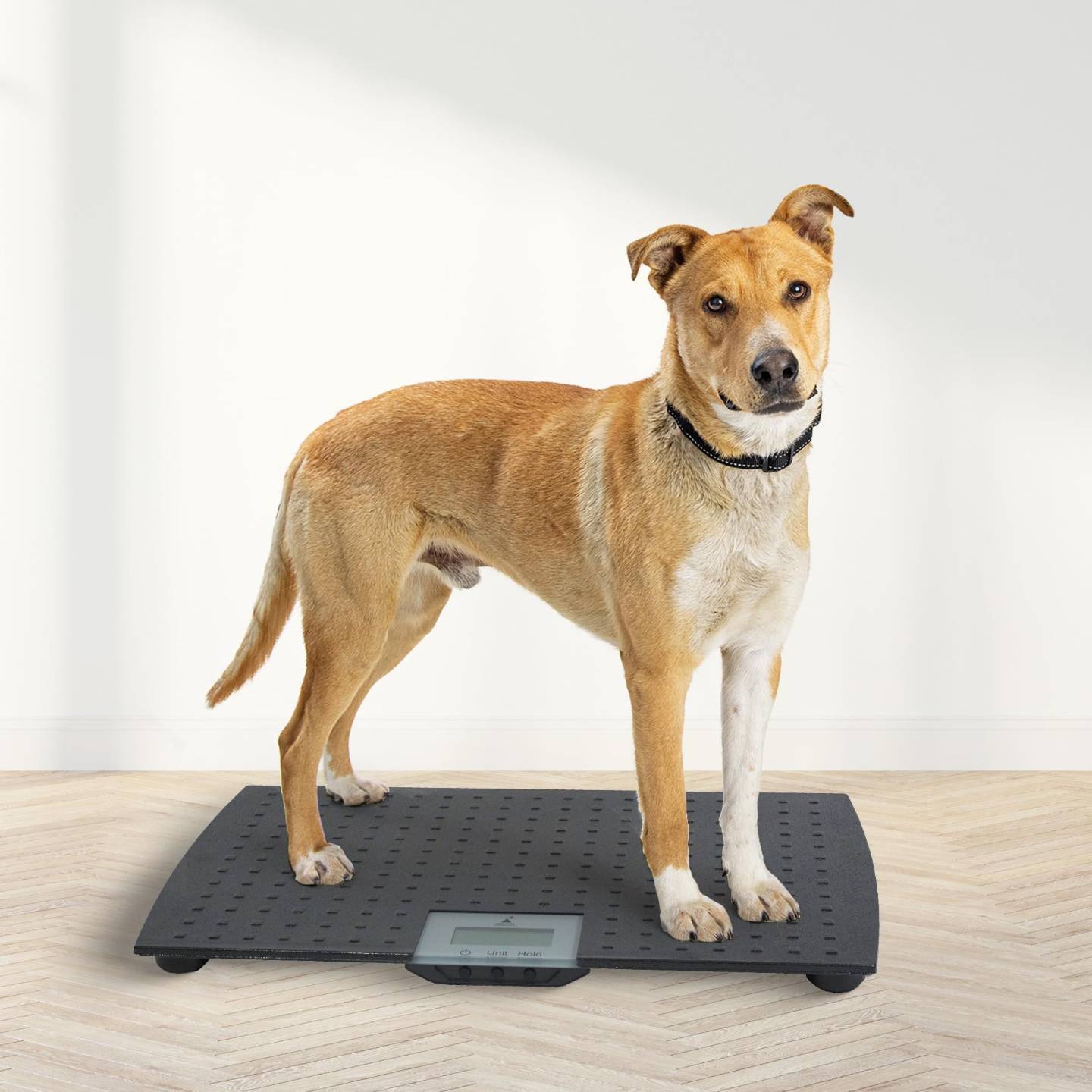
Digital Veterinary Scale
Lorem ipsum dolor sit amet, metus at rhoncus dapibus, habitasse vitae cubilia.
Symptom and Treatment Tracking
Cancer care can involve a large amount of information.
Trying to remember everything can become exhausting.
Treatment Binders and Organizers
Best for: Pet parents managing appointments, medications, test results, treatment instructions, and symptom notes.
A dedicated binder can hold:
- Medication schedules
- Lab results
- Imaging reports
- Oncology notes
- Appointment summaries
- Emergency numbers
- Treatment calendars
- Questions for your veterinarian
- Symptom records
- Insurance paperwork
[View Recommended Binders & Organizers →]

Divider Set for Binders
Keeping pathology reports, lab results, medication information, treatment notes, and care plans organized can make veterinary appointments much less overwhelming. These durable, easy-to-clean dividers help separate important records into sections so you can quickly find the information your veterinary team needs without digging through a stack of paperwork.
Daily Tracker
Best for: Tracking day-to-day changes.
You may find it helpful to record:
- Appetite
- Water intake
- Energy
- Mobility
- Bathroom habits
- Vomiting or diarrhea
- Pain
- Sleep
- Mood
- Medication side effects
- Good days and difficult days
Tracking can make subtle changes easier to recognize and help you communicate more clearly with your veterinary team.
[View Recommended Tracker →]
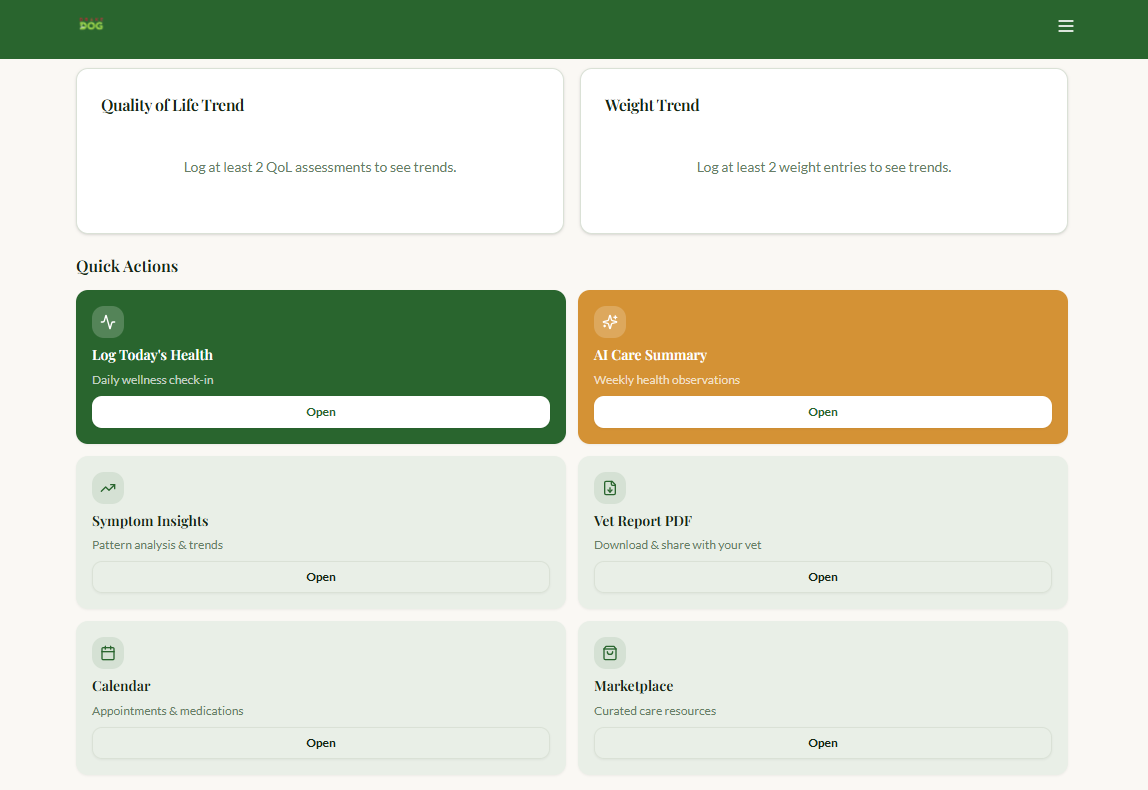
Dog Cancer Tracker
The free Dog Cancer Tracker keeps everything in one place, helping you spot changes over time, remember important details, and share clearer updates with your veterinary team so you can feel more organized and confident in your dog’s care.
Grooming and Hygiene Wipes
Best for: Light cleanup between baths when your dog does not have the energy or mobility for frequent bathing.
Choose products specifically designed for dogs and avoid sensitive areas unless the product is intended for that use.
Things to Consider
Dogs undergoing treatment may have more sensitive skin than usual.
Stop using any product that appears to cause irritation and speak with your veterinary team if skin changes develop.
[View Recommended Pet Wipes →]

Lick-Safe Daily Pet Wipes
Small cleanups can be easier and less tiring than frequent baths, especially if your dog is weak, sore, or recovering from treatment. These gentle, unscented wipes can be used on paws, face, fur, and sanitary areas to remove dirt and messes between baths while being mild enough for sensitive skin and everyday use.
Disposable Gloves and Basic Care Supplies
Best for: Handling messy cleanup, bodily fluids, topical products, or medications when recommended.
Keeping a small supply of disposable gloves in your home care station can make certain tasks easier and more hygienic.
Depending on your dog’s treatment, your veterinary team may give you specific instructions for handling medications, urine, stool, vomit, or other bodily fluids.
Follow those instructions carefully.
[View Recommended Home Care Supplies →]

Medical-Grade Disposable Gloves
Lorem ipsum dolor sit amet, metus at rhoncus dapibus, habitasse vitae cubilia.
Create a Dog Cancer Home Care Station
One of the simplest ways to reduce daily stress is to keep frequently used supplies together.
A home care station might include:
- Medications
- Medication schedule
- Oral syringes
- Pill organizer
- Thermometer
- Disposable gloves
- Cleaning wipes
- Absorbent pads
- Towels
- Veterinary contact information
- Notebook
- Treatment binder
- Extra bedding
- Treats used for medications
Keep the station somewhere easy for caregivers to access but safely out of reach of pets and children.
The goal is simple:
When your dog needs something, you should not have to search the house for it.
How We Choose Products
Drake Dog Cancer Foundation looks for products that may provide practical support for dogs and families navigating cancer.
When considering a recommendation, we look at factors such as:
- Relevance to cancer home care
- Practical usefulness
- Ease of use
- Ease of cleaning
- Safety considerations
- Durability
- Accessibility
- Value
- Comfort
- Usefulness for caregivers
An affiliate relationship does not automatically qualify a product for recommendation.
We ask:
Can this product make treatment, recovery, monitoring, or everyday home care easier for the dog or their family?
Before Buying: Consider Your Dog’s Treatment Plan
A product that is helpful for one dog may be inappropriate for another.
Before choosing home-care supplies, consider:
Your Dog’s Treatment
Surgery, chemotherapy, radiation, immunotherapy, palliative care, and other treatment plans may involve very different home-care needs.
Tumor and Incision Location
Harnesses, clothing, diapers, recovery suits, and other products should never place inappropriate pressure on tumors, wounds, or surgical sites.
Medication Instructions
Some medications have specific storage, handling, timing, or administration requirements.
Mobility
Products should be easy for your dog to access safely.
Your Own Routine
The best home-care system is one you can realistically maintain.
A simple setup used consistently is often more useful than a complicated one that creates additional stress.
Special Care Around Cancer Medications
Certain cancer medications require additional precautions.
Your veterinarian, oncologist, or pharmacist may provide instructions regarding:
- Storage
- Handling
- Gloves
- Tablet splitting
- Cleaning bodily fluids
- Disposal
- Contact with children or other pets
Always follow the instructions provided for your dog’s specific medication.
Do not crush, split, open, or alter a cancer medication unless you have specifically been told it is safe to do so.
When Home Care Needs Veterinary Attention
Home-care products can make daily life easier, but they cannot replace veterinary evaluation when something changes.
Contact your veterinary team if your dog develops:
- Persistent vomiting
- Severe or ongoing diarrhea
- Significant appetite loss
- Difficulty breathing
- Sudden weakness
- Collapse
- New or worsening pain
- Significant bleeding
- Incision swelling or discharge
- Wound opening
- Repeated falls
- Severe lethargy
- Difficulty urinating
- Inability to keep water down
- Sudden changes in behavior
- Any symptom your veterinary team has told you to treat as urgent
If you are unsure whether a symptom is serious, contacting your veterinary team is appropriate.
Frequently Asked Questions
What should I keep at home for a dog undergoing cancer treatment?
Your needs will depend on your dog’s treatment plan, but many families find it helpful to have medication organization tools, washable bedding, absorbent pads, cleaning supplies, veterinary contact information, and a written treatment schedule readily available.
How can I keep track of all my dog’s cancer medications?
Use a written medication list along with a pill organizer, calendar, or medication log. Include the medication name, dose, timing, frequency, and any special instructions.
What should I buy for my dog after cancer surgery?
Your veterinary team should provide specific recovery instructions. Depending on the procedure, useful supplies may include a recovery cone or suit, washable bedding, non-slip flooring, absorbent pads, medication organization tools, and an easily accessible resting area.
Should I check my dog’s temperature at home?
Only if your veterinary team recommends it or you know how to do so safely. Ask what temperature range is considered concerning for your individual dog.
How can I make cancer care at home less overwhelming?
Create simple routines. Keep medications and care supplies organized, write instructions down, track important symptoms, and keep veterinary contact information easy to find.
What symptoms should I track during treatment?
Your veterinary team may ask you to monitor appetite, energy, water intake, bathroom habits, vomiting, diarrhea, pain, mobility, weight, sleep, and treatment-related side effects.
How do I know if a symptom is from treatment or the cancer?
It may not be possible to determine that at home. New, worsening, or concerning symptoms should be discussed with your veterinary team rather than assumed to be an expected treatment side effect.
Home Care Is Part of the Treatment Journey
A large portion of cancer care happens outside the veterinary hospital.
It happens when you give the evening medication.
When you wash the bedding again.
When you write down that your dog ate a little better today.
When you help them outside.
When you notice they seem more tired than yesterday.
When you prepare questions for the next appointment.
These everyday tasks may feel small, but together they help you understand how your dog is doing and make life at home more comfortable.
You do not need a perfect home-care system.
You need one that helps you stay organized enough to spend less time worrying about what you might be forgetting and more time simply being with your dog.
Continue Supporting Your Dog
You may also find these Drake Dog Cancer Foundation resources helpful:
Managing Pain in Dogs With Cancer →
A Note From Drake Dog Cancer Foundation
Every dog’s treatment plan and home-care needs are different.
The products on this page are intended to support organization, comfort, recovery, monitoring, and everyday care. They are not intended to replace your veterinarian’s treatment instructions or medical advice.
When your veterinary team gives specific instructions for medications, surgical recovery, infection prevention, chemotherapy handling, or emergency symptoms, those instructions should always take priority.
Drake Dog Cancer Foundation strives to work alongside veterinary professionals, not replace them, while helping families feel more informed, prepared, and supported throughout their dog’s cancer journey.
