Reducing Your Dog's Cancer Risk
Practical Steps To Reduce Risk And Support Early Detection
You cannot control every factor that may contribute to cancer in your dog.
Genetics, age, breed, hormones, environmental exposures, and changes that occur naturally within cells may all influence cancer risk. Sometimes, cancer develops even when a dog has received exceptional lifelong care.
That does not mean you are powerless.
Although no food, supplement, lifestyle plan, or wellness routine can guarantee that a dog will never develop cancer, thoughtful daily choices may help reduce avoidable risks, support overall health, and improve the chance that concerning changes are discovered earlier.
This guide brings together practical dog cancer prevention strategies, early-detection information, and deeper educational resources to help you make informed decisions for your dog.
Explore Dog Cancer Prevention Articles
Can Cancer Be Prevented In Dogs?
Not every case of dog cancer can be prevented.
Cancer is not one disease with one cause. It is a broad group of diseases in which abnormal cells grow and behave in ways the body can no longer control.
A dog may develop cancer because of:
- Inherited genetic risk
- Breed-related predisposition
- Increasing age
- Hormonal influences
- Environmental exposures
- Ultraviolet radiation
- Secondhand smoke
- Chronic health conditions
- Random changes within cells
- A combination of several factors
In many cases, it is impossible to identify one specific cause.
Prevention should therefore be understood as risk reduction, not a promise.
The goal is to reduce unnecessary exposure to known or suspected risks, support your dog’s overall health, and create a routine that makes it easier to notice changes early.
Explore Dog Cancer Prevention Articles
The Most Important Steps You Can Take
Schedule Regular Veterinary Wellness Visits
Routine veterinary examinations are one of the most important parts of preventive care.
During a wellness visit, your veterinarian may evaluate your dog’s:
- Weight and body condition
- Skin and coat
- Mouth and gums
- Lymph nodes
- Heart and lungs
- Abdomen
- Joints and mobility
- Eyes and ears
- Reproductive system
- Overall behavior and comfort
A veterinarian may notice a lump, enlarged lymph node, weight change, abdominal abnormality, oral lesion, or other concern before it becomes obvious at home.
Cancer risk generally increases as dogs age, but the age at which more intensive screening should begin may depend on breed, size, sex, health history, and individual risk. Regular examinations and awareness of early warning signs play an important role in timely diagnosis.
Ask your veterinarian:
- How often should my dog receive a wellness examination?
- When should senior screening begin?
- Does my dog’s breed have known cancer risks?
- Should bloodwork or urinalysis be performed regularly?
- Are any additional screening tests appropriate?
- Which changes should I watch for at home?
Learn Your Dog’s Individual Risk Factors
Cancer risk is not the same for every dog.
Some breeds develop certain cancers more frequently than others. Larger dogs may have different risks than smaller dogs, and some cancers occur more often in dogs of a particular sex or reproductive status.
Knowing that your dog has an increased risk does not mean cancer is inevitable.
It means you and your veterinarian can be more intentional about:
- Wellness examinations
- At-home monitoring
- Screening recommendations
- Changes that should be investigated
- The age at which closer monitoring may be appropriate
Share as much health history as possible with your veterinarian, including:
- Your dog’s breed or breed mix
- Known health conditions
- Previous lumps or tumors
- Reproductive history
- Past environmental exposures
- Family health history, when available
- Changes in weight, energy, appetite, or behavior
Keep Your Dog At A Healthy Weight
Maintaining an appropriate body condition is one of the most valuable ways to support your dog’s long-term health.
A healthy weight can support:
- Comfortable movement
- Heart and respiratory health
- Joint health
- Healthy metabolism
- Energy and activity
- Overall quality of life
Obesity does not mean a dog will develop cancer, and a lean dog can still receive a cancer diagnosis. However, excess body fat can contribute to inflammation, hormonal changes, reduced mobility, and other health problems. Obesity has also been associated with certain canine tumors, including mammary tumors.
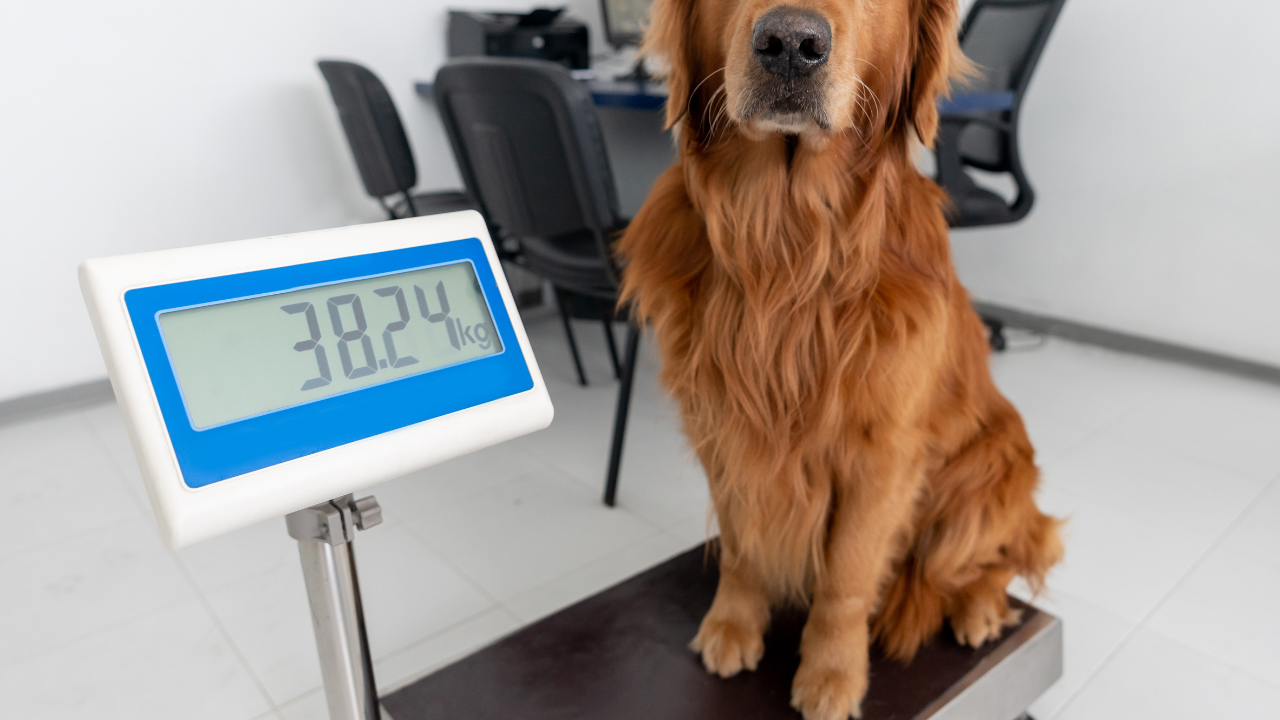
Do not rely only on the number on the scale.
Ask your veterinarian to show you how to evaluate your dog’s body condition score, which considers waist shape, abdominal tuck, and how easily you can feel the ribs.
Helpful habits may include:
- Measuring meals rather than estimating portions
- Accounting for treats and table food
- Choosing treats appropriate for your dog’s needs
- Adjusting calories as your dog ages
- Monitoring weight regularly
- Providing safe, consistent exercise
- Asking for a veterinary weight-management plan when needed
Your dog’s ideal weight should be determined with your veterinary team, especially if your dog has arthritis, endocrine disease, heart disease, or another condition that affects diet or exercise.
Read More: How Your Everyday Decisions Can Help Prevent Cancer in DogsProvide Complete And Balanced Nutrition
There is no single food that can guarantee cancer prevention.
The most important nutritional foundation is a diet that is complete, balanced, appropriate for your dog’s life stage, and suitable for their individual medical needs.
Your dog’s nutritional plan may need to consider:
- Age
- Weight
- Activity level
- Body condition
- Breed and size
- Digestive health
- Allergies or food sensitivities
- Kidney, liver, or heart health
- Other medical conditions
Veterinary nutrition guidelines emphasize individualized nutritional assessment rather than assuming one feeding style is ideal for every dog.
You may also discuss safe ways to incorporate nutrient-rich whole foods with your veterinarian or veterinary nutrition professional.
Depending on your dog’s primary diet and health needs, these might include small amounts of dog-safe:
- Leafy green vegetables
- Cruciferous vegetables
- Berries
- Fish rich in omega-3 fatty acids
- Lean proteins
- Fiber-rich foods
These additions should complement a complete diet rather than create nutritional imbalances.
Foods marketed as “cancer-fighting” should not be viewed as treatments or guarantees. Nutrition can support health, but no individual ingredient can prevent every cancer.
Read More: The Keto Diet for Dogs with Cancer
Support Healthy Movement
Regular movement can help your dog maintain muscle, mobility, cardiovascular fitness, mental engagement, and a healthy body condition.
Exercise does not need to be strenuous to be meaningful.
Depending on your dog’s age and physical health, movement may include:
- Daily walks
- Sniffing and exploration
- Gentle hiking
- Swimming
- Fetch
- Play sessions
- Balance exercises
- Rehabilitation exercises
- Short, frequent walks for senior dogs
The right amount and type of movement depend on your dog.
A young athletic dog may need vigorous daily activity, while a senior dog with arthritis may benefit from several gentle walks and veterinarian-guided rehabilitation.
Avoid pushing your dog through pain, weakness, breathing difficulty, or extreme fatigue.
Ask your veterinarian about an appropriate activity plan if your dog has mobility problems, heart disease, respiratory disease, obesity, or another chronic condition.
Create a Smoke-Free Environment
Secondhand smoke does not affect only people.
Dogs living around tobacco smoke can inhale smoke and may also encounter residue that settles on floors, furniture, bedding, and their fur.
Veterinary references identify secondhand smoke as an avoidable environmental cancer risk for companion animals. Maintaining a smoke-free home and vehicle can remove this source of exposure.
Helpful steps include:
- Do not smoke or vape inside the home
- Keep vehicles smoke-free
- Avoid smoking near doors and open windows
- Wash hands before handling your dog after smoking
- Clean surfaces where smoke residue may collect
- Wash bedding regularly
- Change outer clothing after heavy smoke exposure when possible
Opening a window does not fully eliminate smoke exposure.
The most protective approach is to keep your dog’s indoor environment entirely smoke-free.

Reduce Unnecessary Chemical Exposure
Dogs experience the environment differently than people.
They walk barefoot across lawns, lie on floors, sniff close to the ground, and lick their paws and coat. This may increase contact with residues from lawn products, household cleaners, pesticides, herbicides, and other chemicals.
Environmental factors such as some farm chemicals, air pollutants, ultraviolet radiation, and tobacco smoke have been studied as potential contributors to cancer risk. However, the level of evidence varies by chemical, cancer type, exposure, and dog population.
Reducing unnecessary exposure is a reasonable precaution.
Consider these steps:
- Follow all product-label safety instructions
- Keep dogs away from freshly treated lawns
- Store chemicals where pets cannot reach them
- Avoid mixing cleaning products
- Use adequate ventilation while cleaning or renovating
- Wipe your dog’s paws after walking in recently treated areas
- Ask lawn-care companies what products they apply
- Choose lower-exposure landscaping methods when practical
- Prevent your dog from drinking from contaminated puddles
- Discuss flea-and-tick prevention with your veterinarian rather than stopping essential parasite protection without an alternative plan
“Natural” does not automatically mean safe.
Essential oils, concentrated plant products, homemade pesticides, and other natural substances may irritate or poison dogs when used incorrectly.
Read More: The Dangers Of Pesticides And HerbicidesPay Attention To Indoor Air Quality
Dogs spend much of their lives close to floors, carpeting, furniture, and household dust.
Indoor air may contain:
- Tobacco smoke
- Cooking smoke
- Fireplace particles
- Dust
- Mold spores
- Volatile organic compounds
- Fragrances
- Renovation materials
- Outdoor pollution that enters the home
You do not need to create a perfectly sterile environment. Focus on practical ways to improve the air your family and dog share.
These may include:
- Keeping the home smoke-free
- Using ventilation while cooking
- Addressing moisture and visible mold
- Changing heating and cooling filters as recommended
- Vacuuming and cleaning regularly
- Choosing low-VOC products during renovations
- Testing the home for radon where appropriate
- Using suitable air filtration when needed
Air filtration cannot remove every environmental risk, and it should not replace radon mitigation, mold remediation, or removal of a pollution source.
Read More: How Air Filtration Reduces Cancer Risk For You And Your DogProtect Vulnerable Skin From Excessive Sun Exposure
Ultraviolet radiation can contribute to skin damage and certain cancers, particularly in lightly pigmented or sparsely haired areas.
Dogs with white or light-colored skin may be more vulnerable on areas such as:
- The nose
- Ear tips
- Eyelids
- Abdomen
- Inner legs
- Areas with thin or absent hair
Veterinary guidance recommends limiting excessive ultraviolet exposure, especially for animals with light skin or fur.
Consider:
- Providing access to shade
- Avoiding extended sun exposure during the strongest part of the day
- Using protective clothing designed for dogs
- Asking your veterinarian about dog-safe sun protection
- Checking exposed skin for sores, crusting, redness, color changes, or wounds that do not heal
Do not apply human sunscreen without veterinary guidance. Some ingredients may be unsafe if a dog licks the product.
Discuss Spay And Neuter Timing With Your Veterinarian
Spaying and neutering can provide important health, behavioral, and population-control benefits.
These procedures can prevent reproductive cancers and diseases, including ovarian and uterine tumors, testicular cancer, and pyometra. Earlier spaying has also historically been associated with a lower incidence of mammary tumors.
However, research suggests that the relationship between reproductive status, timing, joint disease, obesity, and certain cancers may differ by breed, sex, and body size.
There is no single timing recommendation that is ideal for every dog. The AVMA recommends discussing the benefits and risks with a veterinarian so the decision can be individualized.
Factors to discuss include:
- Breed
- Adult size
- Sex
- Age
- Family history
- Cancer predisposition
- Joint-disease risk
- Reproductive-disease risk
- Behavior
- Lifestyle
- Ability to prevent accidental breeding
- Other medical conditions
This decision should be made with a licensed veterinarian who understands your dog’s complete health picture.
Read More: Spay And Neuter Syndrome In Dogs—What Does It Have To Do With Cancer?Support Gut And Microbiome Health
The intestinal microbiome is the community of microorganisms living within the digestive tract.
Researchers continue to study how the microbiome interacts with digestion, metabolism, inflammation, immunity, medications, and overall health.
Supporting digestive health may include:
- Feeding a complete and balanced diet
- Introducing diet changes gradually
- Avoiding unnecessary antibiotics
- Using antibiotics appropriately when prescribed
- Addressing recurring digestive symptoms
- Providing appropriate dietary fiber
- Discussing probiotics with your veterinarian
- Keeping your dog physically active
- Seeking care for persistent vomiting, diarrhea, constipation, or weight loss
Microbiome support should not be presented as a proven method of preventing cancer. It is one part of supporting the body’s broader health.
Read More: Why Cancer Prevention Starts In The MicrobiomeCheck Your Dog At Home Every Month
Early detection is not the same as prevention.
However, finding a suspicious change earlier may provide more time to investigate it and may increase the number of care options available. Veterinary oncology guidance emphasizes regular examinations, awareness of warning signs, and timely evaluation.
Choose one day each month for a gentle nose-to-tail check.
Check The Mouth
Look at the:
- Gums
- Tongue
- Roof of the mouth
- Inside of the cheeks
- Teeth
- Lips
- Area under the tongue when safely possible
Watch for:
- New growths
- Bleeding
- Sores
- Unusual odor
- Color changes
- Loose teeth
- Difficulty chewing
- One-sided facial swelling
Check The Skin And Coat
Run your hands slowly over your dog’s body.
Pay attention to:
- New lumps
- Changes in existing lumps
- Swelling
- Scabs
- Sores
- Hair loss
- Skin discoloration
- Areas that seem painful
- Wounds that do not heal
Feel The Legs And Paws
Check for:
- Swelling
- Persistent limping
- Broken or abnormal nails
- Pain
- Differences between matching legs
- Changes in the paw pads
Observe The Abdomen
Do not press deeply.
Notice whether the abdomen appears:
- Enlarged
- Uneven
- Tense
- Painful
- Suddenly swollen
A sudden swollen abdomen, collapse, pale gums, breathing difficulty, or extreme weakness may be an emergency.
Observe Daily Habits
Pay attention to changes in:
- Appetite
- Water intake
- Weight
- Energy
- Breathing
- Urination
- Stool
- Mobility
- Sleep
- Mood
- Interest in favorite activities
Write down anything new and take photographs of visible changes.
Take a Proactive Approach to Canine Health with DNA TestingDo Not Watch A Lump Indefinitely
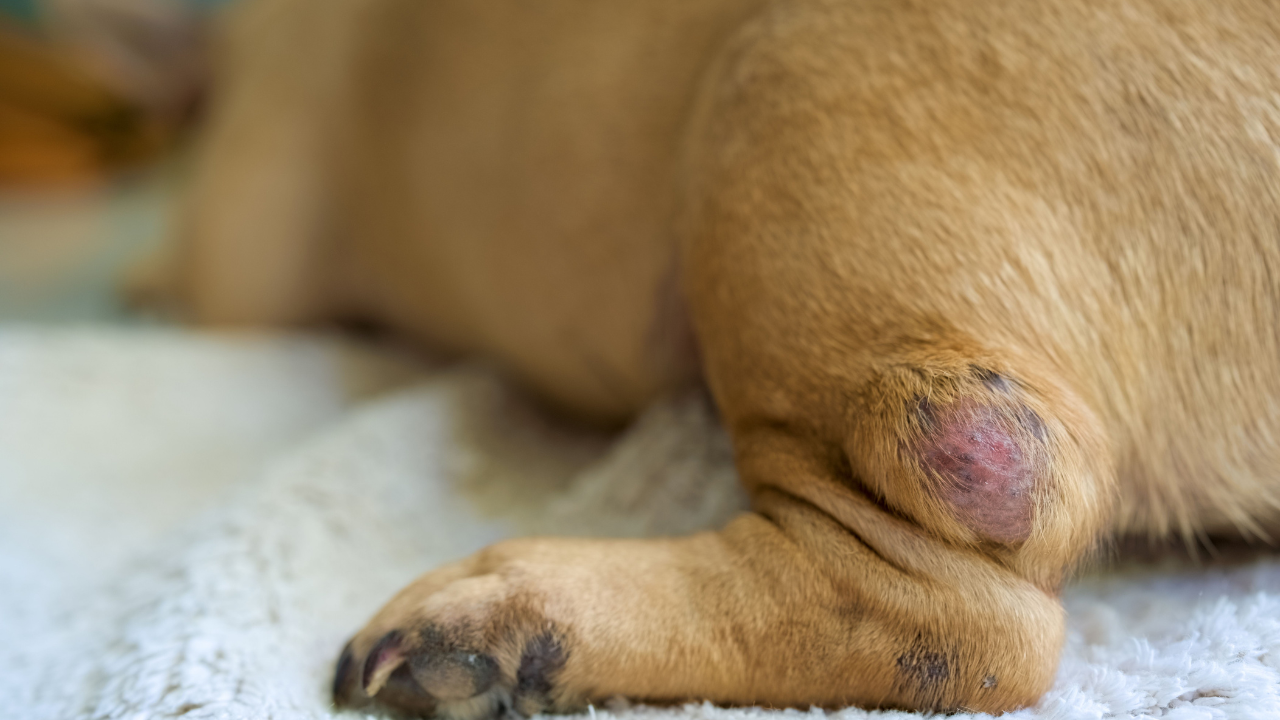
You cannot reliably determine whether a lump is harmless by looking at it or feeling it.
Soft lumps can be malignant. Firm lumps can be benign. Cancerous and noncancerous masses may look nearly identical from the outside.
Contact your veterinarian when you discover:
- A new lump
- A rapidly growing lump
- A mass that changes shape, texture, or color
- A lump that bleeds or becomes ulcerated
- A painful mass
- A lump that returns after removal
- Swelling near a lymph node
- Any change that concerns you
Your veterinarian may recommend measuring the mass, monitoring it, performing a fine-needle aspiration, or obtaining a biopsy.
Waiting for a lump to become large or visibly dangerous may delay diagnosis.
Signs That Should Be Evaluated
Many possible cancer signs can also be caused by infections, dental disease, hormonal conditions, arthritis, digestive disorders, or other noncancerous problems.
The presence of one symptom does not mean your dog has cancer.
Schedule a veterinary appointment for persistent or unexplained changes such as:
- A new or changing lump
- Unexplained weight loss
- Reduced appetite
- Ongoing vomiting or diarrhea
- Persistent coughing
- Difficulty eating or swallowing
- Abnormal bleeding
- Changes in urination
- Persistent limping
- Enlarged lymph nodes
- Loss of stamina
- Unusual swelling
- A wound that does not heal
- Repeated pain
- Significant behavior changes
- Unexplained weakness
Seek immediate veterinary care for severe breathing difficulty, collapse, uncontrolled bleeding, seizures, pale or blue gums, sudden abdominal swelling, extreme weakness, or severe pain.
Build Your Dog’s Personal Prevention Plan
Use this checklist as a starting point.
Veterinary Care
- Schedule regular wellness examinations
- Ask when senior screening should begin
- Discuss breed-specific cancer risks
- Keep vaccinations and parasite prevention individualized and current
- Request copies of important medical records
- Investigate persistent symptoms
Nutrition And Weight
- Feed a complete and balanced diet
- Monitor body condition
- Measure meals when needed
- Account for treats
- Review diet and weight with your veterinarian
- Avoid unbalanced homemade diets unless formulated professionally
Movement
- Provide regular, appropriate exercise
- Adjust activity for age and health
- Maintain muscle and mobility
- Seek help for pain or reduced movement
Environment
- Keep the home and vehicle smoke-free
- Reduce unnecessary chemical exposure
- Follow product safety labels
- Improve indoor ventilation
- Protect vulnerable skin from excessive sun
- Keep hazardous products out of reach
At-Home Monitoring
- Perform a monthly body check
- Check your dog’s mouth
- Record new lumps
- Photograph visible changes
- Monitor weight
- Notice changes in appetite, energy, mobility, and behavior
- Contact your veterinarian when something does not seem right
Frequently Asked Questions
Is There A Proven Way To Prevent Cancer In Dogs?
No strategy can prevent every case of dog cancer.
You can reduce certain avoidable risks, maintain preventive veterinary care, support a healthy body condition, limit harmful environmental exposures, and monitor your dog for changes.
These steps support overall health and early detection, but they cannot provide a guarantee.
Can A Specific Diet Prevent Dog Cancer?
No diet has been proven to prevent every type of canine cancer.
Feed a complete and balanced diet that meets your dog’s individual needs. Discuss major diet changes, supplements, or homemade recipes with your veterinarian or a qualified veterinary nutrition professional.
Do Supplements Prevent Cancer In Dogs?
No supplement has been proven to prevent all canine cancers.
Some supplements may be appropriate for an individual dog, while others may cause side effects, interact with medications, affect laboratory results, or provide little benefit.
Ask your veterinarian before starting a supplement, especially if your dog has a medical condition or takes medication.
Does Spaying Or Neutering Prevent Cancer?
Spaying and neutering eliminate the risk of some reproductive cancers and diseases and may reduce the risk of certain other tumors.
However, the relationship between timing and other health risks can vary by breed, sex, and size.
Discuss the decision with your veterinarian rather than relying on one recommendation for every dog.
Does Early Detection Prevent Cancer?
Early detection does not prevent cancer from developing.
It may allow cancer to be investigated at an earlier stage, when more diagnostic or treatment options could be available.
When Should Cancer Screening Begin?
The appropriate age depends on your dog’s breed, size, sex, health history, and risk factors.
Some evidence suggests that routine cancer-focused evaluation may be worth discussing around age seven for many dogs and earlier for breeds that tend to develop cancer at younger ages. Your veterinarian can recommend an individualized schedule.
How Often Should I Check My Dog For Lumps?
A monthly nose-to-tail check is a practical routine.
You should also pay attention whenever you pet, groom, bathe, or handle your dog.
Contact your veterinarian when you notice a new lump or a change in an existing one.
Is Cancer My Fault?
No.
Many dogs develop cancer despite receiving excellent nutrition, exercise, veterinary care, affection, and a safe home.
Cancer is complex, and in many cases there was nothing a pet parent could reasonably have done to prevent it.
Prevention information should help you feel more prepared—not blamed.
Important Medical Disclaimer
The information on this page is intended for educational and supportive purposes only.
It does not diagnose, treat, cure, or prevent cancer and does not replace examination, diagnosis, treatment, or individualized advice from a licensed veterinarian.
Always consult your veterinarian before changing your dog’s diet, supplements, medications, parasite-prevention plan, exercise routine, or reproductive care.
Contact a veterinarian promptly if you notice a new lump, persistent symptom, or concerning health change. Seek emergency veterinary care for severe, sudden, or life-threatening symptoms.
