What is Vincristine for Dogs with Cancer?
Aug 19, 2026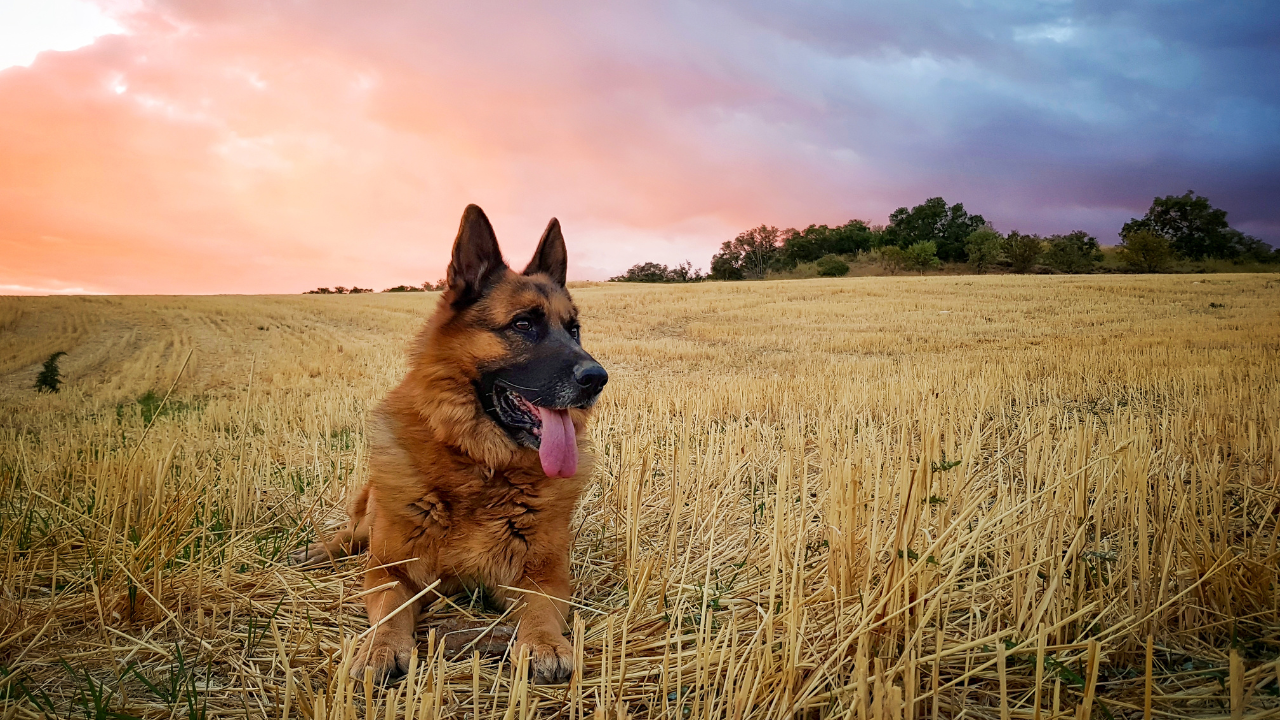
Vincristine is a chemotherapy drug used in dogs, most often as part of the combination protocol for lymphoma. It comes from the Madagascar periwinkle plant, it's given as an injection into a vein, and it works by jamming the machinery cells use to divide. Fast-dividing cells are hit hardest, which is why it works on cancer and also why it affects bone marrow and the gut lining.
Most owners arrive worried about the things they associate with human chemotherapy. Nausea. Hair falling out. Being wiped out for weeks. Those concerns are reasonable but somewhat misplaced. Veterinary protocols are deliberately dosed to protect quality of life, and most dogs go through vincristine treatments without much drama.
The risk that can cause serious, lasting harm is a different one, and it's the reason for something you'll notice in the treatment room. Vincristine is a vesicant, meaning that if any of it leaks outside the vein during the injection, it damages the surrounding tissue. That's why the team is fussy about the catheter, why they may move to a different leg, why they'll sedate a wiggly dog rather than push through, and why they won't hurry. What can look like excessive caution or an unnecessary extra poke is the single most important safety step in the whole appointment.
There's one more thing worth knowing before the first treatment, especially if your dog is a herding breed or a mix that might have herding ancestry. A cheek swab can tell you whether your dog carries a gene variant that changes how they handle this exact drug.
Key points
- Vincristine is given intravenously, usually as part of a multi-drug lymphoma protocol. It is never given by mouth or under the skin.
- It's a vesicant. Leakage outside the vein can cause tissue damage that shows up over the following days, so careful catheter placement is a safety issue, not a formality.
- Dogs with the MDR1 (ABCB1) gene variant are significantly more likely to develop low white cell and platelet counts after vincristine. Testing is a cheek swab.
- The white cell count typically dips around a week after treatment, which is why bloodwork gets rechecked on a schedule rather than only when your dog seems unwell.
- Vincristine also has a non-cancer use. It's given to speed platelet recovery in dogs with immune-mediated thrombocytopenia.
- Fever or lethargy in the week after treatment is an urgent call, not a wait-and-see.
Detailed explanation
What it is and how it works
Vincristine belongs to a family of drugs called vinca alkaloids, originally isolated from the Madagascar periwinkle. Its close relative vinblastine is used more often for mast cell tumors, and the two are similar enough that hospitals write the names in a deliberately distorted way on labels and prescriptions to prevent mix-ups.
The mechanism is elegantly simple. When a cell divides, it builds an internal scaffolding of microtubules to pull the duplicated chromosomes apart. Vincristine binds to the protein those microtubules are made from and stops the scaffolding from assembling. The cell gets stuck partway through division and dies (Mealey et al., 2008).
Because the drug targets division rather than cancer specifically, it also affects the body's other fast-dividing populations. Bone marrow, where blood cells are made. The lining of the intestine. Hair follicles in some breeds. That overlap is the source of essentially every side effect on the list.
What it's used for
The most common use in dogs is multicentric lymphoma. Vincristine is one component of the standard combination protocol, where it's given on specific weeks alongside other drugs. You may hear the protocol called CHOP, and the O in that acronym is Oncovin, an old brand name for vincristine.
It's also the treatment of choice for transmissible venereal tumor, where it works remarkably well as a single agent, and it appears in protocols for some leukemias and other cancers.
Then there's a use that surprises most people, because it has nothing to do with cancer. In dogs with immune-mediated thrombocytopenia, a condition where the immune system destroys the dog's own platelets, a single dose of vincristine alongside steroids gets platelet counts up faster than steroids alone and shortens hospital stays (Rozanski et al., 2002). A later randomized trial found it performed comparably to human intravenous immunoglobulin, with a median platelet recovery time of 2.5 days in both groups (Balog et al., 2013). So if your dog has been given vincristine and nobody has mentioned cancer, this is very likely why.
The same monitoring applies here. In a review of 127 dogs given vincristine for suspected immune-mediated thrombocytopenia, 19 became neutropenic afterward, and dogs also receiving cyclosporine were substantially more likely to do so (LaQuaglia et al., 2021). A dog getting vincristine for a platelet problem still needs their white cell count watched.
Why the catheter matters so much
This is the part worth understanding in advance, because it explains behavior that otherwise looks like fussing.
Vincristine is classified as a vesicant. If it escapes the vein into the surrounding tissue during administration, it causes local injury that can progress to swelling, ulceration, and tissue death. Signs may not appear immediately. With vinca alkaloids the damage typically becomes visible over roughly the first week, and the full extent can take longer still to declare itself.
Veterinary oncology guidelines are explicit about prevention: a clean-stick catheter placement, proper restraint, adequate flushing, and delivering the drug by hand rather than by pump (American Animal Hospital Association, 2026b). A clean stick means the vein was entered on the first attempt with no prior punctures upstream, because a vein poked earlier that day can leak from the old hole even when the new catheter is perfectly placed.
That single requirement explains most of what you'll observe. Why they may decline to use the leg that had blood drawn this morning. Why they'll start over rather than adjust a catheter that isn't sitting quite right. Why an anxious dog who won't hold still may be given sedation instead of being restrained harder. Why the injection is given slowly by a person watching the site the whole time rather than set up on a pump and left.
A retrospective review of chemotherapy extravasation events found vinca alkaloid leaks produced injuries that were significant but generally managed on an outpatient basis, unlike some other drugs. That's reassuring as far as it goes. It's still an outcome everyone would rather avoid entirely, and prevention is far more effective than treatment.
If your dog licks at a treatment site, limps on that leg, or you notice redness, swelling, or scabbing in the days after an injection, call the oncology service. Don't wait for the next scheduled visit. There are mitigation steps that work better the sooner they're started, and the response to a suspected leak is specific: the team withdraws what drug they can rather than flushing the site (American Animal Hospital Association, 2026a).
The gene test worth asking about
The MDR1 gene, now more properly called ABCB1, codes for a protein that acts as a pump. It sits in the lining of the gut, the biliary system, the kidneys, and the blood vessels of the brain, and its job is to move certain drugs out of cells and out of the body.
Some dogs carry a mutation that produces a broken version of this pump. Vincristine is one of the drugs it normally handles, so dogs with the mutation clear the drug more slowly and are exposed to more of it.
The clinical consequences are measurable. In a study of 34 dogs with lymphoma genotyped before treatment, 75 percent of dogs carrying one or two copies of the mutation developed low neutrophil counts and 62.5 percent developed low platelet counts, compared with 11.5 percent of dogs with two normal copies (Mealey et al., 2008). Note that a single copy was enough to matter.
Neurological toxicity has also been reported. A collie with two copies of the mutation developed weakness in all four limbs and self-mutilation that worsened during chemotherapy, a picture the authors noted resembles what happens in people when vincristine is accidentally given into the spinal fluid (Krugman et al., 2012). That case is a reminder that the stakes here are not limited to blood counts.
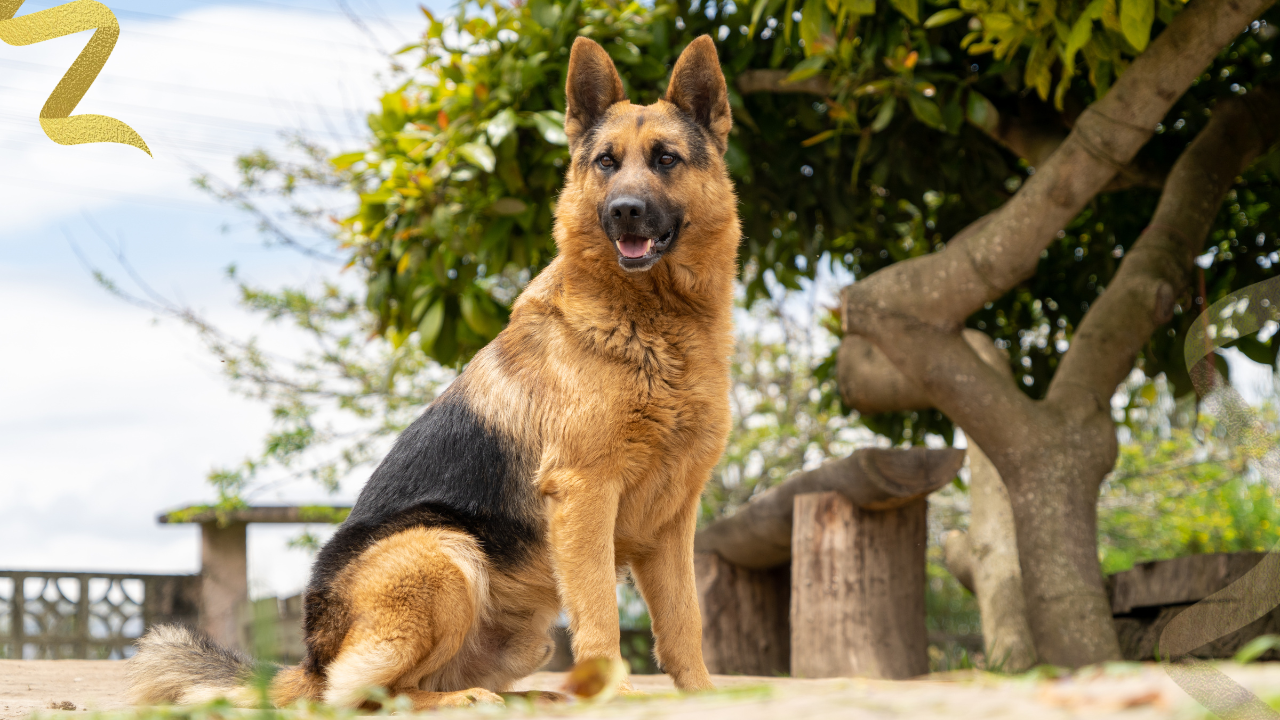
The mutation is most common in herding breeds. Collies have the highest prevalence, with reported figures reaching around 70 percent carrying at least one copy, and it's also frequent in Australian Shepherds, Shetland Sheepdogs, Old English Sheepdogs, English Shepherds, Long-Haired Whippets, and Silken Windhounds (American Animal Hospital Association, 2025). It turns up in German Shepherds and in mixed breed dogs too, including dogs who don't obviously look like herding mixes.
Testing is a cheek swab or a blood sample and it's inexpensive. Ask your oncology service about turnaround time, since it varies by laboratory and it needs to fit ahead of your treatment schedule. Knowing the answer lets your oncologist adjust the plan before the first treatment rather than reacting to a problem after it happens.
Worth adding a wrinkle: not all vincristine sensitivity is explained by this gene. In a study of Border Collies with two normal copies of ABCB1, 3 of 5 developed vincristine-associated myelosuppression, compared with none of 21 dogs of other breeds who also had two normal copies. No causative mutation was found to explain it (Lind et al., 2013). Those are very small numbers and the finding needs confirming in a larger group, but the authors concluded there is a breed-associated sensitivity in Border Collies that ABCB1 doesn't account for. A normal test result is useful information, not a guarantee.
Side effects and what to expect
Chemotherapy in dogs is dosed differently from chemotherapy in people. The goal is control of the disease with quality of life preserved, not maximum tolerated dose. Roughly 15 to 30 percent of dogs receiving chemotherapy experience side effects, and most of those are mild (American Animal Hospital Association, 2026b).
Low white blood cell count. The most clinically important effect. Vincristine suppresses the bone marrow, and the neutrophil count reaches its lowest point in the days after treatment, generally within a week to two weeks (Mealey et al., 2008). This is why your team schedules a blood recheck rather than waiting for symptoms. A dog with a very low neutrophil count can look completely normal right up until they become seriously ill, so the bloodwork is doing work that observation cannot.
Stomach upset. Vomiting, soft stool, decreased appetite. Usually mild and self-limiting, typically lasting around three days, and often preventable with medication given proactively rather than reactively (American Animal Hospital Association, 2026b).
Constipation and reduced gut motility. Vincristine can slow the intestines. Worth mentioning if your dog seems to be straining or hasn't passed stool normally.
Peripheral nerve effects. A prominent problem in human patients, much less common in dogs, but reported. Weakness or an unusual gait after treatment is worth flagging.
Hair coat changes. Dogs generally don't lose their coats the way people do. Breeds with continuously growing hair, like Poodles and Old English Sheepdogs, are the exception. Whiskers often thin regardless of breed.
Safety at home
Vincristine is given at the hospital, so you won't handle the drug itself. You will handle your dog's waste.
Cytotoxic drugs and their metabolites are excreted for a period after treatment. Ask your oncology team for their specific guidance, which is usually a defined window of a few days during which you wear gloves to pick up stool, avoid letting your dog eliminate in areas where children play, and wash your hands thoroughly. Pregnant people and anyone immunocompromised in the household should not handle waste during that window.
This isn't cause for alarm about ordinary contact. Petting, cuddling, and sharing space with your dog are fine.
When to contact a veterinarian
Call immediately, including outside business hours, if in the days after a vincristine treatment your dog:
- Develops a fever, or feels hot and seems unwell. In a dog with a low neutrophil count this is an emergency, not something to monitor overnight.
- Becomes lethargic, weak, or won't get up
- Stops eating for more than a day
- Vomits repeatedly or has diarrhea lasting more than a day, or has bloody diarrhea at any point
- Shows redness, swelling, blistering, scabbing, or pain at or near the injection site, or starts limping on that leg
- Licks persistently at the treatment site
- Seems wobbly, weak in the limbs, or is walking abnormally
- Is straining to pass stool or hasn't passed any
Lethargy combined with not eating in the week after treatment is the pattern that most warrants a same-day call. The concerning version and the harmless version look similar from the outside, and the bloodwork is what separates them.
Questions to ask your veterinarian
- Should my dog be tested for the MDR1 (ABCB1) mutation before starting, given their breed or ancestry?
- When will you recheck bloodwork after each treatment, and what should I do if I can't make that appointment?
- What temperature should I treat as a fever, and do you want me taking my dog's temperature at home?
- Which anti-nausea or anti-diarrhea medications should I have on hand before the first treatment, rather than scrambling for them afterward?
- What exactly should the injection site look like tomorrow, and what would tell me something is wrong?
- How long should I use gloves for waste handling, and are there people in my household who should avoid it entirely?
- If my dog has a rough week, what are the options? Does that mean adjusting the dose, delaying, or changing drugs?
- What are we hoping vincristine will do for my dog specifically, and how will we know whether it's working?
Sources
American Animal Hospital Association. (2025). White feet don't treat: Considerations for dogs with MDR1 mutations. NEWStat. https://www.aaha.org/newstat/publications/white-feet-dont-treat-considerations-for-dogs-with-mdr1-mutations/
American Animal Hospital Association. (2026a). Chemotherapy extravasation management. 2026 AAHA Oncology Guidelines for Dogs and Cats. https://www.aaha.org/resources/2026-aaha-oncology-guidelines-for-dogs-and-cats/chemotherapy-extravasation-management/
American Animal Hospital Association. (2026b). Therapeutic modalities: Chemotherapy. 2026 AAHA Oncology Guidelines for Dogs and Cats. https://www.aaha.org/resources/2026-aaha-oncology-guidelines-for-dogs-and-cats/section-5-therapeutic-interventions/therapeutic-modalities-chemotherapy/
Balog, K., Huang, A. A., Sum, S. O., Moore, G. E., Thompson, C., & Scott-Moncrieff, J. C. (2013). A prospective randomized clinical trial of vincristine versus human intravenous immunoglobulin for acute adjunctive management of presumptive primary immune-mediated thrombocytopenia in dogs. Journal of Veterinary Internal Medicine, 27(3), 536–541. https://doi.org/10.1111/jvim.12066
Krugman, L., Bryan, J. N., Mealey, K. L., & Chen, A. (2012). Vincristine-induced central neurotoxicity in a collie homozygous for the ABCB1Δ mutation. Journal of Small Animal Practice, 53(3), 185–187. https://doi.org/10.1111/j.1748-5827.2011.01155.x
LaQuaglia, K. A., Robertson, J. B., & Lunn, K. F. (2021). Neutropenia in dogs receiving vincristine for treatment of presumptive immune-mediated thrombocytopenia. Journal of Veterinary Internal Medicine, 35(1), 226–233. https://doi.org/10.1111/jvim.16029
Lind, D. L., Fidel, J. L., Gay, J. M., & Mealey, K. L. (2013). Evaluation of vincristine-associated myelosuppression in Border Collies. American Journal of Veterinary Research, 74(2), 257–261. https://doi.org/10.2460/ajvr.74.2.257
Mealey, K. L., Fidel, J., Gay, J. M., Impellizeri, J. A., Clifford, C. A., & Bergman, P. J. (2008). ABCB1-1Δ polymorphism can predict hematologic toxicity in dogs treated with vincristine. Journal of Veterinary Internal Medicine, 22(4), 996–1000. https://doi.org/10.1111/j.1939-1676.2008.0122.x
Rozanski, E. A., Callan, M. B., Hughes, D., Sanders, N., & Giger, U. (2002). Comparison of platelet count recovery with use of vincristine and prednisone or prednisone alone for treatment for severe immune-mediated thrombocytopenia in dogs. Journal of the American Veterinary Medical Association, 220(4), 477–481.
Reviewed by: Amber L. Drake, PhD
Dr. Amber L. Drake is a board-certified holistic health practitioner, canine clinical herbalist, educator, and founder of the Drake Dog Cancer Foundation and Drake Dog Academy. She is dedicated to helping pet parents better understand canine cancer, treatment options, nutrition, quality of life, and supportive care through compassionate, evidence-informed education. Her work combines professional training, practical resources, and firsthand insight from supporting thousands of dog families through the challenges of a cancer diagnosis.
Stay connected with news and updates!
Join our mailing list to receive the latest news and updates from our team.
Don't worry, your information will not be shared.
We hate SPAM. We will never sell your information, for any reason.