Does Cancer Make Dogs Drink More Water?
Apr 03, 2026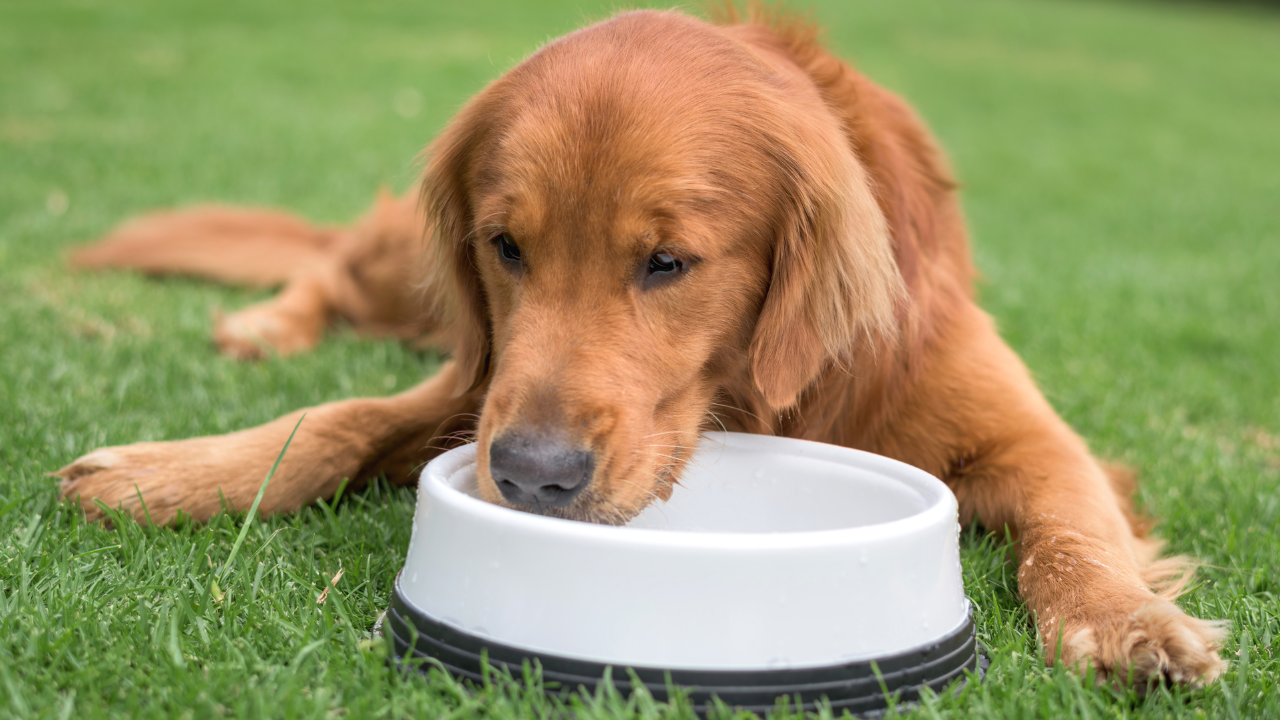
Yes, it can, and increased thirst is one of the more useful signs a dog can give you, because it points toward a short, specific, testable list of causes rather than a vague one.
In a dog with cancer, the most common reasons for increased drinking are steroid medication such as prednisone, which is very widely used in canine oncology and reliably causes marked thirst; a high blood calcium level produced by certain tumors, most often T-cell lymphoma and anal sac carcinoma; kidney or liver involvement; and Cushing's disease, which in the great majority of dogs is itself caused by a small tumor of the pituitary gland.
It is equally important to say that increased thirst is far more often not cancer. The three most common causes in dogs generally are chronic kidney disease, diabetes mellitus, and Cushing's disease. In an unspayed female, sudden increased drinking can signal a uterine infection, which is an emergency.
Almost all of these are identified through the same first step: a blood panel and a urine sample. That combination gives an answer in most cases.
One thing not to do while you wait: never restrict your dog's water.
Key points
- A dog drinking more than about 100 mL per kilogram of body weight per day is definitely drinking too much. Normal is roughly 50–60 mL/kg/day. For a 20 kg dog, that means concern starts around 2 litres a day.
- Measuring intake for two or three days is genuinely valuable. Owners commonly over- or under-estimate, and measured numbers change what happens next.
- Prednisone and other steroids are probably the most common cause in a dog already being treated for cancer. This is expected, not a warning sign.
- Cancer is the most common cause of high blood calcium in dogs. Increased thirst is one of its main signs, and it can damage the kidneys, so it is worth identifying promptly.
- Cushing's disease is usually caused by a tumor — a pituitary adenoma, in roughly 80–85% of cases. It is typically benign and treatable, but the link surprises most owners.
- Increased thirst in an unspayed female dog can mean a uterine infection, which is a surgical emergency.
- Never restrict water. Drinking is compensating for fluid being lost; removing the bowl causes dehydration without fixing anything.
- Bloodwork plus a urine sample identifies the cause in most cases. Ask for calcium to be included.
Detailed explanation
What counts as "drinking more"?
Impressions are unreliable here — multiple pets share bowls, water evaporates, bowls get topped up without thought, and worry sharpens perception. Numbers are better.
- Normal: roughly 50–60 mL per kg of body weight per day
- Definitely excessive (polydipsia): more than 100 mL per kg per day
Translated into practical terms:
- A 5 kg dog: concern above roughly 500 mL a day
- A 10 kg dog: above roughly 1 litre
- A 20 kg dog: above roughly 2 litres
- A 30 kg dog: above roughly 3 litres
These thresholds come from research settings and should be treated as guidelines rather than hard lines. A dog can be drinking meaningfully more than its own normal while still sitting under 100 mL/kg — and a husky running around in July may drink a great deal and be entirely fine.
How to measure it properly:
- Measure a known volume into the bowl.
- At the same time next day, measure what remains.
- Add in any refills along the way.
- Repeat for two to three days and average, since day-to-day variation is large.
- Note anything that would skew it — hot weather, a switch from wet food to dry, extra exercise, salty treats.
- If you have more than one pet, separate them for the measurement, or note that you cannot.
Also watch the other side of the equation: more frequent urination, larger puddles, needing to go out at night, or accidents in a previously reliable dog. Increased drinking is usually the body compensating for fluid it is losing, not the cause of it.
Why increased thirst is worth taking seriously
Many signs in dogs — lethargy, reduced appetite — are so non-specific they could mean almost anything. Increased thirst is different. It narrows the field to a manageable list of conditions, most of which show up on a standard blood panel and urinalysis.
This makes it one of the more actionable things you can report, and one of the less expensive things to investigate.
Steroids — the most common cause in a treated dog
If your dog is on prednisone or another corticosteroid, this is very likely the explanation.
Steroids are used extensively in canine oncology — as part of lymphoma protocols, for mast cell tumors, to reduce swelling around brain tumors, and for appetite and comfort. They cause increased thirst by interfering with the hormone that tells the kidneys to conserve water, and the effect is prompt and often dramatic. Increased appetite and panting usually come along with it.
This is expected, not a complication. But it is worth knowing so that you are not alarmed, and so that the steroid does not mask a second cause developing underneath. If thirst increases substantially beyond what it was on a stable steroid dose, mention it.
Practical points: make sure water is always available, expect more frequent trips outside, and consider a puppy pad near the door overnight. Do not reduce the steroid dose on your own — some of these protocols depend on it, and abrupt withdrawal is harmful.
High blood calcium
Cancer is the most common cause of elevated blood calcium in dogs, and increased thirst and urination are among its most characteristic signs.
The tumors most often responsible are T-cell lymphoma and apocrine gland anal sac adenocarcinoma, though others including multiple myeloma, thymoma, and some carcinomas can do it. The mechanism is usually a hormone-like substance released by the tumor that pulls calcium out of bone and into the bloodstream.
Other signs that travel with it: reduced appetite, vomiting, constipation, lethargy, weakness, and weight loss.
Why it matters urgently: high calcium interferes with the kidneys' ability to concentrate urine — which is what drives the thirst — and sustained high levels can cause lasting kidney damage. Identifying it early protects kidney function.
What to ask for: calcium appears on a standard chemistry panel. If total calcium is raised, an ionized calcium measurement gives a more accurate picture, and further testing can distinguish cancer-related hypercalcemia from other causes such as primary hyperparathyroidism, Addison's disease, or vitamin D toxicity.
A rectal examination matters here too, because anal sac tumors are found that way and are easily missed otherwise.
Kidney involvement
Kidneys that are damaged — by tumor, by spread, by prolonged high calcium, or by an entirely separate age-related kidney disease — lose the ability to concentrate urine. The dog produces large volumes of dilute urine and drinks to keep up.
Chronic kidney disease is one of the three most common causes of increased thirst in dogs generally, and it becomes more likely with age. A dog with cancer can have it independently.
Some chemotherapy agents can also affect the kidneys, which is one reason bloodwork is monitored during treatment.
Liver involvement
Liver tumors, or cancer that has spread to the liver, can cause increased thirst through several mechanisms affecting how the kidneys concentrate urine. It usually appears alongside other signs — reduced appetite, vomiting, weight loss, sometimes jaundice — and liver enzyme changes on bloodwork.
Cushing's disease — a tumor most owners don't think of as one
This link genuinely surprises people, and it is worth explaining clearly.
Cushing's disease means the body is producing too much cortisol. In roughly 80–85% of affected dogs, the cause is a small tumor of the pituitary gland producing excess ACTH, which drives the adrenal glands to overproduce cortisol. In most of the remaining cases, the cause is a tumor of an adrenal gland itself — about half of those are benign and half malignant.
So Cushing's is, in the great majority of cases, caused by a tumor. But the pituitary tumors are typically small, benign adenomas, and the condition is usually managed medically rather than surgically. Only a minority of dogs have a larger pituitary mass that causes neurological signs.
Increased thirst and urination is the most common complaint that brings these dogs to a veterinarian. Cortisol reduces the release and action of the hormone that concentrates urine, and can also stimulate drinking directly.
Other signs to look for: increased appetite, a pot-bellied appearance, panting, thinning coat or hair loss on the flanks, thin skin, muscle weakness, and reduced exercise tolerance. Median age at diagnosis is around 10–12 years.
Diagnosis requires specific hormone testing rather than a routine panel alone, so it is worth naming as a possibility if the picture fits.
Diabetes mellitus
Excess glucose in the blood spills into the urine and pulls water with it, producing large volumes of dilute urine and compensatory thirst. The classic combination is drinking more, urinating more, eating well, and losing weight anyway.
Diabetes is detected on the same blood and urine tests, so it will be picked up by the standard workup.
Other causes worth excluding
- Uterine infection (pyometra) in an unspayed female — increased thirst, lethargy, sometimes vaginal discharge, sometimes vomiting. This is a surgical emergency and should not wait.
- Urinary tract infection, which is common in dogs with Cushing's and often silent.
- Other medications — diuretics in particular, and some anti-seizure drugs.
- Diet changes — moving from wet food to dry, or a saltier diet, increases water intake legitimately.
- Weather, exercise, and panting.
- Behavioral (psychogenic) drinking, which is uncommon and diagnosed only after everything else is excluded.
Do not restrict water
This deserves emphasis because the instinct is understandable — accidents in the house are frustrating, and the middle-of-the-night trips are exhausting.
But in nearly all of these conditions the dog is drinking because it is losing fluid, not the other way round. Restricting water does not reduce urine output meaningfully; it causes dehydration, and in a dog with high blood calcium or kidney disease it can be genuinely dangerous.
Provide free access to water, take your dog out more often, and address the underlying cause instead.
What to expect at the appointment
The core workup is straightforward and usually answers the question:
- Complete blood count and chemistry panel, including calcium — ask specifically that calcium be checked
- Urinalysis with specific gravity, which measures how concentrated the urine is and is the single most informative test in this workup
- Urine culture, since infection is common and often silent
- Depending on results: ionized calcium, hormone testing for Cushing's, imaging, or a rectal examination to check the anal sacs
Bringing a urine sample with you saves a step. A clean container held under your dog during a morning urination is fine; refrigerate it and get it to the practice within a few hours.
When to contact a veterinarian
Seek urgent care if your dog:
- Is an unspayed female with sudden increased thirst, lethargy, or vaginal discharge — possible pyometra
- Is drinking a great deal and also vomiting, very weak, or collapsed
- Has stopped urinating despite drinking heavily
- Has increased thirst alongside disorientation, seizures, or profound weakness
Make an appointment within a few days if your dog:
- Has clearly increased its drinking over days or weeks
- Is drinking more and urinating more, or has started having accidents
- Is drinking more and also losing weight, eating less, or seeming tired
- Is drinking more and has a known cancer diagnosis — particularly lymphoma or an anal sac tumor
- Has increased thirst plus increased appetite, panting, or a pot-bellied appearance
- Started drinking more after a new medication began
- Is drinking noticeably more than its own normal, even if under the formal threshold
Bring with you: your measured water intake over two or three days, your dog's weight, a list of all current medications with dates started, and a urine sample if you can collect one.
Questions to ask your veterinarian
- Based on this measured intake, is my dog genuinely drinking too much?
- Can we check calcium, and should we run ionized calcium as well?
- Could this simply be the prednisone, or should we look for something underneath it?
- What is my dog's urine specific gravity, and what does it tell us?
- Should we culture the urine even if there are no obvious signs of infection?
- Does the picture fit Cushing's disease, and if so what testing would that involve?
- Could this be affecting my dog's kidneys, and are the kidney values normal?
- Is my dog's cancer type one that commonly causes high calcium?
- Should the anal sacs be checked on rectal examination?
- What would make you want to see us sooner rather than waiting for the next appointment?
Sources
Christensen, J., Johnson, K., Ettinger, S., Garrett, L., Gordon, I., Ireifej, S., Love, A., & Wisecup, M. (2026). AAHA oncology guidelines for dogs and cats. Journal of the American Animal Hospital Association, 62(1), 1–37. https://doi.org/10.5326/JAAHA-MS-7549
American Animal Hospital Association. (2023). 2023 AAHA selected endocrinopathies of dogs and cats guidelines: Canine hypercortisolism (Cushing's syndrome). https://www.aaha.org/resources/2023-aaha-selected-endocrinopathies-of-dogs-and-cats-guidelines/canine-hypercortisolism-cushings-syndrome/
Clinician's Brief. (2021). Top 5 paraneoplastic syndromes in dogs and cats. https://www.cliniciansbrief.com/article/top-5-paraneoplastic-syndromes
Merck Veterinary Manual. (2024). Cushing disease (pituitary-dependent hyperadrenocorticism) in animals. https://www.merckvetmanual.com/endocrine-system/the-pituitary-gland/cushing-disease-pituitary-dependent-hyperadrenocorticism-in-animals
Merck Veterinary Manual. (2024). Cushing syndrome (hyperadrenocorticism) in animals. https://www.merckvetmanual.com/endocrine-system/the-adrenal-glands/cushing-syndrome-hyperadrenocorticism-in-animals
Merck Veterinary Manual. (2025). Endocrinological paraneoplastic syndromes in small animals. https://www.merckvetmanual.com/generalized-conditions/paraneoplastic-disorders-in-small-animals/endocrinological-paraneoplastic-syndromes-in-small-animals
Royal Canin Academy. (n.d.). Hyperadrenocorticism in dogs (Cushing's syndrome). https://academy.royalcanin.com/en/veterinary/canine-cushings-syndrome
Today's Veterinary Practice. (2024). A stepwise diagnostic approach to polyuria and polydipsia. https://todaysveterinarypractice.com/internal-medicine/companion-animal-polyuria-and-polydipsia/
Veterinary Information Network. (2008). Approach to polyuria and polydipsia in the dog. WSAVA Congress Proceedings. https://www.vin.com/apputil/content/defaultadv1.aspx?id=3866513&pid=11268
VET.CT. (n.d.). Polyuria and polydipsia in dogs: Diagnosis. https://resources.vet-ct.com/polyuria-and-polydipsia-in-dogs
This article is for educational purposes only and is not a substitute for veterinary care. It cannot diagnose any condition in your dog. Never restrict your dog's access to water in response to increased drinking — contact your veterinarian instead. If your dog is an unspayed female with sudden increased thirst and lethargy, is vomiting and very weak, or has stopped urinating despite drinking heavily, seek veterinary care immediately.
Reviewed by: Amber L. Drake, PhD
Dr. Amber L. Drake is a board-certified holistic health practitioner, canine clinical herbalist, educator, and founder of the Drake Dog Cancer Foundation and Drake Dog Academy. She is dedicated to helping pet parents better understand canine cancer, treatment options, nutrition, quality of life, and supportive care through compassionate, evidence-informed education. Her work combines professional training, practical resources, and firsthand insight from supporting thousands of dog families through the challenges of a cancer diagnosis.
Stay connected with news and updates!
Join our mailing list to receive the latest news and updates from our team.
Don't worry, your information will not be shared.
We hate SPAM. We will never sell your information, for any reason.