
Early Cancer Screening for Dogs With Oncotect
A simple sample. A thoughtful step toward proactive care.
You know your dog's favorite places, little habits, and the moments that make their tail wag. Looking after their health is another way to care for the companion you love.
Oncotect offers at-home, urine-based cancer risk screening for dogs. It gives you information to discuss with your veterinarian as part of a proactive care plan.
Explore Oncotect Screening Kits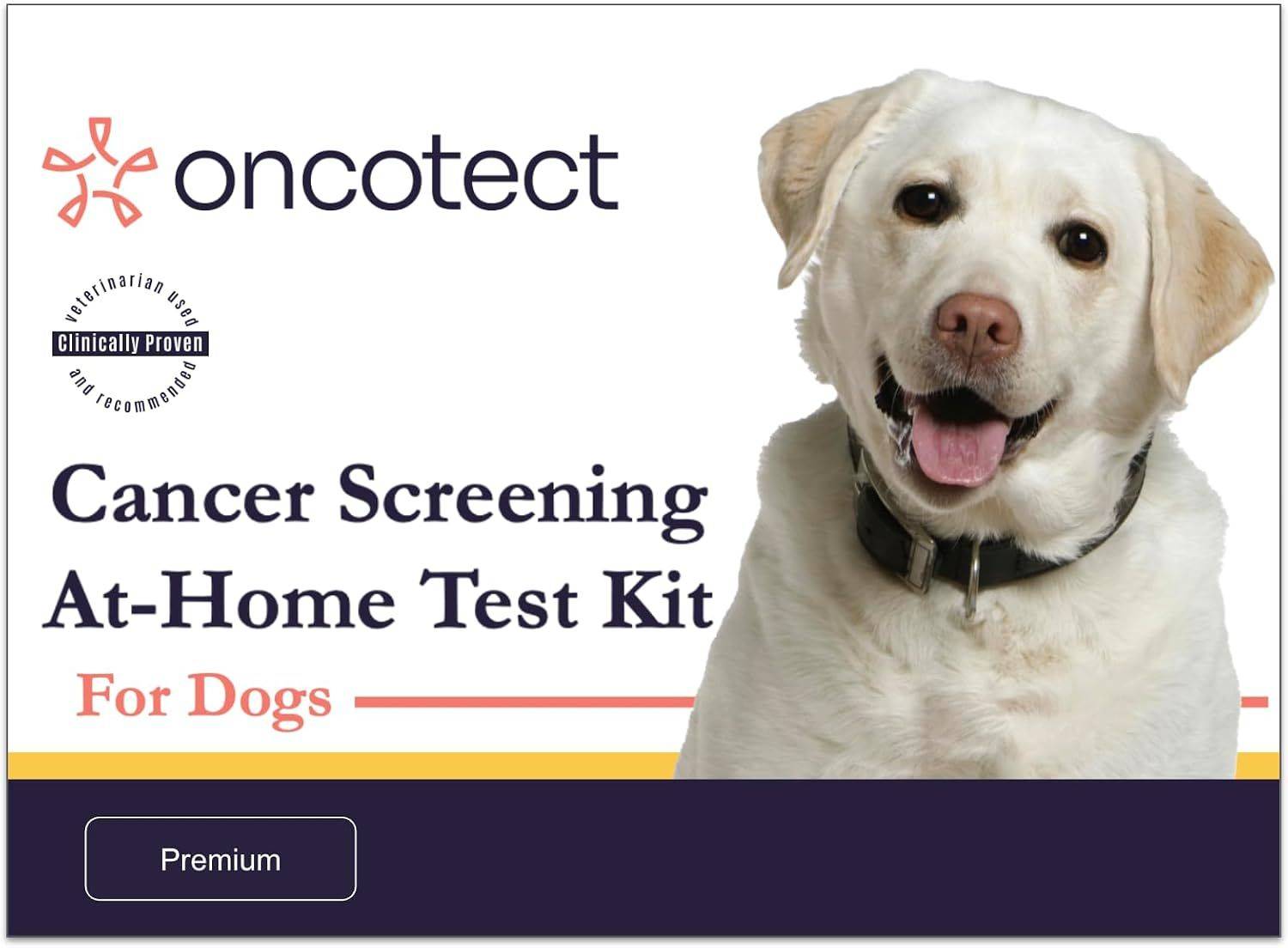
What is Oncotect?
Oncotect analyzes a urine sample for cancer-associated volatile metabolites. These chemical signals help the test assess cancer risk. You can collect the sample at home, without a blood draw, and send it to Oncotect for laboratory testing.
Oncotect reports research involving lymphoma, hemangiosarcoma, mast cell tumors, and melanoma. The test does not identify which cancer a dog has or where it is located.
Why consider cancer screening?
You don't have to wait until something seems wrong to ask your veterinarian about cancer screening. A conversation during a wellness visit can help you decide whether testing fits your dog's age, breed, health history, and care needs.
Screening may flag a concern that deserves investigation. However, it cannot prevent cancer, detect every cancer, or guarantee more time together. Evidence that these tests improve outcomes in pets is still developing.
How the process works
- Order your kit. Explore the available options on Oncotect's website.
- Activate it online. Register the kit and enter your dog's information before sending the sample.
- Collect and return the sample. Follow the enclosed instructions and use the supplied return packaging and label.
- Review the report with your veterinarian. Discuss whether additional testing or monitoring is appropriate.
Check Oncotect's website for current pricing, availability, and turnaround times.
Understanding your results
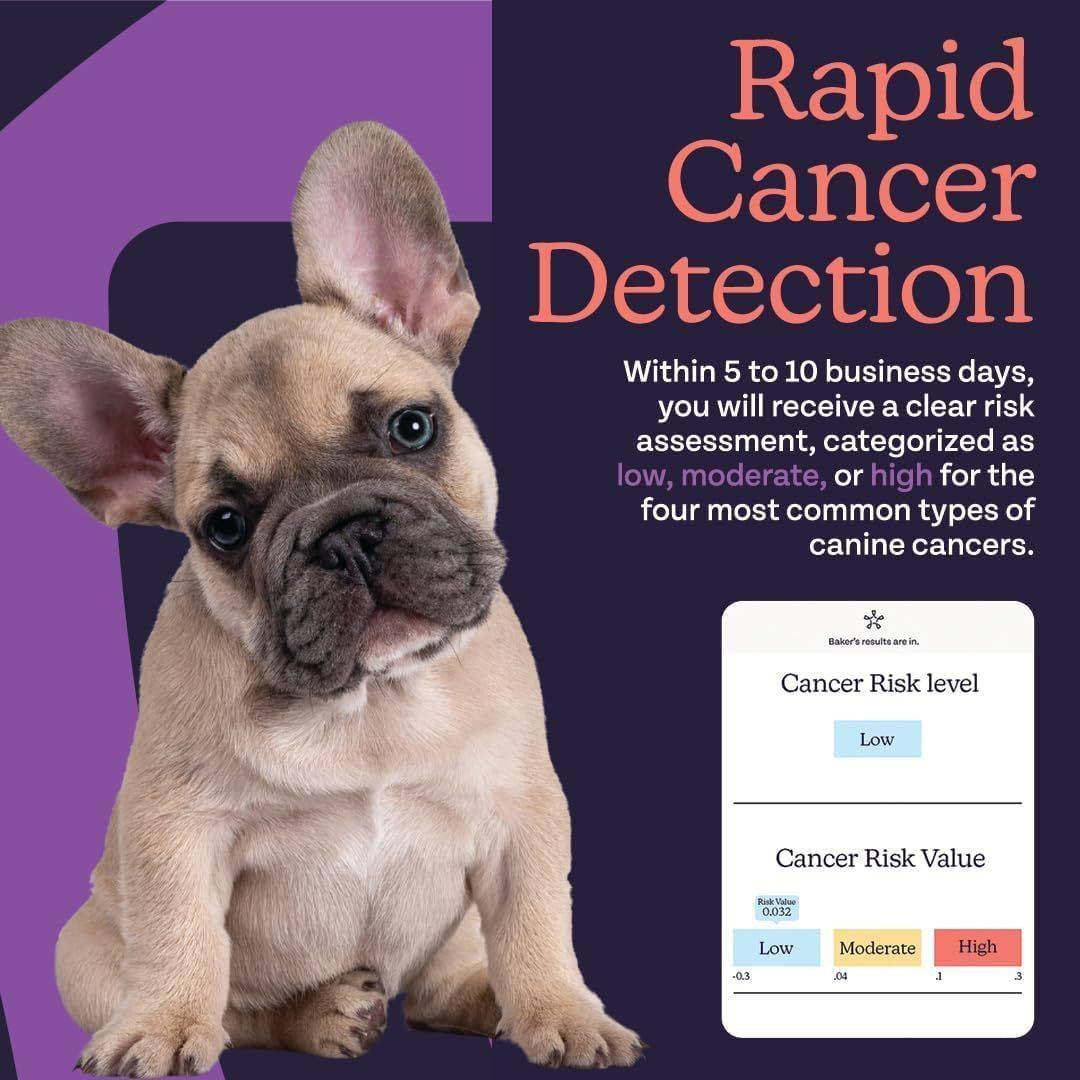
Oncotect reports low, moderate, or high cancer risk.
| Result | What to do next |
|---|---|
| Low risk | Continue routine veterinary care. A low result does not rule out cancer or explain new symptoms. |
| Moderate risk | Share the report with your veterinarian to discuss further evaluation or a repeat test. |
| High risk | Arrange prompt veterinary follow-up. A high result needs investigation; it does not confirm cancer. |
How accurate is Oncotect?
Oncotect reports 83% sensitivity and 96% specificity for the four cancer types listed above in its clinical research. Sensitivity describes how often a test identifies dogs with cancer; specificity describes how often it correctly identifies dogs without cancer.
These figures are not a guarantee for an individual dog. False positives and false negatives can occur, and performance may vary with cancer type, stage, and the population tested.
Common questions
Can this replace a veterinary exam or biopsy?
No. Your veterinarian may recommend an examination, imaging, cell sampling, or a biopsy to investigate a concern and establish a diagnosis.
How often should I screen my dog?
Ask your veterinarian to recommend a schedule based on your dog's individual needs.
What if my dog already has symptoms?
Contact your veterinarian rather than waiting for a screening report. New lumps, unexplained weight loss, appetite changes, or persistent coughing deserve evaluation, even after a low-risk result.
Take the next step in your dog's care
If you're exploring early cancer screening for your dog, learn how Oncotect works and discuss whether it belongs in your dog's wellness plan.
View the Oncotect Test