Can Mold Cause Cancer in Dogs?
Dec 09, 2025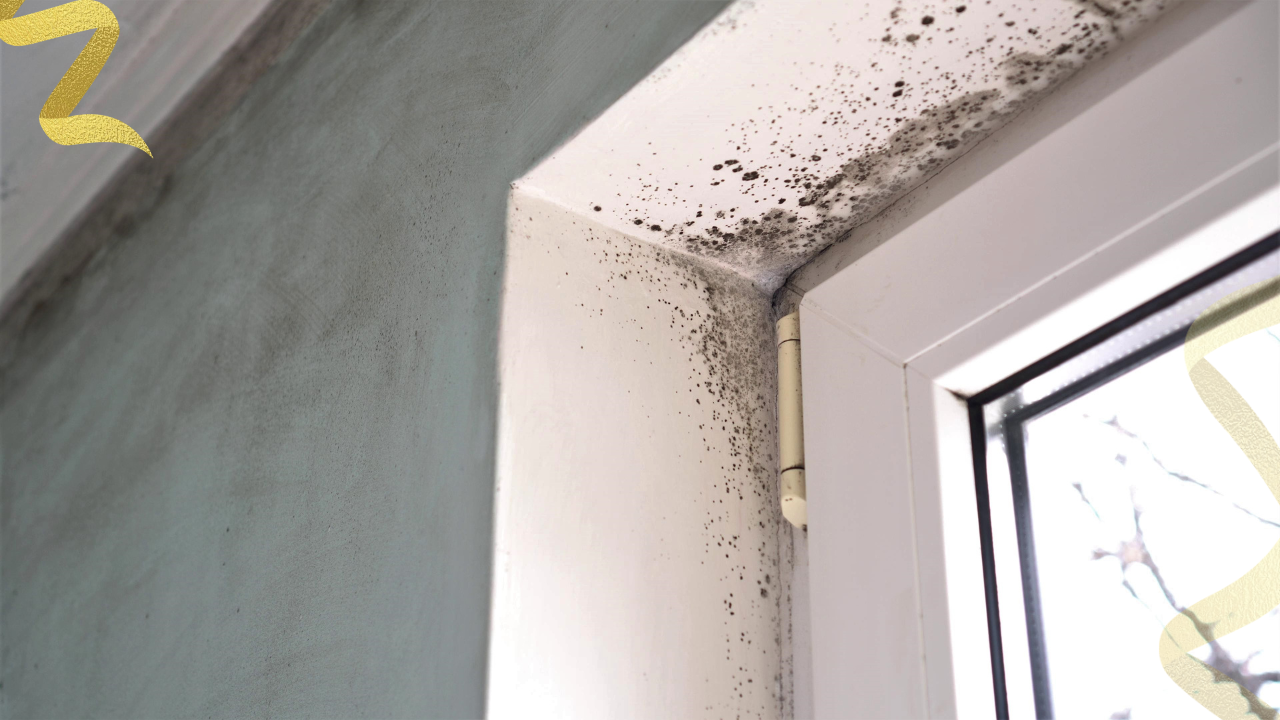
Two very different questions get collapsed into this one, and they have opposite answers.
Mold growing on your bathroom wall is not an established cause of cancer in dogs, or in people. When the Institute of Medicine reviewed the evidence on damp indoor spaces, it found sufficient evidence linking indoor mold to respiratory symptoms, cough, wheeze, asthma symptoms in asthmatics, and hypersensitivity pneumonitis. It also concluded that the available evidence does not support an association between indoor dampness or mold and the wide range of other health complaints attributed to them (Institute of Medicine, 2004). Cancer is not on the supported list, and there is no veterinary literature establishing one in dogs either.
Mold growing on food is a different matter entirely. Certain Aspergillus species produce aflatoxins, and aflatoxin B1 is classified by the International Agency for Research on Cancer as carcinogenic to humans, Group 1, the same category as tobacco smoke (International Agency for Research on Cancer, n.d.). That is not a theoretical concern for dogs. Aflatoxin-contaminated pet food and grain have killed dogs in documented outbreaks.
So the honest answer is that mold can hurt your dog through what they eat, not through what they breathe at home, and the damage it does is usually to the liver rather than in the form of a tumor.
Key Points
Indoor household mold has not been shown to cause cancer in dogs or humans. The established effects are respiratory and allergic (Institute of Medicine, 2004).
Aflatoxin B1, produced by Aspergillus flavus and Aspergillus parasiticus on corn, peanuts, nuts, and cottonseed, is a Group 1 human carcinogen (International Agency for Research on Cancer, n.d.).
Aflatoxins are metabolized in the liver to an epoxide that binds nucleic acids, which is why the toxic effects include mutagenesis, carcinogenesis, immunosuppression, and liver damage (Mostrom, 2021).
In dogs, the documented outcome of aflatoxin exposure is acute or subacute liver failure, not liver cancer. Dogs are highly susceptible and often die before a tumor could ever develop (Newman et al., 2007).
Contaminated commercial dog food has caused fatal outbreaks. In one investigation, all nine affected dogs died or were euthanized in liver failure (Newman et al., 2007). In another, 60 of 65 exposed dogs died (Wouters et al., 2013).
The practical risk in your home is the food bowl and the storage bin, not the drywall.
The Distinction That Matters
"Mold causes cancer" is the kind of claim that is technically defensible and practically misleading, because the version that is true and the version people imagine are not the same thing.
What is true: some molds produce toxins, and some of those toxins are potent carcinogens in the species that have been studied. The evidence base for aflatoxin is enormous and it is not in dispute.
What is not established: that mold spores in the air of a damp house cause cancer in a dog sleeping in that house. Exposure route, dose, and duration all matter enormously in toxicology, and eating contaminated grain over weeks is not the same exposure as breathing spores.
A useful way to hold both: mold is a legitimate health concern for dogs, and cancer is not the reason.
Household Mold: What the Evidence Supports
The 2004 Institute of Medicine review is still the reference point. It found sufficient evidence to link indoor mold exposure to upper respiratory tract symptoms, cough, and wheeze in otherwise healthy people, to asthma symptoms in people with asthma, and to hypersensitivity pneumonitis in susceptible individuals. On the broader list of illnesses attributed to mold, the committee found the evidence did not support an association (Institute of Medicine, 2004).
Dogs living in damp, moldy homes can develop respiratory irritation and allergic signs, and dogs with existing airway disease can have those signs worsen. A separate and more serious concern is fungal infection. Aspergillus can cause nasal or, rarely, disseminated infection in dogs. That is an infection, not a cancer, and it is treated as such.
None of this means you should leave mold growing. Fix the leak, dry the space, clean it up. Do it because dampness is bad for the airways of everyone in the house, including the dog, and not because you are preventing a tumor.
Aflatoxin: The Mold Toxin That Genuinely Causes Cancer
Aflatoxicosis is a worldwide mycotoxicosis in which potent liver toxins are produced on animal feed, both in the field and during storage in hot, dry conditions, often alongside insect damage to the crop. Aspergillus flavus and Aspergillus parasiticus typically invade peanuts, nuts, corn, and cottonseed and can generate high aflatoxin concentrations quickly, with aflatoxin B1 the most toxic of the group (Mostrom, 2021).
The mechanism is why this one is different from most food contaminants. Aflatoxins are metabolized in the liver to an epoxide that binds to macromolecules including nucleic acids, and the resulting toxic effects include mutagenesis, carcinogenesis, teratogenesis, immunosuppression, and liver damage with reduced protein synthesis (Mostrom, 2021). A compound that binds DNA is a compound that can cause the mutations cancer starts from.
IARC has classified aflatoxin B1 as carcinogenic to humans. Aflatoxin M1, the main metabolite, and ochratoxin A, another mold toxin found in stored grain, are classified as possibly carcinogenic to humans, Group 2B (International Agency for Research on Cancer, n.d.).
What Aflatoxin Actually Does to Dogs
Here is where the carcinogen framing needs an honest correction, because it undersells the real danger rather than overselling it.
Dogs poisoned by aflatoxin do not typically develop liver cancer. They develop liver failure, and many of them die of it.
Newman et al. (2007) examined nine dogs that had eaten aflatoxin-contaminated commercial dog food from recalled batches. Four died and five were euthanized after signs of liver failure. Analysis of the food consistently showed high aflatoxin B1 levels, in the range of 223 to 579 parts per billion, and the toxin's metabolite was found in the dogs' liver tissue. The changes seen under the microscope were those of subacute toxic hepatopathy in eight dogs, and in the ninth, a chronic case, cirrhosis with bridging fibrosis and regenerative nodules. The authors noted that although dogs are not commonly affected, they are highly susceptible (Newman et al., 2007).
The scale these outbreaks can reach is worth seeing. In an outbreak traced to corn products from a single supplier, 65 dogs across nine farms were affected and 60 of them died (Wouters et al., 2013).
Acutely affected animals show increases in liver enzymes, bilirubin, bile acids, and prothrombin time, and chronic exposure causes low blood protein levels. Clinical signs include appetite loss, poor condition, depression, hemorrhage, jaundice, and death (Mostrom, 2021).
So the answer to "does mold cause cancer in dogs" turns out to be that the mold toxin most capable of causing cancer usually kills dogs another way first. That is not reassuring. It is a reason to take pet food contamination seriously on its own terms rather than filing it under cancer prevention.
Where the Actual Risk Lives in Your House
Not the walls. The kitchen.
Dry food storage. Buy a bag size your dog will finish in a reasonable time rather than the largest available. Keep the food in its original bag, inside a sealed container, rather than pouring kibble loose into a bin. The bag carries the lot number and the best-by date, and you will want both if there is ever a recall. Store it somewhere cool and dry rather than a humid garage or basement.
Inspect what you pour. Discard any food that smells off, looks discolored, or has visible fuzz. Do not pick out the bad part.
Damaged bags. Skip bags that are torn, punctured, or water-stained at the store.
Recalls. If you hear of a pet food recall, check your lot number against the notice rather than assuming your bag is fine.
Everything else your dog might eat. Moldy food in the trash, compost piles, fallen nuts under trees, and discarded bread are all things dogs eat happily and none of them are safe. If your dog eats visibly moldy material, call your veterinarian rather than waiting to see what happens.
Water bowls and outdoor feeders. Wash regularly. Biofilm and mold grow in standing water.
What About Homemade and Fresh Diets?
The same principle applies with less industrial oversight behind it. Grains, nuts, and legumes stored at home are exactly the substrates Aspergillus prefers. Peanut butter, corn, and nuts used as treats or toppers are worth buying in sizes you will use, keeping sealed, and discarding when in doubt.
This is not an argument for or against any particular feeding style. It is a storage argument, and it applies to kibble, raw, home-cooked, and everything in between.
When to Contact a Veterinarian
Contact your veterinarian promptly if your dog has eaten food you suspect was moldy, or if you notice any of the following:
Yellowing of the gums, the whites of the eyes, or the skin.
Loss of appetite, vomiting, or diarrhea that persists.
Lethargy or weakness that is out of character.
Dark or orange-colored urine.
Bruising, bleeding from the nose or gums, or blood in the stool.
Increased drinking and urinating, or a distended abdomen.
Seek emergency care if your dog collapses, has a seizure, develops tremors, or is bleeding and will not stop. If your dog has eaten moldy garbage or compost, treat it as urgent rather than waiting.
Bring the food bag with you, including the label and lot number. It matters both for your dog's diagnosis and for anyone else feeding the same batch.
Questions to Ask Your Veterinarian
My dog ate something moldy. What should I watch for, and for how long?
Should we run liver bloodwork, and what values would concern you?
Is the food I am feeding subject to any current recall, and how do I check?
How should I be storing my dog's food given my climate and my storage space?
My house has had water damage. Does that change anything for my dog's health?
My dog has respiratory signs and we have mold in the house. Could the two be connected?
Are there liver values you would want to recheck after an exposure, and when?
Sources
Institute of Medicine. (2004). Indoor mold, building dampness linked to respiratory problems and require better prevention; evidence does not support links to wider array of illnesses [News release]. National Academies. https://www.nationalacademies.org/news/2004/05/indoor-mold-building-dampness-linked-to-respiratory-problems-and-require-better-prevention-evidence-does-not-support-links-to-wider-array-of-illnesses
International Agency for Research on Cancer. (n.d.). Mycotoxins as human carcinogens: The IARC Monographs classification. World Health Organization. https://www.iarc.who.int/reference/mycotoxins-as-human-carcinogens-the-iarc-monographs-classification
Mostrom, M. S. (2021). Aflatoxicosis in animals. Merck Veterinary Manual. https://www.merckvetmanual.com/toxicology/mycotoxicoses/aflatoxicosis-in-animals (Full review November 2021; last updated April 2025)
Newman, S. J., Smith, J. R., Stenske, K. A., Newman, L. B., Dunlap, J. R., Imerman, P. M., & Kirk, C. A. (2007). Aflatoxicosis in nine dogs after exposure to contaminated commercial dog food. Journal of Veterinary Diagnostic Investigation, 19(2), 168-175.
Wouters, A. T. B., Casagrande, R. A., Wouters, F., Watanabe, T. T. N., Boabaid, F. M., Cruz, C. E. F., & Driemeier, D. (2013). An outbreak of aflatoxin poisoning in dogs associated with aflatoxin B1-contaminated maize products. Journal of Veterinary Diagnostic Investigation, 25(2), 282-287.
Reviewed by: Amber L. Drake, PhD
Dr. Amber L. Drake is a board-certified holistic health practitioner, canine clinical herbalist, educator, and founder of the Drake Dog Cancer Foundation and Drake Dog Academy. She is dedicated to helping pet parents better understand canine cancer, treatment options, nutrition, quality of life, and supportive care through compassionate, evidence-informed education. Her work combines professional training, practical resources, and firsthand insight from supporting thousands of dog families through the challenges of a cancer diagnosis.
Stay connected with news and updates!
Join our mailing list to receive the latest news and updates from our team.
Don't worry, your information will not be shared.
We hate SPAM. We will never sell your information, for any reason.