Careers Working With Dogs: 17 Jobs, Education Requirements & Career Paths
There are many careers working with dogs, from veterinary medicine, training, grooming, and rehabilitation to canine nutrition, pet grief support, rescue work, education, and pet-industry careers.
Some dog-related careers require a college degree, professional license, or advanced clinical training. Others can be entered through specialized education, certificate programs, apprenticeships, professional experience, or by adding a new specialty to an existing pet-care business.
The right path depends on one important question:
Do you want to spend most of your time working directly with dogs, supporting the people who care for them, or doing a combination of both?
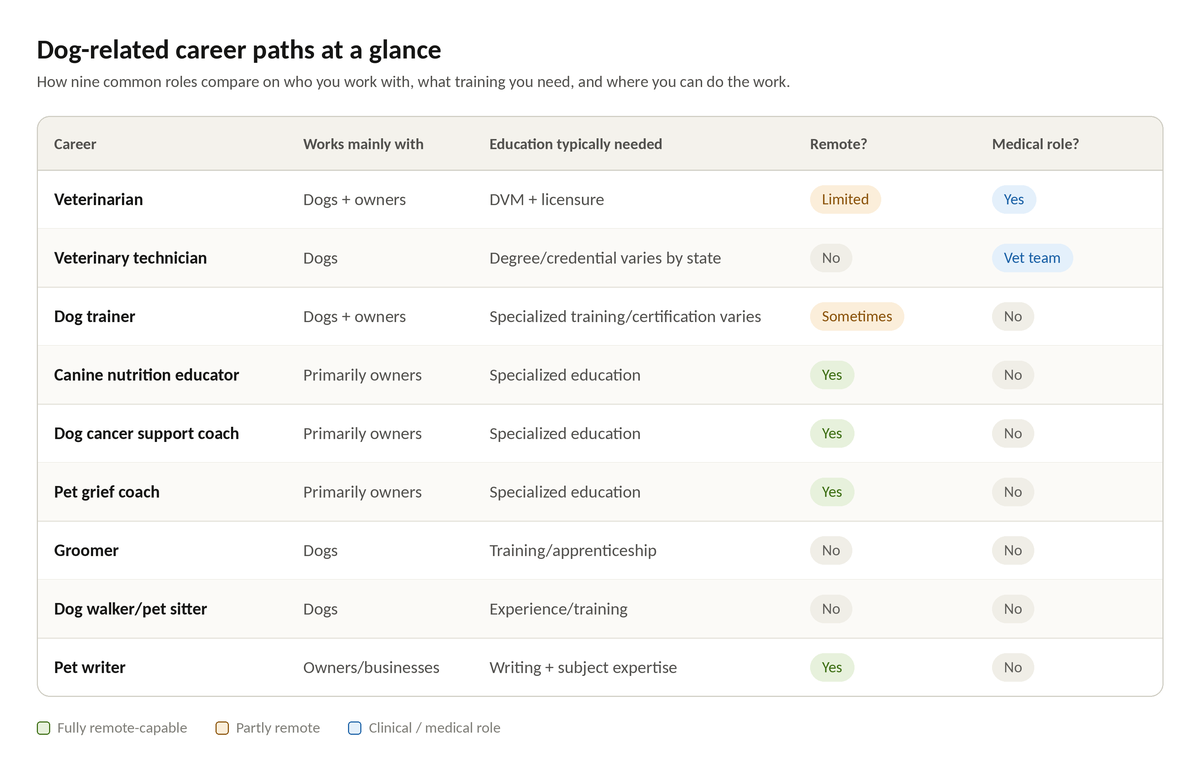
What Kind of Career Working With Dogs Is Right for You?
One of the most useful distinctions is whether you want your work to focus mainly on dogs, people, or both.
A groomer, dog walker, veterinary technician, or rehabilitation professional may spend much of the day physically working with dogs.
A pet grief coach or dog cancer support coach, on the other hand, may spend more time helping people understand, organize, process, and navigate difficult experiences involving their dogs.
Neither path is more meaningful than the other. They simply require different strengths.
Hands-On Careers With Dogs
These careers typically involve spending significant time directly handling or caring for dogs:
- Veterinary technician
- Dog trainer
- Groomer
- Dog walker
- Pet sitter
- Canine rehabilitation professional
- Canine massage or bodywork professional
- Shelter or rescue worker
Medical Careers With Dogs
These roles involve diagnosing, treating, or medically managing animal health:
- Veterinarian
- Veterinary oncologist
- Veterinary technician
- Veterinary rehabilitation professionals in regulated clinical roles
These careers typically require formal education, credentialing, licensure, or veterinary supervision.
Education and Wellness Careers
These paths may focus more heavily on teaching, coaching, communication, and general wellness:
- Canine nutrition education
- Dog cancer support coaching
- Pet wellness education
- Pet-industry education
- Writing and content creation
Careers Supporting Both Dogs and Their People
Some dog-related careers focus heavily on the human-animal bond:
- Pet grief support
- Dog cancer support
- Pet hospice support
- Dog training
- Veterinary client education
- Memorial photography
- Rescue and adoption support
1. Veterinarian
Veterinarians diagnose, treat, and help prevent disease and injury in animals.
Their work may include:
- Physical examinations
- Diagnostic testing
- Prescribing medications
- Surgery
- Preventive care
- Emergency medicine
- Cancer treatment
- Pain management
- End-of-life care
Becoming a veterinarian requires extensive university education followed by a professional veterinary degree and appropriate licensure.
This career may be a good fit if you want the responsibility of diagnosing disease and providing medical treatment.
Read More: How to Become a Veterinarian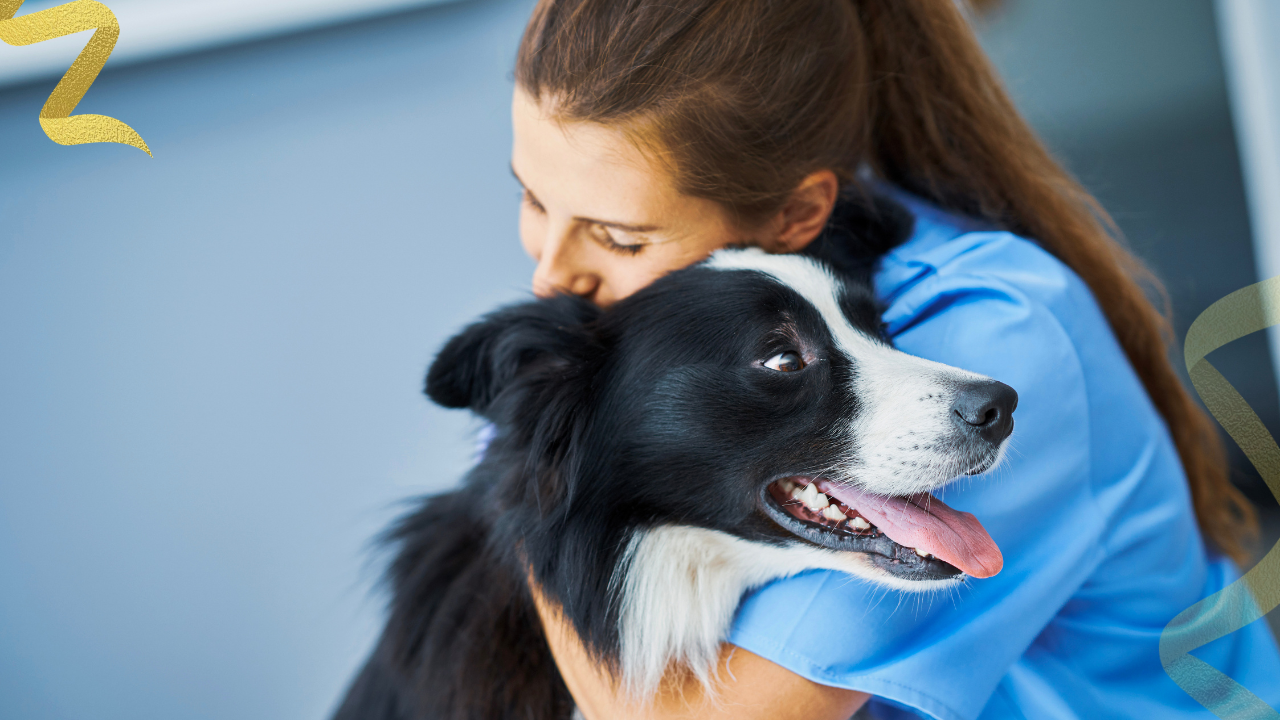
2. Veterinary Technician
Veterinary technicians work alongside veterinarians and play an important role in patient care.
Depending on their training and local regulations, their responsibilities may include:
- Assisting during examinations
- Monitoring hospitalized patients
- Collecting samples
- Performing laboratory procedures
- Monitoring anesthesia
- Assisting with treatments
- Educating pet parents
- Supporting patients through surgery or illness
Education and credentialing requirements vary by jurisdiction.
This path may appeal to someone who wants substantial hands-on involvement in medical animal care without becoming a veterinarian.
Review Vet Tech Programs
3. Veterinary Oncologist
Veterinary oncology focuses on diagnosing and treating cancer in animals.
Veterinary oncologists may work with dogs diagnosed with:
- Lymphoma
- Osteosarcoma
- Mast cell tumors
- Hemangiosarcoma
- Melanoma
- Soft tissue sarcomas
- Mammary tumors
- Many other forms of cancer
Board-certified veterinary oncologists first become veterinarians and then complete advanced specialty training.
This is a highly specialized medical career for people interested in cancer biology, treatment, research, complex decision-making, and supporting families through serious illness.
Read More: How to Become a Veterinary Oncologist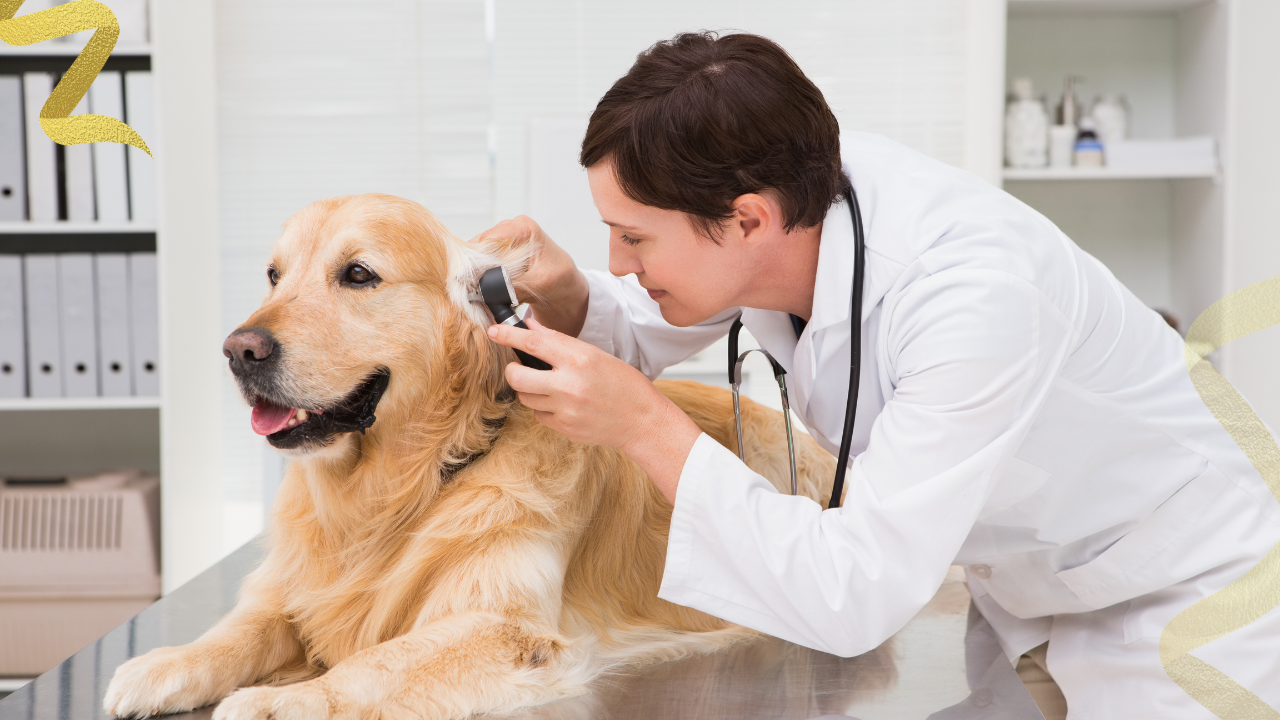
4. Dog Trainer
Dog trainers help dogs and their families improve communication, develop skills, and address everyday behavior challenges.
Trainers may specialize in:
- Puppy training
- Basic manners
- Recall and leash skills
- Behavior modification
- Cooperative care
- Fear and anxiety
- Service-dog training
- Therapy-dog preparation
- Canine sports
There is no single universal educational pathway for dog trainers, so reputable education, mentorship, continuing education, and humane, evidence-informed methods are especially important.
Read More: Becoming a Dog Trainer
5. Canine Behavior Professional
Behavior-focused professionals work with more complex behavioral concerns.
These may include:
- Fear
- Reactivity
- Aggression
- Resource guarding
- Separation-related behaviors
- Compulsive behaviors
- Trauma-related responses
Credentials and scope vary significantly within this field.
A veterinary behaviorist is different from a general behavior consultant. Veterinary behaviorists are veterinarians who complete advanced specialty training and can diagnose medical or behavioral conditions and prescribe medication.
Anyone entering this field should be clear about their credentials and professional scope.
Read More: Become a Veterinary Behaviorist
6. Dog Groomer
Dog groomers support canine hygiene, comfort, coat care, and routine maintenance.
Their work may include:
- Bathing
- Brushing
- Coat trimming
- Breed-specific grooming
- Nail care
- Ear care
- Skin and coat observations
Experienced groomers also become skilled at canine handling and body language.
Because groomers see dogs regularly, they may sometimes notice physical changes that pet parents can bring to the attention of their veterinary team.
Read More: How to Become a Dog Groomer
7. Canine Rehabilitation Professional
Canine rehabilitation focuses on mobility, strength, comfort, function, and quality of life.
Dogs may receive rehabilitation after:
- Surgery
- Orthopedic injuries
- Neurological conditions
- Amputation
- Cancer treatment
- Age-related mobility changes
Veterinarians, veterinary technicians, physical therapists, and other qualified professionals may pursue additional education in canine rehabilitation depending on local regulations.
Because rehabilitation can overlap with veterinary medicine and physical therapy, requirements should be carefully researched before entering this field.
Become a Canine Rehab Therapist
8. Canine Nutrition Educator
If you enjoy researching ingredients, evaluating dog food, learning how nutrients affect the body, and helping pet parents make informed feeding decisions, canine nutrition may be a strong fit.
Canine nutrition education can complement careers in:
- Pet wellness education
- Dog food and supplement companies
- Specialty pet retail
- Content writing
- Rescue organizations
- Dog training
- Pet-care businesses
- General wellness coaching
A non-veterinary nutrition professional should not diagnose disease or present themselves as a veterinarian.
Rules surrounding therapeutic diets and nutrition counseling can also vary by jurisdiction.
However, there are many opportunities to educate pet parents about general nutrition, ingredients, feeding practices, and questions they can bring to their veterinary team.
Interested in Learning Canine Nutrition Professionally?
The Certificate in Canine Nutrition from Drake Dog Cancer Academy is a 100% online, self-paced program for students who want to develop a deeper understanding of canine nutrition and wellness.
Learn More About the Certificate in Canine Nutrition
9. Dog Cancer Support Coach
A canine cancer diagnosis can overwhelm an entire family.
Pet parents may suddenly need to understand:
- Pathology reports
- Oncology appointments
- Treatment options
- Medications
- Side effects
- Nutrition
- Pain
- Quality of life
- Financial concerns
- End-of-life decisions
A dog cancer support coach does not diagnose cancer, prescribe treatment, or replace the veterinarian or veterinary oncologist.
Instead, a trained coach can help families become more organized, informed, and prepared to communicate with their veterinary team.
Support may include:
- Organizing questions before appointments
- Helping families keep records
- Tracking symptoms and quality of life
- Explaining general cancer terminology
- Helping organize treatment information
- Preparing for oncology consultations
- Identifying useful support resources
- Helping caregivers recognize questions that need veterinary input
This path can be especially meaningful for people who have personally cared for a dog with cancer and want to use that experience to help another family feel less overwhelmed.
Interested in Supporting Families Through Canine Cancer?
The Dog Cancer Coach Certificate teaches students how to provide informed, compassionate, non-veterinary support to families navigating a dog cancer diagnosis.
Learn How to Become a Dog Cancer Support Coach
10. Pet Grief Support Professional
For many people, losing a dog means losing a family member, daily companion, routine, source of comfort, and important part of their identity.
Pet grief may include:
- Anticipatory grief
- Grief after euthanasia
- Guilt
- Difficulty making end-of-life decisions
- Loneliness
- Changes in daily routines
- Grief that others do not understand
Pet grief professionals can provide compassionate, non-clinical support throughout these experiences.
They may work independently or alongside:
- Veterinary hospitals
- Pet hospice providers
- Cremation and memorial providers
- Animal shelters
- Rescue organizations
- Pet-loss support communities
Pet grief coaching is not the same as licensed mental health counseling.
Responsible professionals understand when a grieving individual needs to be referred to a licensed mental health provider or crisis resource.
Do People Naturally Turn to You During Difficult Times?
The Pet Grief Counseling Coach Certificate teaches practical strategies for supporting people experiencing anticipatory grief, pet loss, guilt, and major transitions surrounding the death of a companion animal.
100% online. Self-paced. Lifetime access.
Check Out the Pet Grief Coach Certificate
11. Pet Hospice and End-of-Life Support
Pet hospice focuses on comfort and quality of life for animals living with serious or terminal illness.
Veterinary hospice care may include:
- Pain management
- Symptom management
- Mobility support
- Appetite support
- Medical monitoring
- End-of-life planning
Non-veterinary professionals may also contribute through:
- Caregiver education
- Grief support
- Resource coordination
- Quality-of-life tracking
- Emotional support
- Home-care organization
Medical decisions should remain with the veterinarian and pet parent.
This field may appeal to people who feel called to support families during some of the most emotionally difficult moments of pet ownership.
Become an Animal Hospice Practitioner
12. Dog Walker or Pet Sitter
Dog walking and pet sitting can become full-time businesses rather than simply side jobs.
Services may include:
- Daily walks
- Vacation care
- Puppy visits
- Overnight care
- Enrichment
- Senior-dog visits
- Support for dogs with special needs
Pet-care professionals can also develop specialties.
For example, someone might focus on:
- Senior dogs
- Shy dogs
- Dogs with mobility limitations
- Dogs undergoing cancer treatment
- Hospice patients
Specialized education can help pet-care professionals better understand the populations they serve while remaining within a non-medical scope.
Become a Pet Sitter
13. Animal Shelter or Rescue Professional
Animal shelters and rescue organizations rely on professionals with many different skills.
Opportunities may include:
- Animal care
- Adoption coordination
- Foster coordination
- Community education
- Fundraising
- Behavior support
- Medical coordination
- Marketing
- Volunteer management
- Transportation
- Administration
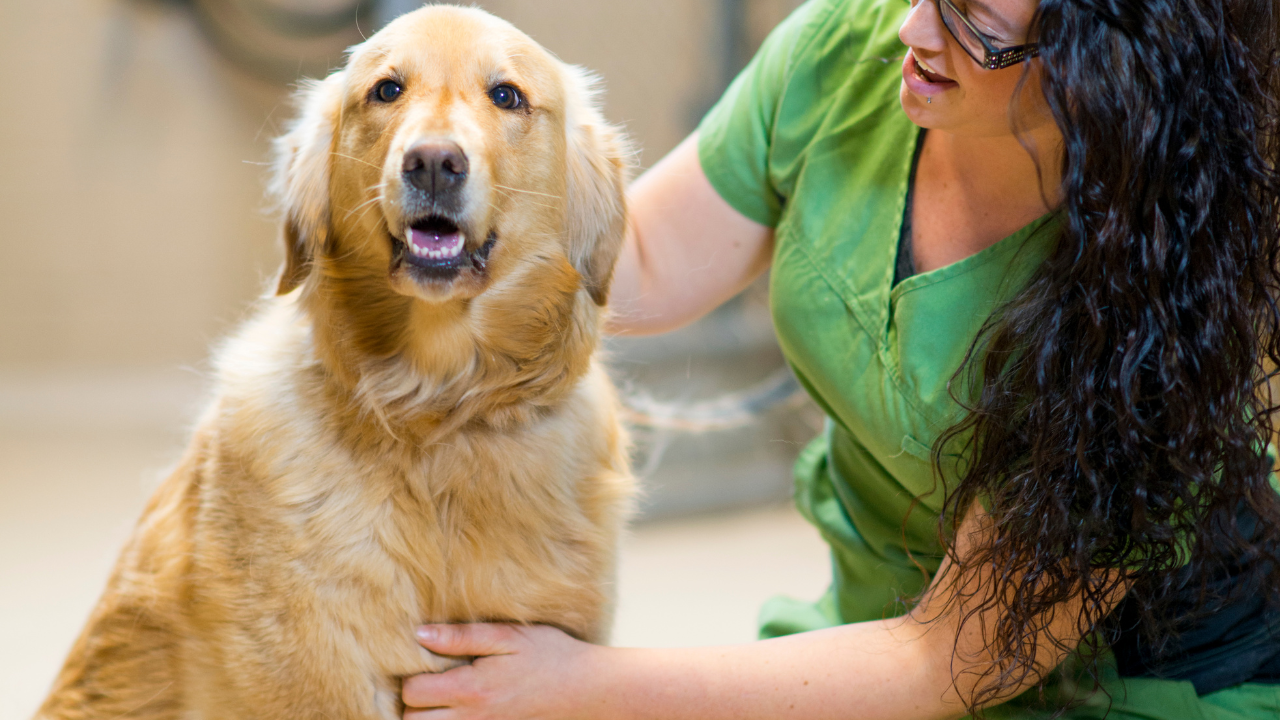
You do not have to become a veterinarian or trainer to build a career in animal welfare.
Organizations also need skilled communicators, fundraisers, administrators, educators, and community advocates.
14. Pet Writer or Content Creator
If you enjoy both research and communication, pet writing can provide another path into the dog industry.
Businesses and organizations need content such as:
- Educational articles
- Blog posts
- Social media content
- Email newsletters
- Courses
- Product education
- Website copy
- Guides
- Videos
Strong pet-health writers should understand how to research responsibly, cite authoritative information, clearly identify their credentials, and avoid presenting general education as individualized veterinary advice.

15. Pet Industry Professional
The pet industry extends far beyond veterinary hospitals and pet stores.
Dog food, supplements, technology, insurance, education, and wellness companies employ people in areas such as:
- Customer education
- Product development
- Customer service
- Marketing
- Sales
- Research
- Community management
- Content development
- Training
- Regulatory affairs
Specialized knowledge in canine nutrition, wellness, herbs, behavior, or cancer support may complement many of these careers.

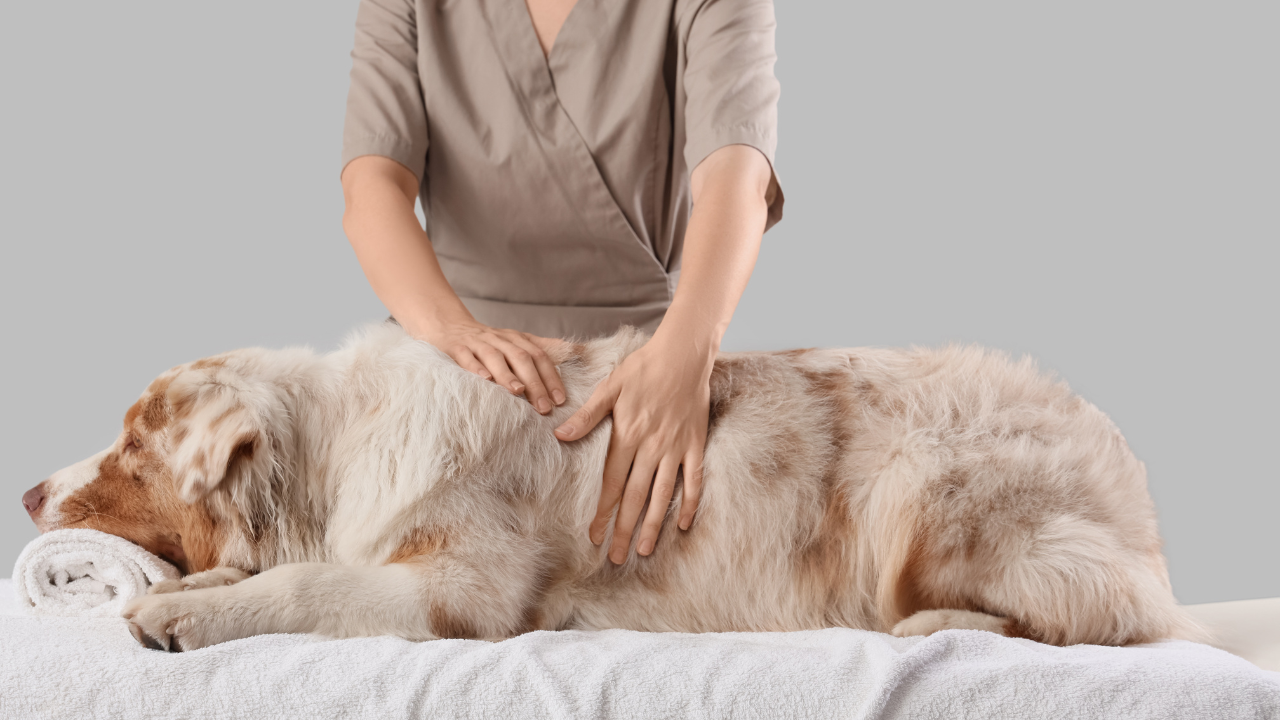
16. Canine Massage or Bodywork Professional
Canine massage and bodywork professionals may focus on relaxation, comfort, movement, and general physical wellness.
Some choose to specialize in:
- Senior dogs
- Athletic dogs
- Mobility support
- Post-exercise recovery
- General wellness
Because animal massage and rehabilitation can fall under regulated veterinary practice in some jurisdictions, anyone interested in this field should review local laws and scope-of-practice requirements before offering services.
17. Pet Photographer or Memorial Photographer
Pet photography is another way to build a career centered around the human-animal bond.
Photographers may specialize in:
- Family portraits
- Adoption photography
- Senior dogs
- Celebration-of-life sessions
- End-of-life photography
- Memorial photography
For families facing serious illness or preparing to say goodbye, these photographs can become deeply meaningful keepsakes.
Read More: Tips for becoming a Pet Photographer
What Dog Careers Don't Require Veterinary School?
Many careers working with dogs do not require becoming a veterinarian.
Depending on the position and local regulations, options may include:
- Dog training
- Grooming
- Dog walking
- Pet sitting
- Rescue work
- Pet photography
- Pet writing
- Canine nutrition education
- Dog cancer support coaching
- Pet grief support
- Pet-industry careers
Some roles still require specialized training, certification, insurance, permits, or other professional preparation.
Not requiring veterinary school does not mean a career requires no education.
The strongest professionals understand both their area of expertise and its limits.
What Dog Careers Can You Do From Home?
Several dog-related careers can be performed partly or entirely online.
Examples include:
- Pet grief support
- Dog cancer support coaching
- General canine wellness education
- Writing
- Course creation
- Pet-industry customer education
- Marketing
- Community management
- Educational consulting
Canine nutrition education may also include remote work when the service stays within appropriate legal and professional boundaries.
Other careers, including grooming, rehabilitation, veterinary technology, and dog walking, naturally require in-person work.
Can You Make a Living Working With Dogs?
Yes, but income varies widely depending on the profession, education required, location, employment model, experience, specialty, and whether you work for an organization or build your own business.
Dog-related careers can include:
- Traditional employment
- Private practice
- Freelance work
- Consulting
- Coaching
- Service businesses
- Education
- Content creation
- Multiple income streams
A pet professional might, for example, combine local services with online education or add a specialty to an existing business.
The career itself matters, but so does how you choose to build it.

Can I Start a Dog-Related Career Part Time?
Yes.
You do not necessarily need to leave your current career to begin exploring work with dogs.
You might start by:
- Taking a course
- Volunteering
- Working with a mentor
- Building practical experience
- Pursuing a credential
- Creating educational content
- Adding a specialty to an existing business
- Working with a small number of clients
Starting gradually allows you to learn whether the work fits you before making a major career change.
How Do I Choose the Right Career Working With Dogs?
Start with the type of work you naturally enjoy.
If You Love Medicine and Science
Consider:
- Veterinary medicine
- Veterinary technology
- Veterinary oncology
- Canine rehabilitation
If You Love Food, Ingredients, and Wellness
Consider:
- Canine nutrition
- Pet wellness education
- Pet food or supplement industry careers
If You Are the Person Everyone Turns to During Difficult Times
Consider:
- Pet grief support
- Hospice support
- Client-care roles within veterinary organizations
If You Have Been Through Canine Cancer and Want to Help Others
Consider:
- Dog cancer support coaching
- Cancer education
- Pet-parent advocacy
- Veterinary oncology support roles
If You Want Hands-On Time With Dogs
Consider:
- Grooming
- Training
- Veterinary technology
- Walking
- Pet sitting
- Rehabilitation
If You Love Research and Explaining Complicated Topics
Consider:
- Pet writing
- Canine wellness education
- Course development
- Content creation
- Customer education
You can also combine specialties.
- A dog trainer may study nutrition.
- A pet sitter may specialize in senior or cancer patients.
- A veterinary professional may pursue additional training in pet grief.
- A canine nutrition professional may build expertise in educational content.
Your career does not have to fit neatly into one category.
A Helpful Question Before Choosing a Dog Career
One question aspiring canine professionals sometimes overlook is:
Do I want to help the dog directly, help the person caring for the dog, or both?
Someone who loves hands-on animal interaction may thrive as a groomer, veterinary technician, trainer, walker, or rehabilitation professional.
Someone who loves listening, teaching, researching, and helping people navigate difficult situations may be better suited to grief support, cancer coaching, nutrition education, writing, or client education.
Understanding that difference can make choosing a career much easier.
Start Exploring Canine Wellness Careers for Free
You do not need to decide on a career today.
The Free Canine Wellness Course from Drake Dog Cancer Academy was created for people who are interested in working with dogs but are not yet sure which direction is right for them.
Explore different areas of canine wellness, learn more about potential career paths, and determine which subjects interest you most.
Professional Certificate Programs
If you already know which area interests you, Drake Dog Cancer Academy offers online, self-paced professional education in several specialties.
Certificate in Canine Nutrition
Develop a deeper understanding of canine nutrition, ingredients, feeding principles, and general wellness.
Explore the Certificate in Canine Nutrition →
Dog Cancer Coach Certificate
Learn how to provide compassionate, organized, non-veterinary support to families navigating canine cancer.
Explore the Dog Cancer Coach Certificate →
Pet Grief Counseling Coach Certificate
Learn practical strategies for supporting pet parents through anticipatory grief, pet loss, guilt, and life after loss.
100% online • Self-paced • Lifetime access
You Don't Have to Become a Veterinarian to Make a Difference
Dogs need excellent veterinarians.
They also need veterinary technicians, trainers, groomers, nutrition educators, rescue professionals, caregivers, writers, grief supporters, photographers, advocates, coaches, and countless other people committed to improving their lives.
A meaningful career working with dogs can begin with one simple question:
What part of helping dogs could I happily spend years learning more about?
Start there.
Then build the education, practical experience, professional boundaries, and credentials needed to do that work responsibly.
About the Author
Amber L. Drake, PhD is the founder of Drake Dog Cancer Foundation and Drake Dog Cancer Academy. Her work focuses on canine wellness education, dog cancer support, professional education, and helping pet parents better navigate complex health information alongside their veterinary teams.
Drake Dog Cancer Foundation strives to support and educate pet parents while working alongside veterinary professionals, not replacing them.
Educational certificates do not grant veterinary licensure, mental-health licensure, or permission to diagnose, prescribe, treat disease, or perform services restricted by law.
Requirements for animal-related professions vary by state, province, and country. Prospective professionals should review the laws and credentialing requirements applicable to their location and intended services.
