
Learning Dog Cancer Symptoms

Learning the Signs of Dog Cancer
Cancer symptoms in dogs are not always obvious.
Some dogs develop a visible lump. Others experience gradual changes in appetite, energy, weight, mobility, breathing, or behavior. Certain cancers may grow quietly until they begin affecting an organ or causing internal bleeding.
Many possible cancer symptoms can also be caused by infections, injuries, arthritis, dental disease, digestive problems, hormonal conditions, and other noncancerous illnesses.
A symptom does not confirm that your dog has cancer.
It is a reason to pay attention, document what is happening, and contact your veterinarian when a change is new, persistent, unexplained, or worsening.
Recognizing changes earlier may provide more time to investigate the cause and consider available care options. Regular veterinary examinations, awareness of clinical signs, and timely diagnostic testing all play important roles in canine cancer care.
This guide will help you:
- Learn common dog cancer symptoms
- Recognize changes that need veterinary attention
- Know which symptoms may be emergencies
- Check your dog’s body at home
- Track symptoms clearly
- Prepare for a veterinary appointment
- Understand which tests may be recommended
- Find more detailed information about specific symptoms and cancer types

First, Know The Emergency Warning Signs
Some symptoms should not wait for a routine veterinary appointment.
Seek immediate veterinary care if your dog experiences:
- Difficulty breathing
- Open-mouth breathing
- Blue, gray, white, or extremely pale gums
- Collapse or fainting
- Loss of consciousness
- A suddenly swollen or painful abdomen
- Uncontrolled bleeding
- Severe or rapidly worsening pain
- A seizure lasting several minutes
- Repeated seizures
- Sudden inability to stand
- Sudden paralysis
- Extreme weakness
- Repeated vomiting with weakness or distress
- Inability to urinate
- Choking or inability to swallow
- Repeated unproductive retching
- Any symptom that appears life-threatening
Sudden weakness, pale gums, rapid breathing, collapse, and abdominal enlargement can occur with internal bleeding from a splenic or other abdominal mass. A dog may appear to improve temporarily even though the bleeding could begin again.
Do not delay emergency care while searching online, completing a symptom tracker, or waiting for an email response.
Common Signs Of Cancer In Dogs
Cancer can affect nearly any part of a dog’s body.
The following signs do not automatically mean cancer is present, but they deserve attention when they are persistent, unexplained, worsening, or occurring together.
New Or Changing Lumps
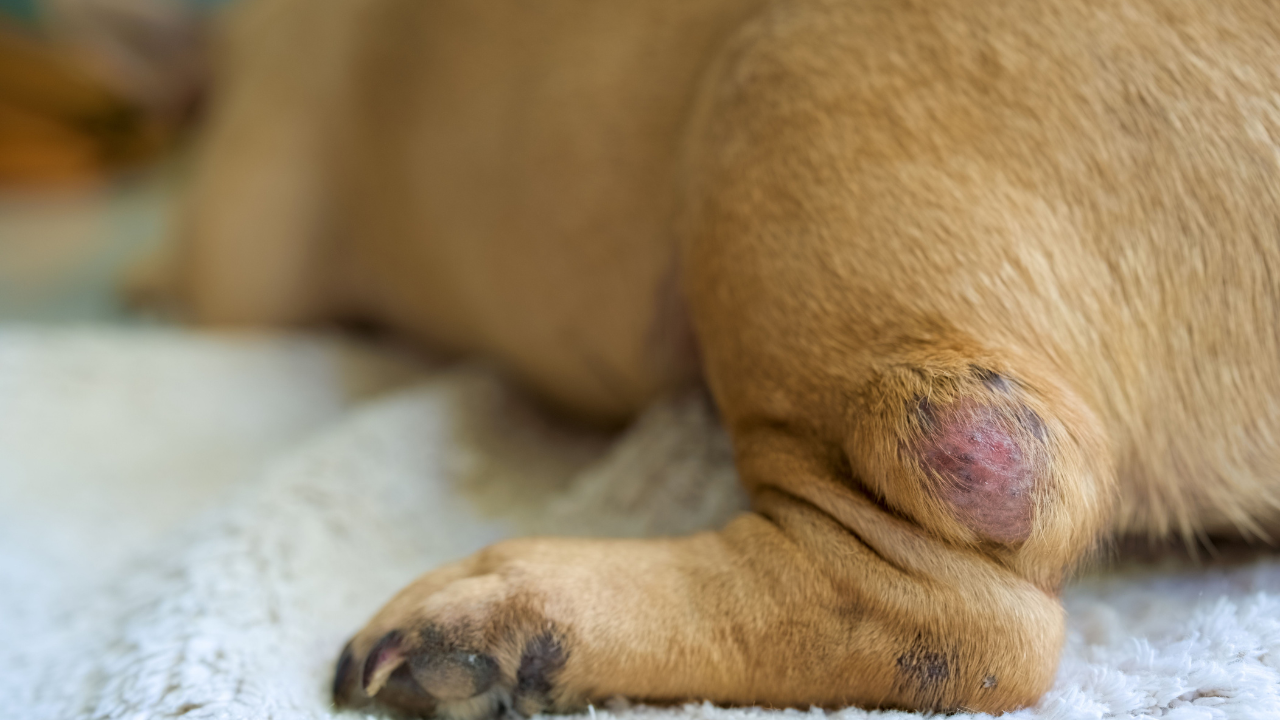
A lump is one of the most recognizable possible signs of cancer, but many canine lumps are not cancerous.
Contact your veterinarian when you discover:
- A new lump
- A lump that is growing
- A change in the shape of an existing lump
- A mass that becomes firmer or more irregular
- A lump that becomes painful
- Bleeding or discharge
- Redness or ulceration
- Swelling that does not improve
- A mass that returns after removal
- A lump near a lymph node
- A growth inside the mouth
- A mass on a paw, nail bed, mammary gland, or around the anus
You cannot reliably identify a lump by how it looks or feels.
Some malignant tumors may appear soft and movable. Some benign masses may feel firm or concerning. Mast cell tumors, for example, can resemble several noncancerous skin growths.
Your veterinarian may recommend:
- Measuring and monitoring the lump
- Fine-needle aspiration
- Cytology
- Biopsy
- Surgical removal
- Histopathology
Do not watch a new lump indefinitely without veterinary guidance.
Enlarged Lymph Nodes
Lymph nodes are part of your dog’s immune system.
Some lymph nodes can be felt:
- Under the jaw
- In front of the shoulders
- Near the armpits
- In the groin
- Behind the knees
Enlarged lymph nodes may feel like firm, rounded swellings beneath the skin.
Lymph nodes can become enlarged because of:
- Infection
- Inflammation
- Immune-system activity
- Lymphoma
- Cancer that has spread from another location
One common presentation of canine lymphoma is painless enlargement of several lymph nodes. Other signs can include appetite loss, lower energy, weight loss, vomiting, diarrhea, or changes in drinking and urination, depending on which organs are affected.
A veterinarian may recommend collecting cells from an enlarged lymph node.
Read More: 7 Signs Of Lymphoma In DogsUnexplained Weight Loss
Weight loss should be investigated when it is ongoing, significant, or occurring without an intentional change in diet or activity.
You may notice:
- A collar or harness becoming looser
- More visible ribs
- A prominent spine
- Sharper hip bones
- Loss of muscle over the head or thighs
- Reduced strength
- Weight loss despite a normal appetite
- Weight loss with vomiting or diarrhea
- Weight loss with increased thirst
- Reduced interest in food
Cancer may affect appetite, digestion, nutrient absorption, metabolism, or the body’s ability to maintain muscle.
However, weight loss can also result from dental disease, kidney disease, diabetes, digestive illness, parasites, hormonal conditions, chronic pain, or other medical problems.
Weigh your dog regularly when possible and record the dates and measurements.
Read More: Why Dogs With Cancer Lose Weight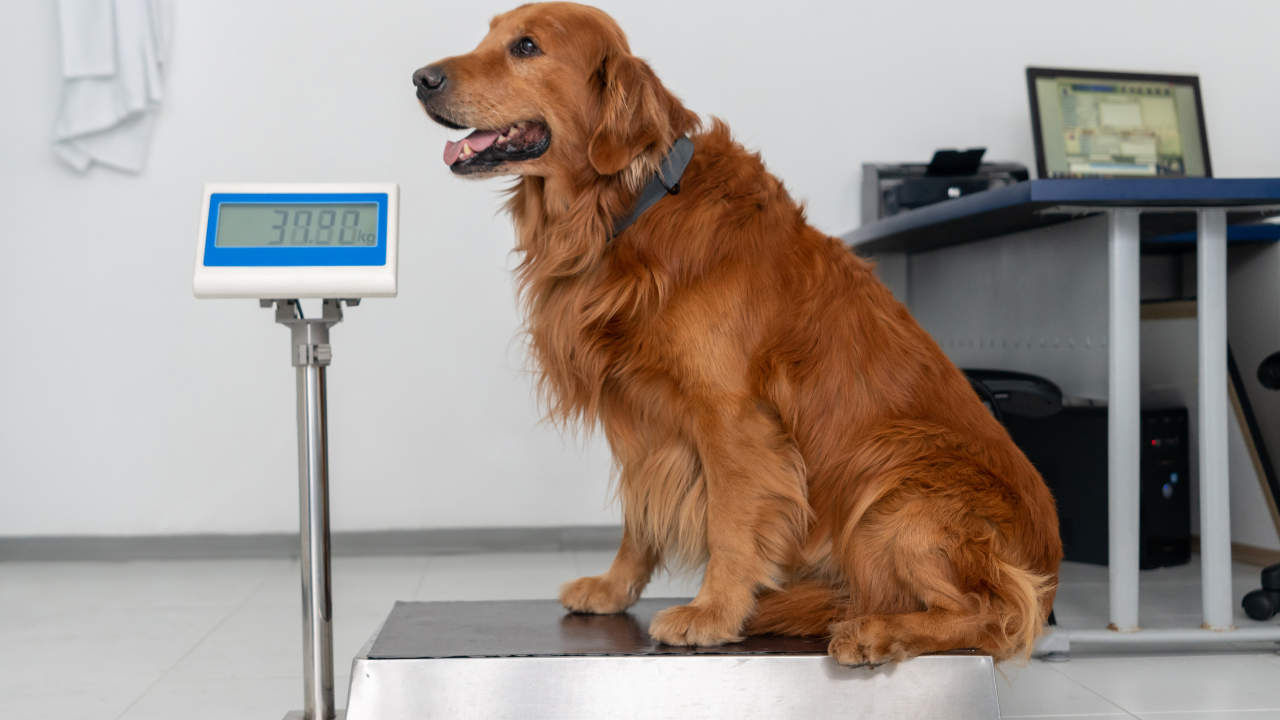
Changes In Appetite
Appetite may decrease because of:
- Nausea
- Pain
- Fever
- Mouth disease
- Difficulty swallowing
- Medication side effects
- Digestive discomfort
- Organ dysfunction
- Stress
- Cancer
Watch for:
- Refusing meals
- Eating much less than usual
- Approaching food and walking away
- Dropping food
- Chewing on only one side
- Difficulty swallowing
- Sudden food aversions
- Appearing hungry but unable to eat
- Increased appetite with weight loss
Poor appetite is a symptom, not simply a behavioral problem.
Contact your veterinarian when appetite loss continues, is accompanied by other symptoms, or occurs in a dog receiving cancer treatment.
Visit: My Dog Needs Help With NutritionLower Energy Or Reduced Endurance
Dogs naturally have quieter days, particularly after increased activity or as they age.
A persistent or unexplained change in energy deserves attention.
You may notice that your dog:
- Sleeps more than usual
- No longer finishes normal walks
- Stops initiating play
- Tires quickly
- Hesitates before climbing stairs
- Appears weak rather than relaxed
- Is less interested in family activities
- Has difficulty recovering after activity
- Spends more time alone
Low energy may be associated with pain, anemia, infection, heart disease, hormonal disease, medication effects, cancer, or many other health problems.
Pay particular attention when reduced energy occurs with:
- Pale gums
- Weight loss
- Appetite changes
- Coughing
- Rapid breathing
- Abdominal swelling
- Collapse
- Bleeding
Changes In Behavior Or Personality
Dogs often communicate discomfort through behavior.
Possible changes include:
- Hiding
- Increased clinginess
- Irritability
- Restlessness
- Pacing
- Withdrawal
- Reduced interaction
- Difficulty sleeping
- Confusion
- Uncharacteristic aggression
- Loss of interest in favorite activities
- Increased sensitivity to touch
- House-soiling
- Appearing unable to settle
These changes can be caused by pain, anxiety, cognitive decline, sensory loss, medication effects, neurologic disease, or another illness.
A sudden or significant behavioral change should be discussed with your veterinarian.

Pain, Limping, Or Swelling
Persistent pain or limping can have many causes, including injuries and arthritis.
Contact your veterinarian when your dog develops:
- Limping that does not improve
- A limp that repeatedly returns
- Swelling around a bone or joint
- Pain without a known injury
- Reluctance to place weight on a limb
- Difficulty standing
- Difficulty lying down
- Sensitivity when touched
- Reduced willingness to jump or climb stairs
- A firm swelling on a limb
- Crying or panting during movement
Osteosarcoma is an aggressive bone cancer that often affects the limbs, although it can occur in other bones. Persistent lameness, pain, and swelling are among the changes that may lead to further investigation.
Seek urgent care if your dog experiences sudden severe pain, cannot bear weight, or may have fractured a bone.
Read More: Understanding Osteosarcoma In DogsVomiting, Diarrhea, Or Stool Changes
Digestive symptoms are common and often have causes unrelated to cancer.
Veterinary care is appropriate when vomiting or diarrhea:
- Continues
- Repeatedly returns
- Contains blood
- Is black or tar-like
- Is accompanied by weakness
- Causes dehydration
- Occurs with abdominal pain
- Leads to weight loss
- Occurs with reduced appetite
- Develops without a clear explanation
- Occurs in a senior dog
Also watch for:
- Constipation
- Repeated straining
- Very narrow stool
- Mucus
- A change in stool color
- Difficulty passing stool
- Pain during defecation
- Accidents in a previously house-trained dog
Digestive cancers may cause vomiting, diarrhea, appetite loss, weight loss, bleeding, or difficulty passing stool, but these symptoms also occur with infections, food-related problems, inflammatory bowel disease, pancreatitis, parasites, and other conditions.
Read More: What Does Blood In My Dog’s Stool Mean?Changes In Drinking Or Urination
Pay attention when your dog:
- Drinks much more than usual
- Drinks significantly less
- Urinates more frequently
- Produces large amounts of urine
- Strains to urinate
- Produces only small amounts
- Has blood in the urine
- Develops accidents
- Appears painful while urinating
- Cannot begin urinating
- Is unable to urinate
Urinary changes can result from:
- Urinary tract infection
- Bladder stones
- Kidney disease
- Diabetes
- Hormonal disease
- Prostate disease
- Medication effects
- Bladder or urinary tract cancer
Canine bladder cancer may initially resemble a urinary tract infection, with signs such as straining, frequent urination, blood in the urine, or accidents.
An inability to urinate is an emergency.
Read More: What Pet Parents Need To Know About Transitional Cell Carcinoma In DogsCoughing Or Breathing Changes
Contact your veterinarian when your dog develops:
- A persistent cough
- A worsening cough
- Reduced exercise tolerance
- Faster breathing while resting
- Persistent panting without heat or exercise
- Noisy breathing
- A change in the bark or voice
- Repeated gagging
- Nasal discharge
- Repeated nosebleeds
- Difficulty resting comfortably
Breathing changes may be related to:
- Heart disease
- Respiratory infection
- Airway disease
- Pain
- Anemia
- Fluid around the lungs
- A lung mass
- Cancer that has spread to the chest
- Nasal or oral disease
Nasal tumors may cause persistent nasal discharge, bleeding, noisy breathing, facial changes, or reduced airflow through one side of the nose.
Difficulty breathing is always an emergency.
Read More: Understanding Nasal Tumors In DogsAbnormal Bleeding Or Discharge
Unexplained bleeding should be evaluated.
Watch for:
- Nosebleeds
- Bleeding from the mouth
- Blood in the urine
- Blood in the stool
- Black, tar-like stool
- Bloody vomit
- Bleeding from a lump
- Vaginal bleeding or discharge
- Persistent discharge from the nose, eyes, or ears
- Unusual bruising
- Small red or purple spots on the skin or gums
Bleeding can have many possible causes, including trauma, infection, clotting disorders, toxins, immune-mediated disease, ulcers, and tumors.
Seek emergency care for uncontrolled bleeding, collapse, pale gums, weakness, or breathing difficulty.
A Swollen Or Enlarged Abdomen
An enlarged abdomen may develop because of:
- Weight gain
- Pregnancy
- Fluid accumulation
- Organ enlargement
- Internal bleeding
- A tumor
- Hormonal disease
- Digestive bloating
- Another medical condition
A gradually enlarging abdomen should be examined.
A suddenly swollen abdomen requires urgent attention, particularly when accompanied by:
- Pale gums
- Weakness
- Collapse
- Rapid breathing
- Pain
- Restlessness
- Repeated retching
- Inability to stand
Internal splenic tumors can grow quietly and may become apparent only when bleeding causes sudden weakness, collapse, pale gums, or abdominal enlargement.
Read More: Spleen Tumors in DogsMouth And Facial Changes
Check your dog’s mouth regularly when it is safe to do so.
Contact your veterinarian if you notice:
- A new growth
- Bleeding from the mouth
- Persistent bad breath
- Excessive drooling
- Difficulty chewing
- Dropping food
- Loose teeth without an obvious explanation
- Facial swelling
- Pain when the mouth is touched
- A sore that does not heal
- Changes in gum color
- Difficulty opening the mouth
- Weight loss associated with eating difficulty
Dental disease is common, but oral tumors can sometimes resemble ordinary dental problems.
Do not wait until a mass prevents eating before arranging an examination.
Skin Changes And Wounds That Do Not Heal
Cancer affecting the skin can appear in many different ways.
Watch for:
- A new lump
- A raised or flat growth
- A sore that does not heal
- Repeated bleeding
- Crusting
- Discoloration
- Hair loss over one area
- A thickened patch of skin
- Persistent itching
- A lesion that repeatedly opens
- Changes around a nail or paw pad
- A mass that changes size
Skin tumors cannot reliably be identified from photographs or visual appearance alone.
Your veterinarian may need to collect cells or tissue.
Cutaneous lymphoma and other skin cancers can sometimes resemble allergies, infections, sores, or chronic inflammatory skin disease.

Neurologic Changes
Contact a veterinarian promptly if your dog experiences:
- A seizure
- Circling
- Head pressing
- Loss of balance
- Falling
- Sudden weakness on one side
- Difficulty walking
- Abnormal eye movements
- Tremors
- Confusion
- Sudden vision changes
- Changes in awareness
- Repetitive or unusual behavior
- A change in personality
Neurologic symptoms can result from several conditions, including toxin exposure, metabolic disease, infection, epilepsy, stroke-like events, inflammation, and brain or spinal disease.
A first seizure, prolonged seizure, repeated seizures, loss of consciousness, or severe disorientation requires urgent veterinary care.
Read More: Brain Cancer in Dogs
Changes In The Eyes
Contact your veterinarian if you notice:
- Redness that does not improve
- Cloudiness
- A change in eye color
- A visible mass
- Swelling
- Bulging
- Persistent discharge
- Squinting
- Pain
- Sudden vision loss
- Unequal pupils
- Bleeding inside the eye
Eye symptoms can be painful and may worsen quickly.
They can be caused by infection, glaucoma, trauma, inflammation, retinal disease, neurologic disease, or tumors.
Sudden eye pain or vision loss should be treated as urgent.
Nail, Toe, And Paw Changes
Cancer can occasionally affect the toes, nail beds, paw pads, or skin between the toes.
Watch for:
- A broken nail that does not heal
- Repeated bleeding from one toe
- Persistent licking of one paw
- Swelling of a toe
- A mass near the nail
- Nail loss
- Limping
- Discharge or odor
- A wound that repeatedly returns
These signs can also occur with injuries, infections, foreign objects, or immune-related nail disease.
Persistent changes should be examined.
Changes In The Mammary Area
Mammary tumors may appear as one or more lumps along the chain of mammary glands.
Watch for:
- A new lump near a nipple
- Several small nodules
- A rapidly growing mass
- Redness or warmth
- Discharge from a nipple
- Ulceration
- Pain
- Swelling
Mammary masses can be benign or malignant.
A veterinary examination and tissue evaluation are needed to determine what the mass is.
Read More: Mammary Tumors in Dogs
Symptoms May Be Subtle At First
Some cancers cause few or no obvious symptoms during their early stages.
A dog may continue:
- Eating
- Playing
- Walking
- Greeting family
- Appearing comfortable
This is why routine veterinary examinations and attention to small changes are important.
Possible early changes may include:
- A slightly smaller appetite
- Resting more
- A subtle limp
- A new lump
- Drinking more
- Mild weight loss
- A change in breath odor
- Occasional vomiting
- Reduced enthusiasm for exercise
- A wound that does not completely heal
A subtle change does not automatically mean cancer.
What matters is whether the change persists, becomes more frequent, worsens, or appears alongside other symptoms.
AAHA notes that early cancer signs may be subtle and easily overlooked, but recognizing them can support earlier veterinary evaluation and more informed decisions.
Learn Your Dog's Normal
It is easier to recognize a change when you know what is normal for your individual dog.
Become familiar with your dog’s:
- Normal appetite
- Typical water intake
- Usual energy level
- Resting breathing pattern
- Body weight
- Stool
- Urination habits
- Gait
- Sleep
- Personality
- Mouth
- Skin
- Existing lumps
- Favorite activities
A senior dog’s normal may be different from a young dog’s normal.
A dog with arthritis, kidney disease, heart disease, or another chronic condition may already have symptoms that need ongoing monitoring.
The goal is not to compare your dog with every other dog.
It is to recognize meaningful changes from your dog’s own baseline.
Check Out DoggevityPerform A Monthly Nose-To-Tail Check
Choose one day each month to gently examine your dog.
Keep the routine calm and positive.
Stop if your dog appears painful, frightened, or uncomfortable.
Check The Head And Mouth
Look at:
- Eyes
- Nose
- Lips
- Gums
- Teeth
- Tongue
- Roof of the mouth
- Inside of the cheeks
- Jaw
- Face
Watch for:
- Growths
- Bleeding
- Swelling
- Discharge
- Sores
- Color changes
- Bad odor
- Difficulty chewing
Check The Neck And Lymph Node Areas
Gently feel:
- Under the jaw
- In front of the shoulders
- Around the armpits
- In the groin
- Behind the knees
Ask your veterinarian to show you where normal lymph nodes are located.
Check The Skin And Coat
Run your hands slowly over:
- Neck
- Shoulders
- Back
- Chest
- Abdomen
- Sides
- Tail
- Legs
Notice:
- Lumps
- Swelling
- Sores
- Crusting
- Hair loss
- Discoloration
- Pain
- Warmth
- Moisture
- Odor
Check The Legs, Toes, And Nails
Look for:
- Limping
- Swelling
- Broken nails
- Bleeding
- Toe changes
- Paw-pad wounds
- Pain
- Differences between matching legs
Check The Abdomen
Look at the shape of the abdomen.
Do not press deeply or attempt to feel internal organs.
Contact your veterinarian for enlargement, firmness, pain, or asymmetry.
Observe Movement
Watch your dog:
- Stand
- Walk
- Turn
- Sit
- Lie down
- Use stairs when normally permitted
- Go outside
Record stiffness, weakness, limping, hesitation, or loss of coordination.
Read More: Dog Cancer Prevention—Five Steps You Can Take Today
How To Track A Lump
When you find a lump:
Record The Location
Describe exactly where it is.
A body diagram may be helpful.
Measure It
Use a ruler to record:
- Length
- Width
- Approximate height
- Date
Take A Photograph
Place a ruler beside the lump for scale.
Use similar lighting and positioning for future photographs.
Note How It Feels
Record whether it appears:
- Soft or firm
- Smooth or irregular
- Movable or fixed
- Painful or painless
- Covered by normal or abnormal skin
- Dry, moist, bleeding, or ulcerated
These details may help your veterinarian, but they cannot determine whether the lump is cancerous.
Arrange An Examination
Ask whether the lump should be sampled.
Do not rely on appearance, texture, or an online photograph comparison to identify it.
Use A Symptom Tracker
Memory becomes less reliable when you are worried.
A written or digital symptom record can help you explain what is happening more clearly.
Track:
- Date and time
- Symptom
- Duration
- Frequency
- Severity
- Appetite
- Water intake
- Weight
- Energy
- Breathing
- Mobility
- Urination
- Stool
- Vomiting
- Pain
- Sleep
- Medications
- Supplements
- Photographs
- Videos
- Questions for the veterinarian
Also record good moments.
A symptom tracker should provide a balanced picture of your dog’s health, not only the most frightening moments.
The Dog Cancer Tracker was created to help pet parents record symptoms, appetite, medications, health changes, and quality of life so patterns can be discussed more clearly with the veterinary team.
Use the Free Dog Cancer TrackerPhotograph And Record Symptoms Safely
Photographs and videos may help document:
- Limping
- Coughing
- Breathing changes
- Tremors
- Seizures
- Difficulty eating
- Changes in a lump
- Abnormal stool
- Unusual behavior
- Episodes that do not occur during appointments
Do not delay care to obtain a photograph or video.
When recording:
- Include the date
- Use good lighting
- Include a size reference for lumps
- Record the entire episode when safely possible
- Avoid restraining a painful dog
- Do not place your hands near the mouth of a distressed or seizing dog
Bring the information to your veterinarian.

Preparing For A Veterinary Appointment
Before the appointment, write down:
- What changed
- When you first noticed it
- Whether it is improving or worsening
- How often it occurs
- What seems to trigger it
- Whether your dog appears painful
- Changes in appetite or weight
- Changes in drinking or urination
- Other symptoms occurring at the same time
- Medications and supplements
- Relevant photographs or videos
- Questions you want answered
Bring available medical records, including:
- Previous laboratory results
- Imaging reports
- Pathology reports
- Surgical records
- Vaccination history
- Records from other veterinary clinics
What Tests May Be Recommended?
The appropriate tests depend on the symptom and examination findings.
Fine-Needle Aspiration And Cytology
A fine needle may be used to collect cells from:
- A lump
- A lymph node
- An organ
- An abnormal area
The cells can then be examined under a microscope.
Some masses can be identified through cytology. Others require a larger tissue sample.
Biopsy And Histopathology
A biopsy collects tissue for microscopic examination.
It may provide information about:
- Whether cancer is present
- The tumor type
- Tumor grade
- Growth characteristics
- Surgical margins after removal
A pathology report may confirm the diagnosis and provide details that help guide treatment decisions.
Bloodwork
Blood tests may help evaluate:
- Red blood cells
- White blood cells
- Platelets
- Liver function
- Kidney function
- Blood sugar
- Electrolytes
- Protein levels
- Calcium
- Signs of inflammation
Routine bloodwork cannot diagnose or rule out most cancers by itself.
Normal bloodwork does not guarantee that cancer is absent.
Urinalysis
Urine testing may help investigate:
- Blood in the urine
- Increased drinking
- Increased urination
- Infection
- Kidney function
- Diabetes
- Bladder abnormalities
X-Rays
X-rays may help evaluate:
- Bones
- Lungs
- Chest
- Some abdominal abnormalities
- Joint or limb pain
- Fluid
- Certain masses
Ultrasound
Ultrasound can help examine:
- Liver
- Spleen
- Kidneys
- Bladder
- Intestinal tract
- Lymph nodes
- Other abdominal structures
It may identify a mass or guide the collection of cells or tissue.
CT Or MRI
Advanced imaging may be recommended for:
- Brain or spinal symptoms
- Nasal disease
- Complex masses
- Surgical planning
- Bone disease
- Chest abnormalities
- Tumors in difficult locations
Imaging can show that an area is abnormal, but cell or tissue sampling may still be required to determine exactly what it is.
What If My Dog Seems Completely Healthy?
Some cancers are discovered during:
- A routine physical examination
- Evaluation of a new lump
- Dental care
- Bloodwork performed for another reason
- Imaging
- Surgery for an unrelated condition
- Screening based on breed or age
A dog can appear comfortable and active while a tumor is present.
Continue routine veterinary wellness examinations even when your dog appears healthy.
Ask your veterinarian how often your dog should be examined based on:
- Age
- Breed
- Size
- Reproductive status
- Health history
- Previous tumors
- Family history when known
- Current medications
- Individual risk factors
What If The Symptoms Come And Go?
Intermittent symptoms should still be documented.
A symptom that disappears does not always mean the underlying problem has resolved.
Examples include:
- A limp that repeatedly returns
- Appetite that fluctuates
- Episodes of weakness
- Intermittent vomiting
- A lump that changes size
- Urinary symptoms that improve and return
- Periodic coughing
- Occasional nosebleeds
Record:
- Date
- Duration
- Possible trigger
- Severity
- Recovery time
- Other symptoms present
- Medication timing
Seek urgent care for serious symptoms even when your dog appears to recover afterward.
Questions To Ask Your Veterinarian
Questions About The Symptom
- What are the most likely causes?
- Could this be cancer?
- What noncancerous conditions could cause it?
- How urgent is the symptom?
- What should I monitor at home?
- Which change would require emergency care?
- When should my dog be rechecked?
Questions About Testing
- Which test do you recommend first?
- What will the test tell us?
- Is sedation required?
- Are there risks?
- How should my dog prepare?
- When will the results be available?
- What happens if the test is inconclusive?
- Could we prioritize testing if cost is a concern?
Questions About A Lump
- Should it be sampled?
- Would a fine-needle aspiration be appropriate?
- Should the sample be reviewed by a veterinary pathologist?
- Might a biopsy be needed?
- Should we obtain a diagnosis before surgery?
- Could the location affect surgical planning?
- How should I monitor it while waiting?
Questions About Next Steps
- Has cancer been confirmed or only suspected?
- Should we see a veterinary oncologist?
- Would a second opinion help?
- Should additional imaging be performed?
- What should we do while waiting for results?
- How can we keep my dog comfortable?
What If Cancer Is Diagnosed?
A diagnosis can feel overwhelming, even when you knew cancer was possible.
Begin with the next useful questions:
- What type of cancer is it?
- How was the diagnosis confirmed?
- Is there a tumor grade?
- Does the cancer need to be staged?
- Has it spread?
- Is treatment urgent?
- Should my dog see a veterinary oncologist?
- Which symptoms need treatment now?
- What are the available options?
- What is the goal of each option?
- How may treatment affect quality of life?
Request copies of:
- Cytology reports
- Biopsy reports
- Imaging
- Bloodwork
- Surgical reports
- Medication lists
- Treatment recommendations
You do not have to understand the entire cancer journey in one day.
Start The Dog Cancer RoadmapFrequently Asked Questions
What Is Usually The First Sign Of Cancer In A Dog?
There is no single first sign.
Some dogs develop a lump, while others experience weight loss, reduced appetite, enlarged lymph nodes, limping, bleeding, coughing, digestive symptoms, or behavior changes.
Some dogs show no obvious early symptoms.
Do Cancer Symptoms Appear Suddenly?
They can.
Some symptoms develop gradually, while others appear suddenly because a tumor begins bleeding, obstructs an organ, causes a fracture, or affects the nervous system.
Sudden severe symptoms require immediate veterinary attention.
Are Most Lumps On Dogs Cancer?
Many lumps are benign, but appearance and texture cannot reliably determine what a mass is.
Ask your veterinarian whether a new or changing lump should be sampled.
Can A Soft Lump Be Cancer?
Yes.
Some malignant tumors can feel soft or movable, while some benign masses feel firm.
Testing is often needed.
Can Bloodwork Detect Cancer?
Routine bloodwork may identify anemia, abnormal blood cells, organ changes, inflammation, or other concerns.
It cannot reliably diagnose or exclude most canine cancers on its own.
Can Normal Bloodwork Rule Out Cancer?
No.
A dog may have cancer while routine bloodwork remains within normal ranges.
Additional testing may be required when a lump or symptom remains concerning.
Can An X-Ray Or Ultrasound Confirm Cancer?
Imaging may reveal a mass, enlarged organ, bone change, fluid, or evidence of spread.
It may not identify the exact tumor type.
Cytology or biopsy may still be needed.
Should I Wait To See Whether A Symptom Goes Away?
A mild, isolated symptom may sometimes be monitored according to veterinary guidance.
Contact your veterinarian when a symptom is new, persistent, worsening, recurring, painful, or accompanied by other changes.
Do not monitor an emergency symptom at home.
How Long Should I Watch A Lump?
Do not watch a new lump indefinitely without veterinary guidance.
Contact your veterinarian and ask whether it should be examined or sampled.
Do Dogs With Cancer Always Lose Weight?
No.
Some dogs maintain weight, particularly during earlier stages.
Others lose weight because of appetite changes, digestive disease, metabolic changes, treatment side effects, or advanced illness.
Does A Dog With Cancer Always Seem Sick?
No.
Some dogs continue eating, playing, and behaving normally while cancer is present.
Routine examinations and evaluation of new changes remain important.
Can Bad Breath Be A Cancer Symptom?
Persistent bad breath is commonly associated with dental disease.
It may also occur with oral infection, tissue damage, metabolic illness, or an oral tumor.
A veterinary oral examination is appropriate.
Can Limping Be A Sign Of Cancer?
Yes, but limping is more commonly associated with injuries, arthritis, or other orthopedic problems.
Persistent, unexplained, or worsening limping should be evaluated.
Are Nosebleeds A Sign Of Cancer?
Nosebleeds may occur with trauma, infection, clotting problems, foreign objects, dental disease, high blood pressure, or nasal tumors.
Repeated or unexplained nosebleeds require veterinary attention.
Can Cancer Cause Increased Drinking?
Some cancers and cancer-related changes can increase drinking and urination.
These symptoms are also common with kidney disease, diabetes, hormonal conditions, medications, and infections.
Does A Dog’s Age Affect Cancer Risk?
Cancer becomes more common as dogs age, although dogs of any age can develop tumors.
Breed, size, sex, genetics, and the particular cancer type may also influence risk. The AVMA reports that canine cancer risk rises substantially in older dogs.
Should I Start Cancer Supplements When I Notice A Symptom?
No supplement should replace diagnosis.
Some products may interact with medications, affect blood clotting, create side effects, or delay appropriate care.
Speak with your veterinarian before giving a new product.
Did I Miss The Signs?
Cancer symptoms can be subtle, nonspecific, intermittent, or absent until the disease becomes more advanced.
Not recognizing cancer earlier does not mean you failed your dog.
What Is The Most Important Thing I Can Do?
Pay attention to changes, document what you observe, and seek appropriate veterinary care.
You do not need to diagnose your dog yourself.
Pay Attention Without Living In Fear
Learning cancer symptoms is not meant to make you question every nap, skipped meal, or ordinary lump.
Most symptoms have more than one possible explanation.
The goal is awareness—not panic.
Become familiar with your dog’s normal body and routines.
Notice changes.
Write them down.
Ask questions.
Arrange an examination when something does not feel right.
Seek emergency help when your dog is in distress.
You do not need to know whether a symptom is cancer before calling your veterinarian.
You only need to recognize that something has changed.
That awareness can be an important act of care.
Track with DoggevityThe information on this page is intended for educational and supportive purposes only.
It does not diagnose, treat, cure, or prevent cancer and does not replace examination, diagnostic testing, emergency care, or individualized advice from a licensed veterinarian.
Contact your veterinarian when your dog develops a new lump, persistent symptom, recurring problem, unexplained weight loss, pain, bleeding, breathing change, behavior change, or another concerning health issue.
Seek immediate emergency veterinary care for difficulty breathing, blue or gray gums, collapse, loss of consciousness, uncontrolled bleeding, severe pain, repeated seizures, sudden abdominal enlargement, inability to urinate, choking, or another potentially life-threatening symptom.
