What Actually Helps a Dog Recover After Cancer Surgery?
Aug 03, 2026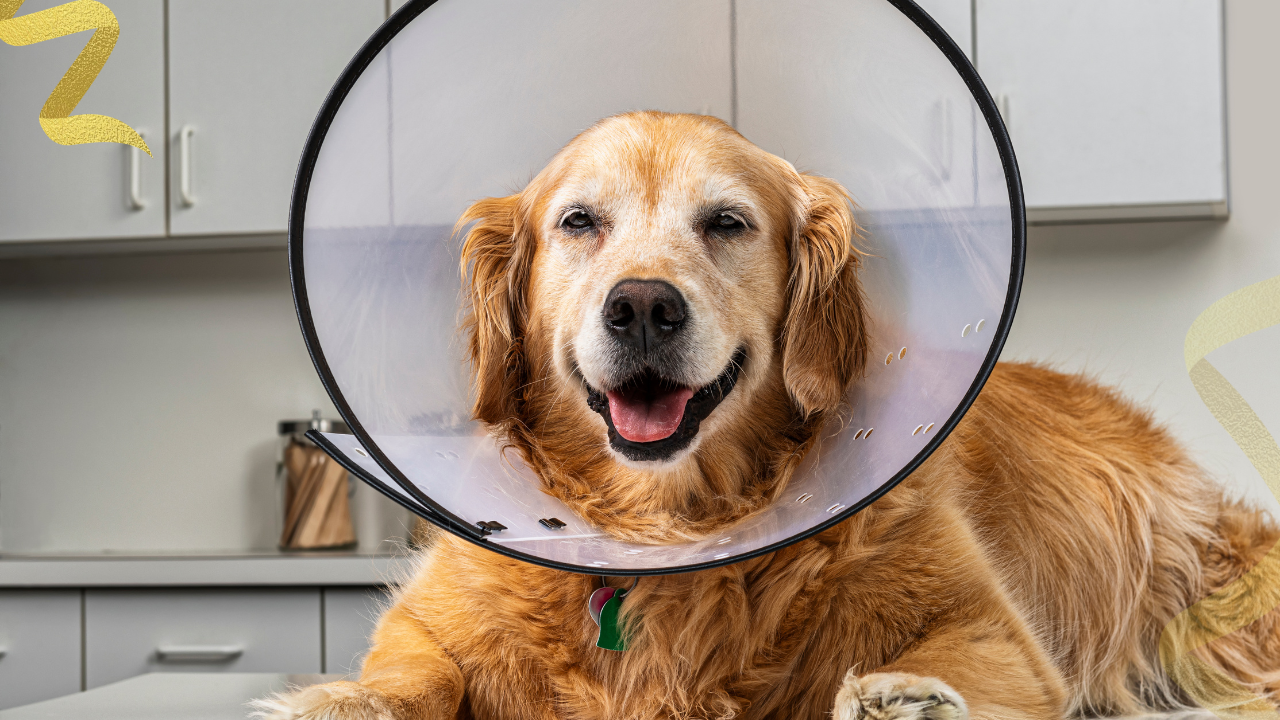
Four things, and none of them come in a jar. Keeping your dog's pain controlled, keeping their tongue off the incision, keeping them quiet when they start feeling well enough to move, and getting calories into them. That is most of recovery. Everything else is optional at best.
This is worth saying plainly because the internet points the other way. Search for post-surgical recovery and you will find turmeric, fish oil, mitochondrial support, and a list of supplements framed as the difference between healing and languishing. Some of those have evidence behind them for other purposes. A few carry real caution in the days right after an incision has been closed, and at least one of the popular recommendations, omega-3 fish oil, appears in the veterinary literature specifically under potential effects on wound healing and platelet function (Lenox & Bauer, 2013).
The days after cancer surgery are not a good time to run an experiment on your dog. They are a good time to do the unglamorous things carefully.
Key Points
Pain medication should be given exactly as prescribed, even when your dog seems comfortable, because dogs do not reliably show pain and skipping doses can slow recovery (American College of Veterinary Surgeons, 2026).
Licking is the most controllable cause of a surgical complication, which is why the Elizabethan collar or recovery suit is not negotiable and not cruel.
Dogs feel better long before they are healed. Activity restriction matters most in the window when your dog seems fine.
Eating less or skipping a meal in the first 24 hours after anesthesia is expected. An appetite that does not return after that is a reason to call, not a reason to try harder with toppers.
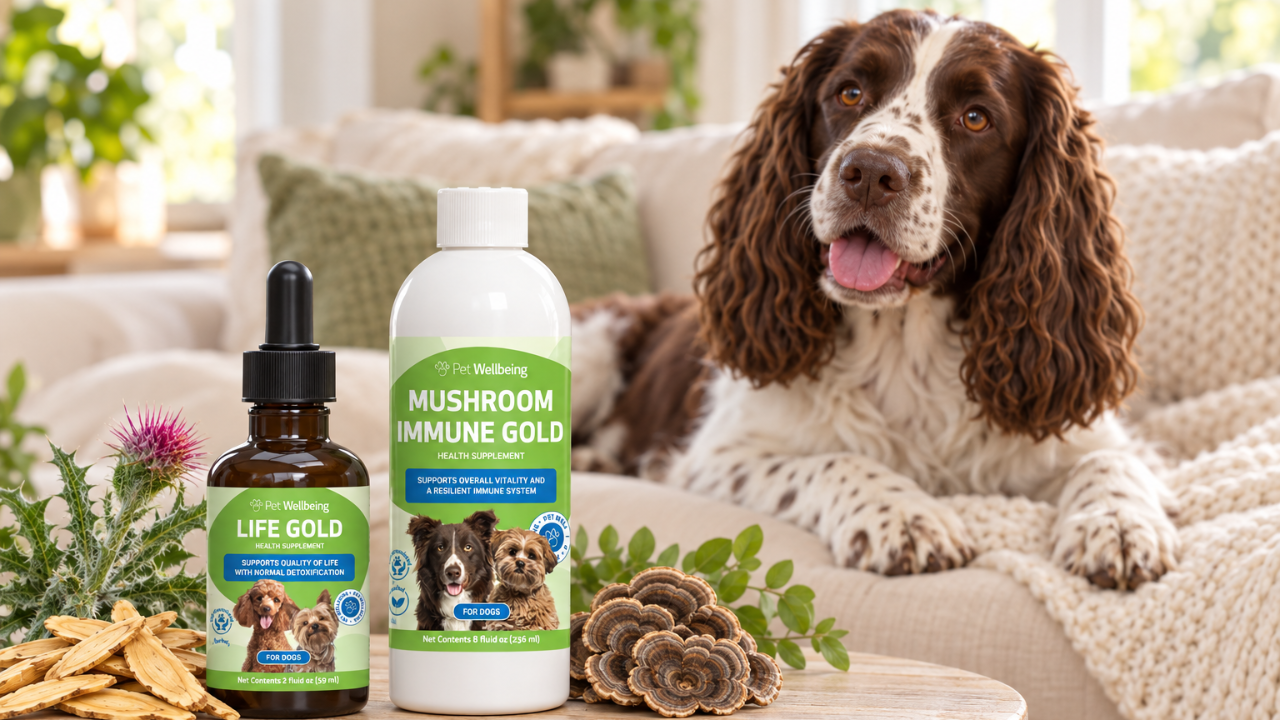
Do not add supplements, herbs, or new foods during recovery without asking your veterinary team first. Sudden diet changes should be avoided unless specifically directed (American College of Veterinary Surgeons, 2026), and some popular recovery supplements have plausible interactions with healing tissue, platelets, or chemotherapy that follows surgery.
Nothing goes on the incision. No ointments, sprays, oils, or honey unless your veterinary team specifically told you to use them (American College of Veterinary Surgeons, 2026).
The First Thing to Know: What a Problem Looks Like
Before anything about food, learn the difference between normal and not.
A healing incision is clean and dry with the edges together. Mild redness or bruising in the first few days can be normal, and slight swelling or a firm area under the incision can be present in the first week and usually improves. A small amount of clear or blood-tinged fluid right after surgery is expected. Ongoing discharge, thick fluid, pus, or a foul odor is not normal and should be reported (American College of Veterinary Surgeons, 2026).
Sleepiness, low energy, mild disorientation, and unsteadiness are all normal after anesthesia and should improve over the first day or two. So is a delayed bowel movement for a day or two, and soft stool from stress, medication, or a diet change (American College of Veterinary Surgeons, 2026).
The full list of reasons to call is further down. If something on your dog looks wrong right now, skip to it.
Pain Control Is Not Optional
This gets less attention than it should in recovery articles, probably because there is nothing to buy.
Pain medications are often prescribed even when a pet appears comfortable, because pets do not always show obvious signs of pain. Doses should be given exactly as directed, and skipping doses or stopping early can result in more discomfort and may slow recovery. Changes in activity, appetite, posture, or behavior can indicate pain, and those changes should be reported so the plan can be adjusted (American College of Veterinary Surgeons, 2026).
Your surgeon likely used several methods during the procedure itself, including epidurals or local blocks, so what you are giving at home is one part of a larger plan rather than the whole thing (American College of Veterinary Surgeons, 2026).
Never add a human pain reliever. Not one tablet, not a low dose, not the one that worked for your last dog.
The Cone Is the Cheapest Insurance You Will Ever Buy
Licking or chewing at an incision delays healing and raises the risk of infection. An Elizabethan collar is commonly recommended to prevent access to the site and should be worn as directed. Surgical sleeves and recovery body suits are alternatives in some cases, but only when your veterinary team has specifically advised them based on where the incision is (American College of Veterinary Surgeons, 2026).
The practical failure point is night three or four, when your dog has figured out the cone and you have stopped supervising as closely. That is usually when incisions get opened.
Also worth knowing: the incision should stay clean and dry, bathing and swimming wait until you are cleared, and photographing the site every day gives your team something to compare when you call with a question (American College of Veterinary Surgeons, 2026).
Quiet Is a Treatment
Limiting activity after surgery is critical, and the reason is counterintuitive. Pets often feel well long before the tissue is strong, and can injure themselves easily during that window.
Dogs should go outside on leash for bathroom breaks only unless you have been told otherwise. Running, jumping, playing, and stairs are limited as directed, and a crate or small room prevents the unsupervised burst of activity that undoes a repair. Activity is added back in stages based on healing and recheck exams, and going too fast can delay recovery or cause injury (American College of Veterinary Surgeons, 2026).
Since a bored dog is a dog who finds something to do, calm mental stimulation such as food puzzles is a reasonable substitute for physical activity during the restricted period (American College of Veterinary Surgeons, 2026). That is a better use of your energy than a supplement shelf.
Food: Simple, and Cleared With Your Team
Nutrition genuinely matters after surgery. Adequate calories and protein support tissue repair and immune function, and appetite changes are common early on (American College of Veterinary Surgeons, 2026).
The part most recovery articles get backward is what to do about it.
Some pets eat less or skip meals in the first 24 hours, and appetite typically improves as anesthesia wears off and pain is well controlled. Owners should follow the feeding recommendations given at discharge, including meal size, frequency, and diet type, and sudden diet changes should be avoided unless the veterinary team directs them. Fresh water should be available unless you have been told otherwise, and reduced water intake should be reported (American College of Veterinary Surgeons, 2026).
That guidance sits awkwardly against advice to start bone broth, canned pumpkin, and yogurt on day one. A dog recovering from anesthesia with a fresh abdominal incision and new medications is not an ideal candidate for three simultaneous dietary changes. If your dog's stool goes soft, you now cannot tell whether it was the drugs, the stress, the surgery, or the pumpkin.
None of those foods is dangerous on its own. Plain pumpkin is fine for many dogs. Broth without onion or garlic is fine. The question is timing and whether your team wants anything changed at all this week, and that is a text message away.
For dogs with cancer specifically, guidelines direct the veterinary team to assess nutritional status at diagnosis and throughout treatment, and to customize the diet to the individual patient and any other health problems present (American Animal Hospital Association, 2026). Diet is meant to be part of the medical plan rather than a parallel one you run at home.
Two things to skip regardless: onion and garlic in any form, including in broths and seasoned human foods, and fatty table scraps, which are a poor idea in a dog who is already nauseated and on new medications.
The Supplement Section, Honestly
Here is where the popular version of this article and the evidence part ways.
Fish oil. Omega-3 fatty acids are among the better-supported supplements in dogs for several inflammatory conditions. They are also the one with a published review of potential adverse effects in dogs and cats, which lists altered platelet function and detrimental effects on wound healing among the concerns, alongside gastrointestinal effects, altered immune function, and nutrient-drug interactions (Lenox & Bauer, 2013). Effects on platelets appear smaller in dogs than in some other species, and much of this is theoretical rather than demonstrated harm. But "may affect platelets and wound healing" is a strange thing to start on your own during the week a wound is healing. If your dog was already taking fish oil before surgery, tell your team rather than guessing.
Turmeric and curcumin. Curcumin has real biological activity in laboratory work. The obstacle is getting it into a dog. Its poor water solubility, instability at neutral pH, and rapid metabolism mean oral bioavailability is low, and a review comparing turmeric and curcumin use in humans and dogs describes clinical efficacy as unclear and lists these limitations directly (Kępińska-Pacelik & Biel, 2023). Golden paste recipes are built around this problem, which is a fair acknowledgment that the problem is real. There is also a specific reason to pause after surgery: curcumin is discussed in the literature for effects on platelet aggregation, and your dog may be on an NSAID already. Ask before starting.
Quercetin. The "nature's Benadryl" framing is marketing, not pharmacology. We were not able to locate clinical trials supporting quercetin for post-surgical inflammation in dogs. That does not make it harmful. It does mean it should not be presented as an established part of recovery.
Fermented wheat germ extract, CoQ10, L-carnitine. The mitochondrial support category is where the gap between enthusiasm and evidence is widest. Fermented wheat germ extract has been studied fairly extensively, but the systematic review evidence base is dominated by what happens to cancer cell lines in culture (Zhurakivska et al., 2018), and we found no published clinical trials in dogs recovering from cancer surgery. Calling any of these a favorite for a particular year describes a trend, not a finding.
The chemotherapy question, which changes everything. Many dogs having cancer surgery go on to chemotherapy or radiation within weeks. Concentrated antioxidant supplements during those treatments are genuinely controversial among oncologists, since some treatments work partly through oxidative damage. This is not a settled debate and reasonable specialists differ. It is precisely why the decision belongs to your dog's oncologist, who knows what drug is coming and when, rather than to an article. Our piece on milk thistle for dogs with cancer walks through what a supplement with actual trial evidence in this setting looks like, and how narrow even that finding is.
None of this means supplements are useless or that your interest in them is misplaced. It means the post-surgical window is the wrong time to start something new without asking, and that an oncologist who says "not yet" is protecting a plan rather than dismissing you.
The Recovery Space
The environment advice in most articles is sound and costs almost nothing.
Pick a quiet, low-traffic spot with washable bedding. Put down non-slip rugs or yoga mats on hardwood and tile, since a dog on pain medication with a fresh incision does not need to slip. Keep other pets from licking the incision, which they will try to do. Keep the room comfortable and the routine boring.
On smart collars and home vital sign monitors: they are interesting, and none of them replaces a thermometer, your eyes on the incision, or a phone call. If a device makes you check on your dog less often, it is working against you.
What Recovery Actually Looks Like
Most dogs improve steadily. Sleep and appetite come back over a few days, the incision quiets down over one to two weeks, and rechecks confirm whether it is time to loosen the restrictions. Recovery timelines vary by procedure and by patient, and following the discharge instructions even after your dog seems better is what protects healing tissue (American College of Veterinary Surgeons, 2026).
There is also the part nobody puts in a checklist. You are waiting on a pathology report. Margins, grade, and whether anything else needs to happen are questions that will not be answered by how well the incision looks, and the waiting is its own kind of hard. If that result changes the plan, our article on whether dog cancer can come back covers what margins and grade actually predict.
When to Contact a Veterinarian
Call your veterinary team if you see any of the following (American College of Veterinary Surgeons, 2026):
Worsening lethargy, weakness, or behavior changes that are not improving.
Pain that persists or worsens, vocalizing, or reluctance to move.
Incision changes including increasing redness, swelling, heat, discharge, odor, or any opening of the incision. An incision that has opened should be covered with a clean cloth and treated as a same-day emergency.
Licking, chewing, or interference with the incision that you cannot control.
Poor appetite that persists beyond the expected first day, vomiting, or concerns about hydration.
Difficulty urinating, inability to urinate, or significant straining.
Diarrhea, constipation lasting several days, or blood in the urine or stool.
Bandage, splint, or cast problems including slipping, swollen toes, odor, moisture, or increased discomfort. Never adjust, trim, or remove these at home.
Any sudden change in comfort, limb use, or overall condition that worries you.
If you are unsure whether something is normal, calling is always appropriate (American College of Veterinary Surgeons, 2026). Nobody at that clinic thinks less of you for asking.
Questions to Ask Your Veterinarian
Which pain medications is my dog on, when is each due, and what should I do if they do not seem to be enough?
How long does the E-collar or recovery suit need to stay on, and when can it come off?
Exactly what activity is allowed this week, and when do the restrictions change?
What should the incision look like on day three, and when should I be worried?
Should I change my dog's food at all right now, or keep everything the same?
My dog takes these supplements. Should any of them stop before or after surgery?
Is chemotherapy or radiation likely to follow, and does that change what I can give at home?
When should I expect the pathology report, and who will call me with it?
When is the recheck, and what will you be assessing?
References
American Animal Hospital Association. (2026). Section 7: Supportive and symptomatic care. In 2026 AAHA oncology guidelines for dogs and cats. https://www.aaha.org/resources/2026-aaha-oncology-guidelines-for-dogs-and-cats/section-7-supportive-and-symptomatic-care/
American College of Veterinary Surgeons. (2026). Postoperative care after surgery: What animal owners should expect. https://www.acvs.org/small-animal/postoperative-care-after-surgery-what-animal-owners-should-expect/
Kępińska-Pacelik, J., & Biel, W. (2023). Turmeric and curcumin: Health-promoting properties in humans versus dogs. International Journal of Molecular Sciences, 24(19), Article 14561. https://doi.org/10.3390/ijms241914561
Lenox, C. E., & Bauer, J. E. (2013). Potential adverse effects of omega-3 fatty acids in dogs and cats. Journal of Veterinary Internal Medicine, 27(2), 217-226. https://doi.org/10.1111/jvim.12033
Zhurakivska, K., Troiano, G., Caponio, V. C. A., Dioguardi, M., Arena, C., & Lo Muzio, L. (2018). The effects of adjuvant fermented wheat germ extract on cancer cell lines: A systematic review. Nutrients, 10(10), Article 1546. https://doi.org/10.3390/nu10101546
Reviewed by: Amber L. Drake, PhD
Dr. Amber L. Drake is a board-certified holistic health practitioner, canine clinical herbalist, educator, and founder of the Drake Dog Cancer Foundation and Drake Dog Academy. She is dedicated to helping pet parents better understand canine cancer, treatment options, nutrition, quality of life, and supportive care through compassionate, evidence-informed education. Her work combines professional training, practical resources, and firsthand insight from supporting thousands of dog families through the challenges of a cancer diagnosis.
Stay connected with news and updates!
Join our mailing list to receive the latest news and updates from our team.
Don't worry, your information will not be shared.
We hate SPAM. We will never sell your information, for any reason.