Air-Dried Dog Food: What It Is, Safety, and Who It Suits
Nov 10, 2026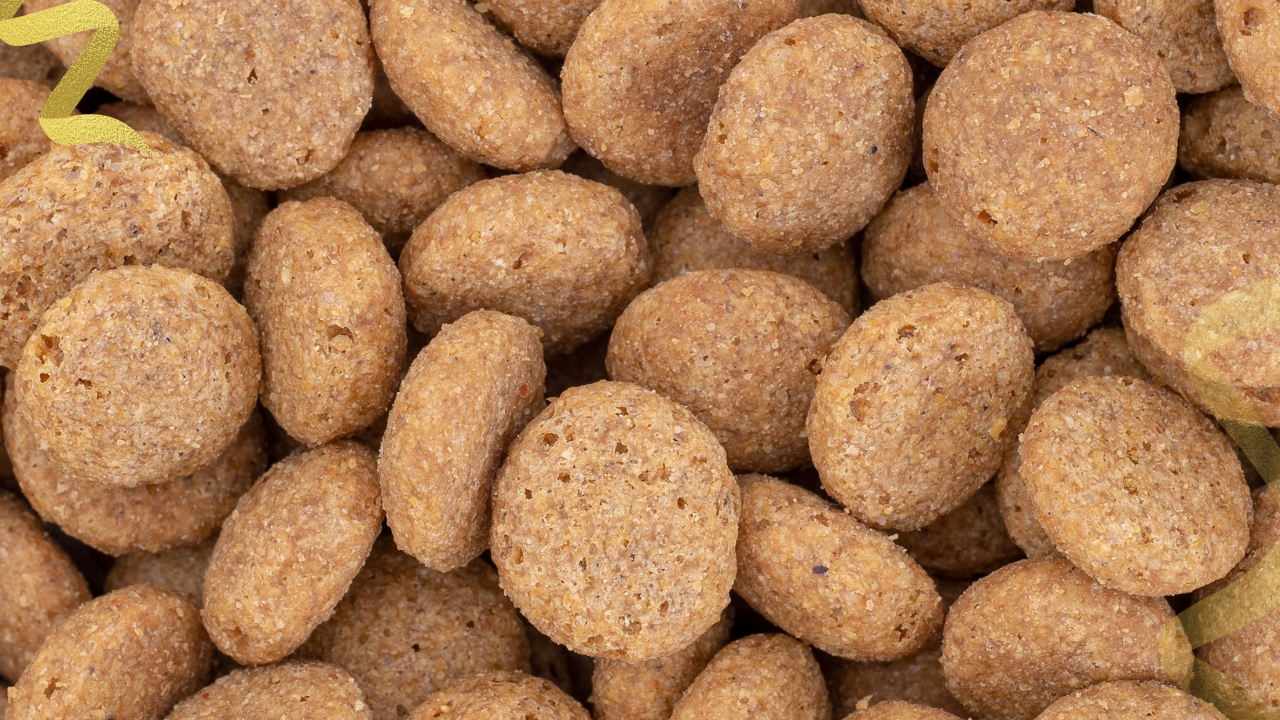
Air-dried dog food is made by slowly drying ingredients at lower temperatures, without first freezing them. It's often described as a middle ground between cooked foods like kibble and raw food (UK Pet Food, n.d.). The result is shelf-stable and easier to handle and store than raw food, and it's one of several alternative formats that have grown quickly in recent years (Wall, 2024).
Manufacturers say gentle drying may preserve more nutrients than traditional cooking (Wall, 2024), but we haven't found published studies in dogs that test those claims. The more important questions are whether the food is complete and balanced for your dog's life stage, and how the company makes sure it's free of harmful bacteria (World Small Animal Veterinary Association [WSAVA], 2021).
Safety matters because some air-dried foods start with raw meat and aren't fully cooked. The American Veterinary Medical Association discourages feeding raw or undercooked animal proteins and supports diets processed in ways that eliminate pathogens (AVMA, n.d.). If your dog has cancer or is getting chemotherapy, an oncologist at Cornell recommends against raw diets during treatment (Cornell University College of Veterinary Medicine [Cornell], n.d.).
Key points
- Air-dried food is dried slowly at lower temperatures and is shelf-stable (UK Pet Food, n.d.; Wall, 2024).
- Claims that it keeps more nutrients are mostly from industry descriptions, not published feeding studies (Wall, 2024).
- Look for a statement that the food is "complete" for your dog's life stage, and ask whether that was confirmed by feeding trials or formulation (WSAVA, 2021).
- The AVMA discourages feeding raw or undercooked animal proteins and supports diets processed to eliminate pathogens (AVMA, n.d.).
- In an FDA study, 15 of 196 raw pet food samples tested positive for Salmonella and 32 for Listeria (U.S. Food and Drug Administration [FDA], 2018).
- Dogs undergoing cancer treatment shouldn't eat raw diets, according to a Cornell veterinary oncologist (Cornell, n.d.).
Detailed explanation
How air-dried dog food is made
Air-dried pet food is made by slowly drying ingredients at lower temperatures. Unlike freeze-drying, it skips the freezing step and removes moisture gradually. It has a softer texture than kibble but stays shelf-stable (UK Pet Food, n.d.). Air dryers slowly remove moisture from raw ingredients without high heat (Wall, 2024).
Here's how it compares with other common formats (UK Pet Food, n.d.):
| Format | How it's made |
|---|---|
| Kibble (extruded) | Cooked with heat and pressure, then cut and dried |
| Freeze-dried | Frozen, then moisture removed in a vacuum without heat treatment |
| Air-dried | Dried slowly at lower temperatures without freezing |
| Raw | Not cooked; often sold frozen (FDA, 2018) |
Freeze-drying doesn't involve heat treatment, so microbes may only be temporarily deactivated and spores can remain (UK Pet Food, n.d.).
Does air-dried food have more nutrients?
Air drying is often marketed as gentler than other methods, and industry sources say it may retain more nutrients (Wall, 2024). WSAVA advises owners to ask whether a company has done nutrition research and published it in peer-reviewed journals (WSAVA, 2021). If a company claims better nutrient retention, it's fair to ask for the data.
Marketing terms such as "holistic" or "premium" are unregulated and tell you little about nutrition (WSAVA, 2021).
Is air-dried dog food safe?
It depends on how the food is made. Air drying removes moisture from raw ingredients without high heat (Wall, 2024), which places some air-dried foods closer to raw food than to kibble.
The AVMA discourages feeding any raw or undercooked animal-sourced proteins and supports diets processed using methods that eliminate pathogens. It names Salmonella, Campylobacter, Clostridium, E. coli, Listeria, and others, and notes that healthy-looking dogs and cats can carry these organisms without signs. People handling contaminated pet food are also at risk, especially young children, older adults, pregnant people, and those with weakened immune systems (AVMA, n.d.).
The FDA's testing of raw pet food found that 15 of 196 samples carried Salmonella and 32 carried Listeria (FDA, 2018). That study looked at frozen raw products, not air-dried foods specifically, but it shows why the processing step matters.
Before you buy, ask the company whether the food goes through a step designed to kill bacteria, and how they test finished products for safety (AVMA, n.d.; WSAVA, 2021).
Handling air-dried food safely
If the food is made from raw ingredients, the FDA's raw food handling advice is a sensible guide (FDA, 2018):
- Wash your hands with soap and water for at least 20 seconds after handling it.
- Clean and disinfect bowls, surfaces, and utensils.
- Keep it away from your own food.
- Refrigerate or safely throw away leftovers.
- Don't let your dog lick your face after eating.
How to choose a complete and balanced food
WSAVA suggests checking the label for a statement that the food is "complete" for your dog's life stage. Foods labeled for "intermittent" or "supplemental" feeding should make up only a small part of the diet, 10% or less (WSAVA, 2021).
WSAVA also suggests asking the manufacturer (WSAVA, 2021):
- Who formulates your foods, and what are their qualifications?
- Is the food complete, and was that confirmed by feeding trials or by formulation?
- How do you ensure the safety and quality of ingredients and finished products?
- How many calories are in each gram or serving?
- Do you make the food yourselves?
If a company can't or won't answer, be cautious about that brand (WSAVA, 2021).
Air-dried food and acrylamide
Some owners choose gently processed foods to reduce heat-formed compounds. Acrylamide forms when starchy foods are fried, roasted, or baked at high heat (FDA, 2024), and dry dog food had about four times more acrylamide than canned food in one study (Sugita et al., 2021). We haven't found published studies measuring acrylamide in air-dried dog foods specifically. Our article on acrylamide in dog food explains what's known, and our guides to how to prevent cancer in dogs and the biggest risk factors for dog cancer put diet in context.
If your dog has cancer
Dogs with cancer have specific nutrition needs, and food safety matters more. Cornell veterinary oncologist Dr. Kelly Hume says she doesn't recommend raw diets for pets undergoing cancer treatment, because some cancers suppress the immune system and chemotherapy can lower immune cell counts, raising infection risk (Cornell, n.d.). If your dog is losing weight, the priority is a quality, balanced diet with enough calories, and a board-certified veterinary nutritionist can help (Cornell, n.d.). Our article on cancer cachexia explains why weight loss happens.
If you'd like to feed an air-dried food during treatment, ask your oncologist first, and choose one that has been processed to eliminate pathogens. Our pages on feeding your dog with cancer, the best foods for dogs with cancer, and nutrition by stage explain more. If your dog won't eat, that's a bigger concern than food format, and our nutrition help page can point you toward support. Our overview of chemotherapy for dogs explains why infection risk rises during treatment.
Switching foods
Talk with your veterinarian before switching, especially if your dog has a health condition or lives with someone at higher risk from foodborne bacteria, such as a young child, an older adult, a pregnant person, or someone with a weakened immune system (AVMA, n.d.).
When to contact a veterinarian
Call your veterinarian the same day if your dog has:
- Vomiting or diarrhea that lasts more than a day, or blood in the stool
- Fever, lethargy, or loss of appetite after starting a new food
Talk with your veterinarian before switching if:
- Your dog has cancer, is getting chemotherapy, or has another condition that affects the immune system
- Someone in your household is young, elderly, pregnant, or immunocompromised
- You're unsure whether a food is complete and balanced
Questions to ask your veterinarian
- Is an air-dried food a good fit for my dog's age and health?
- Is this product complete and balanced, or a topper?
- Does this food go through a step to kill bacteria?
- How much should I feed to keep my dog at a healthy weight?
- My dog has cancer. Is it safe during treatment?
- Should we see a board-certified veterinary nutritionist?
Sources
American Veterinary Medical Association. (n.d.). Raw or undercooked animal-source protein in cat and dog diets [Policy]. Retrieved November 10, 2026, from https://www.avma.org/policies/raw-or-undercooked-animal-source-protein-cat-and-dog-diets
Cornell University College of Veterinary Medicine. (n.d.). Diet decisions during cancer treatment. Richard P. Riney Canine Health Center. Retrieved November 10, 2026, from https://www.vet.cornell.edu/departments-centers-and-institutes/riney-canine-health-center/canine-health-topics/diet-decisions-during-cancer-treatment
Sugita, K., Yamamoto, J., Kaneshima, K., Kitaoka-Saito, C., Sekimoto, M., Endo, O., Takagi, Y., & Kato-Yoshinaga, Y. (2021). Acrylamide in dog food. Fundamental Toxicological Sciences, 8(2), 49-52.
UK Pet Food. (n.d.). Processed with purpose. Retrieved November 10, 2026, from https://ukpetfood.org/resource/processed-with-purpose.html
U.S. Food and Drug Administration. (2018). Get the facts! Raw pet food diets can be dangerous to you and your pet. https://www.fda.gov/animal-veterinary/animal-health-literacy/get-facts-raw-pet-food-diets-can-be-dangerous-you-and-your-pet
U.S. Food and Drug Administration. (2024). Acrylamide questions and answers. https://www.fda.gov/food/chemical-contaminants-food/acrylamide-questions-and-answers
Wall, T. (2024, July 16). Freeze-dried, air-dried, baked, fresh pet foods grew more than 20%. Petfood Industry. https://www.petfoodindustry.com/production/pet-food-processing/news/15679673/freezedried-airdried-baked-fresh-pet-foods-grew-20
World Small Animal Veterinary Association Global Nutrition Committee. (2021). Selecting a pet food for your pet [WSAVA Global Nutrition Toolkit]. https://wsava.org/wp-content/uploads/2021/04/Selecting-a-pet-food-for-your-pet-updated-2021_WSAVA-Global-Nutrition-Toolkit.pdf
Reviewed by: Amber L. Drake, PhD
Dr. Amber L. Drake is a board-certified holistic health practitioner, canine clinical herbalist, educator, and founder of the Drake Dog Cancer Foundation and Drake Dog Academy. She is dedicated to helping pet parents better understand canine cancer, treatment options, nutrition, quality of life, and supportive care through compassionate, evidence-informed education. Her work combines professional training, practical resources, and firsthand insight from supporting thousands of dog families through the challenges of a cancer diagnosis.
Stay connected with news and updates!
Join our mailing list to receive the latest news and updates from our team.
Don't worry, your information will not be shared.
We hate SPAM. We will never sell your information, for any reason.