Canine Oral Fibrosarcoma: What to Know
Nov 10, 2026
Oral fibrosarcoma is a cancer of the connective tissue in the mouth and the third most common oral tumor in dogs (Liptak, 2017). It's more common in large-breed dogs, is usually diagnosed at a median age of 7 to 9 years, and most often grows on the upper jaw (Coyle & Garrett, 2009).
The main problem with fibrosarcoma is how deeply it invades nearby tissue and bone. It spreads to other organs less often, though spread to the lymph nodes or lungs does happen (Coyle & Garrett, 2009; Liptak, 2017). Because of that, surgery that removes the tumor along with part of the jaw is the recommended treatment (Liptak, 2017).
With modern surgery, the outlook can be better than older numbers suggest. In 29 dogs treated with jaw surgery, median survival was 743 days, and 87.7% were alive at one year (Frazier et al., 2012). In a larger study of 65 dogs, combining surgery with radiation gave the longest survival (Gardner et al., 2015).
Key points
- Fibrosarcoma is the third most common oral tumor in dogs (Liptak, 2017).
- It's more common in large breeds and most often affects the upper jaw (Coyle & Garrett, 2009).
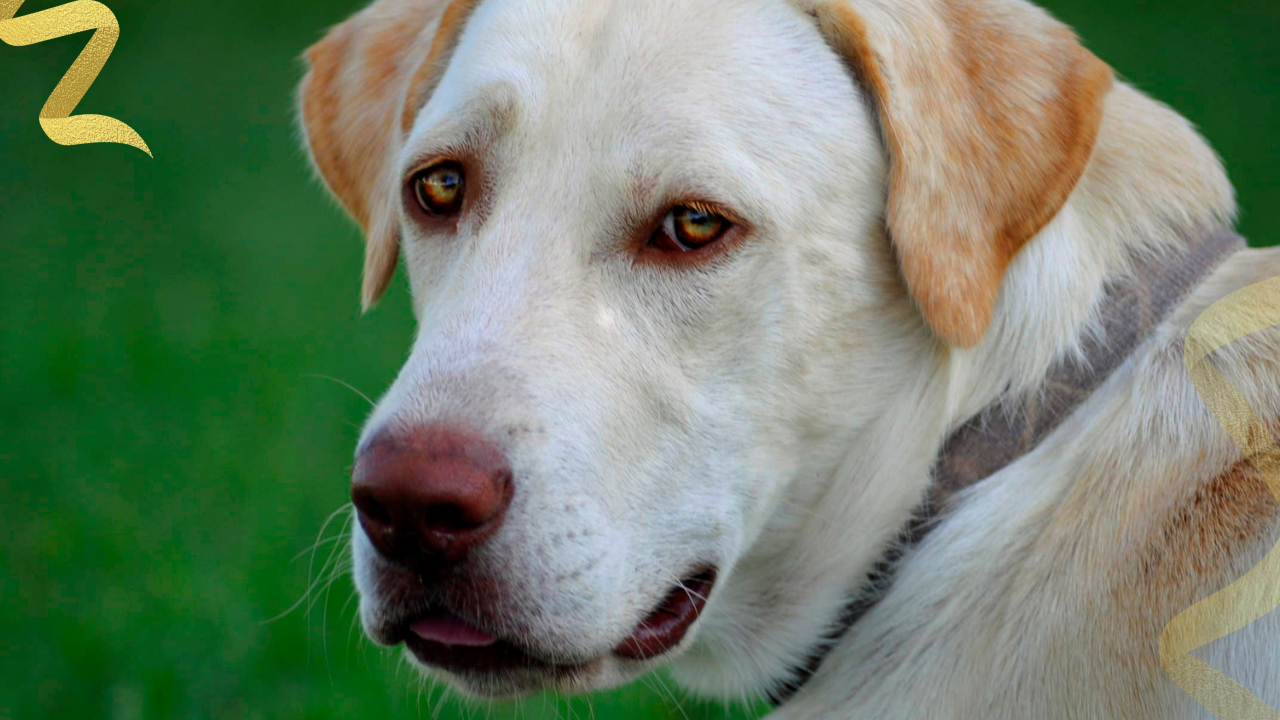
- Some fibrosarcomas look mild under the microscope but behave aggressively, a type in which Golden Retrievers are overrepresented (Coyle & Garrett, 2009).
- Spread occurs to the regional lymph nodes in 19% to 22% of dogs and to the lungs in up to 27% (Liptak, 2017).
- After surgery, the tumor came back in 24.1% of dogs and spread in 24.1% in one study (Frazier et al., 2012).
- Tumor location, size, type of surgery, margins, and grade all affected survival in a 65-dog study (Gardner et al., 2015).
What oral fibrosarcoma is
Fibrosarcoma comes from fibroblasts, the cells that make connective tissue. In the mouth, it's one of the three most common cancers, along with melanoma and squamous cell carcinoma (Liptak, 2017). It belongs to the larger family of soft tissue sarcomas.
Who gets it
Oral fibrosarcoma isn't tied to a particular breed in general, but it's more common in large-breed dogs. Median age at diagnosis is 7 to 9 years, and the upper jaw (maxilla) is affected more often than the lower jaw (mandible) (Coyle & Garrett, 2009). Our article on Golden Retriever cancer risk covers that breed's broader risks.
"Low-grade" doesn't always mean mild
One form of oral fibrosarcoma is described as "histologically low-grade but biologically high-grade." Under the microscope, it can look like a benign growth or a low-grade tumor, yet it behaves aggressively in the dog. Golden Retrievers are overrepresented with this form (Coyle & Garrett, 2009).
This matters when you read a biopsy report. A low grade on paper doesn't necessarily mean a less aggressive tumor in the mouth, especially if the mass is growing quickly or into bone. If the report and the way the tumor is behaving don't match, ask your veterinarian or oncologist about it. Our guide to reading a pathology report explains the terms.
Signs to watch for
Many dogs with oral tumors are brought in because the owner noticed a mass. Other signs can include drooling more than usual, nosebleeds, weight loss, bad breath, discharge from the mouth, and difficulty eating (Cray, 2023). Lifting your dog's lips during regular checks makes a mass easier to spot.
Our articles on why dog cancer can smell bad and why a dog with cancer won't eat cover two of these signs in more depth.
Diagnosis and staging
A biopsy is needed to confirm fibrosarcoma. Because the tumor can spread to the lymph nodes and lungs (Liptak, 2017), it's worth asking about checking the mandibular lymph nodes and imaging the chest. Our articles on cancer staging in dogs and why dogs need X-rays for cancer explain those steps.
Treatment
Surgery. Surgery is the recommended treatment (Liptak, 2017). Because fibrosarcoma invades deeply, surgery often means removing part of the lower jaw (mandibulectomy) or upper jaw (maxillectomy) along with the tumor. Older reports described local recurrence as high as 59% after these surgeries, but recent studies report much lower rates (Liptak, 2017). In a study of 29 dogs treated surgically, 21 had surgery alone and 8 had surgery plus radiation. Median survival was 743 days, 87.7% of dogs were alive at one year and 57.8% at two years, and the tumor came back locally in 24.1% (Frazier et al., 2012). Another study of 38 dogs, most treated with surgery alone, reported a median survival of 1,024 days, which its authors attributed to better imaging and surgical techniques (as cited in Coyle & Garrett, 2009).
Our articles on what clear margins mean and recovery after cancer surgery can help you prepare.
Radiation. Fibrosarcoma is considered relatively resistant to radiation, but radiation still has a role (Coyle & Garrett, 2009). In dogs whose tumor couldn't be fully removed, radiation for the leftover microscopic disease was associated with a median survival of 18 months in a small group of eight dogs (Coyle & Garrett, 2009). In dogs treated with radiation for visible tumors, smaller tumors did much better than larger ones (Coyle & Garrett, 2009). In the 65-dog study, combining surgery and radiation was the strongest predictor of longer survival and longer time without progression, with medians of 505 and 301 days (Gardner et al., 2015). Our article on quality of life after radiation explains what to expect.
Because jaw surgery and radiation planning are specialized, asking about a referral to a veterinary oncologist is reasonable.
Outlook
Survival varies widely. In the 65-dog study, tumor location, tumor size or stage, type of surgery, surgical margins, and grade all significantly affected survival (Gardner et al., 2015). In the 29-dog surgical study, 24.1% of dogs developed spread to other parts of the body (Frazier et al., 2012). Older studies reported median survival of about 7 to 12 months after surgery (Frazier et al., 2012), but newer studies with better imaging and surgery report considerably longer survival (Coyle & Garrett, 2009; Frazier et al., 2012).
The clearest message from these studies is that size and complete removal matter. Finding an oral mass early gives your dog the best chance of a surgery that removes it all.
When to contact a veterinarian
Book an appointment soon if your dog has:
- A lump or swelling on the gums, jaw, or roof of the mouth
- Bad breath, drooling, or bleeding from the mouth that's new or getting worse
- Discharge from the mouth or nosebleeds
- Trouble eating or weight loss
Call the same day if your dog can't eat or drink, has bleeding from the mouth or nose that won't stop, or has trouble breathing.
Questions to ask your veterinarian
- Can we biopsy this mass to find out what it is?
- Does the grade on the report fit how the tumor is behaving?
- Should we image the jaw with CT and check the lymph nodes and chest?
- How much of the jaw would need to be removed, and how will my dog eat afterward?
- Would radiation help, either after surgery or instead of it?
- Should we see a veterinary oncologist or surgeon?
- How will we watch for recurrence?
Sources
Coyle, V. J., & Garrett, L. D. (2009, June 1). Finding and treating oral melanoma, squamous cell carcinoma, and fibrosarcoma in dogs. dvm360. https://www.dvm360.com/view/finding-and-treating-oral-melanoma-squamous-cell-carcinoma-and-fibrosarcoma-dogs
Cray, M. (2023, September). Surgical options for oral tumors. MSPCA-Angell. https://www.mspca.org/wp-content/uploads/2023/12/Cray_Surgical-Options-for-Oral-Tumors.pdf
Frazier, S. A., Johns, S. M., Ortega, J., Zwingenberger, A. L., Kent, M. S., Hammond, G. M., Rodriguez, C. O., Jr., Steffey, M. A., & Skorupski, K. A. (2012). Outcome in dogs with surgically resected oral fibrosarcoma (1997-2008). Veterinary and Comparative Oncology, 10(1), 33-43.
Gardner, H., Fidel, J., Haldorson, G., Dernell, W., & Wheeler, B. (2015). Canine oral fibrosarcomas: A retrospective analysis of 65 cases (1998-2010). Veterinary and Comparative Oncology, 13(1), 40-47.
Liptak, J. M. (2017, March 6). Oral tumors. Animal Cancer Surgeon. Retrieved November 10, 2026, from https://www.animalcancersurgeon.com/head-neck-tumors-oral
Reviewed by: Amber L. Drake, PhD
Dr. Amber L. Drake is a board-certified holistic health practitioner, canine clinical herbalist, educator, and founder of the Drake Dog Cancer Foundation and Drake Dog Academy. She is dedicated to helping pet parents better understand canine cancer, treatment options, nutrition, quality of life, and supportive care through compassionate, evidence-informed education. Her work combines professional training, practical resources, and firsthand insight from supporting thousands of dog families through the challenges of a cancer diagnosis.
Stay connected with news and updates!
Join our mailing list to receive the latest news and updates from our team.
Don't worry, your information will not be shared.
We hate SPAM. We will never sell your information, for any reason.